


Have you ever felt that fast food leaves you wanting more real flavor? The slow food movement offers a different path, one where meals are prepared with care using fresh, local ingredients. Imagine eating a dish that tells a unique story with every bite, much like a family recipe handed down through the years. When you choose these thoughtfully made, local foods, you support small farmers and keep treasured culinary traditions alive. In this article, we explore how slowing down to enjoy well-prepared meals can boost your health, strengthen your community, and even help our world.
Understanding the Slow Food Movement: Philosophy, Origins & Impact
The slow food movement invites you to enjoy meals made from fresh, local ingredients and prepared with care. It steers us away from fast food and mass production, encouraging meals that honor quality, the environment, and fair treatment for producers. Picture sitting down to a dish where every flavor tells a story, like the afternoons Maria spent chatting with local farmers before she became a renowned chef.
This movement is all about mindful eating. It pushes us to choose seasonal and locally sourced foods instead of those made in large factories. Each meal connects us to the land that produced it, helping support our planet and local farmers alike. The idea of measured eating nurtures not only our bodies but also a return to time-honored traditions where recipes and techniques are passed down through generations.
Slow food makes a big difference in our communities, health, and culture. By choosing locally sourced ingredients, we help small farmers thrive and protect the environment. Meals built on naturally grown, nutrient-rich ingredients can boost our health and celebrate old culinary traditions. In short, the slow food movement deepens the bond between our food, its makers, and our community, making every meal a thoughtful and wholesome experience.
Historical Origins & Italian Roots of the Slow Food Movement

Back in 1986, Italy’s food scene took a bold turn when Carlo Petrini led a unique protest near the Spanish Steps in Rome. Instead of waving signs, he and his supporters handed out steaming bowls of penne pasta. Their simple act spoke volumes about the value of locally made, carefully prepared meals. Locals and food enthusiasts alike were drawn to this warm, sensory moment, a clear call to keep traditional Italian dining alive amid the rush of fast food.
In 1989, the movement gained even more momentum. Leaders from 15 countries gathered to sign the first Slow Food manifesto. This paper stood against mass-produced meals and rushed kitchen practices. It highlighted the need for high-quality ingredients, sustainable methods, and support for local producers. The manifesto urged communities to protect nature’s food variety and cherish the cooking traditions that make Italian cuisine so rich.
Core Principles & Manifesto of the Slow Food Movement
The Slow Food Movement manifesto invites us to savor meals that are both delicious and made with care. It calls for a return to traditional ways of cooking that let natural flavors shine and use ingredients sourced responsibly. The goal is to promote sustainable cooking habits and challenge the fast food model of mass production.
This manifesto lays out simple ideas that protect our food heritage and encourage a kind, respectful way of preparing meals. Its key concepts include:
- Good: Enjoy foods that taste great and boost nutrition.
- Clean: Choose food produced in an eco-friendly way.
- Fair: Support fair pricing and respectful working conditions.
- Biodiversity: Safeguard special heritage foods with the Ark of Taste.
- Local tradition: Keep regional cooking methods alive.
These principles act as a guide for programs that back local farmers and small producers. They encourage organic practices and fair trade in communities. By linking health, culture, and the environment, the manifesto inspires us to appreciate the joy of fresh, thoughtfully made food.
Global Expansion of the Slow Food Movement: International Culinary Network

Since the 1980s, the Slow Food movement has grown well beyond Italy. Events like Terra Madre and Salone del Gusto have brought producers, chefs, and food fans together to celebrate homegrown traditions. These meet-ups set the stage for a lively global network of food lovers.
Across continents, the movement has sparked the sharing of recipes and traditions while offering educational programs that bridge cultural divides through common culinary heritage. Workshops and events have taught communities about sustainable sourcing (buying food in ways that protect nature) and seasonal eating. This global conversation has helped spread ideas of measured eating, letting small producers share their stories and recipes while strengthening regional food bonds through shared tasting events.
In the United States, slow dining is gaining ground. Local initiatives support farmers' markets, community supported agriculture (buying directly from farms), and food policy councils that promote community-driven production. These efforts empower local growers and tie together regional food networks, ensuring that time-honored dining methods brighten today’s culinary scene.
Slow Food Movement vs Fast Food: Health & Environmental Benefits
The slow food approach values meals packed with nutrients made from local ingredients. It means taking time to prepare food that is good for your body while respecting the planet. Fast food, on the other hand, relies on mass production that often cuts quality for speed.
| Aspect | Slow Food Movement | Fast Food |
|---|---|---|
| Nutrition | Meals use fresh, whole ingredients rich in vitamins and flavor | Meals often contain high levels of preservatives, sodium, and unhealthy fats |
| Environmental Impact | Focuses on eco-friendly methods and keeps the carbon footprint low | Depends on large-scale farming that uses up more resources |
| Producer Fairness | Supports ethical sourcing and fair prices for small farmers | Relies on big distributors with little direct support for local producers |
| Cultural Value | Honors local recipes and regional culinary traditions | Often feels generic and disconnected from local food heritage |
| Taste Quality | Delivers rich, natural flavors developed over time | Prioritizes fast preparation which can compromise the taste |
Choosing slow food shows you care about both your health and the environment. It supports a balanced diet and helps local economies by encouraging fair trade and traditional cooking methods. Eating slowly lets you enjoy every flavor while making a positive impact on your community and our planet.
Farm-to-Fork & Regional Farmer Support in the Slow Food Movement
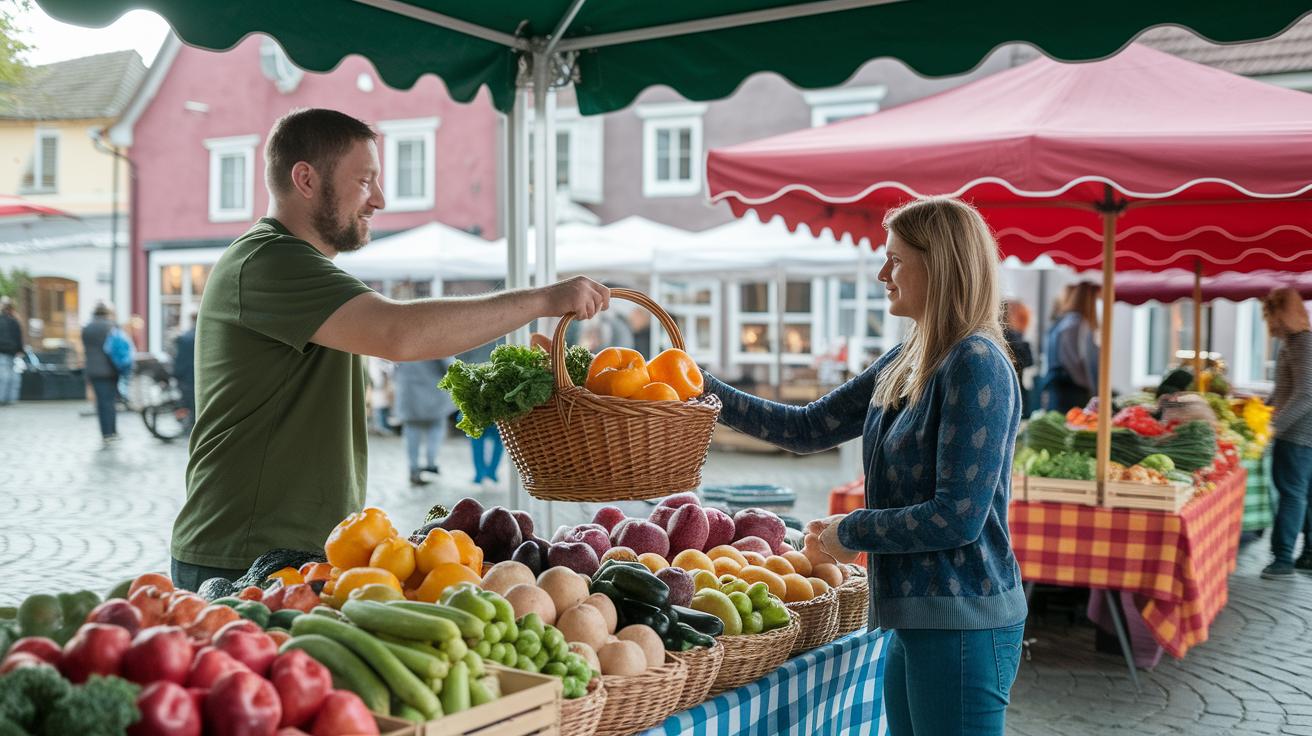
The farm-to-fork approach builds a direct link between local growers and your table. Every ingredient is fresh and cared for from the field to your plate. This method highlights the true taste of each season and supports local food practices.
Community-supported agriculture programs and local produce markets are key parts of this system. Many people sign up for weekly baskets filled with fruits and vegetables grown nearby. At these markets, you can chat with the growers, learn how the food is raised, and see the care put into every step. In turn, farmers earn fair prices and get immediate feedback on their produce.
Local farmers gain more than just extra income from this model. They also get a chance to share local traditions and farming practices. By buying local, communities build a cycle that promotes sustainable agriculture, boosts rural economies, and keeps the true flavors of traditional recipes alive. Each meal becomes a celebration of local heritage and sustainable practices.
Case Studies in the Slow Food Movement: Top Establishments & Community Programs
Slow Food Presidia and Ark of Taste projects shine a light on small producers and rare foods. They work to save family recipes and traditional ingredients that might otherwise be lost. One Presidia project even brought back an ancient grain nearly forgotten in a tiny Italian village.
Festivals like Terra Madre invite food lovers to share memorable dining experiences and connect face-to-face with chefs, farmers, and other enthusiasts. At these gatherings, you can taste classic dishes and hear the unique stories behind them. Imagine sitting down to a meal where every bite reflects local traditions and the careful work of family farms.
Top slow dining spots, recognized in various guides, are leading the way in community-focused food programs. These restaurants use real, honest ingredients and creative presentation to honor culinary history. They serve up more than just delicious food; they are lively centers for community chats, cooking classes, tastings, and meet-the-chef events. These efforts encourage us to enjoy food slowly, with thought and care.
Embracing the Slow Food Movement: Practical Tips & Resources

Begin with simple changes at home. Choose seasonal foods, visit nearby farmers' markets, join community supported agriculture programs, and attend local Slow Food events. These steps help you meet local producers and enjoy the fresh taste of each season.
Try classic cooking methods like braising, preserving, and following traditional recipes. These techniques bring out rich flavors and keep our time-tested culinary traditions alive. Use trusted cookbooks and recipe collections that walk you through each step to make every dish a tribute to care and history.
Looking for more tips on sustainable dining? Visit the food sustainability page for clear advice. Local dining guides, cookbooks, and community programs offer easy-to-follow tips that help you enjoy mindful meals and preserve traditional cooking practices in your everyday life.
Final Words
In the action, we tracked the evolution of the slow food movement, from its Italian beginnings to its global impact. We highlighted sustainable practices, measured eating, and the power of local sourcing to boost health and flavor.
Practical tips and case studies gave a fresh look into farm-to-fork dining and community programs. Enjoy the new perspective on food and let this movement inspire you to make smarter, tastier choices.
FAQ
How is the Slow Food movement represented in America today?
The Slow Food movement in America showcases a network of local restaurants, farmers’ markets, and community programs that promote sustainable dining, support local producers, and champion traditional culinary practices.
What are some examples of the Slow Food movement?
The Slow Food movement shows up as farm-to-table restaurants, community-supported agriculture projects, local food festivals, and educational programs that emphasize seasonal, locally sourced, and traditional culinary methods.
What are the key principles of the Slow Food movement?
The key principles stress good quality ingredients, clean eco-friendly production, and fair treatment of producers while promoting local traditions and preserving at-risk foods through initiatives like the Ark of Taste.
What are the benefits of the Slow Food movement?
The benefits include improved nutrition, a positive environmental impact, support for local economies, the preservation of cultural culinary traditions, and a counterbalance to the fast-food industry.
Why do Italians eat slowly?
Italians eat slowly as a cultural practice that honors food and tradition, encouraging a focus on savoring flavors, enjoying social interaction, and appreciating the care behind seasonal and locally sourced meals.
When did the Slow Food movement start?
The Slow Food movement began in the mid-1980s in Italy, sparked by Carlo Petrini’s protest against fast-food chains, and was formally established in 1989 with a manifesto signed by delegates from several countries.
What careers exist in the Slow Food movement?
Careers in the Slow Food movement include roles in sustainable agriculture, local food advocacy, event organization, culinary education, and research focused on promoting traditional and eco-friendly food practices.