



Ever wondered if your meals could do more for your well-being? Companies making functional foods are busy upping the nutritional value of everyday items. They add ingredients like probiotics (good bacteria for your gut), omega-3s (healthy fats), and vitamins to familiar recipes. Imagine a yogurt that not only tastes creamy but also helps your digestion. In this post, we look at how trusted recipes blend with modern nutrition science to make meals that are both delicious and nourishing. This fresh approach is changing our plates and making healthy eating easier for everyone.
functional foods companies Spark Health Excellence
Functional foods companies are producers that add beneficial ingredients to everyday products, making familiar foods even healthier. They work in areas like dairy (probiotic yogurts), beverages (fortified juices), bakery items (fiber-enriched breads), and dietary supplements. For example, imagine a yogurt enriched with probiotics to help support good digestion.
These companies use key ingredients such as probiotics, prebiotics, omega-3s, vitamins, and minerals. These elements keep the gut healthy, help boost the immune system, and may even support brain function. More and more, people want foods that help them maintain balanced digestion and overall wellness. Adding these beneficial compounds allows companies to meet the growing demand for health-focused choices.
In 2021, the global market for functional foods was valued at $211.5 billion. This shows strong consumer interest in enhanced nutritional products. Functional foods companies are key players in today’s health-driven food industry, blending traditional offerings with science-backed improvements to meet modern nutritional needs.
Functional Foods Companies Market Size and Growth
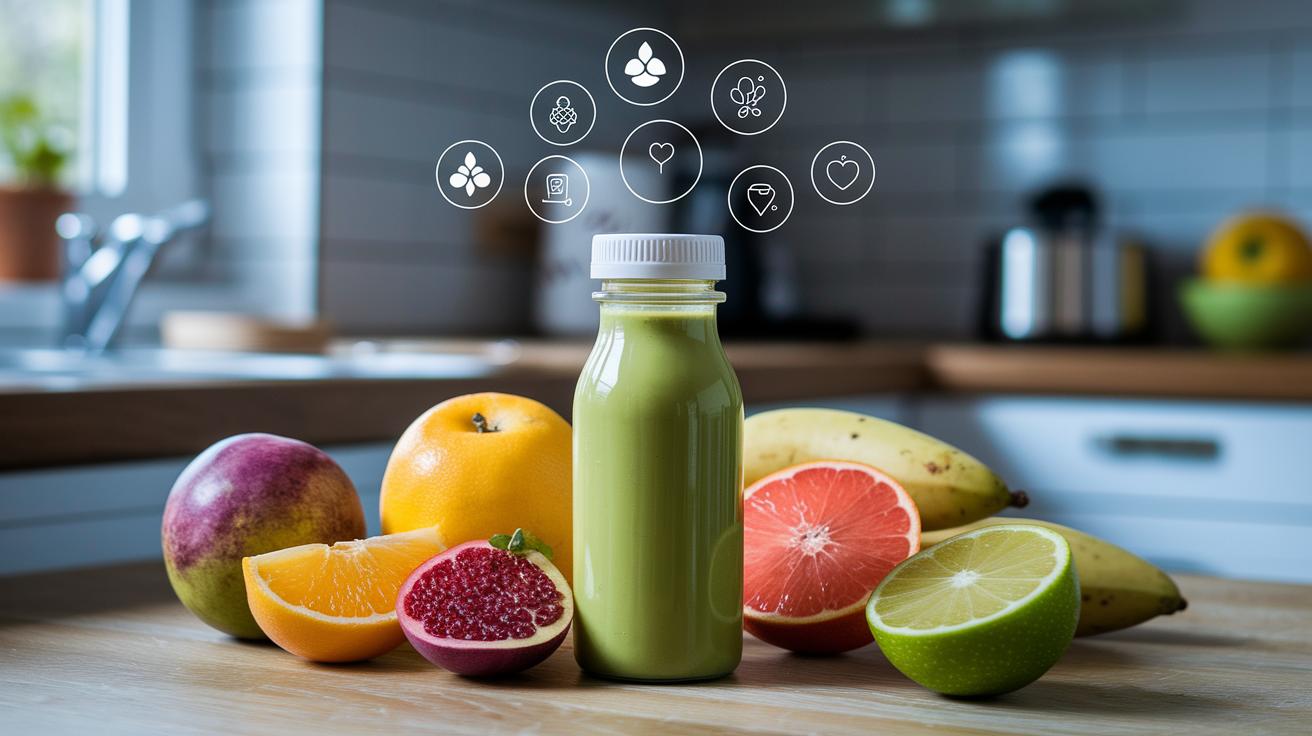
Consumers care more than ever about their health, and that trend is driving growth in the functional foods market. As people age and change their eating habits, they look for foods that do more than just satisfy hunger, they want extra health benefits too. New research, a focus on gut health and immunity, and the clean eating trend are all pushing this industry forward.
Companies are getting creative with ingredients, mixing classic recipes with added twists for health. For example, imagine a juice packed with vitamins to support overall well-being. This rising demand is attracting more investment worldwide, and industry reports show promising growth in key regions through solid numbers and strong growth rates.
Check the table below for a summary of the market size and expected growth. The data reflects strong confidence from investors and signals steady industry expansion.
| Year | Market Size (USD Bn) | CAGR (%) |
|---|---|---|
| 2021 | 211.5 | – |
| 2027 | 280.0 | 8.5 |
| 2030 | 320.0 | 8.5 |
Top Functional Foods Companies and Their Products
Market leaders in functional foods earn their top spots by market share, innovation, and the variety of products they offer. They have earned trust by combining great taste with health benefits. Imagine a cup of probiotic yogurt that helps your digestion while still tasting delicious.
- Danone, located in Paris, France, is known for its probiotic dairy products like Activia and Alpro.
- Nestlé, from Vevey, Switzerland, stands out with its range of vitamins and supplement products such as Garden of Life and Vital Proteins.
- Yakult, based in Tokyo, Japan, was one of the first to offer fermented probiotic drinks.
- General Mills, from Golden Valley, Minnesota, makes fortified cereals and snack bars packed with extra fiber, protein, and vitamins.
- Kellogg’s, in Battle Creek, Michigan, specializes in breakfast foods enhanced with additional fiber.
These companies lead the way by investing in research and development. They mix classic recipes with added healthy ingredients to meet the needs of today’s consumers. Their focus on innovation and quality helps set new standards in health-focused food products.
Innovation Strategies by Functional Foods Companies

Top functional foods brands typically spend about 3% to 5% of their yearly revenue on research and development. They run in-house labs to try out new ingredients and improve classic recipes. For example, Danone has teamed up with emerging gut-health startups through accelerator programs. This has led to innovations like personalized nutrition powders and plant-based protein blends. The outcome is a range of dairy, beverage, and snack options that add extra nutritional value and appeal to modern consumers. This focus on innovation sets the stage for lasting success.
These companies also boost innovation through strategic mergers and acquisitions. In 2018, Nestlé acquired Atrium Innovations to expand its supplement range. By partnering with biotech startups, they can bring advanced products to market faster. Digital platforms and direct-to-consumer efforts let them gather real-time feedback, which helps refine recipes quickly. Together, these strategies keep functional foods companies ahead of industry trends and responsive to evolving consumer needs.
Regulatory Frameworks Impacting Functional Foods Companies
In the United States, the FDA treats functional foods like any other food. Companies can claim their product helps support a healthy gut or boost immunity without needing pre-approval. They simply notify the FDA about the message that will appear on the packaging. For instance, a probiotic drink might say it supports digestive health after the proper notification is submitted. This approach lets companies try new ideas while still following established food rules.
In Europe and India, the rules are a bit different. In Europe, the European Food Safety Authority (EFSA) checks health claims carefully under Regulation (EC) No 1924/2006. They require solid evidence to back up any claim on the packaging. In India, the Food Safety and Standards Authority (FSSAI) introduced draft guidelines in 2020 to define nutraceuticals and fortified foods. These guidelines ask companies to prepare scientific dossiers before making any health claims. This mix of regulations around the world helps keep things clear and builds trust with consumers looking for genuine health benefits in their foods.
Future Prospects for Functional Foods Companies

Forecasts suggest big changes are coming as consumer needs evolve. Companies are starting to offer personalized nutrition plans, plant-based proteins made for health, and digital tools that help you keep track. These new ideas mix great flavors with focused health benefits.
Looking ahead, many companies plan to add synbiotics (a mix of prebiotics and probiotics that help your gut) to their products. Customers want clear labels and honest, minimally processed ingredients. Digital health apps now track what you eat and your habits, allowing companies to adjust their recipes on the fly.
Experts say these trends will make the food market more interactive and informed. In Asia Pacific, a growing middle class and a stronger focus on health are fuelling this progress. Overall, functional food companies are gearing up for a future that puts personalized wellness and smart health solutions at the center.
Final Words
In the action, we explored how companies use ingredients like probiotics and omega-3s to boost food benefits and drive market growth. We touched on industry leaders, innovation strategies, regulatory challenges, and future prospects that shape today’s health-focused food scene.
The insights show that functional foods companies continue to push boundaries while offering tasty, nutritious options. These innovations promise smarter shopping and cooking experiences ahead.