

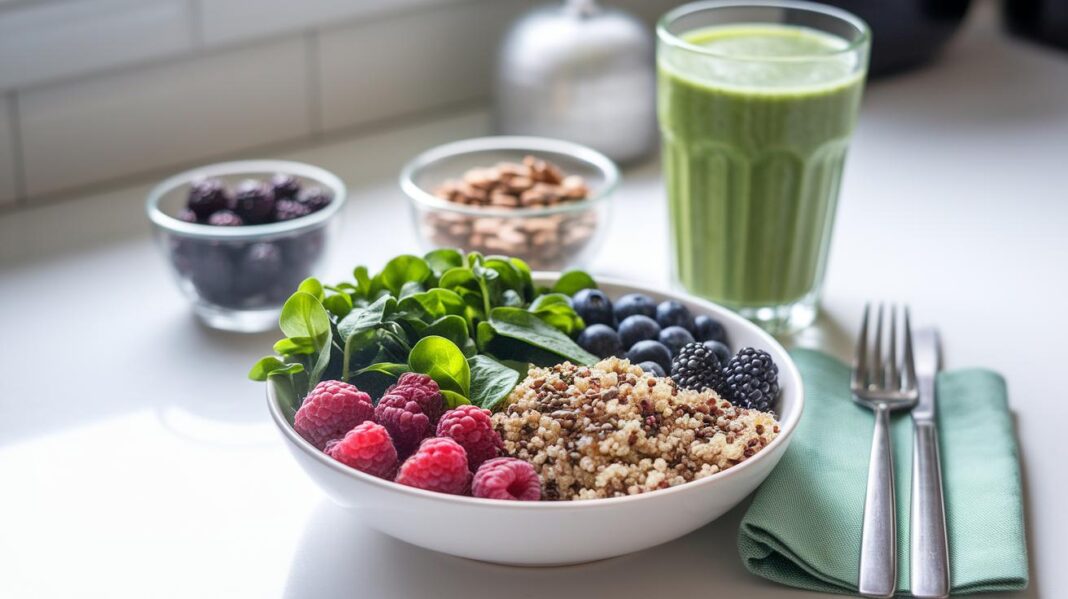

Ever wonder if what you eat could change how you feel? Plant-based functional foods do more than give you calories, they bring natural compounds that support heart health, boost brain power, and keep you energized.
Think of them like a natural energy drink. People have believed in the power of food since Hippocrates said food is medicine. Today, research from Japan and Europe backs up these benefits with clear standards.
From a bowl of sweet, fresh fruit to a glass of fortified milk or a drop of concentrated extract, these whole-food options offer a simple, natural way to fuel your day and support a healthy lifestyle.
Understanding Plant-Based Functional Foods and Their Categories
Plant-based functional foods are ingredients and whole foods that offer extra benefits beyond basic nutrition. These foods contain natural plant compounds that help keep you healthy and feeling good. This idea goes back over 2,500 years when Hippocrates treated food as medicine. In fact, he once said that food should be your medicine long before modern science confirmed it. Today, these foods support heart health, brain function, and energy.
In 1991, Japan led the way with Foods for Specified Health Use (FOSHU). This program set government-backed science standards for functional foods. Europe soon followed with FUFOSE guidelines in the late 1990s, which provided clear methods to measure health benefits. As more people turn to plant-based diets, these foods are gaining popularity as a simple way to boost health naturally.
There are three groups of functional foods. The first group is conventional functional foods, which are whole, natural plant foods like fruits and vegetables. The second group is modified functional foods. These are changed during processing to enhance their beneficial components, such as fortified plant milks with extra nutrients. The final group consists of isolated or synthesized ingredients, like concentrated natural extracts such as curcumin. These clear categories help shoppers pick the right options to naturally boost their energy and overall well-being.
Key Bioactive Compounds in Plant-Based Functional Foods
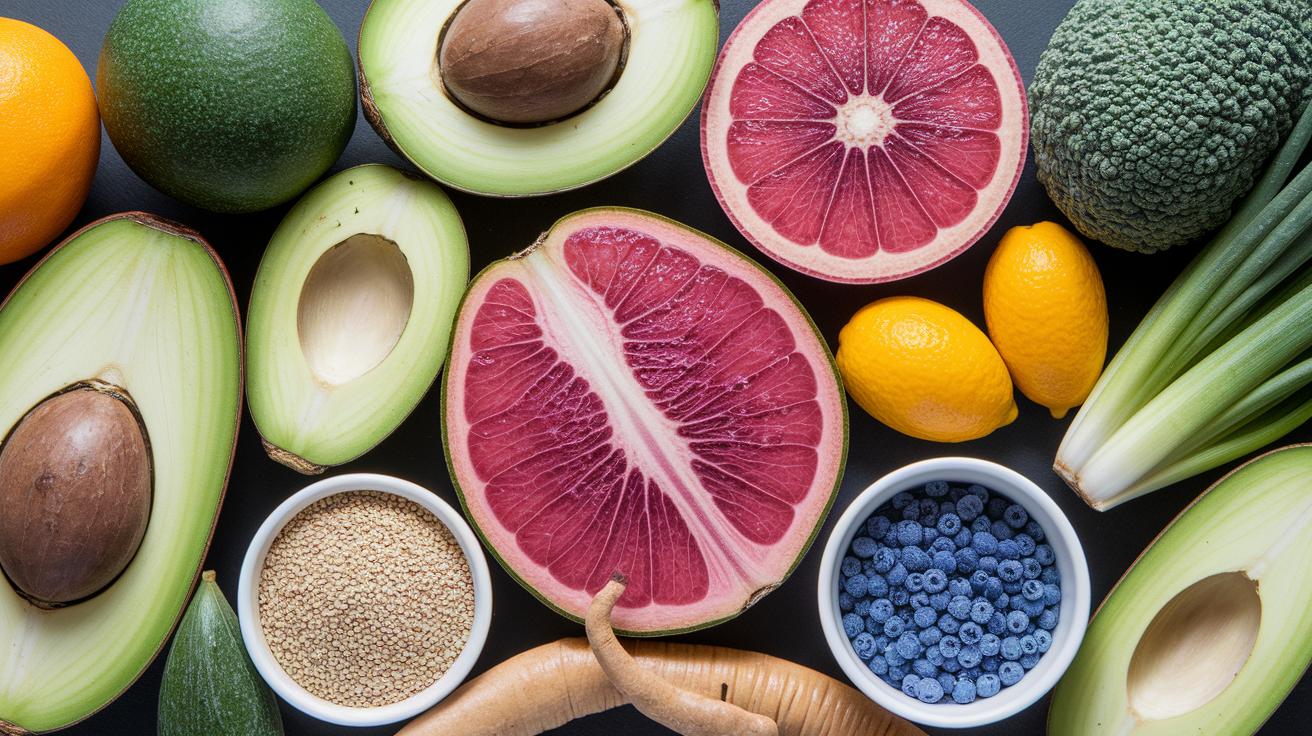
Plant-based functional foods are real nutrition powerhouses. They brim with natural ingredients such as vitamins, minerals, proteins, polyphenols, and prebiotic fibers. Researchers have tested these compounds in cells, animals, and people to see how they support overall health. They work together to keep you energized and balanced. For example, polyphenols help fight harmful molecules (oxidative stress) while prebiotic fibers feed good gut bacteria to help lower inflammation.
Below is an HTML table highlighting five important bioactive compounds, the foods you can get them from, and the health benefits they offer:
| Compound | Food Sources | Health Benefits |
|---|---|---|
| Anthocyanins | Blueberries, blackberries | Antioxidant, anti-inflammatory |
| Beta-glucans | Shiitake, reishi mushrooms | Immune modulation |
| Prebiotic Fiber | Chicory root, onions | Gut microbiome support |
| Curcumin | Turmeric | Anti-arthritic, neuroprotective |
| Omega-3 ALA | Flaxseed, chia seeds | Cardiovascular health |
You can find these compounds in everyday plant foods. For example, berries are rich in anthocyanins that may help reduce inflammation, and mushrooms provide beta-glucans to support your immune system. Adding these foods to your daily meals can boost your energy and help keep your body in balance. In short, the mix of these plant compounds makes plant-based superfoods a smart pick for natural wellness.
Health Benefits and Disease Prevention with Plant-Based Functional Foods
Eating poorly can hurt our health in big ways. In 2017, an estimated 11 million people worldwide lost their lives because of bad diets. Many people fill their plates with high-calorie meals that lack the good stuff our bodies need. In comparison, plant-based functional foods pack a healthy mix of vitamins, minerals, protein, and other natural compounds that work together to boost overall well-being.
Plant-powered meals help us get the right balance of nutrients. Foods like legumes offer enough protein (about 0.8 grams per kilogram of body weight) and a mix of wholesome carbohydrates and fats to support healthy blood fats. This nutritional balance not only fuels our energy but also supports steady metabolism throughout the day.
Studies show that these diets can truly make a difference. Clinical trials have found that eating plant-based superfoods helps keep blood sugar in check and lowers signs of inflammation. Researchers have noted improvements in risk factors for heart disease and type 2 diabetes. Regularly adding these nutrient-packed foods to our diets can enhance how our bodies process energy and fight illness.
In addition, certain botanicals, like mushrooms and berries, can boost our immune system naturally. These ingredients are known to help manage immune responses and reduce overall inflammation. As more people turn to healthier eating, food producers are introducing new products that blend these powerful plant ingredients into everyday meals.
Regulatory Frameworks and Quality Standards for Plant-Based Functional Foods

Japan started its FOSHU system in 1991 to evaluate plant-based functional foods using strict, science-backed rules. In the late 1990s, European authorities set up FUFOSE guidelines that offered similar clear standards. Both systems helped make food health benefits more transparent and understandable.
In the United States, the FDA sorts products based on what each manufacturer says they are for. A food product might be regular food, a special dietary item, a dietary supplement, or even a medical food. Each group comes with its own safety and nutritional guidelines to protect consumers.
Manufacturers also need to follow detailed rules when they make health claims. For example, nutrient content claims must show the exact amounts of key ingredients. When a company makes an authorized health claim, it must have solid scientific evidence. Even claims about a product’s structure or function get reviewed carefully to ensure shoppers can trust the benefits they read about.
Culinary Applications: Recipes and Tips for Plant-Based Functional Foods
Every day gives you a chance to add nature’s best ingredients to your meals. Mix fruits, vegetables, whole grains, legumes, nuts, and seeds to naturally boost your energy. Planning balanced meals with these foods helps you enjoy a steady supply of vitamins, minerals, proteins, polyphenols, and prebiotic fibers (fibers that help your gut digest food better). It’s a simple way to pack in nature’s goodness without spending a fortune.
Try these four recipe ideas: a berry and turmeric smoothie that combines frozen berries with a pinch of turmeric for its anti-inflammatory benefits; a leafy-green salad sprinkled with hemp seeds and drizzled with a citrus dressing for a light, crunchy feel; a savory mushroom and miso soup that offers a warm and hearty boost; and a ginger-lemon tonic that delivers a zesty burst and essential antioxidants to rejuvenate your day. Did you know that a simple sip of ginger-lemon tonic can spark energy and fuel your body?
Mix up flavors and textures by experimenting with spices, fresh herbs, and contrasting elements. Consider adding crunchy roasted seeds to a creamy dish or a squeeze of lime over a vibrant salad to tailor each meal to your taste.
For on-the-go, nutrient-packed snacks, try energy bites made with dried fruits, seeds, and herb-infused oils. Look into more creative snack options to keep your body energized throughout the day.
Innovations and Future Trends in Plant-Based Functional Foods

Recent breakthroughs in extraction methods like encapsulation and nanoemulsion are making key nutrients more available in plant-based functional foods. This means the natural, active ingredients get delivered to your body more efficiently, helping support healthy energy. Research teams are fine-tuning these techniques to turn nature-sourced nutrients into powerful, ready-to-use solutions.
Sustainability is also in the spotlight. Companies are now using upcycled byproducts such as fruit pomace and sourcing from regenerative agriculture. This approach not only cuts down on waste but also supports local ecosystems. By blending traditional wisdom with modern technology, they are laying a solid foundation for future products that are gentle on the planet and beneficial for consumers.
Market studies show that over the next 5 years, consumer demand will lean even more towards plant-based options. Interest in cruelty-free bioactive supplements and green superfood blends aimed at metabolic health is growing. These wellness breakthroughs are transforming the industry, making plant-based functional foods a trusted source of natural energy for health-conscious buyers.
Final Words
in the action, this post explored plant-based functional foods through history, regulation, health benefits and cooking creativity. We traced early standards from FOSHU and FUFOSE, saw how bioactive ingredients boost well-being, and shared easy recipes that bring quality and taste together. Innovations point toward improved extraction methods, sustainable sourcing and better consumer choices. By looking at these multiple sides, the post offers ideas to guide smarter purchases and inspire everyday cooking with plant-based functional foods. Enjoy the new flavors and benefits in your next meal.
FAQ
What does a plant-based functional foods list include?
A plant-based functional foods list includes fruits, vegetables, whole grains, legumes, nuts, and seeds known for extra health benefits from bioactive compounds like antioxidants and polyphenols.
What can I expect from a plant-based functional foods PDF?
A plant-based functional foods PDF typically provides detailed information on food categories, key bioactive ingredients, and the health benefits of each food, making it a handy reference for nutritional planning.
What are some examples of top immune-boosting foods?
Top immune-boosting food lists feature items such as berries, leafy greens, mushrooms, and nuts, all rich in vitamins, minerals, and antioxidants that help strengthen the immune system.
What nutritional components and digestibility profiles do plant-based protein sources offer?
Plant-based protein sources offer proteins, fibers, vitamins, and minerals with digestibility profiles that promote steady energy release and support a healthy gut.