

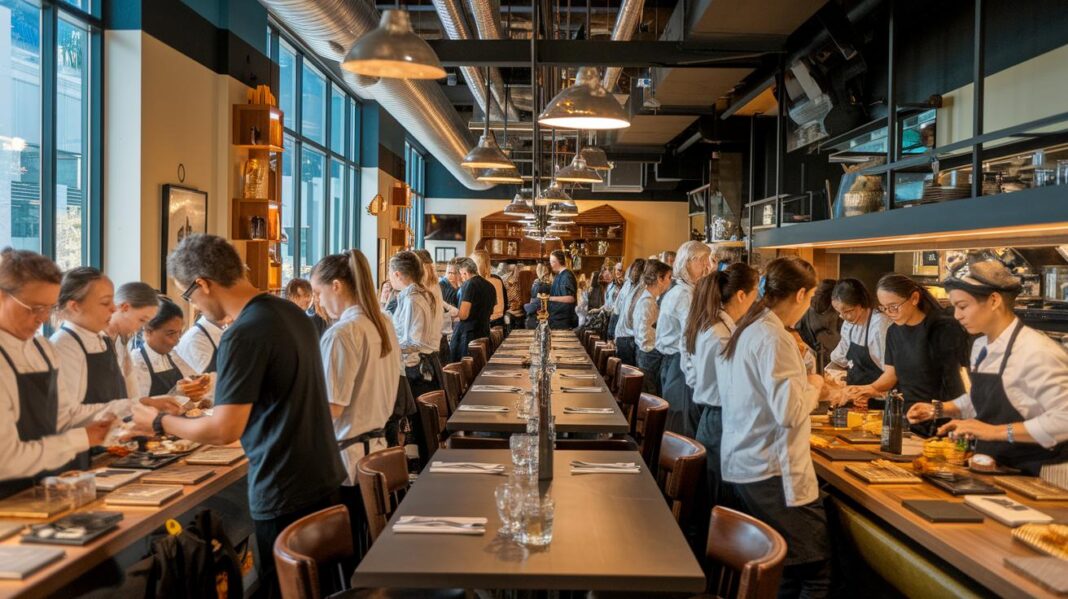

Ever wondered if a restaurant could reinvent itself overnight? Restaurants are exploring new ideas that mix meal kits, liquor delivery, and repurposed spaces to bring home-cooked meals to your door. These creative shifts boost profits while keeping the dining experience lively and fresh. This article shows how a simple pivot can be a smart recipe for lasting success.
pivoting restaurant business models Spark Fresh Success
Restaurants can quickly adapt by trying four smart strategies. One great idea is launching meal kits. In 2019, meal kits brought in $5 billion. Chefs even turned extra ingredients into top-selling kits that disappeared in days. This option fills the home cooking demand and keeps revenue flowing.
Another winning method is alcohol delivery for venues with a strong liquor selection. Restaurants can meet shifting buying habits by sending out wine or spirits straight to homes. Imagine a family spending an evening enjoying a modern twist on comfort food paired with their favorite drink delivered right to their door. This move not only adds to the payout but also keeps the dining vibe alive in a fresh way.
Using dining space as a pop-up grocery store is a clever alternative too. Empty areas can be turned into mini markets offering everyday essentials. Picture a diner picking up groceries while waiting, it’s a smart use of space that flexes with unpredictable market needs.
Finally, boosting takeout, curbside pickup, and delivery remains a cornerstone strategy. By refining online ordering, restaurants can offer fast, contactless service. New digital tools, like mobile time tracking and shift scheduling, cut labor expenses and improve efficiency.
Mixing updated menus, versatile space use, and smart tech investments lays the groundwork for a strong and flexible business update.
Case Studies of Successful Business Model Pivots in Restaurants

At Nyum Bai in Oakland, the restaurant changed its model to focus on takeout. They added a convenient ordering window and reduced seating so orders could move fast. Their six-step plan included:
| Step | Action |
|---|---|
| 1 | Update the business plan |
| 2 | Revise the menu with travel-friendly dishes |
| 3 | Focus on quick takeout service |
| 4 | Boost digital ordering tools |
| 5 | Reassign staff roles |
| 6 | Inform customers about the new focus |
This fresh approach moves away from traditional dining and fits the fast-moving market. It serves as an example for other restaurants looking to adapt quickly.
In Portland, Clyde Common reworked its restaurant-bar setup around to-go orders. They trimmed the menu to keep flavors intact while making it easy to enjoy meals on the go. By using digital ordering systems and rearranging staff duties, they managed both bar service and quick dining. This shift highlights how restaurants are changing to meet new demands after the pandemic.
Over in Cape Cod, Buffalo Jump moved from a fancy tasting-menu dinner to offering breakfast and lunch to-go. They simplified the menu, adjusted operations for faster service, and repurposed staff to handle the rush for quality meals quickly. Their methodical plan shows that with clear steps, restaurants can successfully change their business model during challenging times.
Step-by-Step Guide to Executing a Pivot in Your Restaurant Business Model
-
Begin by updating your business plan. Use current sales numbers and reliable data to adjust your revenue predictions. For example, Nyum Bai looked at hourly order data and found a 25% rise in family meal kit orders on one evening.
-
Refresh your menu with new insights. Remove dishes that don't work well for takeout and try offering smaller portions to see what customers like. Nyum Bai tested a mini-menu that led to an 18% boost in orders made off-site.
-
Reorganize your operations with dedicated steps. Use real-time order tracking and rearrange kitchen stations to speed up packaging. Nyum Bai changed its kitchen layout so that every order flowed quickly from cooking to delivery while keeping the food warm.
-
Invest in technology to improve service. Upgrade your online ordering system, contactless payment options, and back-of-house dashboards. Nyum Bai also adopted tracking tools that helped the team catch delays and fix issues right away.
-
Train and repurpose your team members. Teach your staff to use the new digital tools and workflows needed for higher takeout volumes. At Nyum Bai, team members split tasks between packaging, order monitoring, and customer communication, which helped speed up the process.
-
Roll out a targeted marketing campaign. Share clear messages about your new business model through social media videos and emails. Nyum Bai showed behind-the-scenes content with real staff, sparking local interest and connecting with regular customers.
Assessing Risks and Financial Considerations When Pivoting Restaurant Business Models
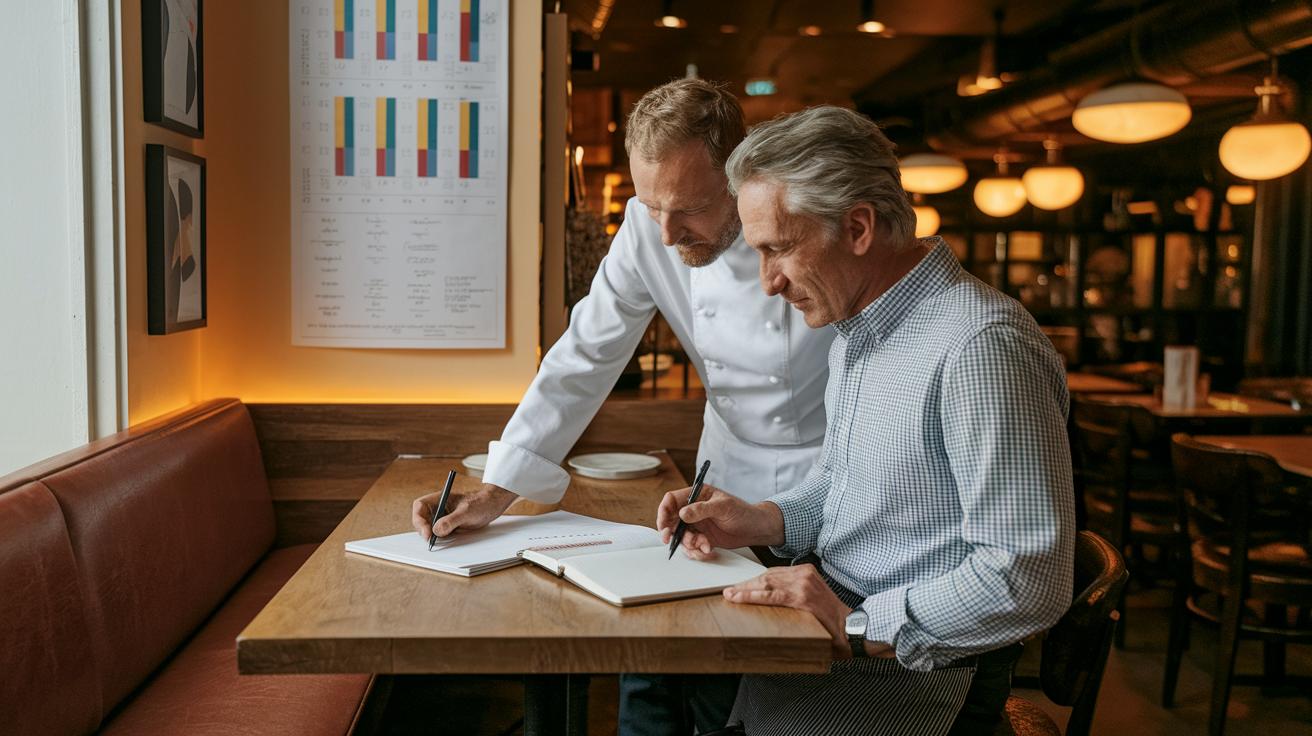
Restaurant owners must think carefully about risks when changing their business model. The pandemic once caused a $25 billion sales loss, showing how fragile regular income can be. Social distancing, labor shortages, higher food prices, and supply delays can all hurt the bottom line.
Using scenario planning can help manage risks. By mapping out best-case, worst-case, and expected outcomes, restaurants can see how changes, like updating menus or shifting to takeout, might affect profits. For example, analyzing costs and benefits can reveal which menu items travel well enough to justify spending on new packaging and delivery methods.
Adjusting budgets means putting money into important updates. Investing in better digital ordering systems and contactless payments may cost a lot at first, but these changes help operations run more smoothly. Restaurant owners should also watch daily expenses, try to get better deals with suppliers, and use digital dashboards to track key numbers.
By planning different scenarios and preparing for financial challenges, operators can adjust budgets to keep cash flow healthy. Spending more on technology and changing marketing plans can lead to steadier finances and long-term success.
Emerging Trends Shaping Future Restaurant Business Model Pivots
Restaurants are rethinking their plans for the future by embracing new ideas that cut costs and boost innovation. Instead of relying solely on traditional dine-in spaces, many are trying ghost kitchens, which focus on online orders without a full restaurant setup. One surprising forecast predicts that ghost kitchens could capture over 30% of the market by 2025. This model lets chefs adjust menus quickly using data while keeping overhead low.
Sustainability has become a big focus. Many restaurants are now working with locally sourced ingredients and waste reduction practices to tell a greener story. One restaurant switched to biodegradable packaging and saw a 15% rise in positive customer reviews, showing that eco-friendly choices really do pay off.
Some eateries are also experimenting with subscription-based meal plans that bring personalized, seasonal selections right to your door. Picture a weekly delivery of chef-curated dishes that keep your meals interesting and convenient. This model not only creates steady revenue but also builds customer loyalty by making dining a regular, enjoyable event.
Partnering with on-demand delivery services is another strategy that supports these new business models. By blending tech advancements with classic hospitality, restaurants are staying agile and competitive while meeting modern consumer expectations.
Measuring Success: KPIs and Feedback Loops for Pivoted Restaurant Models

When restaurants change their models, it's important to measure how well they're doing. They track things like the number of orders, the average amount each guest spends, the split between delivery and dine-in, and how many customers use digital ordering. These figures offer a quick view of the restaurant's financial health and customer habits after making a change.
Managers often use digital dashboards to check these numbers daily. For example, one restaurant saw a 20% rise in digital orders within a month after switching to contactless pick-up. Such metrics not only show progress but also help confirm that the new business plan is on track.
Getting customer feedback is key. Here are some simple ways to gather it:
- Post-order surveys to see how satisfied guests are right away.
- Monitoring social media for honest opinions from diners.
- Analyzing loyalty program data to spot trends among regular customers.
Regularly reviewing these insights lets managers tweak their strategies to better meet customer expectations. By staying alert to both numbers and guest feedback, restaurants can continuously refine their service and grow over time.
Final Words
In the action, the article showcased practical strategies that allow restaurants to adjust to shifting consumer demands. It reviewed revamping menus, streamlining operations, and upgrading digital tools. Real-life examples highlighted shifts like enhanced takeout services and efficient online ordering. Approaches ranged from clear risk assessments to performance tracking using simple KPIs. These insights empower operators to move forward confidently. Pivoting restaurant business models provides a way to keep pace with market changes while also nurturing smarter food decisions. Keep the momentum and embrace these actionable steps for lasting success.
FAQ
What are some examples of pivoting restaurant business models?
Pivoting restaurant business models examples include introducing meal kits, offering alcohol delivery, setting up pop-up grocery spaces, and expanding takeout or curbside services. These strategies help restaurants meet new consumer needs.
How did pivoting restaurant business models work in 2020?
Pivoting restaurant business models in 2020 involved rapid shifts like moving to fast-casual takeout, enhancing online ordering, and repurposing spaces. These changes were essential for staying open during challenging times.
What is the 30/30/30/10 rule for restaurants?
The 30/30/30/10 rule for restaurants splits resources into parts: 30% for ingredients, 30% for labor, 30% for overhead, and 10% for profit. This helps ensure balanced budgeting and efficient operations.
What is considered the most profitable restaurant model?
The most profitable restaurant model often centers on flexible setups like ghost kitchens and takeout-focused concepts. Such models help lower overhead and quickly react to shifting customer trends.
What does a pivot business model mean in a restaurant context?
A pivot business model in restaurants means adjusting strategies to respond to market changes. This involves revising menus, revamping operations, and investing in technology to meet current demands.
What is the pivot point system in restaurants?
The pivot point system refers to a structured approach that guides restaurants through revising business plans, modifying menus, and upgrading operations. It promotes agility and efficient adaptation in the restaurant industry.