


Have you ever thought that food aid is more than just filling empty bellies? It acts like a lifeline during natural disasters or economic hardships. When a town faces shortages, food aid rushes in to offer fast, ongoing support. From neighborhood food banks to government programs, these efforts help ease hunger and rebuild lives. This article shows how a mix of federal, local, and global programs brings real nourishment and hope, giving many communities a chance to start fresh.
Comprehensive Overview of Food Aid Programs and Impact
Food aid means providing food and nutritional help when emergencies strike or as a steady safety net for people in need. It acts like a first defense during natural disasters, economic slowdowns, or other crises by offering fast relief to those who are hungry. This support eases short-term hunger and helps local communities get back on their feet by making sure they have access to healthy, essential foods during tough times. For example, after a heavy storm, coastal communities often set up centers to quickly serve hot, comforting meals, easing immediate hunger.
Food aid programs generally fall into a few clear groups. Federal programs help low-income families get the food they need through initiatives like nutritional aid and school meal programs. At the same time, local charities work with food banks and community kitchens to deliver emergency meals as fast as possible. International programs also lend a hand, working with partners across borders to boost long-term food security in vulnerable areas.
Food aid networks play a huge role in the fight against hunger. In the United States, 47 million people, including 13 million children, struggle with hunger. These networks have served 5.7 billion meals and delivered 4.3 billion pounds of food through over 60,000 programs and more than 200 food banks. The scale of these efforts shows just how essential food aid is for saving lives and building healthier, stronger communities.
Federal Food Aid Programs: SNAP, TEFAP, and School Lunch Initiatives

Federal food aid programs help millions of families get the nutrition they need in tough times. These programs deliver quick relief and long-term support by providing healthy meals and grocery assistance to communities across the nation.
SNAP Benefits and Application Process
SNAP gives low-income households access to nutritious food. Households apply online by submitting income and residency documents. The benefit amount depends on the number of people in the family and their earnings. In addition to covering daily food needs, SNAP promotes healthy eating through added nutrition programs. Applicants can easily start with a straightforward online form, helping them get support faster.
TEFAP Emergency Food Supplies
TEFAP (The Emergency Food Assistance Program) uses extra food bought by the USDA to provide healthy food to local communities. Working through over 200 food banks, TEFAP quickly gets food to households that are struggling with hunger. Local agencies help keep supplies steady and safe for about 47 million people during emergencies. This network ensures even the most at-risk communities receive regular assistance.
National School Lunch Program
The National School Lunch Program gives free or low-cost lunches to children from families with low incomes. Schools serve balanced meals every day to keep kids healthy and ready to learn. The program adjusts meal counts based on how many students need them and the available funding, making sure children have nutritious food throughout the school year.
| Program | Administering Agency | Eligibility Criteria | Approximate Meals Served |
|---|---|---|---|
| SNAP | USDA | Based on income and household size | Varies per recipient |
| TEFAP | USDA | Needs-based support distributed by food banks | Millions daily |
| NSLP | USDA | Families with low incomes qualify | Daily school meals |
International Food Aid and Global Hunger Relief Efforts
Many groups around the world are joining forces to fight hunger. They pool money from the United Nations and other international agencies as well as governments and development partners. This combined funding makes it possible to quickly send help during emergencies, while also building programs that support long-term food security. These joint efforts push for better policies and ensure that those at risk get the vital nutrients they need. For example, during severe food shortages, countries often receive emergency shipments that help stabilize local supplies.
United Nations World Food Programme
The United Nations World Food Programme is a key player in these efforts. It manages a large budget each year and distributes millions of tons of food to areas where hunger is most intense. By focusing on regions with urgent nutritional needs, it provides life-saving support even in the most challenging environments.
Nonprofit Partnerships
Nonprofit groups also play a crucial role. Food Aid International, a certified 501(c)(3) organization, partners with Kids Against Hunger to ship meals that fight malnutrition in children. Their efficient shipping methods ensure that aid reliably crosses borders and reaches even the most remote communities.
Regional Multilateral Funds
Organizations like the EU and USAID contribute through regional multilateral funds. These funds back both emergency relief and longer-term nutritional programs, making sure that help meets local needs. Ongoing policy research and community feedback continue to shape and improve these strategies, building hope and resilience in communities facing hunger.
Food aid Sparks Hope for Communities
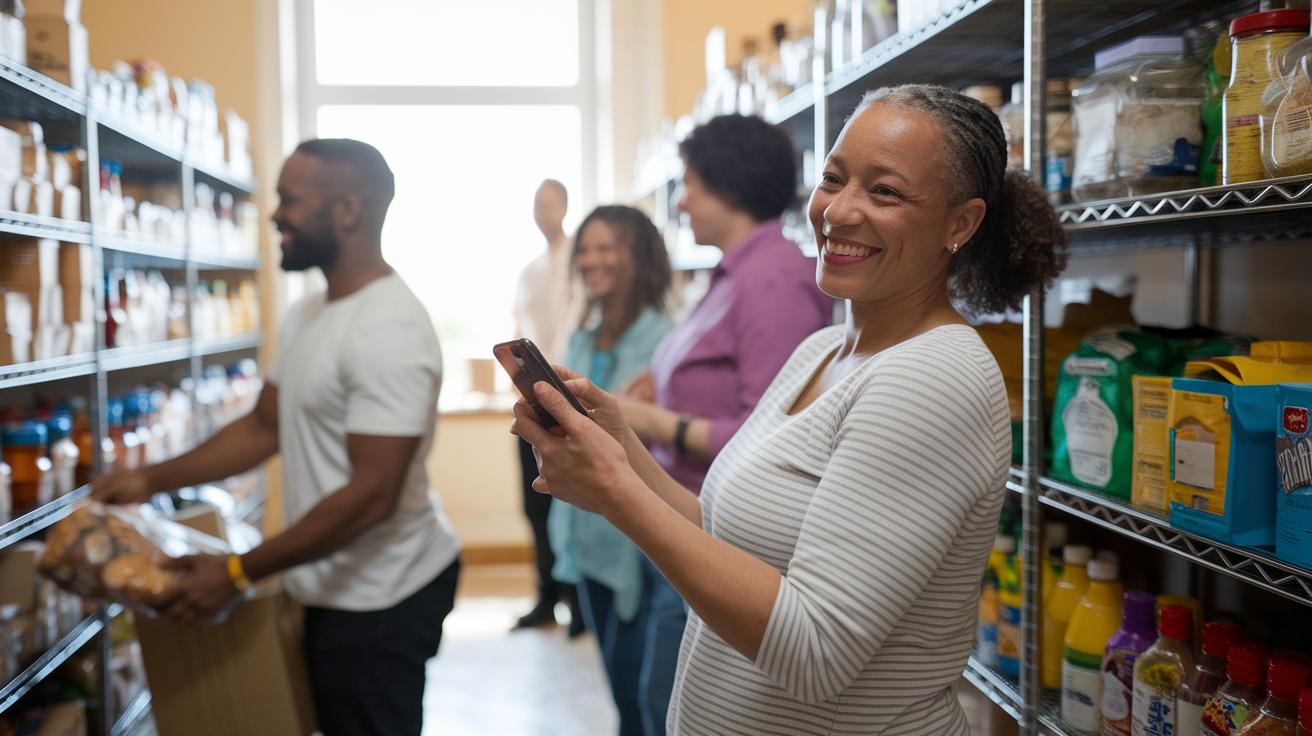
Local pantries and food centers offer more than meals, they provide a welcoming spot for neighbors to gather. These places often become a first stop when times are tough, offering both food and a sense of community. Neighbors, churches, businesses, and schools come together to pack meals and share easy nutrition tips that help everyone eat well.
| Service | Description |
|---|---|
| Food banks | Scheduled pick-ups that supply essential groceries |
| Mobile pantry vans | Deliver fresh food in both urban and rural areas |
| Community kitchens | Meals served in a warm, communal setting |
| Volunteer drives | Groups that package meals with care |
| Home-delivery | Bringing food directly to seniors and those with disabilities |
Outreach efforts focus on places with few grocery stores, often known as food deserts. Local centers partner with mobile panstries to bring fresh food to neighborhoods lacking proper stores. Volunteers, organized by local charities, hand-deliver meals to those who need them most. These community-led initiatives are key to building a safety net that not only provides nourishment but also offers hope and better health for everyone.
Applying for Food Aid: Eligibility Criteria and Enrollment Steps
Households must earn within specific limits that depend on family size. All applicants provide current income records and valid ID for every family member. For example, submit your recent pay stubs and tax documents to prove your income.
For programs such as SNAP and TEFAP, start by creating an account online or visiting your local food bank for TEFAP. Next, turn in your pay stubs, tax returns, and proof of residency so your income can be reviewed for eligibility. Once processed, you will receive a timeline for approval, which might take a few days or even weeks. You might see a message like, "Your application is under review. Expect an update in 5-7 business days."
Local help is available if you need guidance. Nearby centers can walk you through each step, hotlines are ready for immediate questions, and many agencies offer online systems to track your application progress.
Supporting Food Aid: Donations, Volunteer Work, and Partnership Campaigns
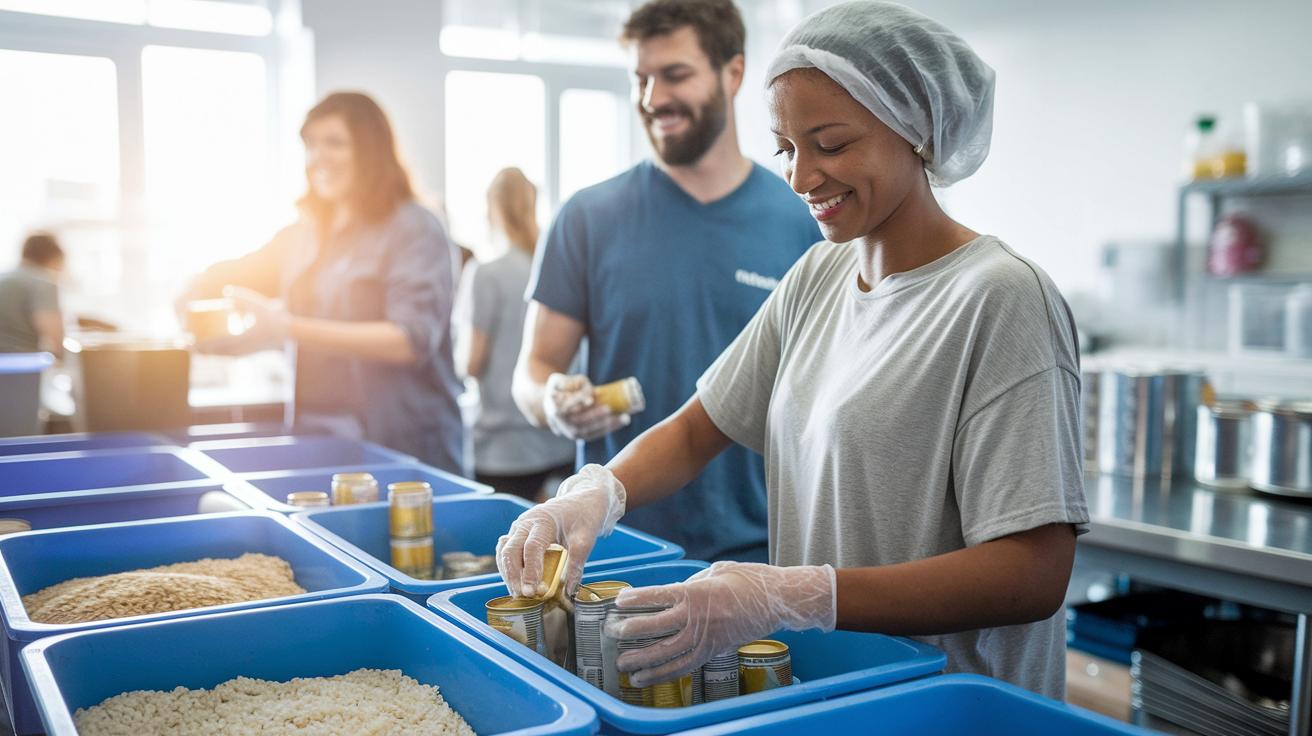
Donors help food aid work in many flexible ways. They can give a one-time donation, set up a monthly pledge, or join a year-end gift match campaign that multiplies their impact. For every $1 donated, roughly 10 meals are served. This means even a small gift can make a big difference. Corporate sponsors also back nonprofit feeding networks so that food aid programs run smoothly both at home and abroad. In this way, money becomes real, nutritious meals and brings hope to families facing hunger.
Volunteers are key to this work too. By joining meal-packaging events, staffing mobile pantries, or handling delivery roles, people see firsthand the change they create.
Fundraising at schools, local businesses, or faith groups is another great way to support food aid. Events like bake sales, community walks, or donation drives bring neighborhoods together for a common cause. These fundraisers not only raise essential funds but also show the strength of community efforts. Each gathering builds a network of care that makes sure food aid reaches those who need it most.
Final Words
In the action, food aid programs stand at the core of efforts to fight hunger worldwide. This article outlined crisis response measures, federal assistance like SNAP and TEFAP, and community-driven initiatives that bring meals to those who need them.
It highlighted key metrics and presented practical steps for applying, donating, and volunteering. The shared impact of coordinated local and international efforts inspires hope and encourages action. Each step reinforces the value of food aid in making smarter, heart-led decisions.
FAQ
I need help with food today
The query means finding quick, local food support. Local food banks, pantries, and community assistance programs can offer immediate help when you have no food and no money.
What is federal food aid and which government programs support low-income families and seniors?
The term federal food aid means organized meals and groceries given to those in need. Programs include SNAP, TEFAP, and the National School Lunch Program, many of which also serve seniors and low-income families.
What is The Emergency Food Assistance Program and who qualifies?
The Emergency Food Assistance Program provides USDA surplus food through food banks nationwide. Eligibility depends on household income and local guidelines set to support those facing food shortages.
What are the five largest food assistance programs?
The five largest programs typically include SNAP, TEFAP, the National School Lunch Program, WIC, and the Emergency Nutrition Assistance Program, each serving different groups across the nation.
How can I get emergency money for food?
The query about emergency money means contacting local charities or government services that offer financial aid for food. Many communities have programs dedicated to quick emergency food support.
Does Chick-fil-A give free food to homeless people?
The question suggests looking into free meals at Chick-fil-A. While some locations may partner with local groups to support homeless individuals, there is no universal policy for free food across all restaurants.