


Have you ever thought about the journey your food takes to reach your table? Food miles show us the distance food travels from the farm to our shelves. They also reveal hidden costs like extra fuel use and pollution. For example, some apples travel thousands of miles before you bite into them, which adds to CO₂ levels. By understanding these numbers, we can choose fresher, local options that are better for our planet. This article looks at how food miles impact our environment and suggests a straightforward way to make greener choices.
Understanding Food Miles: Definition and Key Implications
Food miles measure the distance food travels from where it is grown to the place you buy it. This concept sheds light on hidden costs like extra fuel use and higher transport emissions. Imagine a tomato grown hundreds of miles away making its way to your store. That long journey means more fuel burned and more pollution released into the air.
But food miles are more than just a distance. They cover every step in the journey, from the farmer to the packager, and then from the shipper to the grocery store, restaurant, or market. By keeping an eye on food miles, we learn how transport affects our environment, including more energy use and greenhouse gas emissions.
One example makes this clear: an apple may travel thousands of miles before it reaches your plate, facing many inefficiencies along the way. Research shows that food transport accounts for roughly 20% of CO₂ emissions in the food industry. This raises concerns about environmental harm and food waste from damage during transit. Higher transport distances also mean higher costs that eventually affect what we pay.
In short, food miles remind us to think about more sustainable ways to get our food. Choosing local and seasonal options can reduce these long journeys and help cut the overall carbon footprint.
Measuring Food Miles: Tools and Methods for Tracking Transport Distances

Food miles track the journey your food takes from the farm to your plate. They show the distance food travels from the grower, through making and shipping, and finally into your hands. One way to measure this journey is to use a straight-line distance. Picture drawing a tight piece of string between two points on a map, this gives you a basic idea of the distance, known as the geodesic distance.
Another method considers the actual roads or sea routes food follows. This approach often reveals extra miles because of twists, turns, and detours that happen along real routes. Using both these methods together creates a clearer picture of food’s full travel path.
Digital mapping tools now play a key role in tracking these routes. GIS-based calculators and interactive distribution maps provide precise mileage numbers, often shown in miles per ton or per shipment unit. These tools help food suppliers fine-tune their delivery networks, saving both money and reducing environmental impact.
Environmental Impact of Food Miles: Carbon and Beyond
Every year, food travels long distances and creates about 3 billion tonnes of CO₂-equivalent emissions, or nearly 20% of all emissions from our food system. Imagine one shipment of produce adding as much carbon as an average car driving almost 10,000 miles. This shows just how heavy the burden from transporting food can be.
Long journeys bring more than just extra carbon. More miles on the road increase both air and noise pollution. With each extra mile, more fuel is burned and more greenhouse gases are released. That extra energy use leaves an unseen toll on our environment.
Long trips also raise the chance of food spoiling or getting damaged before it reaches our tables. When food spoils, all the energy, water, and care used to grow it go to waste, stressing precious natural resources even more.
Rough handling during long trips can lead to waste that fills up landfills and risks water contamination. This clear link between food miles and environmental harm tells us that even small tweaks in our supply chain can help cut down transport emissions and ease the pressure on our ecosystems.
Economic Effects of Food Miles: Costs in the Supply Chain

Long trips for food drive up costs at every step. The further the food travels, the more you pay for fuel, labor, and handling. When goods journey hundreds or even thousands of miles, those extra fees show up as higher prices for shoppers.
Hidden costs also add up. Food can be delayed, damaged, or spoiled during transit. For example, produce sent out of season might lose its quality on a long trip, wasting all the effort put into growing and harvesting it.
Studies show that long-distance routes create challenges for traditional supply chains. Relying on out-of-season or exotic items forces suppliers onto less efficient paths, which makes expenses pile up. Each extra mile increases the chance of delays and quality drops, leading to more costs for retailers.
When every cent counts, these added expenses matter a lot. Consumers might end up paying more, while suppliers see their profit margins shrink.
Farmers, distributors, and retailers all feel the squeeze from long journeys.
Food miles: Fresh pathway to eco prosperity
New methods in food delivery are making our meals fresher while cutting down on harmful emissions. Today, indoor farms and smarter transport plans help shrink long trips, letting local stores get produce within 48 hours of harvest. This simple change is a win for our planet and our plates.
Controlled Environment Agriculture
Indoor farming methods like vertical farms and hydroponic systems create perfect growing conditions. Because the crops are grown close to where they are sold, they travel very little. Imagine enjoying a crisp salad picked from a nearby indoor farm. This short journey keeps food fresher, with more nutrients and less spoilage. It is a smart, eco-friendly way to grow and deliver food.
Packaging and Supply Chain Redesign
New ideas in packaging and logistics are also chopping down food miles. Better packaging materials protect food on shorter, direct trips. Local hubs and urban micro-farms shrink the supply chain by cutting the number of stops, which saves energy and lowers emissions. For instance, bundling orders from several community sources into one efficient trip replaces many small ones. These changes boost local economies and simplify transport, all while supporting a healthier environment.
Food sustainability is at the heart of these innovations.
Food miles: Fresh pathway to eco prosperity
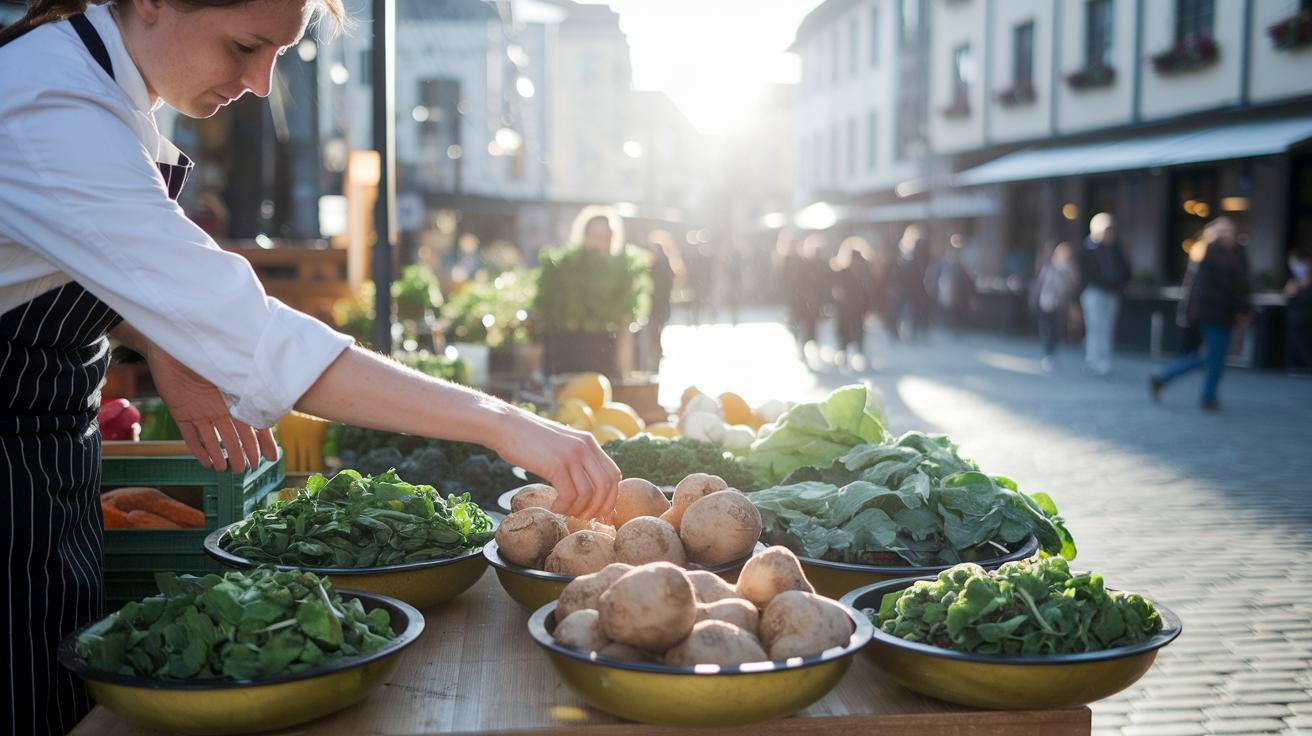
Keeping food travel short means produce stays fresh and full of nutrients. It uses less fuel and helps local communities thrive. Shorter trips lower delivery costs and cut down on pollution. Restaurants that choose local, seasonal ingredients can reduce their carbon footprint by up to 50%. New ideas like indoor farming also help shorten travel distances.
Buying ingredients from nearby sources means fewer handling steps and trips. This saves energy and means produce is less likely to get damaged on the way. Many local farmers use eco-friendly practices (methods that protect soil and water), helping money stay in the community.
Both consumers and businesses can benefit by combining modern delivery with local sourcing. This way, everyone enjoys fresher, tastier food while encouraging regional growth. Plus, it makes planning menus and supplies much simpler.
Practical actions for consumers and businesses include:
- Choose seasonal, locally grown produce
- Partner with regional farmers and suppliers
- Incorporate more plant-based menu options
- Plan purchases to reduce delivery frequency
- Invest in local micro-farm or community garden projects
- Track and report food miles to stakeholders
Final Words
In the action, the post broke down food miles by defining them, showing how they impact the environment, and underlining the hidden costs of long transit. We also explored the tools used to measure transport distances and examined how fresh sourcing cuts down on transport emissions and waste.
Innovation in sustainable distribution and local sourcing emerged as key solutions for reducing food miles. The positive shift in consumer and business practices makes for a greener, more mindful food system.
FAQ
What do food miles mean and what is the food miles theory?
The term “food miles” describes the distance food travels from its production site to your plate. The food miles theory highlights hidden costs like increased emissions and higher transport expenses due to long-distance shipping.
Why are food miles important?
Food miles are important because they reveal the environmental impact of transporting food, including energy use and carbon output, and highlight economic costs in the supply chain.
How can food miles be tracked using tools like calculators and maps?
Food miles can be tracked with digital calculators, interactive maps, and kid-friendly tools that measure the distance food travels, offering insight into sustainability and supply chain efficiency.
What are some examples of foods with high food miles?
Common examples include off-season fruits, exotic imports, and processed items, which often travel long distances from production regions to your store shelf or fork.
How do visuals like posters and images help explain food miles?
Posters and images of food miles provide clear, visual explanations of the travel distance of food, making it easier to see and understand the environmental costs linked to food transport.
What are the advantages and disadvantages of food miles?
Food miles can promote local sourcing and reduce emissions when minimized but also expose issues such as higher transport costs, increased energy use, and potential spoilage in long-distance supply chains.