


Have you ever thought about how an eco-friendly catering menu could transform your celebration while caring for the planet? This approach uses fresh, locally grown ingredients in season-inspired recipes that help cut food waste and reduce carbon emissions. Imagine enjoying a tangy asparagus salad, a crisp tomato bruschetta, or a creamy squash risotto, each dish bursting with flavors from nearby farms. Choosing sustainable options like these means you can power up your event with great taste while supporting local agriculture.
Eco-Friendly Catering Menu Ideas: Seasonal & Local Dishes
Choosing dishes made with seasonal and local produce is a smart way to care for our planet. When caterers use veggies and fruits at their peak, they cut down on long trips and save energy usually used for extra storage. Potlikker Catering works with nearby farmers (see sustainable sourcing) who grow fresh vegetables within a 100-mile radius. By using ingredients grown without synthetic chemicals, much like organic food products, caterers can reduce carbon emissions by up to 25% compared to out-of-season imports while also boosting local farming.
- Spring Pea and Mint Soup – A lively starter that highlights the fresh taste of young peas and mint.
- Early-Spring Asparagus Salad with Lemon Vinaigrette – Crisp asparagus meets a tangy lemon dressing for a light, refreshing dish.
- Summer Heirloom Tomato Bruschetta – Locally grown tomatoes add a burst of juicy flavor on crusty bread.
- Sun-Ripened Corn and Basil Salad – Sweet corn combined with aromatic basil makes for a cool and satisfying dish on warm days.
- Autumn Squash Risotto – This creamy risotto, with its roasted squash punch, brings cozy comfort as the weather softens.
- Winter Root Vegetable Gratin – Baked hearty root vegetables deliver a warming, satisfying final course.
Adding these season-inspired ideas to your menu fills each dish with natural, vibrant flavors. Plus, using local ingredients helps lower the carbon footprint, supports nearby farmers, and builds community ties through sustainable practices.
Eco-Friendly Catering Menu Ideas: Partnering with Local Producers
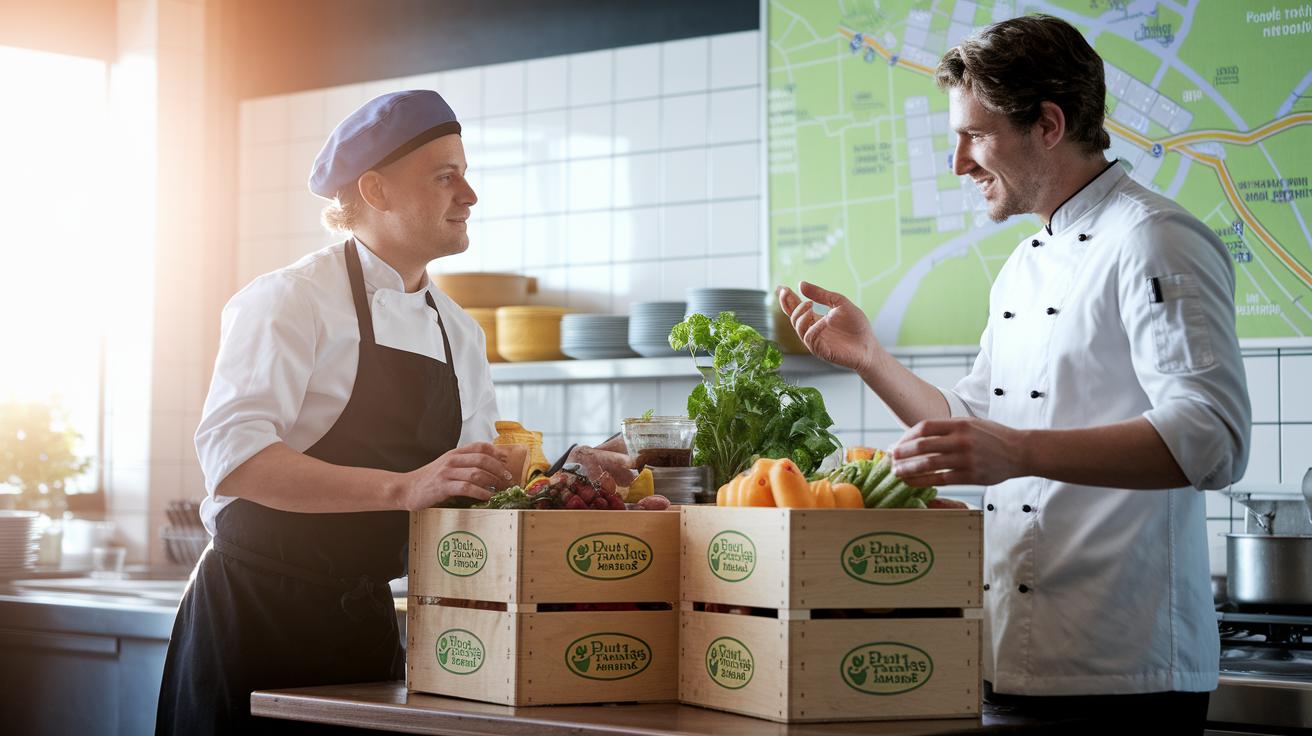
Caterers can build strong, eco-friendly ties by carefully choosing local farms that share their green values. For example, Potlikker partners with 5 nearby farms that deliver fresh produce, dairy, and grains every week. They check each farm's commitment to sustainable practices so you know every step from farm to table is ethical and clear.
Scheduled deliveries help keep ingredients fresh and reduce extra storage needs. Working closely with local producers cuts down on fuel use and can lower transport emissions by up to 70%. This approach also ensures a steady supply of seasonal foods for every event.
- Farms that are close by help reduce fuel usage.
- Certified sustainable and organic practices are a must.
- A clear commitment to regenerative farming is key.
- Proven traceability and solid food safety standards matter.
- Reliable delivery schedules keep ingredients at their best.
Partnering with local farms benefits everyone. These collaborations support community growth and build a responsible supply chain that boosts local economies while honoring nature. When ingredients are harvested at their peak, the flavors shine, and caterers enjoy clear traceability and consistent quality. In the end, this ethical sourcing approach creates menus that are both delicious and kind to the planet.
Eco-Friendly Catering Menu Ideas: Zero-Waste Dining Strategies
Zero-waste dining helps reduce food waste, lower costs, and spark creative cooking. For example, companies like Potlikker cut waste by 25% by carefully measuring portions. They turn vegetable scraps into delicious stocks and garnishes, while composting leftovers on site to keep more than 500 lbs of waste out of landfills each event. These smart techniques not only lessen landfill burdens but also add fresh, unique flavors to every dish.
- Count your guests accurately so you only prepare what you need.
- Save vegetable trims by using them in broths and garnishes.
- Practice composting (turning food scraps into rich soil) to recycle leftovers.
- Donate any extra food to local charities to keep it in use.
- Design menus that share ingredients to boost efficiency.
| Method | Description | Waste Diverted |
|---|---|---|
| Composting | Turning food scraps into nutrient-rich soil | Over 500 lbs per event |
| Donation | Sending surplus food to community services | Substantial portions preserved |
| Upcycling | Converting vegetable trimmings into stocks and garnishes | 25% overall waste reduction |
By using these zero-waste ideas, caterers can cut down on waste and show a creative approach to sustainability. These actions help lower carbon footprints, build community support, and promote mindful use of resources at every celebration.
Eco-Friendly Catering Menu Ideas: Plant-Powered and Vegan Appetizers

Plant-based vegan appetizers do more than taste good. They offer a boost in nutrition and help care for our planet. These dishes come loaded with fresh, natural ingredients that support a wholesome diet while cutting down on high-resource animal products. By serving these options, caterers create events that promote healthy eating and environmental care. This growing trend invites guests to enjoy pure flavors straight from nature.
- Lentil-Stuffed Mushrooms: Tender mushrooms filled with hearty lentils, garlic, and fresh herbs create a savory bite that truly satisfies.
- Seasonal Crudité & Herbed Hummus: Crisp, locally sourced veggies paired with a smooth, herb-infused hummus bring a burst of fresh flavor.
- Microgreen Salad Cones: Delicate microgreens tucked into light rice paper cones offer a refreshing crunch, finished with a tangy citrus drizzle.
- Vegan Beet Tarts: Roasted beets layered over a flaky, plant-based pastry and topped with basil deliver a pleasing mix of sweet and earthy tastes.
- Spiced Chickpea Bites: Crunchy roasted chickpeas seasoned with cumin, paprika, and lemon zest bring a zesty, protein-packed treat.
Switching about 30% of menu items to plant-based options can lower event emissions by nearly 50% and reduce water use by about 40%. These vibrant, vegan appetizers not only delight the palate with clean, wholesome flavors but also support smart, sustainable catering practices.
Eco-Friendly Catering Menu Ideas: Biodegradable Serveware & Presentation
Compostable Materials
Palm-leaf plates, sugarcane bagasse bowls, and PLA compostable cutlery are smart choices for single-use serveware. They break down in about 90 days, which keeps waste from piling up in landfills. You'll get the same functionality as regular items while adding a green twist to your event. This approach means guests see a neat presentation, and caterers can cut down on their environmental impact without losing style.
Reusable Alternatives
Stainless steel chafers, glassware, upcycled fabric napkins, and wood platters offer a sturdy, long-lasting option. These pieces help cut single-use waste by up to 95% since they are built for repeated use. Choosing reusable items not only saves money over time but also supports a cycle of quality and sustainability. Caterers can look forward to events that are both cost-effective and kind to the planet.
| Material | Breakdown Time | Approximate Cost |
|---|---|---|
| Palm-Leaf Plates | 90 days | $0.75 per plate |
| Sugarcane Bagasse Bowls | 90 days | $1.00 per bowl |
| PLA Compostable Cutlery | 90 days | $0.50 per piece |
Mixing compostable materials with reusable items creates a balanced approach that benefits the environment, your wallet, and your event’s look. This smart combination makes it easy to reduce waste while still offering an attractive, fresh presentation.
Eco-Friendly Catering Menu Ideas: Energy & Resource Conservation

Using energy-saving appliances like LED lights and Energy Star ovens can cut energy use by 20% while keeping events bright and efficient. These tools work hard in busy kitchens and help save money on operations.
Low-flow prep sinks and water-saving dishwashers can reduce water use by 30%. They limit extra water flow during cooking and cleaning, keeping the kitchen efficient and eco-friendly.
New solar and carbon-neutral catering tools are changing how events work. For example, trial solar buffet warmers have been shown to save 100 kW from diesel generators at each event. This switch not only backs cleaner energy during food prep and service but also brings caterers closer to zero-carbon event setups. Adopting these smart technologies turns every catered event into a model of environmental care.
- Upgrade to energy-saving appliances for everyday use.
- Install low-flow sinks and water-saving dishwashers in your kitchen.
- Try solar-powered buffet warmers to lessen diesel use.
- Design menus and prep schedules to make the best use of energy and water.
Final Words
In the action, this article showcased a range of eco-friendly catering menu ideas, from seasonal local dishes and farm-sourced ingredients to waste reduction tactics and plant-powered appetizers. It also highlighted biodegradable serveware and energy-saving strategies that not only lower emissions but also benefit the community. The detailed menu ideas and step-by-step approaches aim to help you create events that are both tasty and environmentally smart. Here’s to making smarter, sustainable choices that serve up great food and a healthier planet!
FAQ
What are some simple eco friendly catering menu ideas?
Simple eco friendly catering menu ideas feature seasonal, locally sourced dishes like Spring Pea & Mint Soup that reduce environmental impact while showcasing fresh flavors and community-friendly practices.
How can I feed 50 guests cheaply and sustainably?
Feeding 50 guests on a budget becomes easier by using affordable, seasonal ingredients such as locally grown vegetables and grains, which create a sustainable menu that cuts costs and environmental impact.
What is the cheapest food to cater for events?
The cheapest food to cater often includes plant-based dishes made from seasonal produce, offering cost-effective, flavorful options that lower expenses and promote a reduced carbon footprint through local sourcing.
What is the easiest food to make for catering events?
The easiest food for catering emphasizes simple recipes like seasonal salads, hearty soups, and tasty sandwiches that require minimal prep while ensuring a fresh, eco friendly experience for guests.
What defines a sustainable menu?
A sustainable menu is defined by its reliance on locally produced, organic ingredients that lower carbon emissions, support local farmers, and offer nutritious, seasonally inspired dishes ideal for eco friendly events.