


Have you noticed how restaurant menus are changing to help our planet? In 2023, chefs are choosing fresh, locally sourced ingredients, creative proteins, and packaging that is good for the earth. Many restaurants now watch their supplies closely to cut food waste and lower carbon emissions. When food isn’t tracked properly, between 4% and 10% can go unused. These shifts mean your meal can be both tasty and kinder to the environment.
Key 2023 sustainable restaurant menu trends transforming the industry
Restaurants today are leaning into eco-friendly choices. They are using fresh, locally grown, seasonal produce to appeal to diners' evolving tastes. Chefs are showcasing ingredients when they are at their best. Imagine enjoying a salad made with winter kale and sun-ripened tomatoes. Each bite supports the local farm and reduces pollution from long-haul transport.
About 4% to 10% of purchased food never makes it to the plate. To address this, chances are restaurants now track their stock more carefully and improve food prepping. Many are also choosing low- or zero-emission delivery options, like electric scooters and cars, which helps shrink their carbon footprint.
The trend extends to packaging as well. More spots are moving to biodegradable or reusable options, using materials such as glass, wood, aluminum, and bamboo. Picture crisp, eco-friendly takeaway boxes made from plant waste instead of conventional plastics.
Digital menus, often accessed via QR codes, are becoming a smart and sustainable option. They cut down on paper waste and let restaurants quickly update what’s on offer as supply and prices change. One chef explained that going digital means they can adjust the menu in real time, ensuring every dish highlights the freshest, most sustainable ingredients.
Plant-based and alternative protein innovations in 2023 sustainable restaurant menus

Restaurants are moving toward more plant-based dining as guests look for health, ethical, and eco-friendly choices. Chefs are experimenting with new protein options that not only taste great but also lighten the load on our environment. Today, ingredients like lentils, mushrooms, jackfruit, pea protein, and mycoprotein are sparking fresh, sustainable twists on classic dishes.
- Lentils: These offer a hearty protein boost and need little water, making them an eco-friendly choice.
- Mushrooms: Their deep, savory flavor comes from a growing process that uses very few resources.
- Jackfruit: This robust fruit has a texture similar to meat, without the heavy environmental cost of raising livestock.
- Pea Protein: Known for high protein output, pea protein also cuts down on greenhouse gas emissions.
- Mycoprotein: Made from fungi, it is a smart, sustainable alternative that helps lower the food chain’s carbon footprint.
Research shows plant-based proteins create far fewer greenhouse gases compared to animal products. Innovators in the restaurant world are using these benefits to design dishes that lower emissions while delivering a mix of textures and flavors that diners love. By weaving these protein choices into their menus, restaurants are not only appealing to today's tastes but also taking important steps toward reducing food production’s climate impact.
2023 zero waste culinary practices and waste reduction strategies on sustainable restaurant menus
Food waste is a big problem today. Every scrap counts toward protecting our environment and conserving precious resources. Many restaurants face challenges like supply issues and excess waste. Chefs are now rethinking old cooking habits to create a kitchen where every ingredient earns its keep.
- Chefs use fried chicken skins to make a crunchy garnish that adds flavor without letting any part go to waste.
- Vegetable trimmings become the base for homemade stocks that enrich soups and sauces.
- Fruit scraps are pressed into juices and syrups, making the most of every flavor note.
- Working with food-rescue groups, restaurants redirect surplus ingredients to community kitchens instead of sending them to landfills.
- Partnerships with composting services turn kitchen scraps into nutrient-rich fertilizer for local farms.
- Nose-to-tail and root-to-leaf techniques use every bit of an ingredient, ensuring nothing is wasted.
These practices streamline kitchen work and cut waste disposal costs. With smarter inventory management and cleaner workspaces, chefs and managers see both better profits and a healthier environment. This approach sets a fresh, sustainable standard for dining in 2023.
Seasonal and local sourcing emphasis in 2023 sustainable restaurant menus

Restaurants update their menus each quarter with specials that mirror nature's cycle. Chefs create seasonal lineups that highlight produce at its freshest, from crisp spring greens to robust autumn vegetables. One dish, for example, uses locally grown heirloom tomatoes that change with the seasons, giving every plate a bright, unique flavor. Learn more about sustainable menu planning with seasonal ingredients at matpple.com.
Local partnerships are a cornerstone of this approach. Restaurants work closely with nearby organic networks and regenerative farms to get traceable, fair-trade ingredients. This teamwork blends familiar diner favorites with creative twists, supporting local economies and celebrating the best tastes of each harvest.
Biodegradable packaging and eco-friendly menu design innovations in 2023 sustainable restaurant menus
Restaurants are taking a green leap with menus made from biodegradable materials that do much more than hold information. Many now print their menus on compostable paper using inks derived from vegetables. This simple switch turns an everyday tool into a strong statement about their commitment to the environment. For instance, one diner noted that a menu printed on seed paper not only added charm to the dining experience but also let them plant herbs at home.
More eateries are boosting their eco-friendly image by adding reusable elements to their menus. Some combine handwritten chalkboards or digital screens with green design touches, like natural textures and gentle color schemes. These design choices transform the menu into both a functional list and a piece of art. One restaurant even reported that switching to a daily-updated chalkboard menu sparked more customer conversations about sustainable practices.
Energy-efficient and carbon footprint reduction techniques for 2023 sustainable restaurant menus
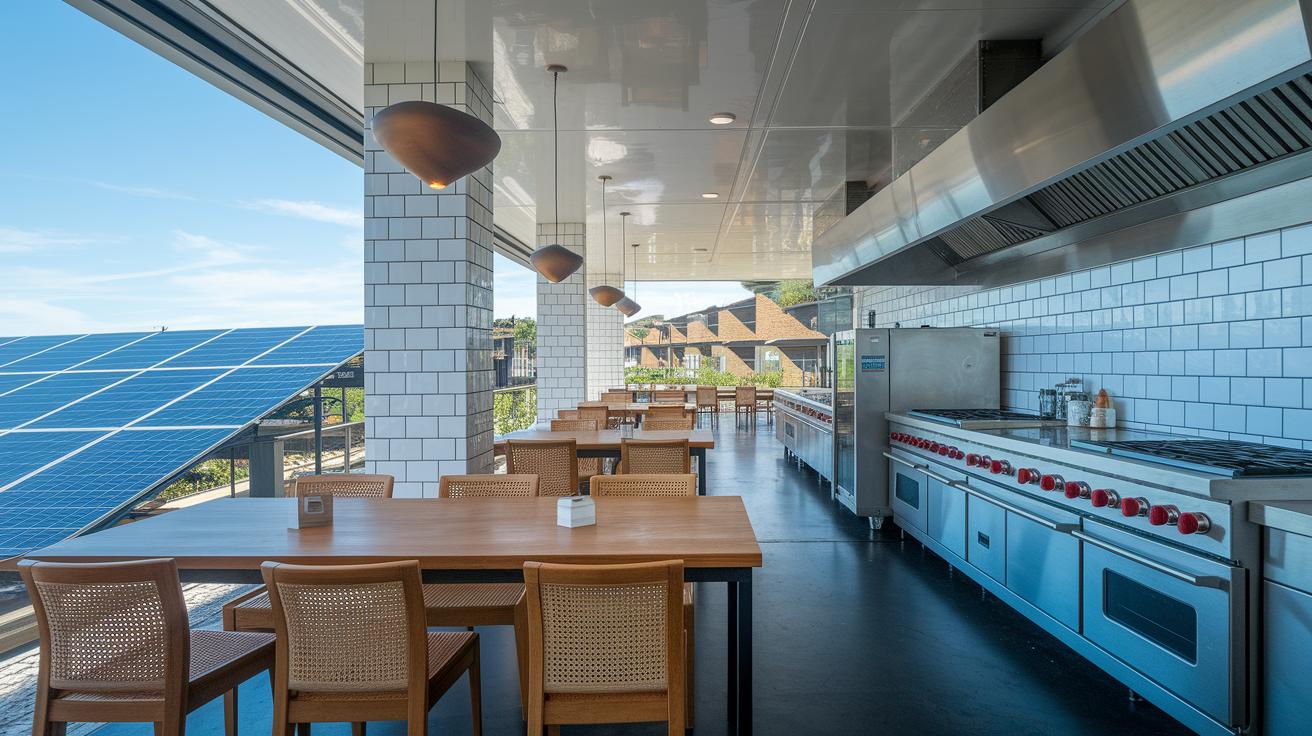
More restaurants are embracing renewable energy to slash costs and lower their carbon footprint. Many kitchens now run on power from solar panels and wind turbines, and they switch to energy-saving lights and climate control systems. This change saves money and shows diners the restaurant cares about the environment.
Chefs are also upgrading their kitchen equipment with models that use less energy. New ovens, refrigerators, and dishwashers not only cut utility bills but also reduce wasted heat. These modern appliances keep kitchens running smoothly while lowering energy use.
Many restaurants are rethinking transportation to save more on carbon emissions. They now use electric vehicles and low-emission fleets for getting ingredients and delivering meals. Partnering with local suppliers and grouping deliveries helps cut travel distances and reduce food miles. This strategy makes the dining experience greener for everyone.
2023 trends in sustainable restaurant menus radiate promise
Restaurants are ditching paper menus and embracing digital tools. Digital menus help cut paper waste, lower labor costs, and let chefs update the list right away. With a quick scan of a QR code, diners see the current offerings without any delay. When ingredients run low or prices change, chefs can instantly swap out items or update seasonal specials.
Digital ordering systems also bring valuable customer insights. These tools use smart analytics (data that predicts trends) to help chefs plan better and reduce waste. For instance, if a dish suddenly becomes popular, restaurants can quickly adjust orders to meet demand while keeping excess stock at bay.
Future outlook and actionable steps for 2023 sustainable restaurant menus
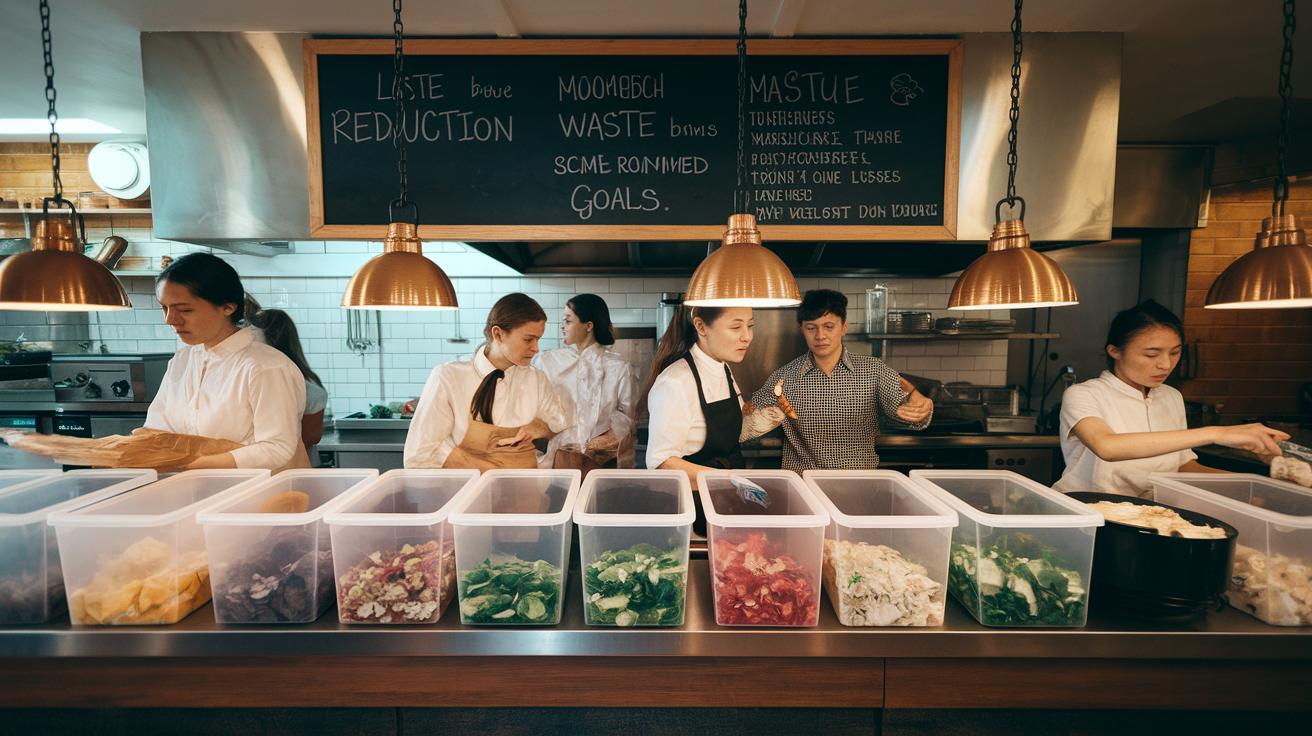
Restaurants can make quick improvements by adjusting portion sizes and tracking waste. These simple actions help cut costs and run operations more smoothly while setting up a strong base for greener menus.
After these early wins, operators should turn their focus to long-term goals like reaching carbon neutrality and using circular-economy methods (where waste is reused or recycled). Tools such as predictive analytics help plan ingredient orders and reduce waste, keeping restaurants competitive while caring for the environment.
Improving a restaurant's reputation is also key. Earning badges like B Corp or Green Globe shows diners a real commitment to green practices in supply chain management and kitchen techniques. These credentials build trust and position restaurants for lasting success in the evolving world of sustainability.
Final Words
In the action, restaurants are embracing eco-friendly methods that mix local, seasonal ingredients with cost-saving waste reduction tactics. Digital updates like QR code menus and biodegradable packaging boost efficiency and curb waste. Energy-smart kitchen upgrades and plant-based protein options spotlight 2023 trends in sustainable restaurant menus. These shifts prove practical and positive, offering valuable insights for both everyday diners and industry insiders while paving the way for a greener, more resilient food scene.
FAQ
Q: What are the key trends in sustainable restaurant menus for 2023 in the USA and in related PDFs?
A: The 2023 trends in sustainable restaurant menus focus on eco-friendly ingredients, local seasonal sourcing, waste reduction, and digital innovations like QR code menus. PDFs offer detailed insights on these eco initiatives across the USA.
Q: What restaurant and culinary trends are expected in 2025?
A: The restaurant menu trends in 2025 center on plant-based proteins, waste reduction practices, and green initiatives. Culinary trends also include biodegradable packaging, renewable kitchen upgrades, and dynamic digital ordering systems.
Q: How are restaurant food trends and culinary forecasts shaping 2024?
A: The 2024 restaurant food trends emphasize eco-conscious practices with plant-forward menus and effective waste management, while culinary forecasts highlight local sourcing, alternative proteins, and digital menu integrations for improved dining experiences.