

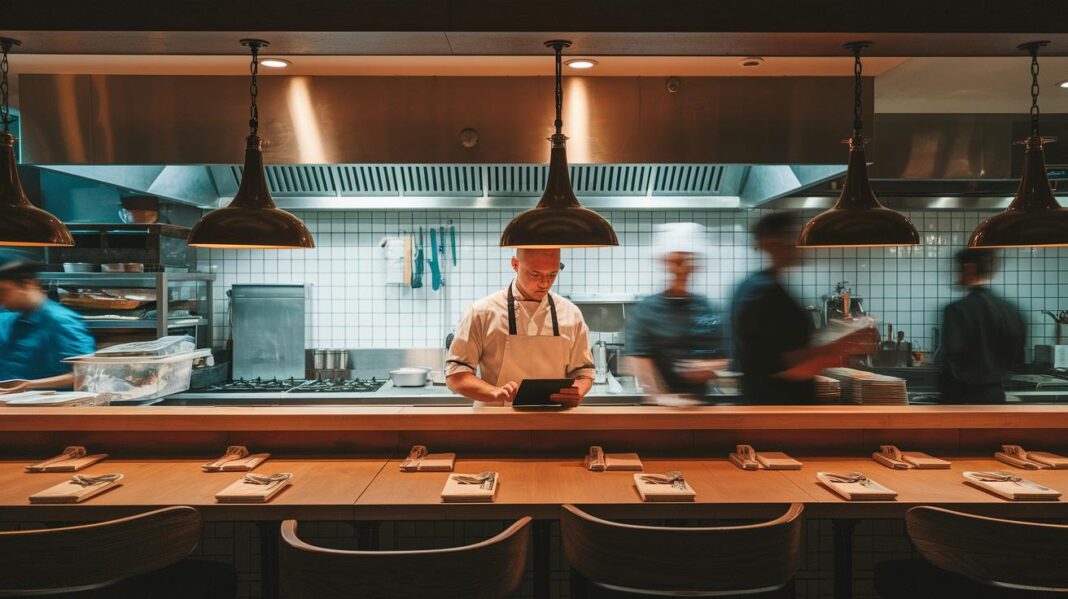

Ever wondered if high-tech tools can boost restaurant sales? Today’s restaurants use digital systems to speed up orders and cut down on mistakes. Mobile ordering, self-service kiosks, and contactless payments give busy kitchens a much-needed break. This lets staff focus on guests and creates a smoother dining experience. In turn, happier diners lead to higher profits. Smart technology changes make service more efficient and boost sales.
How Digital Transformation in Restaurant Operations Boosts Efficiency and Enhances Guest Experience
Digital transformation brings smart tools that simplify restaurant jobs and improve how diners experience the meal. Using mobile ordering, self-service kiosks, and contactless payment systems cuts down on mistakes, speeds up order times, and lets staff concentrate on what really matters, serving guests. The result is faster service and a smoother dining experience for everyone involved.
Restaurants also put a big focus on enhancing guest satisfaction. Tools like predictive analytics (using data to forecast customer choices) and digital ordering systems help adjust menus to fit diner tastes while ensuring orders are accurate and quick. These improvements build trust in the quality of the food and service. The trend toward digital methods is clear in today's food industry.
- Orders become up to 15% more accurate in fast-casual and drive-thru settings.
- Fewer human errors free up staff to engage directly with guests.
- Dynamic pricing and targeted upselling can boost revenue by 8-12%.
- QR code ordering and mobile apps can cut service time by as much as 30%.
- Different digital tools combine into one seamless system.
- Real-time data tracking enhances overall restaurant efficiency.
These changes lead to better return on investment and stronger customer loyalty. By using digital tools to streamline operations and personalize the dining experience, restaurants get orders out faster and earn higher satisfaction scores. The investment not only saves money right away but also builds long-lasting guest trust, linking smooth operations to an enhanced overall customer experience.
Digital Transformation Case Studies in Restaurant Operations

Case studies show how digital tools can change the way restaurants work. They provide clear insights into the benefits of combining technology with daily operations. Real examples help restaurants see how tools like data tracking and modern systems can make work smoother and boost sales.
Domino’s, for example, uses an AI order tracking system along with the Pinpoint Delivery method. This upgrade cut delivery errors by 20% and helped speed up service. Panera Bread uses prediction tools to offer meal suggestions and has reduced prep-time variability by 18%. Both cases underline how smart tech choices make a real difference in efficiency and profit.
Starbucks is also advancing its services with digital upgrades. Its Deep Brew AI engine personalizes mobile orders, leading to a 7% increase in average order size. These examples show that a focus on digital transformation not only raises revenue but also builds customer loyalty through a more tailored dining experience.
Key Technologies Powering Digital Transformation in Restaurant Operations
Digital change is fueling strong sales growth by weaving smart technology into every part of restaurant operations. Today’s systems tie together orders, stock, and customer details on one simple dashboard so owners can see performance at a glance. For example, using QR codes and mobile apps in the dining area can boost service speed and lower table turnover by up to 25%. Meanwhile, behind the scenes, tools like Kitchen Display Screens and connected appliances help keep dishes consistent and cut waste by about 12%. By linking data with smart point-of-sale tools and cloud-based ordering, restaurants can serve faster, get orders right, and grow revenue.
Front-of-House Innovations
- QR ordering
- Tablet ordering
- Mobile apps for orders
- Reservation technology
- Self-checkout kiosks
Back-of-House Systems
- Kitchen Display Screens (KDS)
- Automated inventory tools
- Smart ovens
- Voice-enabled ordering
- Predictive maintenance
| Technology | Deployment Area | Key Benefit |
|---|---|---|
| Unified POS | Overall Operations | Connects orders, stock, and customer management in one system |
| QR Ordering | Front-of-House | Speeds up service and cuts wait times |
| Mobile Apps | Front-of-House | Makes menus and ordering easier for guests |
| KDS | Back-of-House | Enhances kitchen workflow and order accuracy |
| Inventory Automation | Back-of-House | Reduces waste while keeping stock in check |
| Contactless Payment | Front-of-House | Improves guest satisfaction with faster checkouts |
Best Practices for Implementing Digital Transformation in Restaurant Operations

Restaurants aiming to modernize should begin with a clear, step-by-step plan. Start by setting simple goals, a realistic budget, and tracking key results with pilot programs. These initial tests help you find any issues early. For example, a well-planned test can reveal how linking your point-of-sale system, online orders, and inventory eliminates data gaps. In fact, such tests can lower integration problems by up to 20%, giving you time to adjust before going full scale.
Next, it is important to get both your team and your technology partners on board. Offer easy online lessons and hands-on workshops to help employees learn the new systems quickly. Use clear guides with step-by-step instructions and live support for any hiccups. At the same time, work closely with technology providers who update systems regularly. This approach makes sure your team feels confident and that any challenges are quickly solved with expert advice.
Finally, make sure all your digital systems work together smoothly. Connect everything from front-of-house ordering to back-of-house inventory tracking to create one clear view of your operations. This setup reduces mistakes and speeds up order processing, leading to faster service and happier customers. Not only does this method streamline your work today, but it also sets you up for growth as technology evolves.
Measuring ROI and KPIs in Digital Transformation for Restaurant Operations
Restaurants today are embracing digital upgrades that make a big difference. Managers track simple numbers like how fast orders are processed, how quickly tables are cleared, the average check size, and even how much a customer is worth over time. Many restaurants have sliced order times by 10% and boosted revenue by 8% after making these changes. Real-time dashboards and regular reviews help teams see what’s working and guide future improvements.
Key Performance Indicators
Simple numbers tell the story. Metrics such as order processing speed, table turnover, average check size, and customer lifetime value show how smoothly a restaurant is running. These figures also reveal if staff are using new systems effectively, helping pinpoint success and opportunities for growth.
Reporting Tools
Digital dashboards serve as a quick look into the restaurant’s performance. Managers can spot trends and adjust tactics in real time. Regular quarterly checks keep the digital tools aligned with business goals, leading to better service, higher sales, and happier diners.
Overcoming Challenges in Digital Transformation in Restaurant Operations

Tech Selection: Choosing the right software can feel overwhelming with so many options. Restaurants benefit from setting clear criteria and inviting vendors to demonstrate their tools. This way, you compare features and pricing effectively while ensuring the software fits daily tasks and long-term digital plans.
Training: High turnover means continuous training is key. Simple e-learning modules and hands-on sessions help staff learn new systems quickly. Investing in clear, easy-to-follow training cuts mistakes and speeds up tech adoption. Regular refreshers keep everyone updated, no matter who joins the team.
Security: With rules like GDPR (European data rules), CCPA (California privacy law) and PCI-DSS (credit-card security standards), strong cybersecurity is a must. Regular audits and clear data protection plans make sure everything meets these standards. External reviews and platforms with advanced security features can guide safe data management.
Updates: Frequent updates need smart scheduling to avoid service disruptions. Using effective scheduling and management tools helps plan around updates seamlessly. Keeping systems current ensures smoother operations, reduces downtime, and maintains secure digital channels.
Future Trends in Digital Transformation in Restaurant Operations
Voice ordering is gaining popularity as restaurants look for quick and reliable service. By 2025, about 40% of fast-food spots are expected to use voice technology (tools that let customers place orders by speaking) to speed up the process. Imagine a guest simply saying, "I’d like a burger with no pickles," and the order is accurately processed in seconds. This approach not only quickens service but also reduces mistakes, helping restaurants meet every customer's expectations.
Augmented reality menus and virtual previews are changing how diners choose their meals. With AR menus, customers see a vivid display of dishes before ordering, which could boost add-on sales by around 15%. Picture a guest scrolling through a digital menu that shows a sizzling steak or a colorful salad right on their screen. This lively experience captures interest and helps diners make decisions, encouraging them to try special items that raise the restaurant's revenue.
Robotic helpers and AI chatbots are also transforming how restaurants work behind the scenes. Using Robotics-as-a-Service (systems where robots assist with food prep and service) might lower labor costs by about 12%, and AI chatbots handling reservations and feedback could reduce front-of-house work by 20%. These smart tools allow staff to focus on giving guests personal attention, which leads to a smoother dining experience and encourages customers to return.
Final Words
In the action, the blog covered how digital transformation in restaurant operations raises efficiency and boosts guest satisfaction. It walked through smart tech benefits, case studies from familiar brands, and practical implementation advice. The discussion explained how modern contactless payment and mobile ordering platforms reduce errors and speed service, while key performance data shows real wins. These insights pave the way for smarter decisions and improved service quality. The future looks bright as food professionals and restaurateurs gain tools to serve their guests even better.
FAQ
Q: What does a digital transformation in restaurant operations PDF cover?
A: A digital transformation in restaurant operations PDF explains how smart tech—like contactless payments and QR code ordering—improves order accuracy, speeds service, and elevates customer experience.
Q: What underscores the importance of digital transformation in restaurant operations?
A: The importance of digital transformation in restaurant operations lies in reducing errors and wait times while increasing order accuracy and guest satisfaction through tools like mobile ordering and smart POS systems.
Q: What are examples of digital transformation in restaurant operations?
A: Digital transformation examples include AI-driven order tracking, contactless payment methods, and self-service kiosks, all of which optimize staff deployment and enhance the overall guest experience.
Q: What does digital transformation in the restaurant industry involve?
A: Digital transformation in the restaurant industry means adopting technology—from cloud-based ordering systems to data analytics—to streamline processes, boost revenue, and improve customer engagement.
Q: How do current developments impact the restaurant industry’s digital transformation?
A: Current developments, such as voice ordering and robotics, drive operational gains and customer loyalty by reducing wait times and offering personalized services, leading to measurable revenue improvements.