


Have you ever noticed how a snack pack can make your day just a bit brighter? Today, brands are changing the way they package snacks to fit our busy, on-the-go lives. They are using resealable pouches that keep treats fresh and smart labels that show if your snack is still good to eat. These updates do more than look nice. They add convenience, help the planet (sustainability), and bring a touch of modern style to each bite. In this post, you will discover 7 fresh trends that are transforming snacks and making every munch a little extra special.
Key Innovative Snack Packaging Trends Shaping the Snack Market
The snack market is moving away from full meals to easy, on-the-go bites. Brands are updating their packaging to meet new habits, with convenience leading the way. About 82% of shoppers look for ease, and 40% say it is a top reason when picking a snack. For instance, resealable, lightweight pouches make a quick snack hassle-free while looking fresh on the shelf.
Sustainability is a top priority too. Many consumers (82%) are willing to spend a bit more for eco-friendly options. In response, brands are using new methods with compostable films and recyclable, single-material designs. These changes cut down on extra layers and processing steps, making the packaging safer and easier to recycle. This approach not only helps the environment but also builds trust with clean, honest labeling.
Smart packaging is also making a big impact. Experts predict the U.S. smart food packaging market will hit $2.6 billion within the next decade. This growth comes from using sensors, QR codes, and digital freshness tags that help reduce food waste. With over 70% of U.S. consumers focusing on health and 61% linking good diets with long-term wellness, these innovative packages combine technology, green methods, and ease to meet today’s demands.
Sustainable and Eco-Conscious Innovations in Snack Packaging Trends

Leading snack brands are moving to eco-friendly packaging by choosing certified compostable films and recyclable paper over complicated multi-material designs. They favor single-material wraps that are easier to recycle and simplify production. Some companies now add clear windows made from bio-based polymers so shoppers can see the natural ingredients inside. One major brand even helped its compostable pouch go from a small niche idea to mainstream in under 18 months, showing that consumers are ready for green snack packs.
Using recyclable design methods is more than a trend, it is quickly becoming a must for brands that want to meet changing customer expectations. By cutting down on materials and layers, companies can make production simpler and boost both the look on the shelf and the eco-friendly appeal. These improvements also help manage resources better and reduce waste.
Key innovations in eco-friendly packaging include:
- Certified compostable film pouches
- Recyclable paperboard wrappers
- Single-material (monomaterial) polypropylene bags
- Bio-based polymer windows
- Energy-efficient sealing machinery
These sustainable packaging solutions highlight the industry's strong drive toward environmental responsibility, as talked about on food sustainability.
Smart and Sensor-Enabled Innovations in Snack Packaging Trends
New snack packaging uses smart ideas that combine sensor-enabled labels with innovative wrapping. These packages mix digital freshness indicators, QR codes, NFC sensors (a way for devices to talk to each other), and oxygen scavengers to keep snacks fresher. For example, the digital freshness indicator may change color when the snack is not at its best, helping to cut food waste by 15%.
This technology connects snacks to the Internet of Things (IoT), which means you can trace a snack’s journey from when it is made to when you buy it. The wrap may even show interactive details about the snack. In addition, NFC sensors and oxygen scavengers work together to draw you in and keep the snack fresh for a longer time.
| Feature | Function | Benefit |
|---|---|---|
| QR Codes | Traceability | Brand transparency |
| Oxygen Scavengers | Freshness | Extended shelf life |
| NFC Sensors | Interactive content | Engagement |
| Digital Indicators | Spoilage alerts | Waste reduction |
Experts predict that the U.S. smart food packaging market will reach $2.6 billion by 2033. This shows that sensor-powered packaging not only boosts quality and safety but also improves supply chain efficiency and builds trust with consumers.
Convenience and Portability Innovations in Snack Packaging Trends
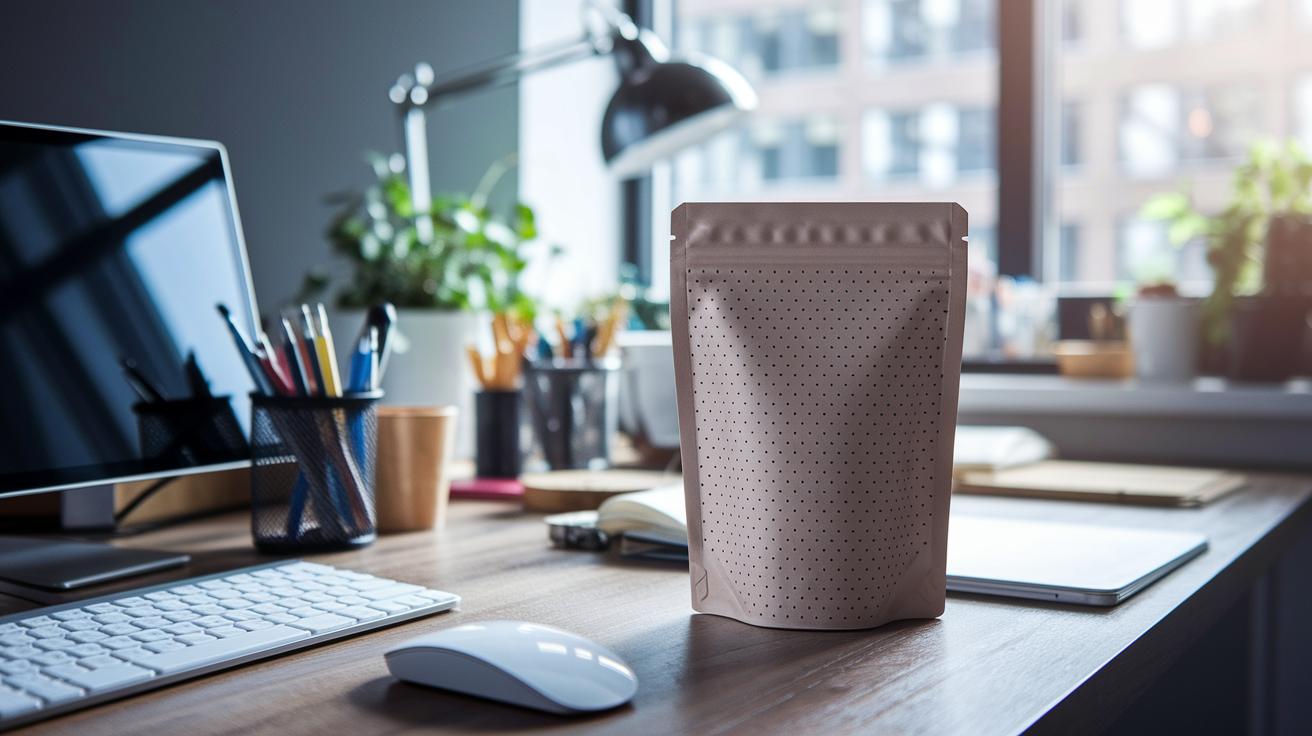
Stand-up pouches with resealable zippers are a hit with people on the move. New tweaks in design add smart features that make snacking even easier. For example, advanced portion-control now uses tiny perforations to give you just the right amount every time. Designers have also improved the pouch shape by adding grip-friendly features so you can handle them easily even during a busy day. Plus, the new lightweight films are built to last, while their smooth texture makes opening a snap.
Imagine a pouch that comes with an integrated dispenser giving you a perfectly measured serving every time. It’s designed to help you grab a wholesome snack quickly and effortlessly.
| Feature |
|---|
| Resealable zippers |
| Portion-control using tiny perforations |
| Ergonomic design with enhanced grip |
| Durable yet lightweight films |
| Easy tear-notch openings |
Design and Brand-Centric Innovations in Snack Packaging Trends
Digital printing now makes it easy to add personal messages to snack packages. For example, a package might show custom art that speaks directly to your taste, making each one feel special. This new approach turns a simple container into a brand statement and can boost social media engagement by 20%.
See-through windows let shoppers see the real ingredients before buying. This clear design builds trust because you know exactly what you're getting.
Fun features like pop-in panels and pull-tabs offer an interactive unboxing experience. Picture a wrapper that unfolds like a small storybook, drawing you into the brand with every peel. These creative touches turn a quick snack into a little celebration.
Bright, bold visuals also help snacks stand out on busy shelves. Unique wrappers that mix engaging graphics with digital printing showcase the snack's quality and boost the brand image. These innovative ideas do more than just hold the snack, they create a full experience that delights customers time and again.
Future and Next-Generation Innovations in Snack Packaging Trends
The snack packaging industry is moving fast. Companies are trying new methods like rapid prototyping, edible container designs, and robotics in assembly. Some brands are even testing seaweed bowls and edible wrappers to completely cut out waste. This approach not only reduces waste but also turns eating into a fun, eco-friendly experience. One company has already led the way with an edible packaging plan that supports zero waste efforts. More details can be found at https://matpple.com?p=168.
Robotics and automation are also on the rise. These systems have cut production costs by 25% and improved manufacturing accuracy. Rapid design prototyping, which reduces development time by 50%, helps brands test new ideas quickly. This faster turnaround allows companies to meet market demands and stay competitive. The organic healthy snack packaging market was valued at $3.97 billion in North America in 2022 and is set to reach $5.48 billion by 2032.
Next-generation wrap designs mix modern trends with new technology. These advances create unique container shapes and tough materials that enhance a brand’s story. In this way, companies are offering more than just snacks. They provide lively, engaging packaging that appeals to eco-conscious and tech-savvy customers.
Final Words
In the action of reshaping the snacking experience, our discussion covered sustainability, smart sensor integration, and convenience-driven packaging solutions. Each section highlighted how modern food packet styles are meeting changing consumer needs while offering reliable product benefits and appealing visuals. Data shows that 82% of consumers value eco-friendly and innovative snack packaging trends. Clearly, these trends are setting the stage for a brighter, more efficient future in food handling. With advancements driving smarter choices, the snack market looks set for exciting days ahead.
FAQ
What innovative snack packaging trends are reshaping the market?
The innovative snack packaging trends include sustainable materials, smart sensor features, convenient designs, and eye‐catching branding. These developments enhance consumer trust and drive market growth through efficiency and appeal.
How are sustainable innovations influencing snack packaging?
Sustainable packaging now uses compostable films, recyclable paperboard, and monomaterial designs, reducing waste and production complexity. Such eco‐friendly approaches also trigger consumer preference and premium pricing.
What smart technologies are used in snack packaging trends?
Smart packaging incorporates QR codes, NFC sensors, oxygen scavengers, and digital freshness indicators. These features extend shelf life, signal spoilage, and improve traceability and consumer engagement.
How do convenience features enhance snack packaging?
Convenience‐driven designs feature resealable zippers, portion‐controlled sachets, ergonomic pouches, and tear‐notch openings. These innovations meet consumer demands for portability and reduce shipping weight while boosting shelf appeal.
How does design and branding factor into snack packaging innovation?
Design innovations use high‐resolution digital prints, interactive panels, and see‐through windows that showcase natural ingredients, turning packaging into a storytelling tool that heightens brand engagement and loyalty.
What next-generation innovations define the future of snack packaging?
Future trends include edible packaging, robotics-enabled assembly, and rapid prototyping. These advances reduce costs, speed up iterations, and align with zero-waste goals, positioning brands to lead emerging market demands.