

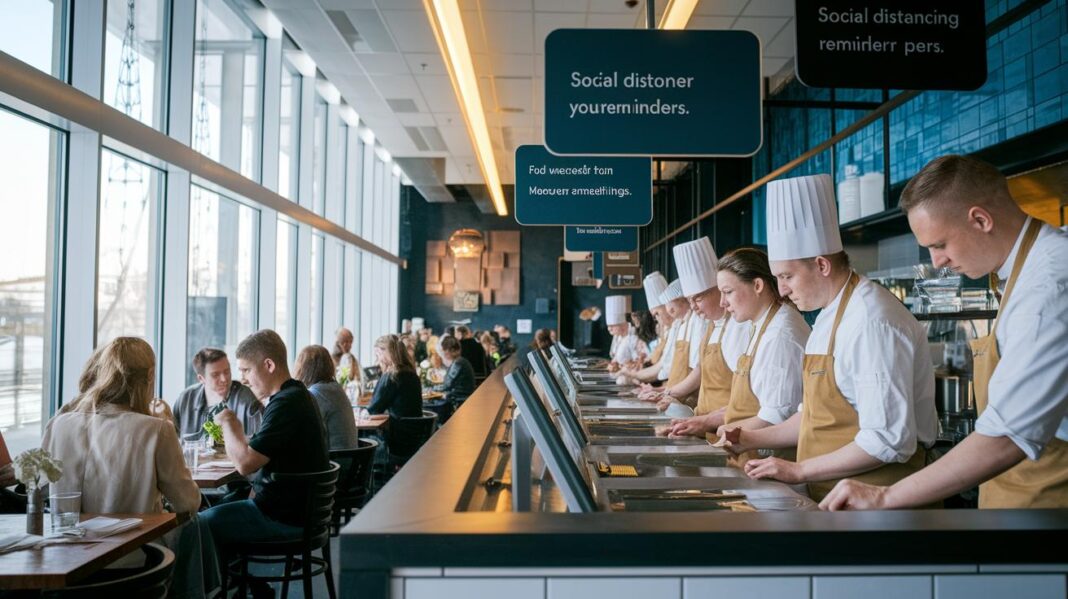

Ever wonder if your favorite restaurant can come back even stronger after a lockdown? Many are blending new technology with creative updates to serve safer and tastier meals. They now offer digital ordering, refreshed menus, and contactless service to meet today’s needs. These smart changes are turning challenges into fresh opportunities. In this article, we explore how these moves are reshaping the dining scene for the better.
Core Restaurant Reinvention Strategies Post Pandemic
Restaurants are making big changes after the pandemic by mixing smart digital ideas with hands-on improvements. For example, Chipotle created a digital-only, handcrafted quesadilla, and other spots are updating their packaging to keep food at the perfect temperature. These moves not only let customers order easily and dine safely but also answer growing tastes for balanced, organic meals.
A plan that touches every part of the business can really set a restaurant apart. Key strategy areas include:
- Digital transformation (online ordering, AI, kiosks)
- Menu redesign (nutrition focus, flexible options, digital menus)
- Safety protocols (extra sanitization, contactless service)
- Service delivery innovation (ghost kitchens, mixed-use models)
- Marketing and brand refresh (loyalty programs, social media)
Using tech in everyday tasks, like QR-code menus and AI-powered ordering systems, helps restaurants run faster and smoother. At the same time, updating menus and keeping quality high means meals look and taste great whether you dine in or order off-premise. These changes meet higher customer standards for cleanliness and flavor while also keeping up with trends like contactless ordering and drive-through service.
Overall, these strategies give eateries a clear path to turn challenges into fresh opportunities. With strong moves in digital tools, tasty menu updates, and improved safety measures, restaurants are on track to win loyal customers and flourish as the dining scene bounces back.
Digital Upgrades for Eateries to Boost Post COVID Efficiency

Tech investments have changed the way restaurants run today. Many spots now use online ordering systems powered by AI, letting customers pay and get deliveries without any physical contact. Chipotle even introduced a digital-only quesadilla to cut wait times and save on labor costs. By adding mobile features like QR code menus, restaurants reduce paper waste and let guests easily check out their choices on smartphones. Self-service kiosks allow diners to place orders on their own, keeping things simple and accurate.
These digital tools help restaurants manage more orders without overwhelming staff. They also let eateries quickly adjust to new customer needs in our post-pandemic world. With faster service and better order accuracy, these upgrades make for a smoother experience overall. The table below shows a few key upgrade types along with their details and benefits.
| Upgrade Type | Description | Key Benefit |
|---|---|---|
| Online Ordering Technology | AI-powered systems for contactless ordering and payment | Speedier service and lower labor costs |
| QR-Based Digital Menus | Menus accessed on smartphones instead of paper | Easier updates and better hygiene |
| Self-Service Kiosks | Touchscreen stations that let guests order on their own | Fewer mistakes and improved efficiency |
Menu Redesign Techniques for Adaptive Culinary Revitalization
Restaurants are updating their menus to match changing tastes. Diners now look for balanced nutrition, organic ingredients, and dishes that support their wellness goals. Many places are turning to modular plates that work just as well for dine-in or delivery. This keeps meals fresh, attractive, and safe. One clear example is digital menus that let guests scan to order and quickly see nutritional information and where ingredients come from.
How the menu looks matters a lot. Restaurants are now using clear categories and bright photos to showcase their new dishes. For simple guidance, check out the principles at matpple.com?p=231. These well-designed digital menus not only modernize the dining experience but also cut printing costs and cut down on paper waste, which helps the environment.
Restaurants are also trying out practical ideas like asking for customer feedback, tweaking portion sizes, updating dish descriptions, and adding eye-catching visuals. These steps let them continuously fine-tune the menu as guest preferences change. By pairing balanced recipes with a smart digital setup, restaurants ensure meals are both nutritious and simple to order, setting the stage for a strong, post-pandemic dining experience.
Elevated Sanitation Measures and Safety Protocols in Dining

Restaurants are working hard to earn your trust by improving their cleaning routines to meet new guidelines after the pandemic. They proudly show off their clean kitchen efforts so you know exactly how seriously they take hygiene. Every day, staff get quick health checks, and restaurants perform thorough cleaning of dining areas to make you feel safe. They use masks, gloves, and set up hand-sanitizer spots throughout the space. These methods follow basic food safety rules outlined in what is food safety (https://abuzzfood.com?p=108) to keep everything sparkling clean.
Key steps taken include:
| Step | Description |
|---|---|
| Daily Health Checks | Quick screenings for every employee |
| Deep Cleaning | Regular, thorough cleaning of dining and common areas |
| Mandatory PPE | Use of masks, gloves, and similar gear |
| Sanitizer Stations | Hand sanitizer placed at all entry and exit points |
| Single-Use Packaging | Minimizes the risk of contamination |
| UV Disinfection | Light-based cleaning in public zones |
These clear and simple steps help diners feel comfortable while they enjoy their meal. By following these proven practices, restaurants keep both health and service in top shape as we move forward together.
Innovative Service Delivery Methods and Hybrid Models
Restaurants are changing the way they serve guests to fit today’s needs. They combine the experience of eating in-house with flexible off-premise options like curbside pickup, drive-through lanes, and ghost kitchens (kitchens that operate without a traditional dining area). These new methods let them bring in money from different sources and give customers safe, contactless ways to get their food while keeping some of the familiar dining touches.
Many restaurants are also adding services like meal kits that feel like grocery store picks and teaming up on pop-up grocery ventures. This lets them move freshly made meals out of the dining room into people’s homes. By blending easy digital ordering with the trust of freshly cooked food, restaurants can keep earning money from loyal off-premise customers, even as dining habits change.
Mixing dine-in, takeout, and grocery-style retail means restaurants can keep up with shifting tastes and expectations. This flexible approach provides options for quick meals and pre-planned dinners, helping restaurants stay strong in a changing, post-pandemic world. In short, these new service methods not only boost growth but also build steady, long-term success.
Marketing Innovations and Brand Refresh Strategies for Food Venues
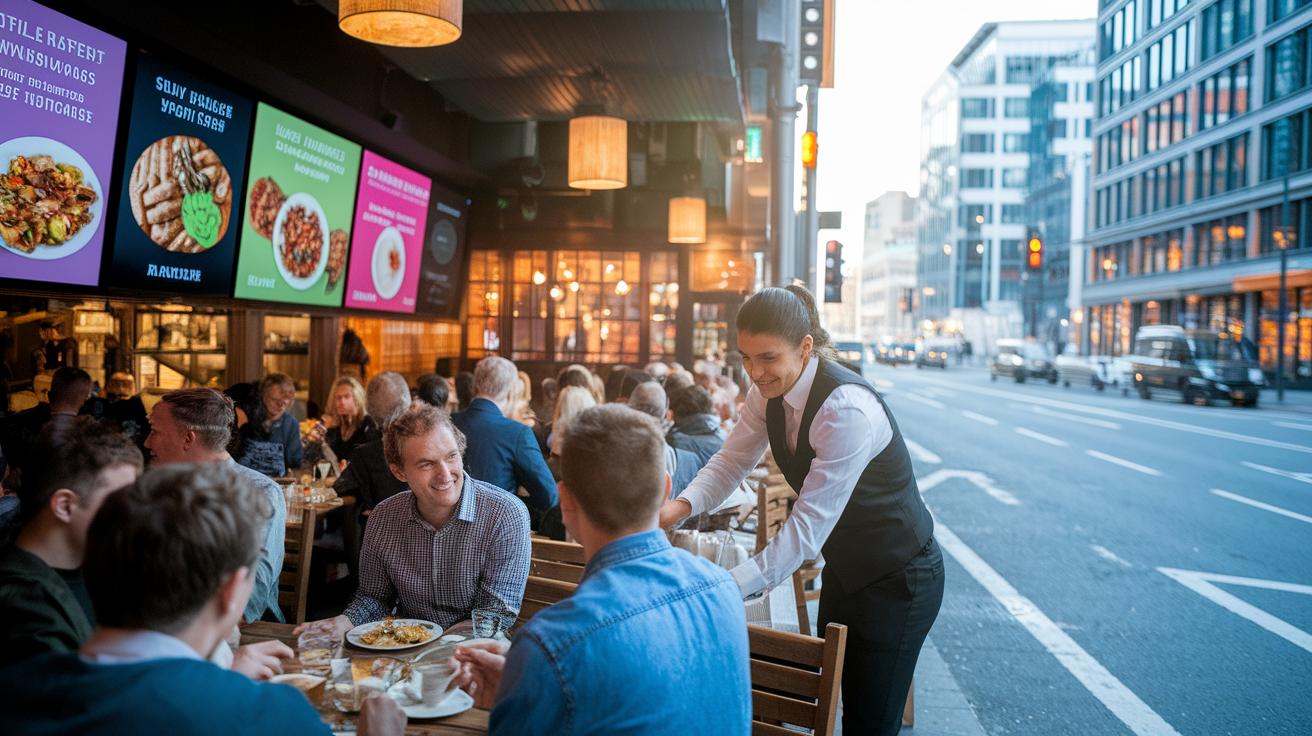
Restaurants are shifting how they reach out. They are using creative digital marketing to bring in more diners. Many use targeted email campaigns that show clear results, and they offer loyalty programs with tiered rewards for regular customers. Social media contests create buzz and build genuine connections. These moves help win back old guests and attract new ones who crave an authentic, lively dining experience.
Many eateries now mix traditional print ads with digital advertising to run smooth campaigns both online and offline. They update their image with bright visuals, fresh messaging, and smart micro-influencer partnerships (small-scale influencers who talk to local audiences). Fun contests and clever posts not only entertain but also offer useful feedback that sharpens each campaign. This combined approach makes every marketing dollar count by building trust and securing real returns.
Recent trends from food industry news show that these creative changes are working. Restaurants using a mix of strategies, from direct email outreach to fun social media challenges, enjoy better engagement and stronger brand loyalty. By refreshing their brand and message often, food venues can stand out in a busy market and reconnect with both loyal and new guests.
Case Studies: Exemplary Post Pandemic Restaurant Revitalizations
Chipotle embraced digital innovation with a virtual kitchen expansion. They introduced special menu items online that only show up on their digital platform. This move eased busy dine-in times and lowered costs. Their digital-only quesadilla has become a customer favorite, offering faster service and reaching a new crowd without a high investment. Industry insiders say this strategy has paid off and set a new trend for tech-led menu options.
A small bistro in a mid-sized city also reinvented its business by launching a ghost kitchen focused solely on delivery orders. With no dine-in service, the bistro tapped into a dedicated off-premise audience and avoided the high overhead of a full dining room. Meanwhile, a family-run café broadened its offerings by introducing grocery bundles. Customers can now pick up ready-to-eat meals with everyday staples. Managers observed that mixing creative food ideas with a retail edge helped generate extra revenue while keeping costs down.
A fine-dining venue took another creative turn by converting part of its seating area into an outdoor pavilion. This change met strict social distancing guidelines while offering a fresh, inviting dining experience. The improved ambiance and attentive service boosted guest satisfaction and led to a solid increase in in-house diners. Investors noted that reimagining the space helped the restaurant bounce back, even in challenging times.
Financial Planning and Cost Control Solutions for Sustainable Recovery
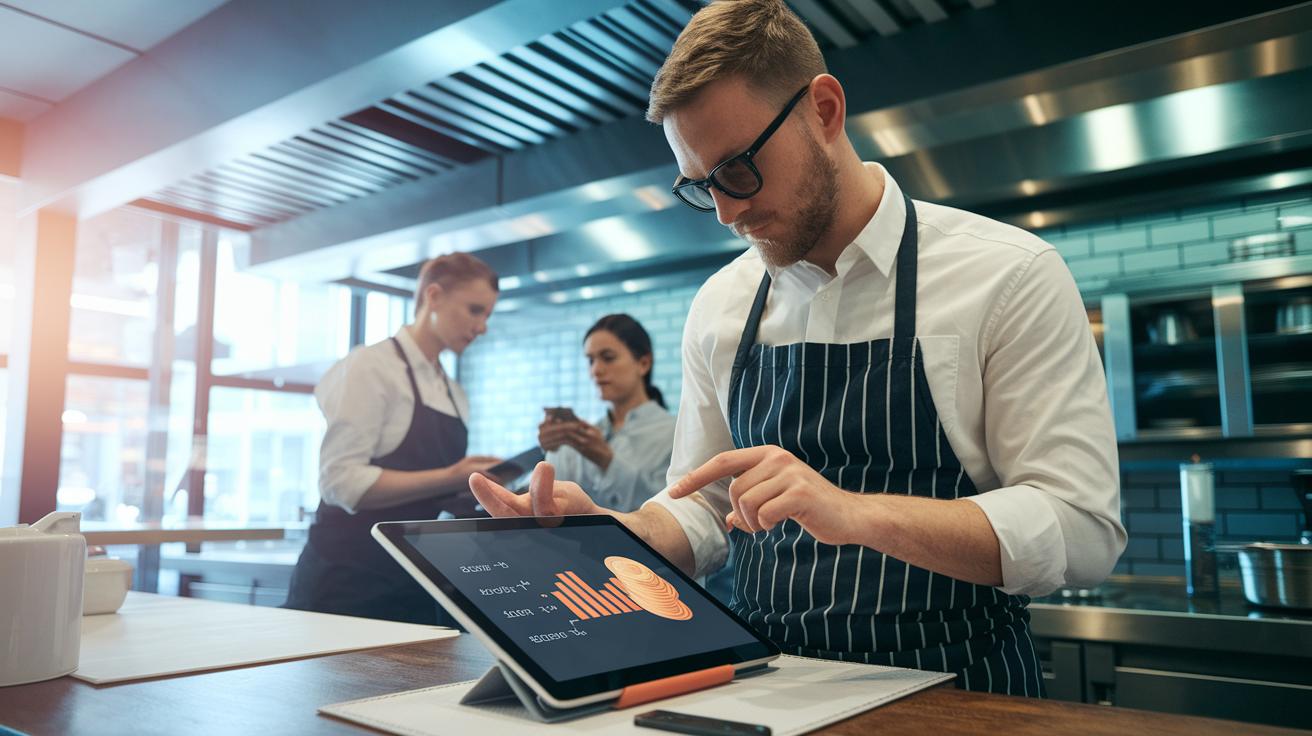
Restaurants aiming for a lasting recovery are using smart budgeting tactics to protect their profits while funding needed improvements. They focus on cutting costs carefully, which is just as important as driving revenue. By embracing cost control strategies, these eateries can use saved funds for new technology and enhancements that put customers first.
One simple approach is to subscribe to marketing services for $20 per month and take advantage of free growth assessments. Many restaurants are renegotiating supplier contracts to secure better prices and are using lean staffing models that cut waste. Some also train staff to handle multiple tasks, helping to manage labor costs without lowering service quality. In addition, dynamic pricing tools let restaurants update menu prices in real time to keep revenue stable as demand changes.
These expense-management methods help restaurants balance immediate savings with smart, long-term investments. By tracking their spending closely and using flexible budgets, dining venues can build a stronger financial future while staying competitive in a changing market.
Future Trends Shaping the Dining Industry Recovery Trajectory
Restaurants are shifting to include more local ingredients and wellness-focused menus. Chefs now work with nearby producers to create fresher meals that truly resonate with health-minded diners. Many spots add eco-friendly touches and natural materials to their decor, making the space feel warm and grounded. For more on local and green choices, check out resources like sustainable sourcing at https://matpple.com?p=269.
New dining trends are all about the experience. Many restaurants now host pop-up events and design spaces that blend indoor comfort with outdoor charm. Managers use real-time guest data to adjust staffing during busy hours and quieter times. This flexibility helps restaurants meet diner needs quickly while keeping the vibe modern and appealing.
Looking ahead, sustainability takes center stage. Experts say that cutting waste and saving energy will be key. By spotlighting fresh ingredients and smart energy practices, dining spots foster a closer connection between guests and the origin of their food. Blending eco-friendly operations with clever design and timely adjustments sets the stage for a dining future that honors both our environment and the modern consumer.
Final Words
In the action, restaurant reinvention strategies post pandemic have reshaped the way venues operate. Digital upgrades, agile menu redesign, elevated safety protocols, innovative service models and creative marketing all offer clear paths for recovery. These strategies empower eateries to meet evolving guest expectations while keeping operations efficient and appealing.
Practical solutions spur dynamic change. The future is bright, and every new tactic paves the way for a more connected and resilient dining experience.
FAQ
Q: What are the restaurant reinvention strategies post pandemic 2022?
A: The restaurant reinvention strategies post-pandemic involve digital upgrades, menu redesign, enhanced safety protocols, innovative service delivery, and refreshed marketing techniques to help eateries adapt and thrive.
Q: What is the impact of Covid on the restaurant industry?
A: The impact of Covid on the restaurant industry includes shifts in customer behavior, rapid adoption of digital solutions, and heightened health and safety measures, all driving significant operational changes.
Q: What challenges do restaurants face post COVID and how are they addressing them?
A: Restaurants post-COVID face challenges including managing off-premise demand, integrating digital ordering, and maintaining safety standards, with many adapting their menus, upgrading technology, and adjusting cost controls.