



Have you ever thought a small idea might change the way you eat? New food startups are proving that fresh plans and smart technology can spark big growth. Some brands started with just one market stall and now run multiple kitchens filled with bold, delicious flavors. In this post, we explore how thoughtful planning and real customer feedback can turn a simple idea into a thriving business. Get ready to check out success stories that show how passion and practical ideas are reshaping our dining experience.
food startup success stories: Inspiring Growth
Rebel Foods started in 2011 when founders Jaydeep Barman and Kallol Banerjee were overseas and needed affordable, clean, and tasty meals. They set out with the Faasos brand and decided to skip physical storefronts in favor of a digital delivery model. They built a system called Rebel OS to manage inventory, schedule workers, gather customer feedback, and predict demand (basically, keeping everything running smoothly). This smart approach allowed them to grow to over 450 cloud kitchens and more than 45 brands in several countries. By using real-time data and customer ratings, they fine-tuned menus and prices to make every order fast and reliable.
Poppi began its journey at a lively farmers market to tackle the founder's personal health challenges. Today, it has become a respected name in the specialty beverage world. Their story shows that a clear vision and a focus on customer needs can turn a small local idea into a thriving franchise.
Perfect Snacks made a strong impression at Expo West with its protein bars. Shoppers were drawn in, and the excitement translated into strong sales and boosted brand recognition. Their experience proves that exposure and product testing in a dynamic setting can help a startup grow.
These stories all highlight passion, smart technology, and the knack for adapting to market needs. They show that combining a rock-solid business model with creative ideas can help food startups grow from local ventures into global brands.
Strategic Lessons from Successful Culinary Entrepreneurship Narratives
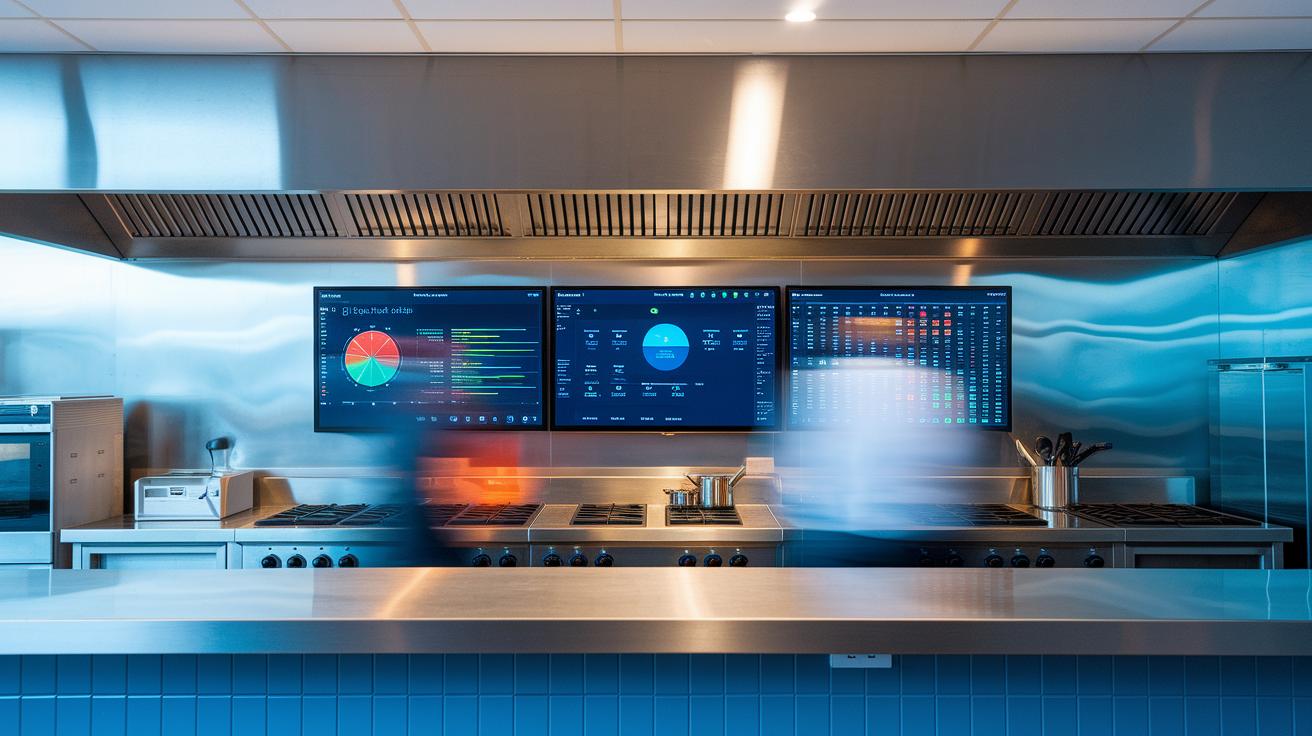
Rebel Foods proves that a solid system can transform a business. Rebel OS handles everything from tracking supplies to scheduling staff, reducing mistakes and speeding up orders. Data now guides decisions, helping refine menus and set prices that match what customers expect. For example, the switch from physical kitchens to cloud kitchens cut costs and boosted service speed.
Customer feedback is like tasting a dish until every spice is in place. Using real-time data within a cloud-based model lets food startups innovate quickly. This approach gives them the freedom to experiment and improve without being held back by traditional restaurant constraints.
Spotlight on Breakthrough Food Startup Achievements
Huy Fong Foods began as a small venture selling its homemade sauce from a van and now brings in $150M a year. It is hard to believe that the brand, known in almost every household today, started with a sauce made in a modest van. This story shows that simple beginnings can lead to amazing growth.
Love Good Fats filled a need for keto-friendly snacks when few options were available. With $36M in revenue and over $120M in total sales, their products are now found in more than 10,000 stores. Their success proves that clear, targeted ideas can meet growing demand and shift market trends.
Ka-Pop! Snacks is another rising star, generating $1.2M in revenue with a 300% annual growth rate. Their fast rise highlights how bold flavors and health-focused ingredients can quickly win over today’s diners.
Small Axe Peppers transformed a Bronx community garden project into a flourishing brand that earns $1.02M each year. Their journey shows how a business rooted in local values can create a strong market impact with unique, artisanal products.
Jaju Pierogi also grew from humble beginnings at local farmers markets. Now, they are sold in over 650 stores and earn around $960K annually. Imagine a simple roadside stand evolving into a retail empire, this is a true example of a brand making its mark by keeping its culinary heritage alive.
For more on growing food brands and industry trends, check out food industry news at https://abuzzfood.com?p=79.
Innovative Business Models in Modern Food Startups
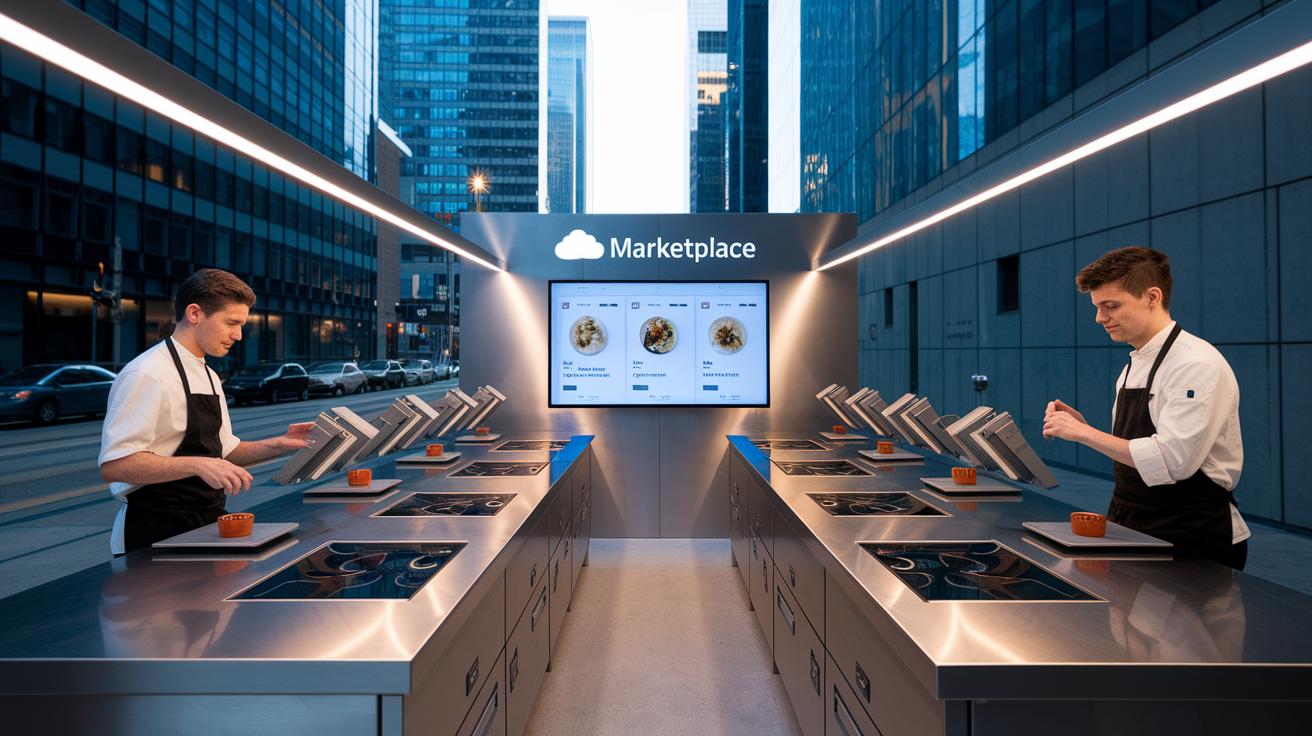
Cloud kitchens, digital marketplaces and subscription services are changing the way food startups launch and grow. These models let new businesses skip the heavy costs of a traditional storefront. Take Rebel Launcher, for example. This incubator uses cloud kitchens to keep capital expenses low, allowing brands to focus on perfecting their menus and engaging with customers rather than worrying about expensive rent and decor.
The Good to Go app is another smart idea. It connects local producers with consumers by turning extra fresh food into profit while cutting down waste. This approach not only finds a market for surplus produce but also creates a new revenue stream for small-scale farmers.
Torchy Tacos is a great example of evolving with the market. Starting out as a taco truck, they grew into a regional restaurant chain by earning a reputation for bold flavors and a creative, ever-changing menu. Their journey shows that a clear brand identity and flexible strategy can help a business stand out in a competitive arena.
Likewise, KÜiK Meal has introduced a subscription meal-box service that operates across Spain, France and Portugal. It targets diners who seek convenience and thoughtfully curated meal experiences, delivering a fresh assortment of local tastes straight to their doorsteps.
These examples prove that digital innovations and creative business strategies can lower startup barriers and drive rapid growth in the food industry.
Marketing and Funding Strategies Powering Food Startup Success
Successful food startups depend on fresh ideas in both funding and marketing to capture customer interest and spark growth. For example, Frag Out Flavor earned $1.5M in annual revenue by using direct-to-consumer channels that forge genuine connections. They ran social media campaigns that engage audiences and turn interest into sales.
ABS Protein Pancakes landed a spot on Shark Tank, which helped them secure $300K in revenue. The TV pitch reached a broader crowd and boosted trust among consumers. This moment shows that a well-timed media appearance can change a brand's outlook.
Urban Smokehouse raised $30K through Kickstarter pre-orders. This crowdfunding move not only brought in essential capital but also tested market demand. Early supporters played a big role in smoothing out production and distribution.
Peaceful Fruits mixed a Kickstarter drive with a TV pitch to grow its customer base. They reached out online with targeted messages and engaging media stories. This blend of modern funding ideas and creative marketing shows how a small brand can become a notable name in the food world.
Actionable Advice from Rising Food Startup Case Studies
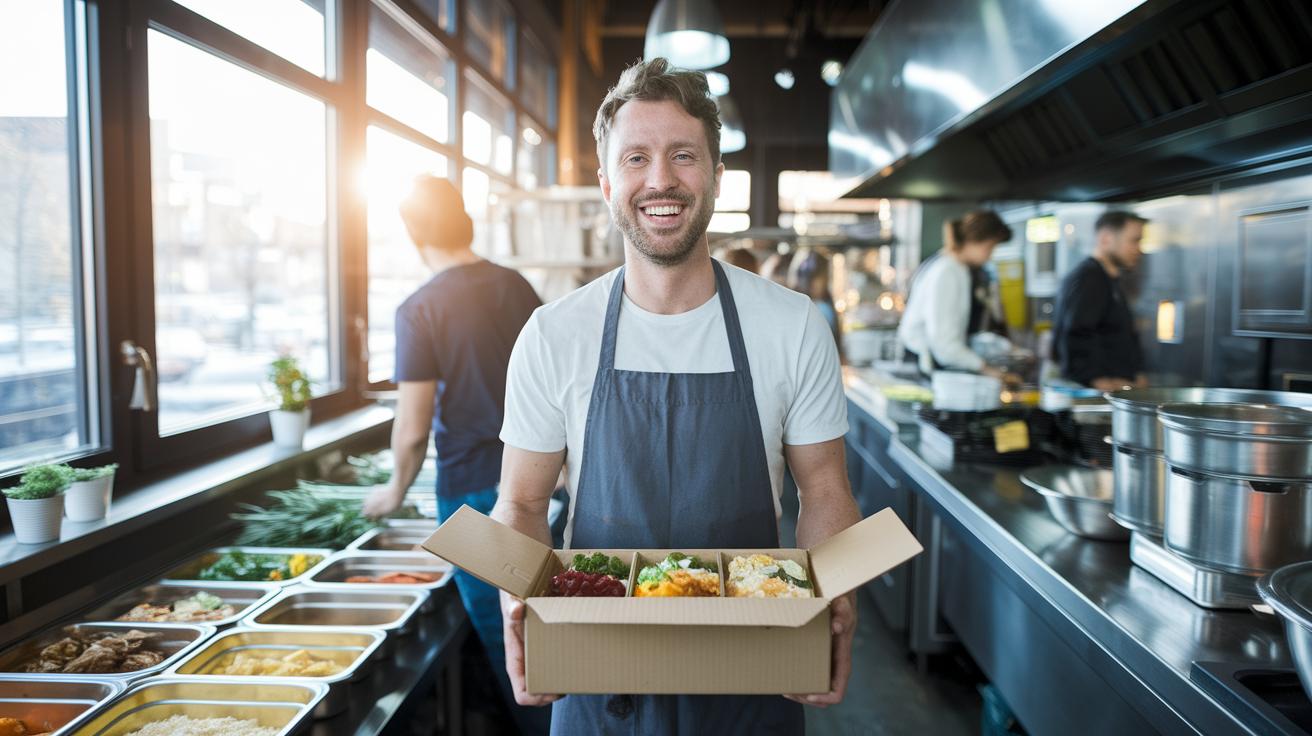
Turning challenges into wins is one proven path to success. During the 2008 financial downturn, the creator of Portable Chef lost his job. Instead of giving up, he put his skills to work and launched a meal delivery service that now serves 25,000 custom meals each year and brings in $744K in revenue. His story reminds us that changing your business model during hard times can spark exciting new growth.
Another smart move is to begin locally and then gradually grow. Jaju Pierogi got started by selling at farmers markets. Over time, they expanded to more than 650 specialty stores and reached nearly $960K in annual revenue. Their strategy shows how tapping into local networks and slowly building a wider reach can be a winning formula.
The House of Leaf & Bean is proof that sharing a personal story can drive business results. Their founder’s journey with IBS created a genuine bond with customers, with 80% of sales coming from drive-thru and in-store purchases, totaling $360K in revenue. This case shows how personal experiences can build trust and fuel growth.
- Quickly meet market needs with smart changes.
- Kick off in local areas and expand gradually.
- Share personal stories to build strong customer ties.
These startup case studies offer clear blueprints for overcoming obstacles and growing in a competitive food market.
Final Words
In the action, we traced inspiring food startup success stories from bold beginnings to major market wins.
We reviewed tales like Rebel Foods and Poppi and shared key lessons on innovative business models, smart funding, and effective marketing.
This snapshot highlighted practical advice for scaling operations and honing culinary entrepreneurship.
It leaves readers with useful insights from real cases and a fresh outlook on the industry.
Keep exploring these food startup success stories and let their achievements fuel your own ideas.