


Can a few smart clicks turn your small kitchen into a bustling business? Digital marketing helps food startups get noticed and drive sales. Platforms like Instagram and TikTok let you share mouthwatering recipes and behind-the-scenes moments that build trust with your fans.
With over 5 billion people on social media and 93% of customers starting their search online, using techniques like SEO (making your website easier to find), engaging emails, and smart ads can give your brand a major boost. This post explains simple, effective strategies to help your food startup grow.
Key Digital Marketing Strategies for Food Startups
Digital marketing helps food startups grow their brand and boost sales. Food businesses can share their stories on Instagram, Facebook, and TikTok (platforms that reach over 5.17 billion people). Attractive, food-focused posts build a friendly brand and earn customer trust. One way to catch attention is to start with an unexpected fact, like a local diner that turned its luck around by blogging daily fun recipes that hit home with the community.
SEO, or search engine optimization, is just as important. Around 93% of people begin their online journey with a search. Using smart keywords in your website text, metadata, and local listings can make your restaurant easier to find. Including location-specific keywords and keeping your business profiles updated can turn curious browsers into regular customers.
Email marketing is another key tool. It can bring a return on investment of 42:1 when you use segmented lists and personalized offers. Since 58% of web traffic comes from smartphones, making sure your emails and websites look great on any device is very important.
Paid ads and data insights let food startups track how well their campaigns work and change tactics quickly. By combining SEO, social media, email offers, and pay-per-click ads, culinary businesses can create digital marketing campaigns that drive growth and expand their market presence.
Innovation drives every modern food startup.
Social Networking in Digital Marketing for Gourmet Innovators
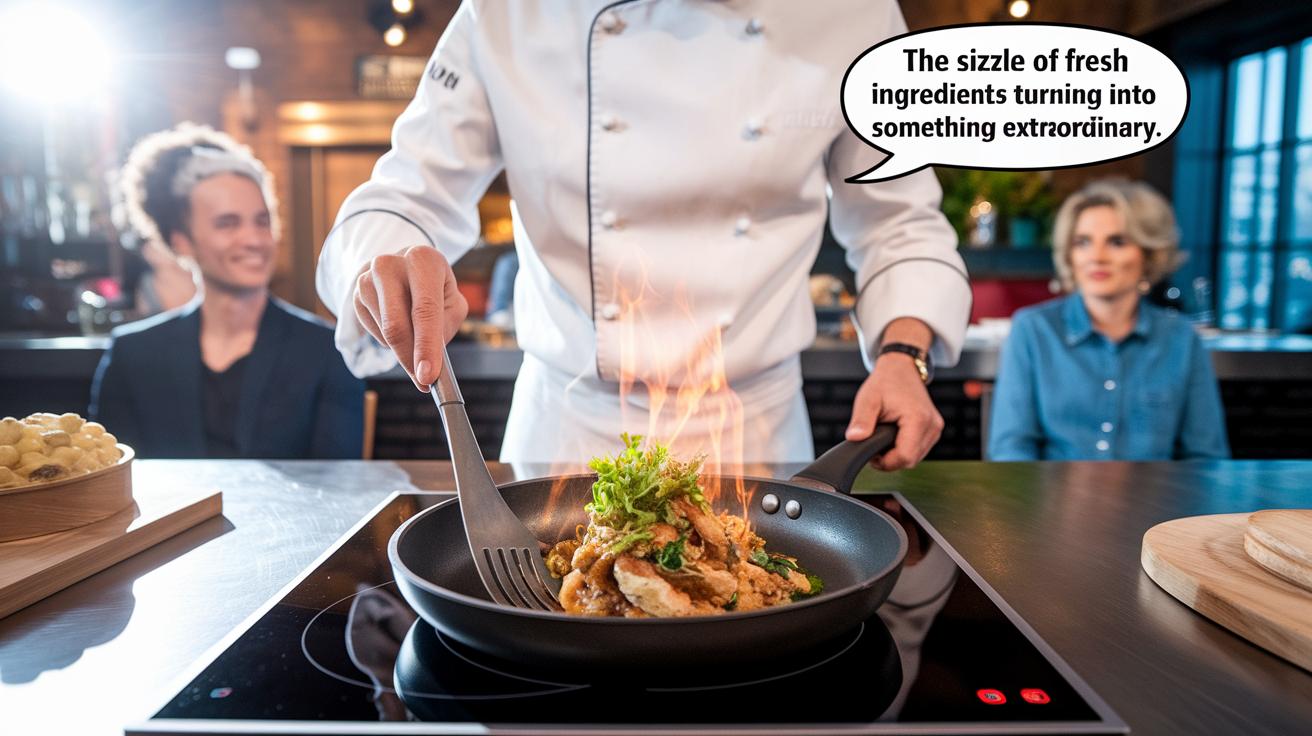
Social media storytelling builds a strong, friendly image. Food startups can share tasty photos and fun behind-the-scenes videos on Instagram, Facebook, and TikTok. Imagine a post showing a chef crafting a signature dish with a caption such as "The sizzle of fresh ingredients turning into something extraordinary" to spark interest.
Community engagement is key. Try hosting live cooking demos or Q&A sessions that invite followers to join the conversation. Sharing customer reviews and recipes also helps, especially since 84% of consumers trust recommendations from people like them.
Using ads across different platforms can boost your efforts. Run coordinated campaigns on multiple networks at the same time to reach more people. Link your content to popular trends, like trending TikTok food ideas, and use themed hashtags to tie your message together.
Live video sessions, real storytelling, and timely responses to comments help build lively digital communities. With content that stays true and engaging, you can turn viewers into fans and drive steady growth for your food startup.
Organic Search Optimization Strategies for Restaurant Entrepreneurs
Search engines account for 93% of all online activity. For food startups, appearing on page one is a must. That starts with on-page SEO, using the right keywords to describe your dishes and flavors in your website copy, headlines, meta tags, and image descriptions. Imagine including phrases like "gourmet burgers downtown" or "artisan pizzas [city name]" to catch the eye of local diners.
Building your site’s credibility outside your own pages is just as important. Off-page SEO means earning links from respected local food critics, bloggers, or community sites. These backlinks signal to search engines that your site is trustworthy, which can help boost your ranking.
Don’t forget local search. Bistro owners especially benefit from a well-optimized Google My Business profile. Make sure your contact information, hours, and menus are current. Use location-specific keywords to attract nearby diners, driving both foot traffic and online orders.
Key action steps include:
- Regularly researching and updating your targeted keywords.
- Keeping metadata and page content fresh.
- Earning local backlinks to strengthen your site’s reputation.
By focusing on practical on-page tweaks, solid off-page efforts, and smart local SEO, restaurant entrepreneurs can stand out and draw in quality, local traffic that turns casual browsers into loyal guests.
Content Creation Techniques in Digital Marketing for Cuisine Pioneers
A strong marketing plan earns trust and builds lasting connections by using different content ideas. Blogs, videos, and infographics let a food startup share its winning recipe. For example, a detailed blog might describe how a warm, crisp sourdough fills your kitchen with an inviting smell that makes you want to try baking it yourself.
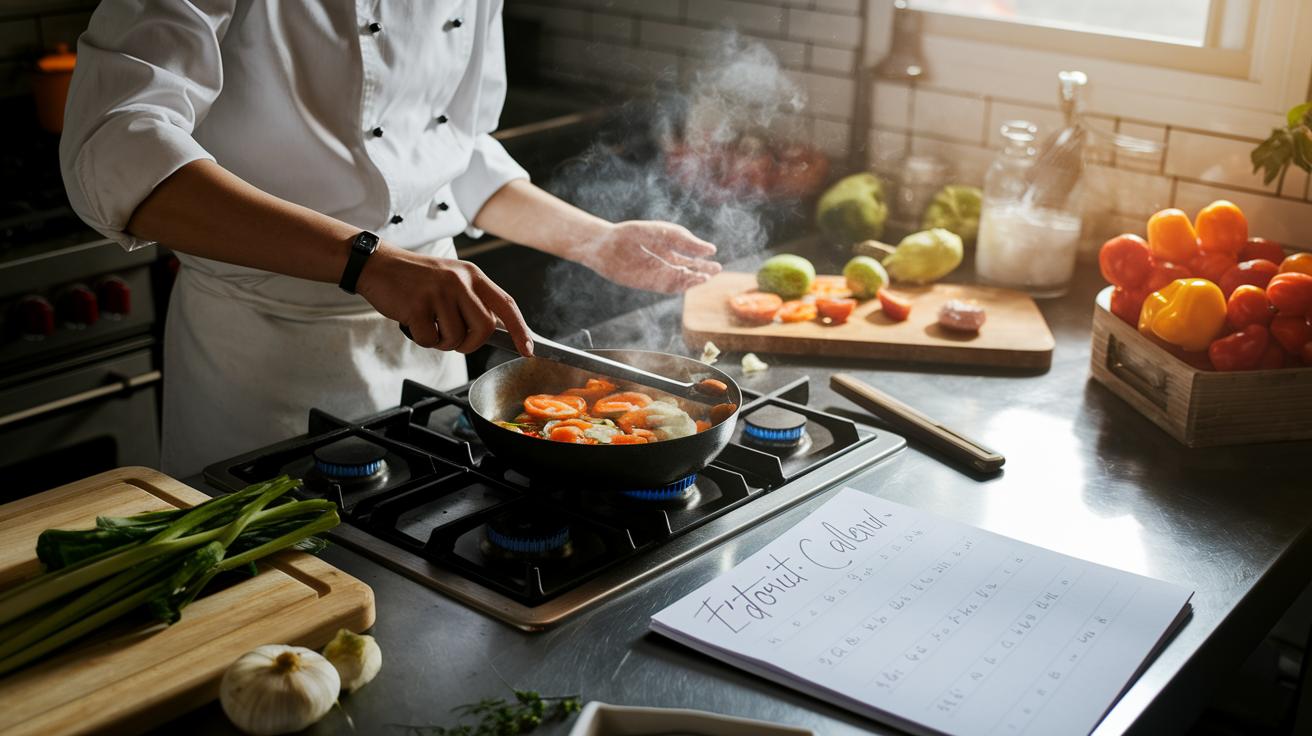
Video content, including recipe guides and product demos, really grabs attention. Adding a short clip that shows how to make a special dish can work wonders. Picture a chef in action, with the sizzling sound of vegetables on a hot skillet drawing you in.
Planning is key. Use an editorial calendar to schedule regular posts for blogs, videos, and downloadable guides. This tool keeps your content organized and helps answer important questions while boosting your search ranking. Think of your calendar as a roadmap where every post or video marks a stop on the journey toward building customer trust.
Check in often to see what topics resonate best and adjust your style to match your brand's voice. This blend of clear instructions and engaging content can turn casual visitors into loyal fans, driving steady site traffic and long-term growth.
Influencer Outreach Plans in Digital Marketing for Food Trailblazers
Food startups can grow their audience by teaming up with content creators whose followers already trust their advice. Influencer marketing lets you tap into communities where genuine recommendations mean a lot. Start by finding influencers whose style and values match your brand. For example, a micro-influencer might share, "Before launching our signature dessert, I spent a day with the chef behind the magic," adding a warm, personal touch.
Look closely at potential partners by checking who follows them, how active their audience is, and how they present their content. Micro-influencers often create a close, personal connection with their fans, which can drive better engagement without breaking the bank. When you set up a partnership, be clear about what each side will deliver. This might include social media posts, live video sessions, or behind-the-scenes stories. Laying out content themes, posting schedules, and specific messages helps keep your brand steady.
Track the success of your outreach by monitoring key numbers like engagement rates, conversion figures, and overall reach. Simple dashboards can show you social proof, and remember that 84% of consumers trust peer endorsements. These insights will help you fine-tune future collaborations and build strong feedback among food enthusiasts.
Pay-Per-Click Campaigns in Digital Marketing for Savory Enterprises
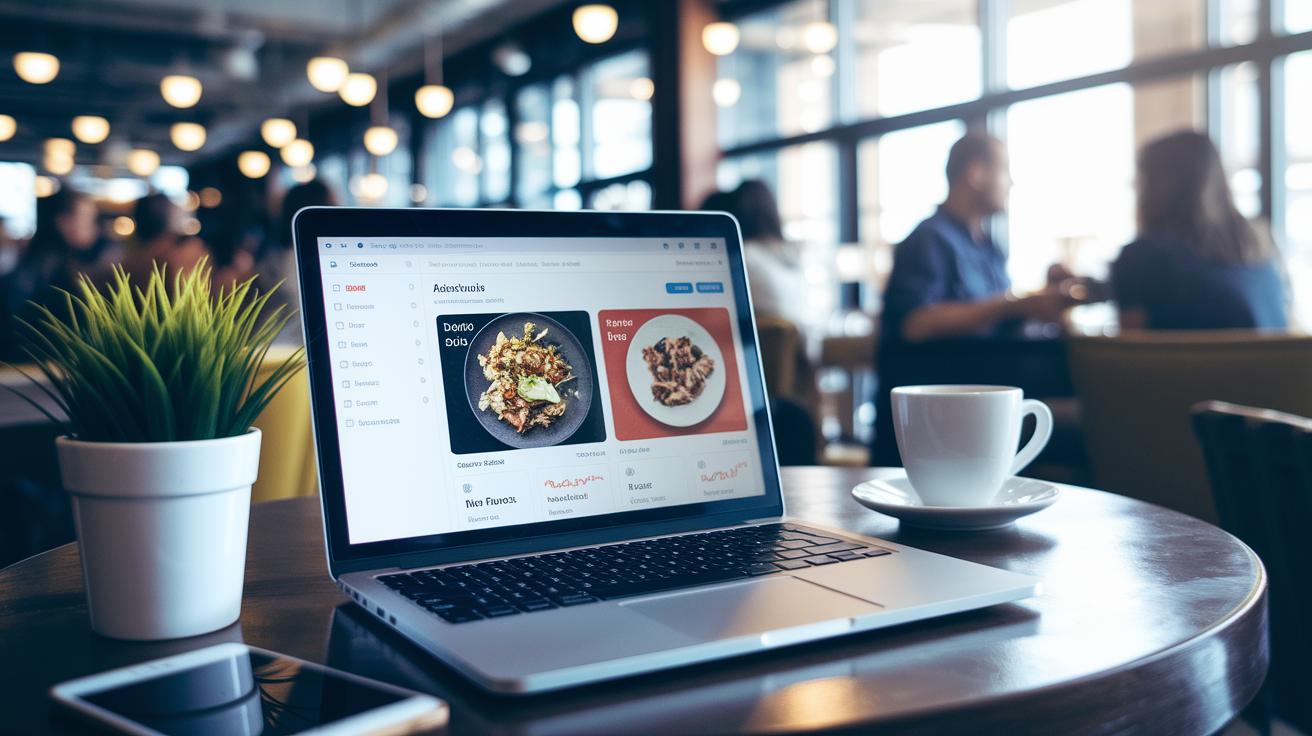
Pay-per-click campaigns help food startups get noticed fast. They use paid ads on Google and social media to drive quick clicks and raise online sales. Start by choosing a clear goal, whether it’s signing up new customers or showcasing a special menu. Decide on a budget that fits your current stage of growth. By focusing on who your ideal customers are and what they like about your food, you avoid wasting money while reaching the right crowd.
Consider these simple steps for setting up your PPC campaign:
- Identify your target audience and pick keywords that match your menu and local vibe.
- Create ads with tempting images and clear calls to action that food lovers can’t resist.
- Choose a bid strategy that keeps your cost-per-click in check with your budget.
- Set up conversion tracking to keep an eye on sales, sign-ups, or website visits.
Regularly test different versions of your ads and landing pages. Try varying visuals, text, and layouts to see which mix brings in the most engagement. Use your results to adjust your bids and budget. With steady monitoring and small tweaks along the way, food startups can refine their campaigns to consistently show a clear return on investment and expand their reach across several platforms.
Email Promotion Blueprints in Digital Marketing for Culinary Startups
Traditional methods like showing ROI numbers, using segmented lists, and making emails mobile-friendly form a sturdy base. Now, culinary startups can get extra mileage by tapping into better analytics, smart automation, and real-world success stories with clear, ready-to-use tips.
New analytics tools don’t just track open rates and clicks. They also capture the exact timing and steps that lead to bookings. For example, one NYC restaurant found that sending emails at lunch boosted reservations by 20% after they shifted their send times.
Automation now goes beyond simple welcome emails or reminders for abandoned carts. Email flows adjust based on what subscribers do, such as tailoring messages to their dietary interests from past orders or sending location-based deals when a customer is nearby. Did you know? One local culinary startup saw a 30% jump in engagement after adding a short survey to their invitation emails. This small change even led them to tweak their menu to better match customer tastes.
Practical tips include:
- Using detailed analytics to fine-tune when emails are sent and how often.
- Setting up triggers based on customer actions for personalized flows.
- Testing micro-segmentation, like grouping by location or dietary need.
- Studying real-life culinary startup case studies to apply proven methods.
These methods take you from basic ideas to hands-on advice for turning leads into loyal customers.
Data-Driven Insights for Digital Marketing in Restaurant Campaigns
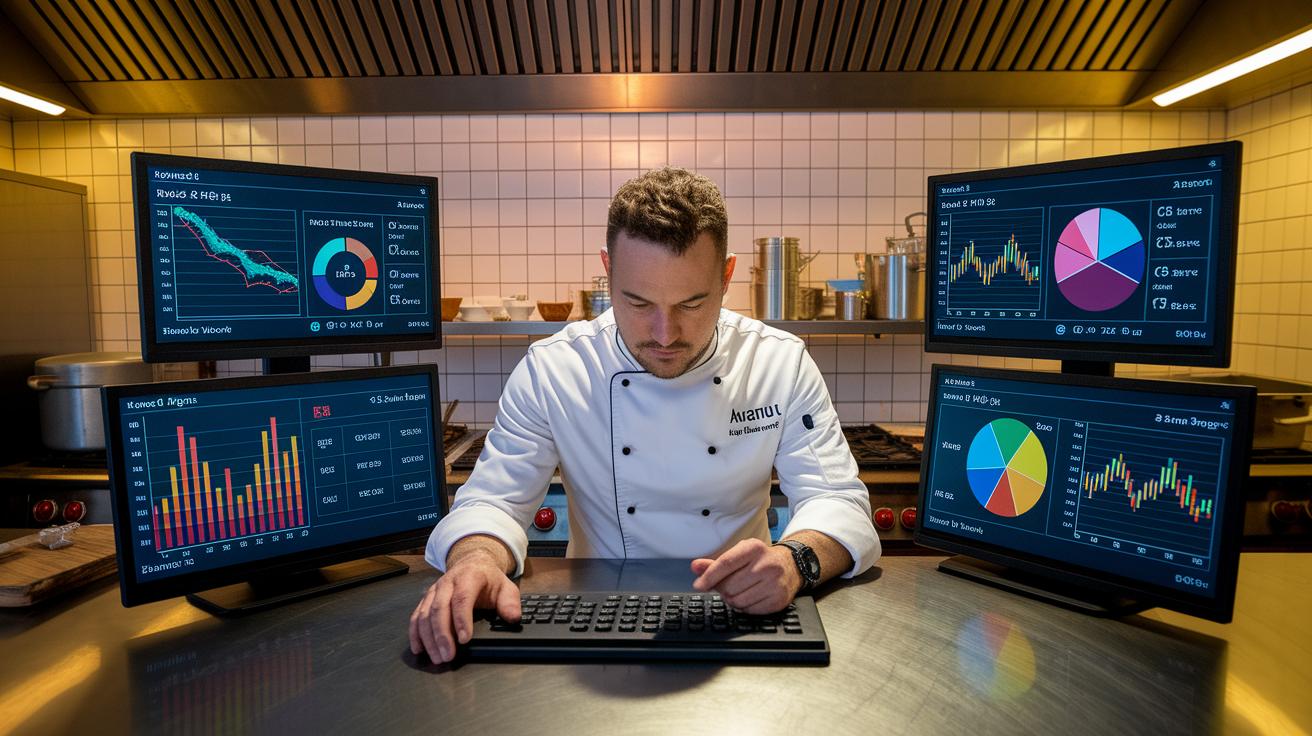
Analytics platforms give food startups a clear view of what is working in real time. With AI-powered dashboards, you can track numbers like conversion rate, cost per acquisition (the cost of getting a customer), customer lifetime value, and engagement rates. For example, picture a chef turned business owner who adjusts his campaign after noticing a 15% drop in engagement late in the week. This live data helps him make quick changes.
Choosing the right analytics tool is very important. Look for a platform that displays key performance indicators (KPIs) in simple, easy-to-read dashboards. Here are three simple steps to follow:
- Define the important numbers, such as website visits, online orders, and repeat customer trends.
- Set up automated dashboards to show real-time performance.
- Use AI tools to predict trends and make adjustments right away.
Testing new channels with a small budget allows you to see your return on investment with little risk. Try one channel or a single ad variation first, and then expand what works. A straightforward test might involve posting interactive content on social media and checking the conversion rate within 48 hours. This quick feedback helps guide your next move.
Using a growth metric tracking system prepares you for future changes. Regularly reviewing these numbers lets you refine your digital strategy, keeping your approach flexible and effective. By turning data into clear actions, you not only boost customer engagement but also drive business growth.
Final Words
In the action, this article broke down essential parts of digital marketing strategies for food startups. We covered how social media, SEO, engaging content, influencer outreach, PPC campaigns, email marketing, and data analysis can build brand trust and attract customers. Each section guided you through practical tactics to improve search rankings, boost community engagement and drive sales. This clear roadmap helps anyone in the food industry make informed decisions and grow their brand. Keep pushing forward with these insights and watch your brand soar.
FAQ
What are free digital marketing strategies for food startups?
The free digital marketing strategies for food startups include organic social media, effective SEO, engaging email campaigns, and local search improvements that boost brand recognition and drive customer actions.
Are there downloadable PDFs available for digital marketing in the food industry?
Downloadable PDFs offer detailed guides on digital marketing in the food industry, covering SEO, social media tactics, influencer outreach, and email marketing techniques to help food startups grow online.
What digital marketing strategies work best for food startups?
The best digital marketing strategies for food startups blend targeted SEO, creative content, social media engagement, and influencer collaborations to enhance brand awareness and attract loyal customers.
What services does a food and beverage marketing agency offer?
A food and beverage marketing agency offers services like social media management, SEO optimization, and influencer outreach to support brand development and drive online visibility for food businesses.
How does an F&B marketing strategy differ from other strategies?
An F&B marketing strategy focuses on creative visuals, targeted social media campaigns, local SEO, and dynamic influencer collaborations to connect food brands with consumers and boost engagement.
What career opportunities exist in food and beverage marketing?
Food and beverage marketing careers include roles in social media management, content creation, SEO, and influencer relations, combining creative skills with strategic planning to build strong brand identities.