


Ever wonder if your food startup can handle its first big challenges? Many passionate entrepreneurs deal with money problems, strict rules, and bumps in quality as they move from a small kitchen to larger production. Each issue, from funding headaches to finding the best ingredients, can quickly turn a promising idea into a costly setback if not managed well.
In this guide, we cover the top five challenges that food startups face. You'll find clear, step-by-step tips to tackle these problems, helping your business grow and win loyal customers.
5 common challenges for food startups: Spark Success
Food startups start with a great idea, but they quickly run into real challenges. Many founders struggle with problems from setting up production to finding plenty of customers. They must tweak operations and make smart plans to keep their brand moving ahead.
These challenges range from raising enough money to earning the confidence of buyers. Tackling them step by step helps avoid extra costs and builds a strong base for long-term growth.
- Funding and capital: In the early days, money can be tight, with many underestimating the costs for supplies, equipment, and everyday operations.
- Regulatory compliance: Following food laws (rules for safety and labeling) takes both time and money.
- Ingredient sourcing: Getting steady, high-quality ingredients in larger amounts can be tougher than expected.
- Product development: Creating recipes that taste great in small tests and work well when produced in bulk needs careful adjustments.
- Production scaling: Moving from a small-batch kitchen to larger manufacturing often brings unexpected changes in quality.
- Market competition: With many competitors and tight pricing, startups must really understand what customers want.
- Packaging and distribution: Designing practical packaging and managing smooth deliveries can decide a product’s success.
Addressing these issues early helps prevent surprise costs and paves the way for lasting success in a crowded food market.
Early-Stage Funding Challenges for Food Startups

Food startups often bring new, creative recipes to market, but they face big money problems early on. The cost of ingredients, equipment, and working funds quickly adds up. They also deal with long waits to turn products into cash and tight profit margins. Many underestimate these high upfront costs, which can lead to cash flow problems.
Food businesses must win over investors by showing that their plans can handle unexpected costs and market ups and downs. When production costs rise unexpectedly, financial forecasts can miss the mark, making investors nervous. Managing cash flow carefully is key to keeping the business running as it grows.
Here are some tips:
- Build a detailed cost model to track all expenses.
- Send clear, honest updates to build trust with investors.
- Check and adjust your cash flow predictions often.
- Choose financing options that match your growth needs.
- Prepare backup plans for sudden extra costs.
Regulatory Compliance Challenges for Food Startups
Food startups must navigate a maze of safety and labeling rules to meet both local and global standards. They need to run tests, like checking if ingredients stay safe and food lasts long, while filling out a mountain of paperwork. For example, missing a basic safety test has sometimes turned carefully made juices into products that spoil quickly. This shows why clear, simple guidelines are so important from production to packaging.
Early testing and documentation can be costly and take a lot of time. Many startups end up spending heavily on lab tests and compliance checks that stretch their budgets and delay launch dates. These delays are stressful, especially when trying to meet standards set by groups like FSSAI and FDA Food Safety (https://abuzzfood.com?p=340). Missing even one small detail can lead to problems like product spoilage, which can hurt a startup’s reputation and operations.
Creating a clear regulatory roadmap early on can turn this overwhelming process into a simple checklist. By setting clear action plans, deadlines for each test, and keeping all records organized, food startups can streamline their certification and testing. This proactive approach helps reduce both costs and the risks of non-compliance.
Ingredient Sourcing and Supply Chain Challenges for Food Startups

Food startups face many hurdles when moving from the home kitchen to full-scale production. When ingredients vary in quality, it can change the taste and texture of your food, making your product less consistent. Fresh items like fruits and dairy need extra care (keeping food cold during transport) to prevent spoilage. This unpredictability adds pressure on startups trying to deliver the same great taste in every batch.
As production grows, finding reliable, high-quality ingredients becomes even tougher. Bulk orders often come with shifting prices and fewer discounts. Coordinating prompt deliveries while protecting delicate perishable items also raises the stakes in the supply chain. Forming strong, long-term relationships with suppliers can help ease these issues and keep your ingredient flow steady.
| Sourcing Challenge | Potential Solution |
|---|---|
| Volume Discounts | Negotiate bulk pricing and contract terms |
| Cold-Chain Failures | Invest in reliable refrigeration and transport logistics |
| Contract Terms Issues | Establish clear, mutually beneficial agreements |
Keeping a close connection with your suppliers builds trust and reliability. Regular quality checks and open communication help ensure that everyone is on the same page. By working together and setting clear expectations, startups can secure a steady supply of quality ingredients and manage logistics smoothly.
Market Competition and Positioning Challenges for Food Startups
Food startups often battle stiff competition and face tight margins. Even high-quality products can miss the mark if pricing or features don't match what shoppers expect. Limited market insight means products might not meet customer needs, making it hard to grab key shelf space and build strong sales.
Knowing your customer is key. By studying what different groups want, startups can tweak their products to serve specific niches better. As food trends change quickly (for example, new trends shared on ABuzzFood), adapting fast is crucial to stay competitive.
- Clear labeling builds trust.
- Strategic partnerships expand market reach.
- Creative promotions help a brand stand out.
- Ongoing market checks sharpen product positioning.
By tackling these challenges directly, startups not only earn consumer trust but also set themselves apart in a crowded market.
Operational Challenges for Scaling Food Startups
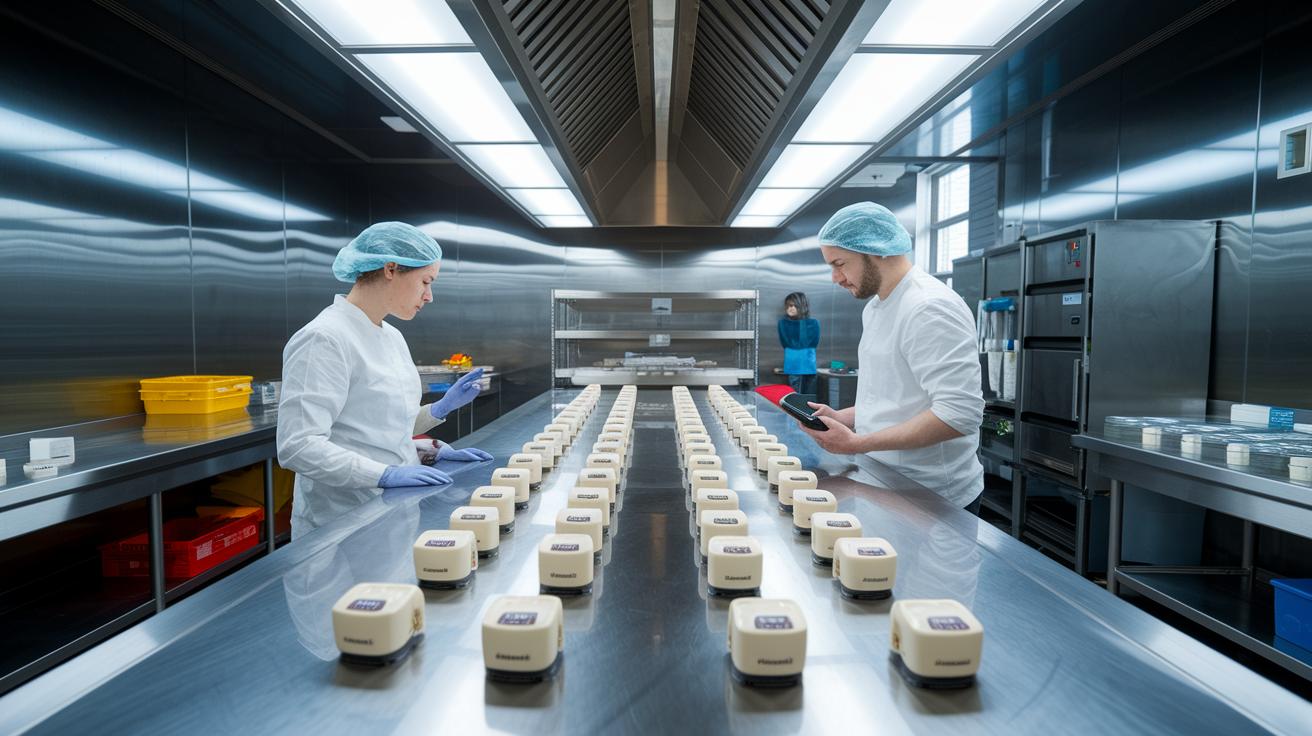
Food startups often struggle with keeping product quality consistent as they move from small, handcrafted batches to mass production. Problems can arise from unreliable co-packers, the absence of clear operating procedures, and manual processes that sometimes allow errors. These hurdles can slow down production and lower quality, making it crucial to use smart strategies that maintain a reliable, high-quality output.
Selecting the Right Manufacturer
When choosing a co-packer, look for partners who follow strict hygiene and safety standards. It is important to work with those who have a proven track record in quality and can increase production without compromising the product.
Ensuring Batch-to-Batch Consistency
Consistent quality starts with a well-standardized recipe and clear process controls. Keeping detailed records of measurements and processing conditions ensures that every batch delivers the same great taste and texture, reducing variations that might affect the final product.
Integrating Automation and Technology
Using small-scale automation tools can help simplify repetitive tasks and make production more reliable. Simple devices like automated mixers or temperature monitors reduce the chance of human error. These upgrades not only boost efficiency but also support strict quality checks, proving that scaling up does not mean sacrificing product excellence.
Branding and Digital Outreach Challenges for Food Startups
Digital channels have changed how food startups build their brands and connect with new customers. Online platforms let brands share their stories, display unique flavors, and form personal connections. Social media, websites, and mobile apps all play a key role in today’s market.
Sometimes, these channels do not work as planned. A cluttered website can frustrate potential customers, and low interactions on social media can limit the reach of a campaign. When digital efforts do not match what customers expect, it can hurt trust and damage a young brand's identity.
To fix these issues, startups should focus on clear and consistent messaging across every digital channel. Investing in user-friendly ordering systems and sharing engaging content helps explain what makes the products special. This approach builds lasting customer connections and sets the stage for long-term online success.
Product Development and Packaging Challenges for Food Startups

Food startups often juggle exciting, new taste experiences with the need to follow strict labeling and safety rules. They work hard to create bold flavors while ensuring that every nutritional detail and health claim is accurate and complies with legal standards.
This balancing act means spending extra time on taste tests and tweaking recipes. Startups regularly adjust their formulas until they achieve the right mix: an engaging sensory experience that also meets all legal guidelines.
Packaging mistakes can hurt sales if labels are unclear or if the design fails to protect the product. For instance, packaging with poor barrier properties may lead to spoilage, affecting both flavor and customer trust. Testing packaging for strength and safety is essential.
Through repeated design trials and thorough quality checks, startups can refine their packaging over time. By conducting controlled shelf tests and gathering feedback from customers, they can adjust the design to be as attractive as it is functional.
Final Words
In the action, this article broke down the hurdles in funding, regulatory compliance, ingredient sourcing, market competition, operations, digital outreach, and product development. Each section offered clear insights on tackling these issues to keep startups moving forward.
Addressing these common challenges for food startups early on lays the groundwork for long-term success. With practical strategies and a proactive mindset, companies can overcome obstacles and turn passion into products that truly resonate with consumers.
FAQ
What are the challenges for food startups and the food business?
Challenges for food startups and the food business include securing funding, conforming to strict regulations, sourcing quality ingredients, and scaling operations in competitive markets.
What are the food industry problems and where can I find solutions?
Food industry problems range from supply chain gaps and shifting consumer demands to strict health standards. Solutions focus on streamlining operations and adopting technology to boost quality and compliance.
What challenges do food vendors and restaurants face?
Food vendors and restaurants contend with rising ingredient costs, strict health codes, and operational inefficiencies. They must deliver quality service, control expenses, and meet customer expectations in tight markets.
What threats, sustainability issues, and problems impact the food and beverage industry?
The food and beverage industry faces sustainability issues, higher production costs, and supply inconsistencies. Addressing these threats involves eco-friendly practices, resource optimization, and robust quality assurance measures.
What is the food tech challenge for startups?
The food tech challenge for startups involves integrating innovative tools to manage supply chains, enhance customer engagement, and meet regulatory demands while balancing cost and operational efficiency.