



Ever wonder why some food startups catch an investor's eye while others go unnoticed? A solid business plan is like your secret sauce in the kitchen. It blends clear goals, customer insights (knowing what cooks and diners want), and reliable numbers. This guide gives you easy steps to turn your food passion into a real-world plan that investors can trust. Whether you dream of running a cozy local bakery or launching a gourmet venture, these tips are your recipe for success.
Food Startup Business Plan Tips for Winning
Every strong food startup begins with a clear and practical business plan. Think of it as your roadmap that lays out where you want to go, who you want to reach, and how you plan to shine from the crowd. Investors appreciate when you back up claims with exact numbers for costs and income. This clear approach gives them the confidence to support your venture.
Start by stating simple, direct goals. For example, “We plan to launch a line of handmade baked goods that meets the rising demand for local artisanal flavors.” This kind of clear statement grabs attention and shows you know your focus. It also helps to use market research to pinpoint the specific group of customers you aim to serve best.
Break your plan into these essential parts:
| Key Section | Description |
|---|---|
| Business Goals & Milestones | Clear targets and benchmarks that guide your future growth |
| Target Market Profile | Details about customer demographics, flavor preferences, and shopping habits |
| Brand Identity | A memorable look and feel that distinguishes you from competitors |
| Financial Planning | An honest review of costs for ingredients, equipment, packaging, and marketing |
This format not only keeps your team on track but also shows investors that every expense and revenue stream is considered. A brief, future-focused roadmap helps everyone see the plan for scaling your business. With a mix of smart strategy and precise financial planning, your idea turns into a practical guide for real, sustainable growth. Remember, meticulous planning is the secret sauce behind a successful food startup.
Market analysis in a food startup business plan

A clever food startup uses detailed market data to find just the right niche for its products. This means looking at what consumers do now, spotting flavor trends, and breaking down groups by age and income to see who will really enjoy your offering. Trusted reports like those in Food Trends 2025 show meal-prep services might hit $20 billion by 2030, while online cooking classes could bring in $485 million by 2027.
Good market research mixes firsthand opinions and clear numbers. Start with surveys or local taste tests to learn about flavor favorites, then add demographic details such as age and income. This combined approach backs up your idea, shapes pricing decisions, and guides your marketing. A solid market analysis paints a clear picture of growth in your niche and helps your business plan speak directly to both investors and customers.
| Segment | Projected Revenue | Forecast Year |
|---|---|---|
| Meal-prep services | $20 billion | 2030 |
| Online cooking classes | $485 million | 2027 |
| Specialty CPG niche | $1.2 billion | 2025 |
Financial projections and funding strategies for food startup business plans
Start with a clear revenue model that shows where your money comes in and where it goes. Think of it like following a simple recipe; every ingredient, from ingredients to digital ads, has its place. A detailed cash flow timeline helps investors see you have a steady plan for each day.
When pitching to investors, use real data from past results or local surveys to back up your revenue goals. Simple charts or tables make it easy for anyone to see the profit margins and cost estimates. It is important to work with backers who know that a great food idea needs a smart, practical financial plan. For more ideas on funding, check out trusted guides on how to secure money for a food startup.
Consider these common funding sources for your business plan:
- Personal savings
- Angel investors
- Crowdfunding
- Small business loans
- Venture capital
Listing these options shows you have thought through your capital needs and are ready for any financial scenario.
Operational and compliance planning in your food startup business plan

A thriving food startup depends on nailing both your daily operations and meeting food safety rules. When you have clear plans for cooking, packaging, and delivery, you build a strong base for a smooth launch and long-lasting success.
Regulatory requirements: licensure, inspections, labeling
Start by checking your local food laws to learn what you can make and sell. Many areas have cottage food rules that outline product limits and proper labels. It helps to secure the right permits and licenses early on so your business runs without hitches. Regular health checks and clear labels do more than satisfy regulations, they boost trust with your customers and inspectors. Keeping a simple checklist for renewals and upcoming inspections is a smart move.
Kitchen setup: equipment planning and compliant layout
Next, create a kitchen layout that works well for your type of business. For example, bakeries might need stand mixers and cooling racks, while meal-prep services could benefit from a good vacuum sealer and extra freezer space. Every tool you choose should match your production size and meet health standards. Organize your space to keep work flowing smoothly and reduce risks like cross-contamination. Don’t forget to plan everything from where you get your ingredients to how you package your final product. With a focus on both regulations and operations, you can transform your home-based venture into a professional, compliant facility ready to grow.
Marketing and branding roadmap for food startup business plan tips
Digital marketing channels
Your food startup thrives online. It begins with a welcoming website that shows off your brand through vivid pictures of your dishes and clear, friendly messages. Social media serves as your stage. Share recipe videos, kitchen glimpses, and customer shout-outs that build trust. For instance, did you know that 70% of people pick their meals based on social media? That fact grabs attention right away. Combine targeted ads with signature colors and fonts so your online look stays familiar and memorable.
Community and experiential tactics
Building community both in-person and online makes your brand feel real. Host local food events and pop-up tastings where people try your dishes, share thoughts, and become part of your food story. Live cooking demos on Facebook or Instagram add an authentic touch that connects you with fans. Fusing digital campaigns with hands-on events keeps your marketing fresh and welcoming, helping you adapt to changing tastes and build a loyal customer base.
Team structure and operational scaling in a food startup business plan
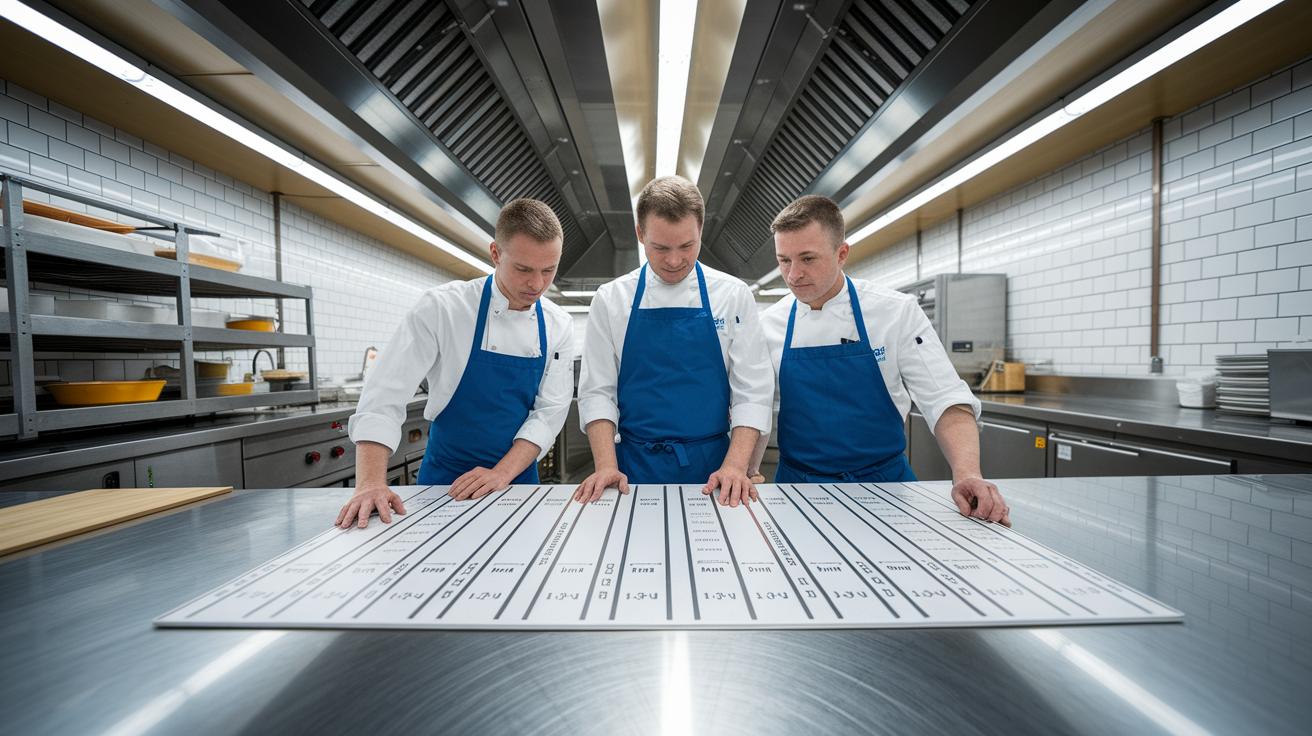
Moving from a home kitchen to a commercial space means planning team roles and daily workflows with care. It starts by defining every step in your production process so your business can grow smoothly. For example, having clear roles for chefs, kitchen helpers, and quality checkers builds a strong base. Writing down clear procedures for food preparation, safety checks, and customer service helps everyone follow the same routine.
Regular employee training is essential to keep quality high. Training should cover how to use new equipment, follow the latest quality rules, and adjust to new automated processes. This strategy not only builds team confidence but also creates a culture of learning and accountability. Tracking key milestones like equipment updates, new hires, and process improvements shows you when it is time to grow further. Simple checklists and periodic reviews help ensure every process meets your food standards and overall goals.
- Clearly assign roles to every team member
- Keep operating procedures updated
- Run regular training sessions to build skills
- Set clear milestones for equipment, staffing, and automation improvements
Appendices and supporting documents for food startup business plans
Include extra documents in your plan to show investors you have done your research. Add sample menus to spotlight your signature dishes, supplier lists to confirm reliable ingredient sources, and risk matrices (simple charts that compare potential risks with cost impact) to deal with possible issues. For example, picture a scale that plots food safety risks against their cost impact. This tool helps you decide which concerns need immediate attention. These documents make a strong case for your startup's potential.
Also, support your plan with visual aids. Use a Gantt chart to outline project milestones and a market opportunity assessment to show growth potential. Presenting a clear feasibility study for a bistro venture or a detailed evaluation for a recipe franchise can also explain your exit strategy. Use a simple HTML table to list key metrics:
| Document Type | Purpose |
|---|---|
| Supplier List | Confirm reliable ingredient sources |
| Risk Matrix | Identify and prepare for challenges |
Final Words
In the action, we broke down each essential section of a food startup business plan. We examined market analysis, financial projections, operations, and marketing strategies. Each part offers a clear guide to crafting a plan that builds investor trust and paves the way for growth.
We also highlighted simple ways to tackle compliance and team scaling. Use these food startup business plan tips as a reliable guide for creating a practical roadmap to success.
FAQ
Q: What do food startup business plan tips from Reddit, PDFs, and sample plans reveal?
A: These tips show that a winning food startup plan requires clear objectives, detailed market research, and realistic financial projections. Example samples offer templates that guide everything from restaurant setups to branding strategies.
Q: What innovative ideas for food business and startup ventures are available?
A: Innovative food business startup ideas include unique farm-to-table concepts, meal-prep services, and pop-up dining events. These ideas focus on local trends and creative customer experiences to carve out a niche.
Q: How does one start a food business with no money?
A: Starting a food business without funds often means using low-cost strategies like operating from a home kitchen, exploring crowd-based funding, and forging partnerships to lower startup expenses while testing your concept.
Q: What food business ideas work well for students?
A: Food business ideas for students center on low-overhead options such as baking, meal-prep services, or pop-up stands. These ideas allow for flexibility and learning while requiring minimal initial investment.