


Ever wondered if a small change in your data plan could boost your store’s sales? Data analysis isn’t just a tech upgrade; it’s like turning plain ingredients into a winning recipe.
By 2028, the market is expected to reach $18.33 billion. Companies are already using data to adjust prices, manage inventory (what you have in stock), and predict what customers will want next.
This post explains how clear insights and smart planning can drive better results and make shopping smoother for everyone.
Core Principles of Retail Industry Data Analysis
Retail data analysis is changing how decisions are made in the industry. The retail analytics market is expected to hit $18.33 billion by 2028 with a growth rate of 17.7%. More companies are using data planning to get clear insights into industry performance. Analysts examine sales, inventory, pricing, customer purchase histories, browsing habits, and feedback to spot trends and predict market shifts.
This analysis serves three main purposes: helping with strategic choices, streamlining operations, and forecasting trends. Retailers now use detailed, real-time data to make better decisions. For example, dynamic pricing models adjust prices based on customer behavior and competitor rates, which leads to more sales and a smoother shopping experience.
Operational improvements are another key benefit. By keeping an eye on sales and inventory numbers, retailers fine-tune stock levels and plan promotional events more effectively. This focused approach cuts waste and helps save money.
Predictive analytics also play a vital role. Using historical sales data, retailers build models that forecast upcoming market changes. These models let them test different promotional scenarios and adjust their strategies accordingly, ensuring resources are used wisely.
Overall, weaving data strategy into performance evaluation is essential. Retailers are not only tackling today’s challenges but also positioning themselves strongly for the future.
Data Collection & Infrastructure Foundations for Retail Industry Data Analysis
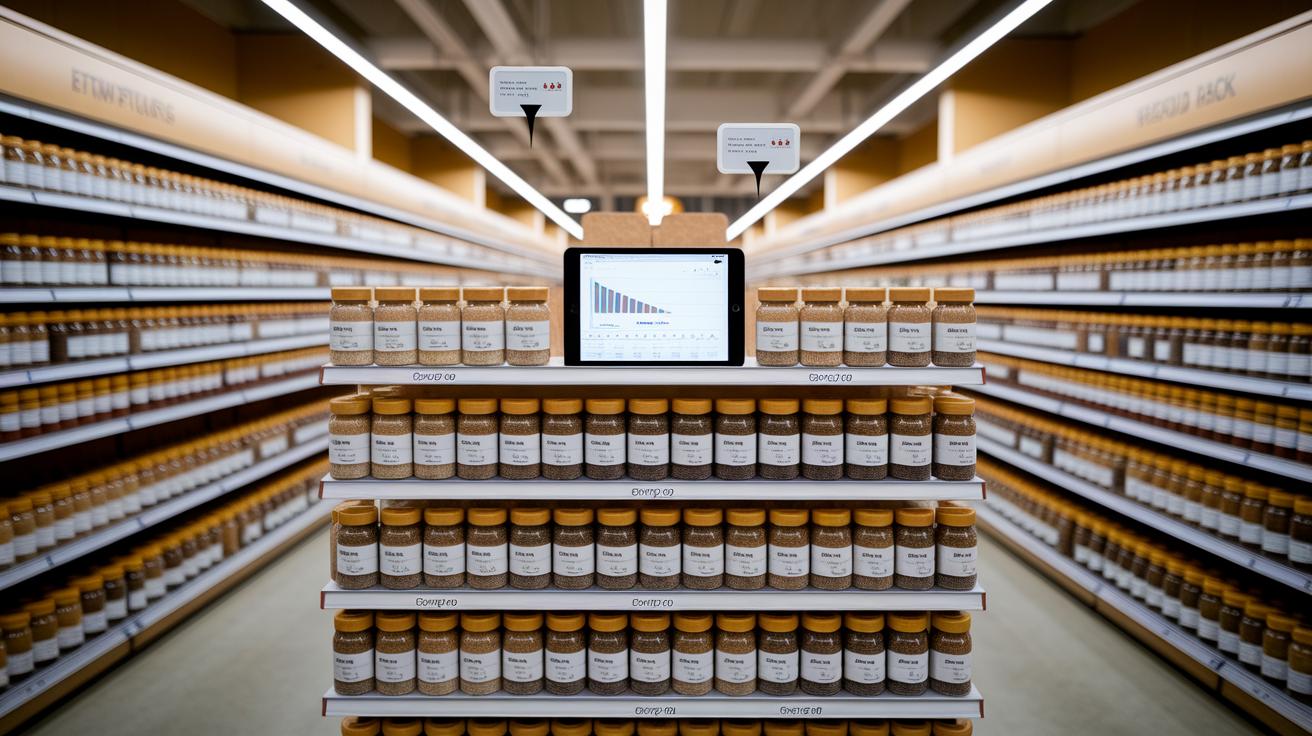
Retailers collect important information from cash registers, online stores, rewards programs, and shipment trackers. They use business intelligence tools to bring together sales, inventory, and pricing details, much like arranging a spice rack where every jar plays a role in the perfect mix.
Cleaning raw data is essential. Think of it as choosing the ripest fruit from a basket. This step removes mistakes and keeps the numbers clean so that the final analysis is as fresh and accurate as a farmer's market find.
Managing data quality means checking that every bit of information is correct and steady. Retailers plan carefully to make sure the numbers they rely on are trustworthy and ready for a quick analysis.
Cloud-based platforms offer storage and processing power that grows with the business. They let retailers handle a growing flow of data without missing a beat, ensuring that every insight is as reliable as a well-cooked meal served on time.
Advanced Analytical & Predictive Modeling Techniques in Retail Industry Data Analysis
Retail analytics is more than simple reporting nowadays. It covers descriptive, diagnostic, predictive, and prescriptive methods that help answer key questions: what happened, why it happened, what will happen, and what steps to take next. For example, retailers use predictive models to forecast demand, plan promotions, and set optimal stock levels. One retailer used machine learning to uncover hidden patterns in past purchase data, much like discovering a rare spice that can transform a dish.
Advanced statistical models and multivariable regression techniques give precise insights by analyzing historical loads, external signals, and seasonal trends. Data mining from large datasets reveals connections that traditional methods might overlook. These approaches work together to automate merchandise planning, adjust pricing in real time, and optimize markdowns during slower sales periods.
Machine learning also boosts assortment planning by examining past sales records and external factors. This technology helps retailers fine-tune product mixes by predicting which items will sell best under specific conditions. With these advanced models and predictive techniques, demand forecasts guide stock allocation to prepare stores for both busy and quiet times.
These methods allow retailers to refine their strategies, react quickly to market changes, and ultimately improve overall performance.
Visualization & Reporting: Sales Dashboards for Retail Industry Data Analysis
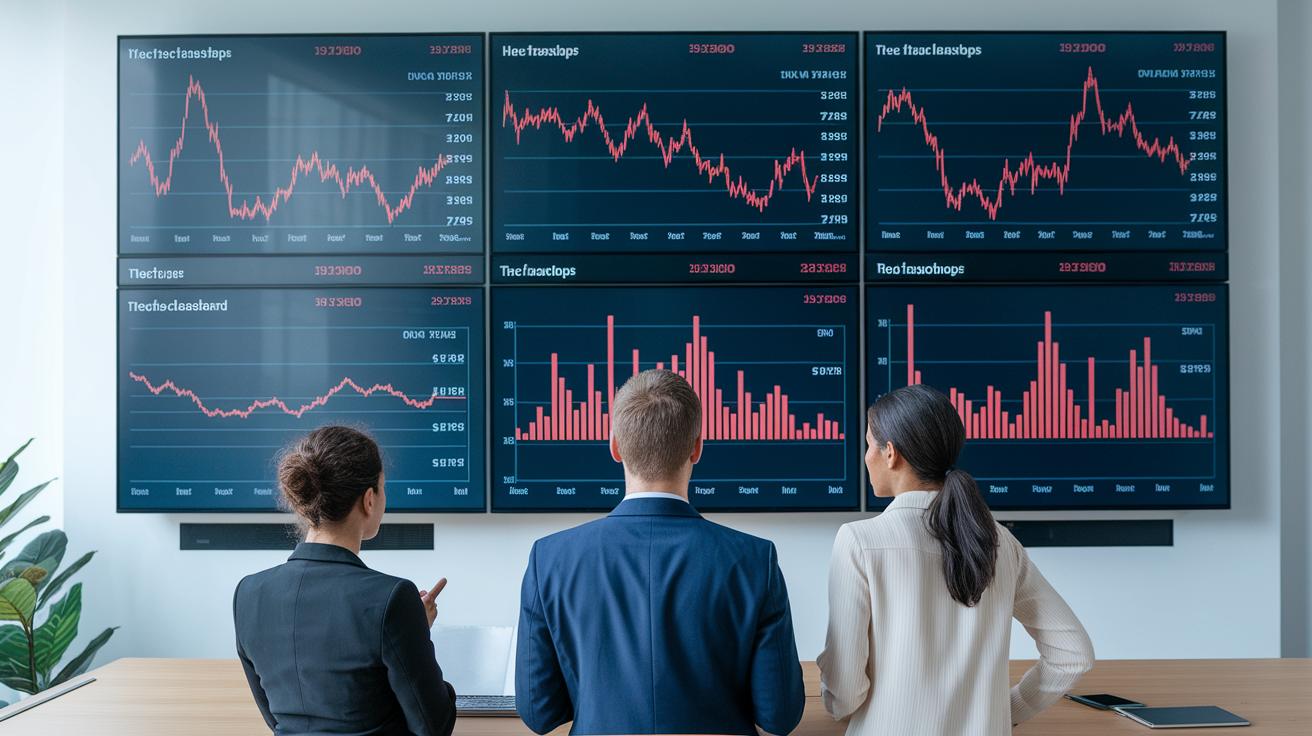
Retailers today count on interactive dashboards to turn complex data into clear visuals. These tools take raw numbers like same-store sales, conversion rates, and average order values and display them in a way that’s easy to grasp. For example, heat maps and trend lines reveal seasonal patterns and regional shifts much like a colorful map showing where demand peaks. One report noted that the trend line climbed sharply just before the holiday season, signaling a burst in customer activity.
Real-time data monitoring allows teams to respond immediately to dips in sales or low inventory levels. Systems pull information from point-of-sale devices, web analytics, and customer relationship tools to create unified reports. This method transforms numbers into actionable insights, helping retailers make smart decisions quickly when every moment counts.
Inventory & Supply Chain Optimization through Retail Industry Data Analysis
Retailers are now using demand forecasting models to avoid running out of products or having too much on hand. These models look at past sales and market trends to give a clear picture of how much inventory is needed. Automated systems then adjust stock levels based on real-time sales, which helps increase turnover and keeps the supply chain running smoothly.
Key techniques include:
- Forecasting models that signal when it’s time to reorder and help prevent shortages.
- Insights that allow retailers to fine-tune inventory turnover for better cash flow.
- Analytics that measure vendor performance, leading to cost savings.
- Combining location-based sales data with forecasting to improve distribution and cross-dock strategies.
These demand forecasting models offer practical insights that help retailers stay competitive. By linking forecasting with supply chain analytics and performance metrics, retailers can quickly adjust their strategies. Real-time data drives improvements that not only reduce costs but also boost inventory reliability. This approach strengthens the entire retail process and enhances overall operational efficiency.
Retailers continue to refine these methods, using both demand forecasting and smart inventory management to achieve higher efficiency.
Customer Segmentation & Behavior Metrics in Retail Industry Data Analysis

Retailers rely on customer segmentation and behavior metrics to craft more targeted marketing. They examine purchase history, browsing habits, and customer feedback to power recommendation engines that feel personal. For instance, tracking past buying patterns can reveal which shoppers are ready to jump on a special deal.
By grouping customers according to spending habits, how often they shop, and what they prefer to buy, retailers can design tailored promotions. This focused method helps businesses reach high-value customers while clearly distinguishing occasional buyers from loyal fans.
Retailers also measure retention through metrics such as reward patterns and churn rates. A careful look at these numbers offers practical steps to turn one-time buyers into repeat customers and boost overall satisfaction.
Beyond traditional sales figures, consumer trend mapping uses social media feedback and online reviews along with purchase data. This mix helps retailers spot new trends and adjust their product lines on the fly to meet changing tastes.
Pricing, Promotion & Revenue Growth Modeling in Retail Industry Data Analysis
Retailers often adjust their prices on the fly, using signals from customer demand and what competitors charge. One store could change prices in seconds when market conditions shift, kind of like a cafeteria switching its lunch specials during a busy day. This quick change helps satisfy customers and boost sales during peak times.
Other methods use predictive revenue models that mimic growth under different deals. These models review past sales and current trends to see how specific promotions, like discounts or bundled offers, might affect revenue. For instance, a simulation might test a temporary discount to determine its impact, much like trying different recipes until the right flavor is found.
Finding the sweet spot in pricing (price elasticity testing) is key. It helps locate the perfect discount point that increases sales without cutting deeply into profits, similar to sampling spices until the perfect blend is achieved. Combined with efforts to improve conversion rates, retailers then tweak their campaigns to focus on promotions that turn interest into actual sales.
Marketing campaign analytics take this process a step further by measuring the return on investment for ads. Early efforts report efficiency improvements as high as 88% by targeting the right audience with clear, precise messages. These insights help stores adjust their strategies so each promotion captures customer interest and drives growth.
By putting these analytic methods together, retailers can develop pricing and promotional plans that steadily boost revenue while keeping pace with changing market demands.
Omnichannel Integration & E-commerce Insights in Retail Industry Data Analysis
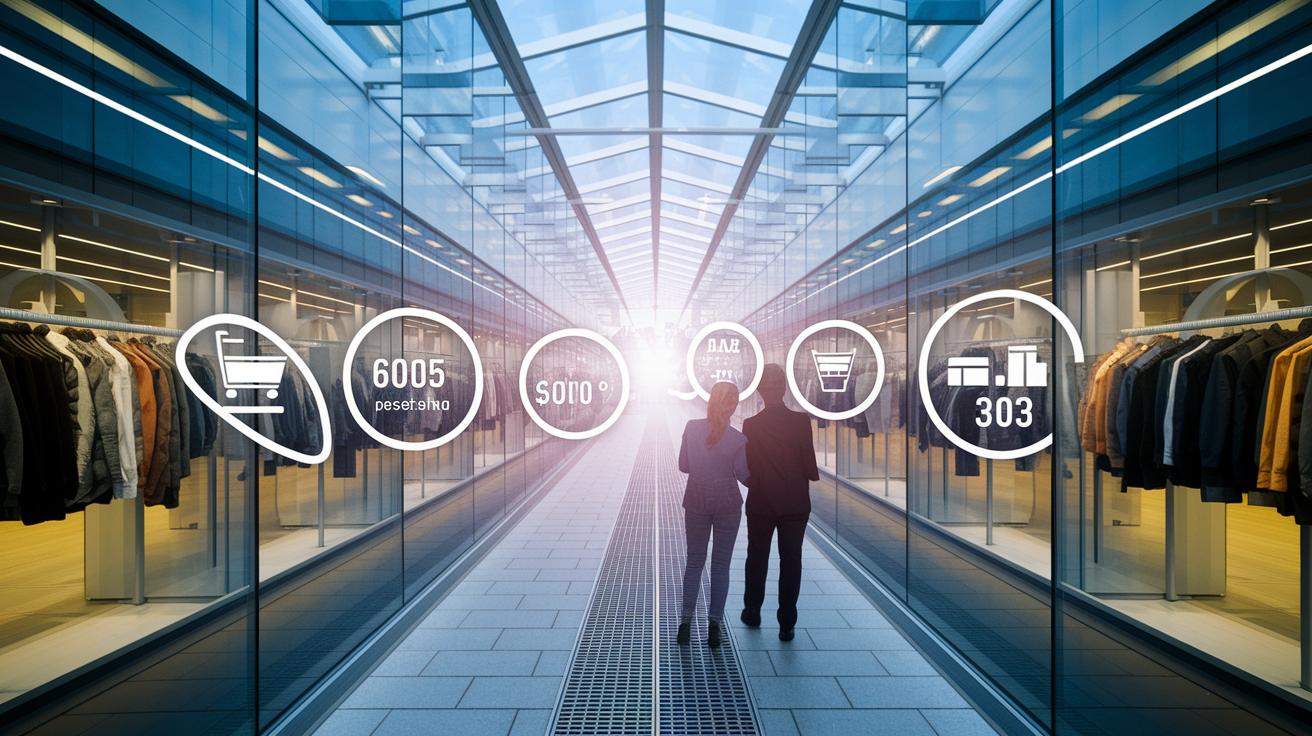
Retailers today combine data from online and in-store sources to track every part of the customer journey. They bring together information from websites, shops, loyalty programs, and mobile apps into a complete picture. One retailer found that customers who started on their mobile app and finished in a store usually spent more.
Automated purchase order systems and smart inventory controls play a key role. These systems adjust stock levels in real time across all channels, much like following a simple recipe to balance ingredients perfectly. This real-time update also helps managers decide on staffing and promotions by showing which channels perform best.
Key numbers to watch include cart abandonment, mobile conversion rates, and average order value. These figures guide important decisions. For example, a rise in abandoned carts may signal a problem in the checkout process, while a high mobile conversion rate shows that the app might be user-friendly. One analyst said that seeing all these figures together is like tasting every flavor in a dish, with each one standing out yet blending together.
Analytics give retailers a clear view of how each channel performs. This lets them make precise changes to marketing budgets, promotions, and overall operations.
Implementation Roadmap & Best Practices for Retail Industry Data Analysis
Retailers are turning to data-driven merchandising and smart, AI-powered planning to get better results. One company even boosted its campaign efficiency by 88% by adding automated budgeting into its mix. Picture a chef who times every dish perfectly for a seamless dinner service.
A clear, step-by-step plan makes all the difference. Start by setting specific goals, like tracking sales growth and customer loyalty. Then, put measures in place to keep your data accurate and safe. Next, form a team that can make sense of all the numbers, and finally, choose tools that can grow with your business. These steps are at the heart of a strong data analysis plan.
Key Steps:
- Set measurable goals linked to performance.
- Protect your data with a solid governance plan.
- Build a team that spans different areas of your business.
- Pick tools that can handle more data as you grow.
| Step | Description |
|---|---|
| Set Measurable Goals | Decide on clear targets to track sales and marketing success |
| Data Governance | Create rules to ensure data stays accurate and secure |
| Build an Analytics Team | Gather a diverse group of experts to analyze and interpret data |
| Scalable Tools | Choose software that can grow as your data volume increases |
Real-world examples show that steady innovation and teamwork pay off. When you merge clear goals with reliable data practices and the right tools, your retail business can stay ahead of the game.
Final Words
In the action, key points centered on using retail industry data analysis to drive smarter decision-making across operations. The outline broke down core principles, data collection methods, predictive techniques, visualization, supply chain optimization, and customer behavior insights.
These insights show how accurate data builds better pricing strategies, omnichannel efficiency, and effective implementation. Positive changes in analytics foster clear, actionable trends that help businesses thrive.
FAQ
Q: Retail industry data analysis examples and retail analytics examples
A: Retail industry data analysis examples illustrate how retailers use data from sales, inventory, customer feedback, and supply chain feeds to make smarter decisions, optimize pricing, and boost overall performance.
Q: Retail industry data analysis software
A: Retail industry data analysis software combines data sources to cleanse, analyze, and visualize metrics, empowering businesses to track inventory, sales trends, and customer behavior for actionable insights.
Q: Retail industry data analysis ppt
A: A retail industry data analysis PowerPoint presentation typically covers data collection, statistical modeling, and inventory optimization, using clear visuals to explain complex analytics concepts in a comprehensible format.
Q: Data analytics in retail industry PDF
A: A PDF on data analytics in the retail industry delivers comprehensive guides and case studies, detailing best practices in data collection, model building, and visualization techniques for enhanced operational decisions.
Q: Retail industry data analysis certification
A: Retail industry data analysis certification programs train professionals to collect, cleanse, and analyze data, equipping them with the skills needed for predictive modeling, dashboard creation, and strategic decision-making.
Q: What is retail analytics and what is data analysis in retail?
A: Retail analytics, or data analysis in retail, refers to the process of examining diverse data—such as sales, customer interactions, and inventory levels—to identify trends, forecast demand, and optimize pricing and stock management.
Q: Retail data analysis project
A: A retail data analysis project involves gathering and cleansing data from multiple sources, then applying statistical and predictive models to reveal insights that can improve inventory management, pricing strategies, and customer targeting.
Q: What are the 5 C’s of data analytics?
A: The 5 C’s of data analytics include collection, cleansing, computation, communication, and collaboration, which together define the steps taken to transform raw data into valuable insights in a retail setting.
Q: What are the 4 types of data analysis?
A: The 4 types of data analysis are descriptive, diagnostic, predictive, and prescriptive, ranging from summarizing historical data to providing solutions for future decisions.
Q: What are the 7 P’s of retailing?
A: The 7 P’s of retailing span product, price, place, promotion, people, process, and physical evidence, offering a structured framework to understand, evaluate, and manage retail operations effectively.