


Have you ever thought that the best flavors come from a close connection with the land? Picture a meal where every ingredient is picked just hours before it lands on your plate. Restaurants that bring fresh produce straight from nearby farms are changing the way we eat. When local chefs work closely with farmers, each dish feels full of care and real flavor. With 56% of diners looking for genuine tastes, it might be time to rethink where your next meal comes from.
farm to table restaurants: Fresh Flavor Awaits
Farm to table restaurants let you taste the true flavor of fresh, local ingredients. They work directly with nearby farmers (often within 100 miles) so that your meal arrives at its peak taste, texture, and aroma. This method keeps the food natural and full of the season’s best qualities.
Chefs at these restaurants team up with local growers by receiving weekly deliveries of fresh produce. They even make regular visits to the farms to check the quality of what ends up on your plate. These close ties mean every dish is made with care and a deep understanding of how the food is grown.
Data from the National Restaurant Association shows that 56% of diners choose restaurants that serve locally sourced menus because the food just tastes fresher and more authentic. Certification programs like Slow Food and USDA Organic help confirm that these eateries follow strict quality and sustainability practices. In short, farm to table restaurants serve up tasty dishes while supporting the local community and building a real connection from the farm to your fork.
Key Benefits of Farm to Table Restaurants
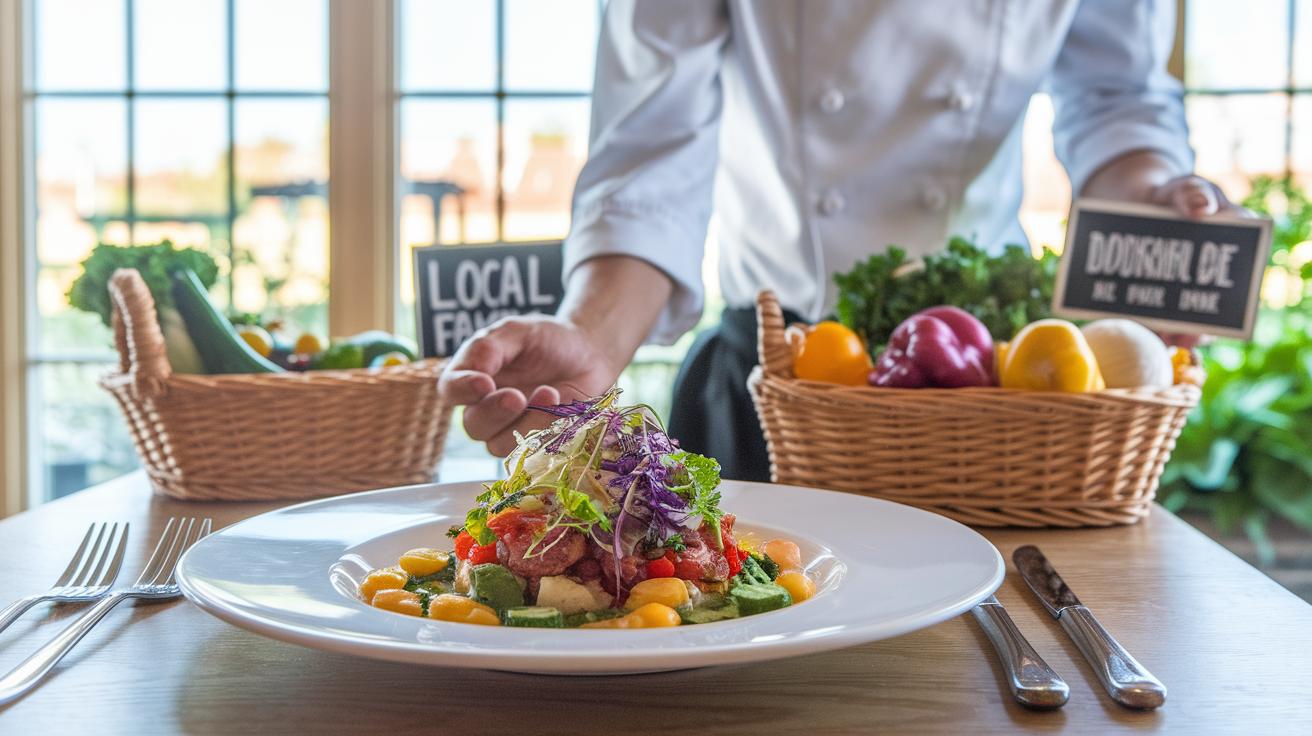
Farm to table restaurants deliver more than just tasty meals. They work closely with nearby growers, which helps support local communities and meets the growing need for fresher food. Chefs at these spots use nutrient-rich ingredients straight from local farms, so you get dishes bursting with true seasonal flavors.
This way of sourcing food helps keep local money in the community and cuts down on long, polluting transport routes. By choosing nearby farms, chefs can create menus that truly taste like the season while helping the environment stay healthy.
- Strengthens local economies by keeping up to 25% more revenue in the community.
- Cuts transportation emissions by about 50%, lowering the overall carbon footprint.
- Boosts dish quality because fresher ingredients hold more nutrients.
- Supports a small price increase of 5–10% that reflects the benefits of premium, locally sourced produce.
Consumer trends show that diners are increasingly seeking both sustainable and genuine dining experiences. In many ways, farm to table restaurants deliver on this promise, offering meals that taste better and help build a more sustainable food system.
Sourcing and Supply Chain in Farm to Table Restaurants
Farm to table restaurants change their menus with the seasons. Many update their offerings every three months to match fresh harvest cycles. This approach helps chefs serve dishes that shine with peak flavor and texture while backing local growers.
These establishments keep a steady flow of fresh produce with regular deliveries. They typically receive 2 to 3 shipments per week from nearby farms. This frequent delivery system keeps ingredients fresh and cuts down on spoilage by reducing the time food spends in transit. Also, they use simple food waste reduction strategies to support both quality and sustainability.
Strong ties with local farms are the backbone of the farm to table idea. Chefs sign up for CSA subscriptions (Community Supported Agriculture, where you support a local farm in return for fresh produce) and make regular visits to the farms. These visits and monthly checks help them verify that every ingredient meets high standards. By working closely with producers, they build a clear and trustworthy supply chain from farm to table.
Common Farm to Table Restaurants Menu Features

Farm to table menus bring the best of local, seasonal ingredients straight to your plate. Chefs carefully plan their dishes to match what local farms do best at each moment, so every meal bursts with fresh, in-season flavors and textures.
- Menus change with the seasons to serve the top available produce and proteins.
- Many menus include a "farm spotlight" that honors a local farm and the farmer behind it.
- Clear labels like grass-fed, free-range, organic, and heritage show where the food comes from and build trust.
- Special dishes often feature heirloom or unique ingredients that create one-of-a-kind taste experiences.
These thoughtful touches connect diners directly to the food’s roots. When you see a farm spotlight or heritage label, you know you're getting a meal that stands for quality and authenticity. This approach not only satisfies the palate but also builds a stronger bond between local growers and the community, making every dish a true celebration of regional flavor and skill.
Finding and Choosing Farm to Table Restaurants Locally
If you want a meal that celebrates local flavors, farm to table spots are a must. These restaurants work closely with local growers to bring fresh, real ingredients to your plate.
Here are some simple tips to help you find and pick the best farm to table restaurants:
- Search online for "farm to table near me" and use local food guides.
- Visit the restaurant’s website to see if their menu states which nearby farms supply their produce.
- Look for seals from local groups or Slow Food certifications that verify local sourcing.
- When you dine in, ask your server about the ingredients and the farms they come from.
- Check social media for recent reviews on the ingredients' freshness and genuine local flavor.
Reading online reviews and asking questions when you visit can go a long way. Many of these restaurants openly share their direct connections with growers and update their menus with seasonal changes. A quick look at review sites often shows if customers notice the extra care in flavor and quality. By mixing digital research with in-person queries, you can confidently choose a spot that not only celebrates the taste of fresh, regional produce but also supports local farmers in a straightforward and honest way.
Launching and Managing Your Own Farm to Table Restaurant
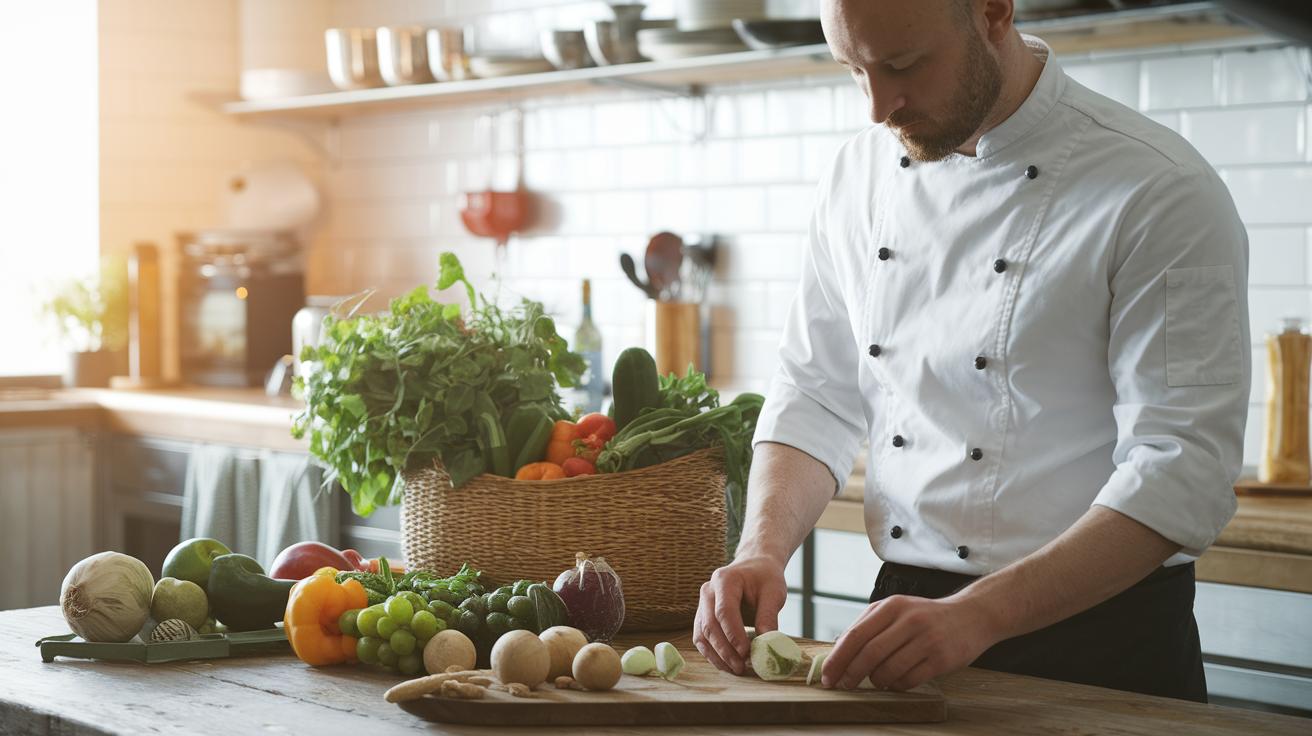
Starting a farm to table restaurant is an exciting journey. The first step is to lock in multi-year agreements with 3 to 5 local farms. This way, you'll always have a steady supply of fresh, seasonal ingredients.
Next, build a menu that can change with the seasons. Rotate your produce and proteins weekly or monthly. Imagine a chef swapping out a signature salad for a new dish that highlights that month's best harvest. This flexible approach keeps your guests curious and coming back for more.
Running your restaurant means keeping a close eye on your inventory, especially when working with small batches. Careful tracking can help reduce spoilage and waste. Since local ingredients can have higher costs, it makes sense to mark up your menu prices by about 5 to 15 percent to cover extra logistics. And remember, following local health department rules and FSMA (farm safety standards) requirements is a must.
Every detail, from securing dependable farm partners to managing your inventory and pricing smartly, plays a key role in building a successful farm to table restaurant.
Leading Examples of Farm to Table Restaurants Across the US
Three restaurants have helped shape the farm to table movement by favoring fresh, local ingredients. Blue Hill at Stone Barns in Tarrytown, NY opened in 2004 and quickly became a fine dining favorite by putting local produce in the spotlight. The Farmer & The Fork in Portland, OR began in 2013 and serves dishes made from produce grown within 60 miles, offering guests a true taste of the region. Nopalito in San Francisco, CA, established in 2006, features hearty, organic Mexican flavors using heirloom ingredients that bring a unique, memorable taste to every dish.
| Restaurant | Location | Year Established | Specialty |
|---|---|---|---|
| Blue Hill at Stone Barns | Tarrytown, NY | 2004 | Fine dining farm to table |
| The Farmer & The Fork | Portland, OR | 2013 | Produce sourced within 60 miles |
| Nopalito | San Francisco, CA | 2006 | Heirloom and organic Mexican |
Each of these spots stands out by forging strong ties with local farmers, enforcing strict quality checks, and offering menus based on the season’s best produce. Their honest approach ensures every dish bursts with flavor and creates a genuine connection between diners and local agriculture.
Final Words
In the action, this post broke down how farm to table restaurants work. We explored sourcing fresh ingredients within a tight radius and highlighted how chefs build strong ties with farmers.
We also examined the benefits that come from shorter supply chains and seasonal menus. The post offered guidance on choosing local spots and even tips for launching your own dining venture.
Every step paints a clear picture of farm to table restaurants, leaving you with a positive view of this fresh, community-driven concept.
FAQ
What defines farm to table restaurants?
The definition of farm to table restaurants centers on using ingredients sourced directly from nearby farms within a limited radius to ensure freshness and seasonality. These eateries emphasize close chef-farmer relationships.
How do chefs partner with local farms?
Chefs build strong connections by scheduling regular produce deliveries and arranging routine visits to partner farms. This hands-on approach ensures the highest quality and seasonal alignment of every dish.
What are the benefits of farm to table dining?
Farm to table dining offers perks like boosting local economies, reducing transportation emissions, retaining higher nutrient levels, and delivering unique flavors that create memorable dining experiences for guests.
How do farm to table restaurants maintain ingredient quality?
Restaurants maintain quality by updating their menus with seasonal offerings, coordinating direct farm deliveries, and performing regular on-site visits and ingredient audits to confirm freshness and authenticity.
How can I find a farm to table restaurant near me?
You can locate a local farm to table restaurant through food guides, online reviews, or by asking restaurant staff about their sourcing practices and which local farms supply their ingredients.
What makes a farm to table menu special?
A farm to table menu is special because it changes with the seasons, highlights locally sourced produce and proteins, and often features a farm spotlight to share details about the growers and their practices.