


Ever notice how bread turns soft and airy? Yeast is the little hero behind every perfect loaf. It loves to eat the sugars in flour and then releases carbon dioxide. This makes the dough puff up like a bunch of tiny balloons. The result is bread that feels light in your mouth and carries a richer flavor.
In this piece, we'll show you how yeast takes everyday ingredients and transforms them into a delicious staple. Get ready to discover the simple science that makes dough one of our favorite foods.
How Yeast Drives Bread Rise as the Core Ingredient
Yeast makes bread rise by eating sugars in the flour and releasing gases in a process called fermentation (when yeast converts sugar into gas and a little alcohol). It breaks down sugars like fructan, sucrose (released by invertase), and maltose to produce carbon dioxide and ethanol. The carbon dioxide forms bubbles in the dough, giving bread its soft, airy texture, while the ethanol and other byproducts add flavor and aroma.
Imagine tiny air pumps working inside the dough. Each burst of carbon dioxide acts like a mini balloon, lifting the dough bit by bit. Some bakers use wild yeast found in sourdough, which brings a distinct tangy flavor thanks to naturally occurring microbes. In contrast, commercial baker’s yeast provides a steady and reliable rise for every batch.
In all, yeast not only causes dough to rise but also affects the bread’s overall taste. The careful process of fermentation transforms simple dough into a loaf with a light texture and rich flavor, showing just how vital yeast is in baking.
Scientific Breakdown of Dough Expansion with the Rising Ingredient
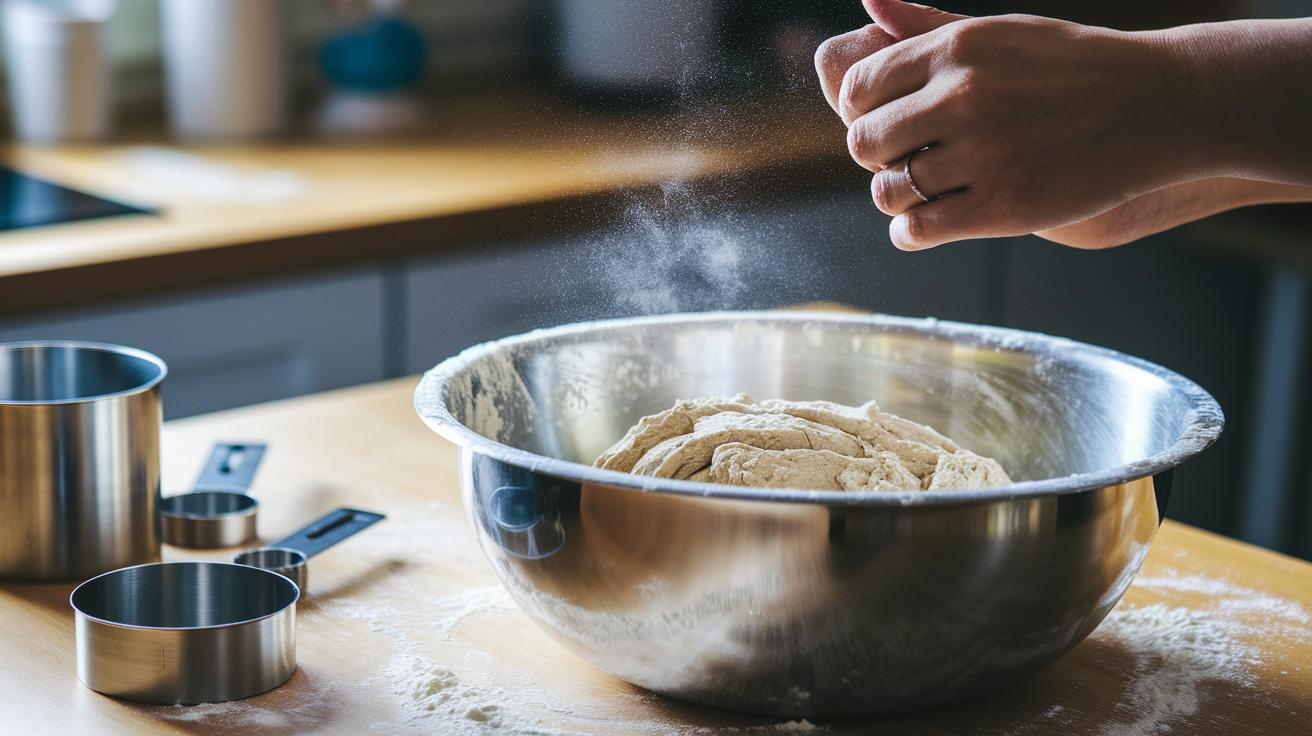
Research shows that dough rising happens in several clear steps. When you first mix the dough, the yeast begins to break down sugars, releasing gases like carbon dioxide and nitrogen. Moore and Hoseney (1985) noted that carbon dioxide alone does not explain all the volume increase, hinting that other elements also help kick-start the rise.
During the proofing stage, the yeast makes more carbon dioxide, gently inflating the dough. Then, as the dough moves into the oven, the ingredients work with fermentation, creating what we call an oven spring. Bloksma (1990) found that steam from the intense oven heat gives more than half of the final lift. Around 70°C, ethanol turns into vapor and adds an extra boost, filling in where carbon dioxide falls short.
In the final baking minutes, the gas bubbles merge to form a stable crumb structure that keeps the dough expanded and locks in its shape.
| Gas | Relative Contribution to Volume Expansion |
|---|---|
| Carbon Dioxide | Starts bubble formation during mixing and proofing |
| Steam | Creates over half of the oven spring lift |
| Ethanol | Vaporizes around 70°C to add extra lift |
| Nitrogen | Helps maintain bubble size |
This clear chain of gas expansion not only gives bread its unique structure but also creates the tasty texture we love in every loaf.
Comparing Natural and Chemical Leaveners for Bread Rise
Baker's yeast and sourdough starters are popular choices when making bread naturally. In a sourdough starter, wild yeasts and friendly bacteria (lactobacilli) work slowly together, giving the bread a tangy flavor and a light, airy texture. This method takes patience and care, but it rewards you with a deep, complex taste.
Chemical leaveners like baking powder and baking soda work quickly by mixing acids and bases to release carbon dioxide. They help the dough rise fast during mixing and baking, creating a consistent lightness. However, this quick lift may not bring the same depth of flavor as natural fermentation.
Both methods have their ups and downs. Natural fermentation offers a rich, evolving flavor, while chemical leaveners provide convenience and speed. Your choice depends on the taste, texture, and schedule you have in mind, letting you balance tradition with practicality in every loaf.
Usage Tips for the Ingredient That Makes Bread Rise

Boost your dough by keeping a few simple steps in mind. Start with a water-to-flour mix of 60% to 65%. A wetter dough speeds up fermentation (the process where yeast creates gas) so your bread gets a light, airy feel. Keep the dough temperature around 25°C to give the yeast a steady workspace for rising.
A little sugar, about 1% to 2% of the dough's weight, helps the yeast work faster without messing up the flavor. Knead your dough for 8 to 12 minutes to build a strong gluten network. This helps trap the bubbles and gives the bread a nice, even structure. Lastly, let the dough finish its first rise until it doubles in size. This step sets up the perfect base for the final proof.
- Measure all ingredients by weight.
- Keep dough hydration between 60% and 65%.
- Maintain a proofing temperature of 25°C.
- Use a small amount of sugar to fuel the yeast.
- Knead well until a clear gluten window forms.
ingredient that makes bread rise Brightens Every Loaf
Baker's yeast is the standard way to help bread rise. However, there are several other options that not only lift the dough but also affect its texture and flavor. For instance, brewer's yeast works slowly, giving the bread a gentle rise with a hint of bitterness.
Nutritional yeast is different since it is deactivated and does not help the dough expand. Some bakers opt for chemical leaveners like baking powder or baking soda. These ingredients speed up the process by using an acid-base reaction to release carbon dioxide, though they can change the flavor compared to traditional fermentation.
Another popular approach is using preferments such as poolish or biga. These mixtures combine a small amount of yeast with water and flour to build flavor and create a softer, more nuanced rise. Each method adds its own special twist, brightening every loaf in a unique way.
Troubleshooting Rise Issues with the Ingredient That Makes Bread Rise

Q1. Check Yeast Inclusion and Quantity
Not adding enough yeast or missing it altogether means your dough won’t produce enough bubbles (CO₂) to rise properly. To test if your yeast is active, mix it in warm water (about 25°C) with a pinch of sugar. Wait 5–10 minutes and look for bubbles and froth; if you see them, the yeast is alive and ready to work.
Q2. Assess Dough Consistency
A dough that is too stiff or dry can slow down how well the yeast works, while a dough that is too wet may collapse under its own moisture. Aim for a water-to-flour ratio between 60% and 65% for the best balance. Slowly add more water or a bit of flour, testing as you go, until the dough feels soft and pliable.
Q3. Monitor Dough Temperature
Yeast works best when the dough is kept around 25°C. If your dough is too cool, fermentation will slow down. On the other hand, temperatures above 40°C can harm the yeast. Use a thermometer or let the dough rest in a warm, draft-free area until it naturally reaches around 25°C.
Q4. Evaluate Flour Quality
The flour you use plays a big role in how well your dough rises. Flour with enough protein and simple sugars helps feed the yeast. If the flour lacks these, the yeast might not perform strongly, and your dough may not rise as expected.
Final Words
In the action, this article unpacked the science behind yeast’s role in dough rising. It compared natural and chemical leaveners and broke down the stages of fermentation. The discussion also offered hands-on tips to perfect dough hydration, temperature control, and sugar balance for that ideal lift.
We wrapped up with troubleshooting advice to overcome common challenges. With a closer look at the ingredient that makes bread rise, readers gain clear, practical insights for better baking at home.
FAQ
What makes bread rise: baking soda or baking powder?
The question about whether baking soda or baking powder makes bread rise highlights that these chemical leaveners use an acid-base reaction to release gas, whereas traditional bread rise relies on yeast fermentation to develop texture and flavor.
What is the role of yeast in bread making?
The role of yeast in bread making is that it consumes sugars to produce carbon dioxide and alcohol, which create bubbles that expand the dough and contribute to flavor and aroma.
How does yeast work in bread, especially for kids?
The explanation for how yeast works in bread is that it eats sugar and releases gas, similar to blowing up a balloon, which makes the dough rise and gives bread a light, soft texture.
What makes bread rise besides yeast?
The question about other rising ingredients shows that besides yeast, chemical leaveners like baking soda and baking powder can create a rise through acid-base reactions, though they offer a different texture than yeast-based fermentation.
Which process uses lactic acid fermentation to raise bread?
The process involving lactic acid fermentation, often seen in sourdough, uses wild yeasts and lactobacilli to produce gas and acidity, resulting in a tangy flavor and well-developed texture in the bread.
How do bakeries get their bread so soft?
The question about bakery bread softness reveals that soft bread is achieved by balancing dough hydration, proper kneading to build gluten, and proofing in a controlled warm environment for even rising.
What makes bread rise quickly?
The query about rapid bread rise explains that optimal hydration, a touch of sugar to feed the yeast, and maintaining a warm proofing temperature help speed up fermentation and produce a swift dough expansion.
What resources explain the science of bread making?
The science of bread making is detailed in research and articles that break down yeast fermentation, steam-driven lift, and chemical reactions, offering insights into how various factors work together to expand dough.