

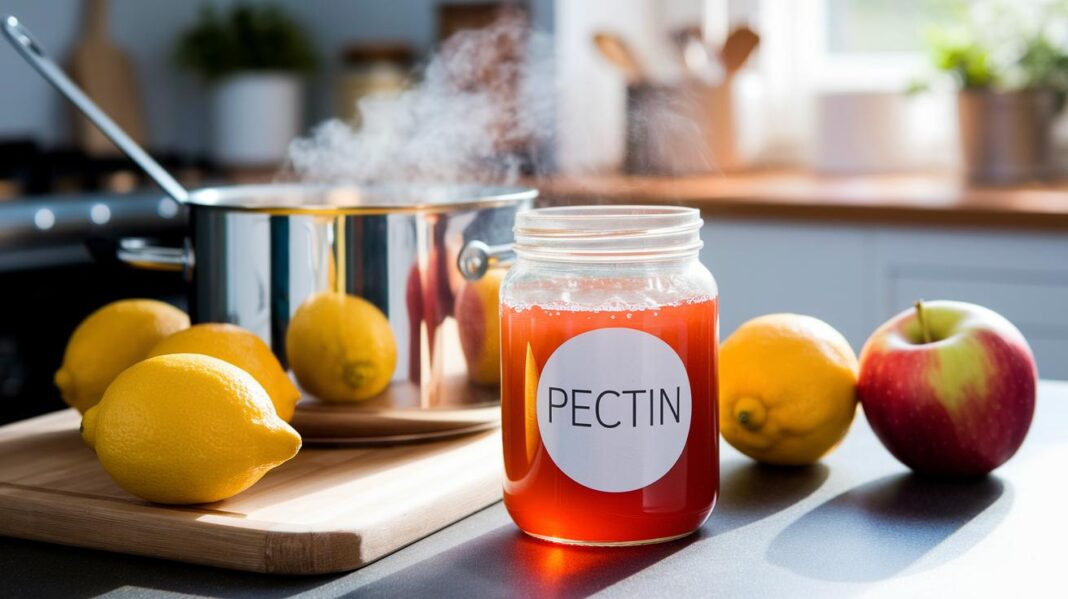

Have you ever wondered why your favorite jam spreads so easily? The secret is pectin, a natural substance found in fruits like apples and citrus (it’s nature’s way of holding things together).
When heated just right and mixed with sugar and a bit of acid, pectin turns liquids into smooth, stable gels that lock in the burst of fruity flavors. This process creates the cozy feel and irresistible texture you enjoy on toast or in recipes.
Understanding how pectin works can even change the way you cook. It’s a simple trick that makes both classic desserts and modern treats sparkle with delicious, well-held flavor.
Understanding Pectin Ingredient: Definition and Functional Properties
Pectin is a natural, jelly-like substance found in fruits like apples and citrus. It turns liquid mixtures into thick, stable gels in many recipes. When you heat pectin with sugar and acid, it forms a network that traps liquid, holding everything together. This reaction usually happens at 220°F, where the bonds form just right. If you heat it too much, those bonds weaken, and the gel may not hold as well.
Imagine making a spreadable jam by heating sugar, acid, and pectin to 220°F. That's the simple magic behind its gelling power.
Pectin comes in two main types:
| Type | Key Features |
|---|---|
| High Methoxyl (HM) Pectin | Works quickly with heat and sugar to form a firm gel |
| Low Methoxyl (LM) Pectin | Sets more slowly and is great for low-sugar or no-cook recipes |
Both types are available as powders or liquid extracts. They are mainly made from citrus peels or apple skins.
Understanding these differences can make a big difference in your cooking. Whether you are thickening a fruity jelly or stabilizing a dessert, pectin's natural ability to gel helps create classic and inventive dishes alike.
Pectin ingredient Sparks Tasty Food Magic
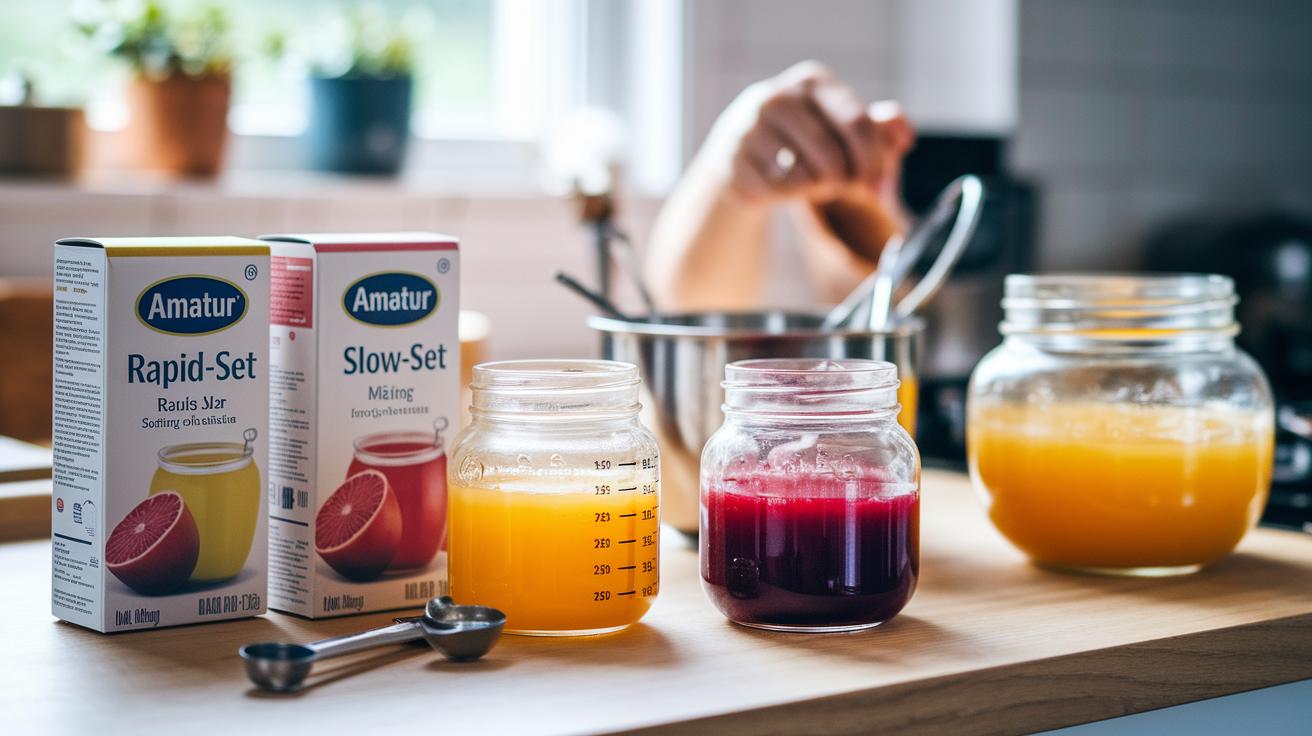
Pectin labels are like a cheat sheet for home cooks. They show you what type of pectin fits your recipe. Some products have rapid-set pectin to help recipes solidify quickly. Others use slow-set pectin with calcium ions (a natural mineral) to gently form fruit jams.
Powdered pectin is mixed with fruit juice at the beginning so that the natural flavors and textures blend smoothly. Liquid pectin, however, is added at the end to keep a smooth, even finish. Did you know that mixing powdered pectin early with juice creates a consistent gel, holding fruit pieces evenly? This trick can really spark tasty food magic.
Freezer pectin, a form of low methoxyl pectin, sets in the refrigerator without heat. This makes it perfect for no-cook jams. If you check the label closely, you might also pick up organic options made from fruit. These choices can deliver a purer, more natural flavor.
| Type of Pectin | Form | Setting Requirements |
|---|---|---|
| HM | Powder | Boiling with sugar required |
| LM | Powder | Gels with calcium ions |
| Freezer | Powder | Sets at refrigeration temperatures |
| Liquid | Liquid | Added at end of cooking |
Taking a moment to read the label can help you choose the right pectin to turn everyday recipes into sensational spreads.
Pectin Ingredient Sparks Tasty Food Magic
Pectin is the magic behind many sweet treats. It turns jam into a smooth gel that holds fruit pieces evenly and makes jellies shine. Use powdered, liquid, or freezer pectin correctly to get the perfect texture for marmalade, fruit preserves, or a spreadable blueberry jam.
Today, chefs are getting creative with pectin. It helps make chewy gummy candies, playful dessert gels, and dairy-free desserts stay firm while thickening smoothies. Fruits like apples, quince, cranberries, and citrus naturally have lots of pectin, which means you might not need to add as much extra. This makes pectin a handy ingredient in both old-fashioned recipes and new, inventive creations.
Pectin Ingredient Usage Guidelines and Conversion Techniques

When you set out to make jams or jellies, getting the pectin right is key. For example, you can substitute 2 tablespoons of liquid pectin with 4 teaspoons of powdered pectin. When using powdered pectin, start by mixing it into your fruit juice before you add any sugar. This step lets the pectin mingle with the fruit acids to build a strong gel. On the other hand, add liquid pectin towards the end of cooking. This timing helps create a smooth and even texture in your preserve.
Watch the temperature, too. The gel starts to form when your mixture hits 220°F. At this point, pectin molecules join together to trap the liquid inside. It’s best to cut the cooking time short after reaching 220°F so you keep the pectin’s full setting power. If you’re making a low-sugar version, you need to pay extra attention. Balancing the acid and calcium levels is important because they affect how well the gel holds together.
- Powdered pectin: Mix it with fruit juice before adding sugar.
- Liquid pectin: Stir it in at the end of cooking.
- Conversion tip: 2 tablespoons liquid pectin equals 4 teaspoons powdered pectin.
Following these simple steps will help you make consistently delicious spreads every time.
Pectin Ingredient Health Benefits and Usage Considerations
Pectin is a type of soluble fiber that slows food leaving your stomach. It gives a helping hand to gut-friendly bacteria and keeps you feeling full longer. This can be a handy trick if you're looking to manage hunger or control weight with moderate use.
Because pectin comes from fruits like apples and citrus, it is 100% plant-based and fits perfectly into a vegan diet. Unlike gelatin made from animal collagen, pectin adds natural nutrition and ethical benefits to your recipes without changing the taste.
Keep in mind that too much pectin might cause some discomfort, like bloating or gas, especially for those sensitive to fiber. Adjust the amount you use in recipes or supplements based on how your body reacts. On the plus side, pectin is a favorite in the kitchen for making jellies and jams and works as a daily fiber boost in a balanced diet.
- Helps digestion by slowing stomach emptying
- Keeps you feeling full for weight control
- 100% plant-based and vegan-friendly
Pectin Ingredient DIY Extraction from Fruit Sources
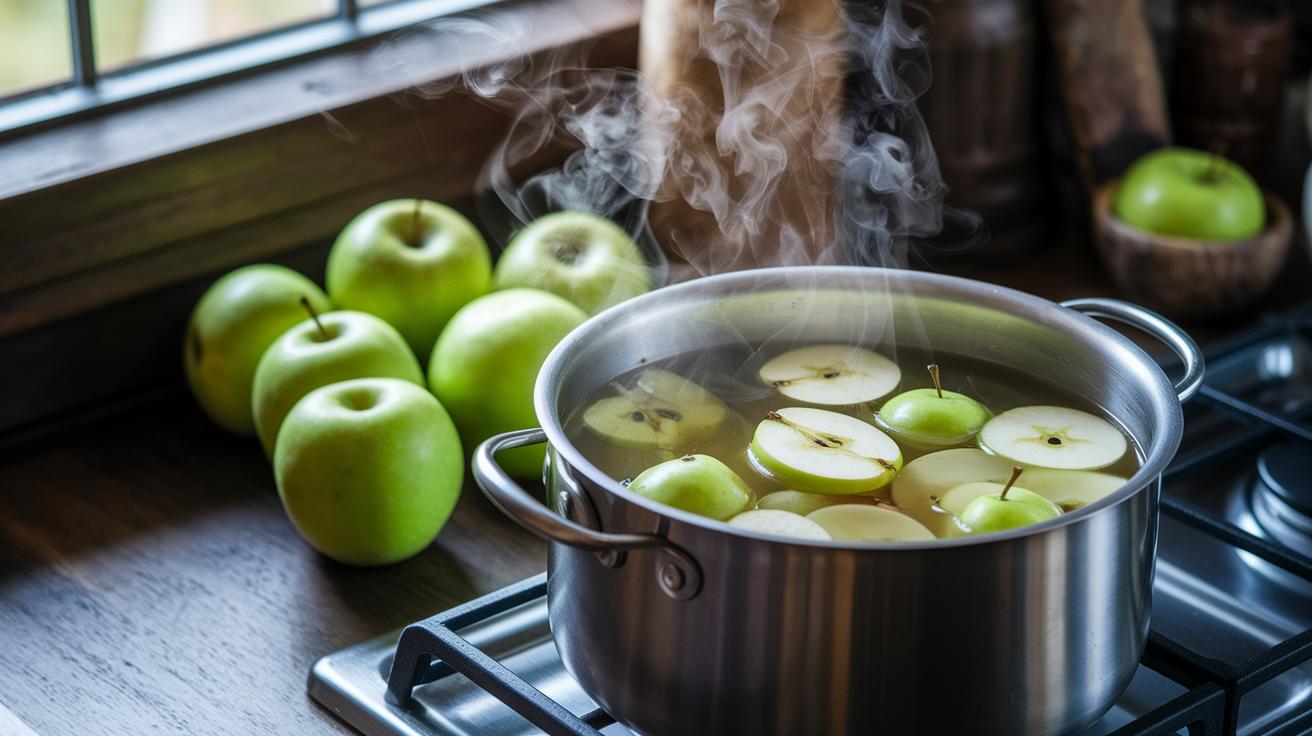
Start with green apples since they contain more pectin than ripe ones. Collect the apple cores and peels and put them in a pot with enough water to cover them. Heat the water until it simmers gently and let it cook for about 60 minutes. This soft bubbling helps break the fruit and free the pectin, much like a quiet kitchen symphony turning scraps into a useful ingredient.
After simmering, let the mixture rest at room temperature for 24 hours. This extra time allows the pectin to seep fully into the liquid, capturing the natural thickness of the apples. When done, pour the contents through a fine sieve or cheesecloth to remove the solids, leaving you with a clear, pectin-rich extract.
- Store the liquid pectin in the refrigerator and use it within a few days for small batches of jam or jelly.
This easy DIY method creates a natural, homemade pectin that brings tasty food magic to your preserves.
Pectin Ingredient Sourcing and Industry Quality Control
When you pick pectin for your recipes, quality is key. Most pectin comes from citrus peels or apple skins. Choose suppliers who clearly share the fruit source information. This openness means you’re getting ingredients from top-notch raw materials, which helps the pectin gel properly.
Producers run careful lab tests to ensure quality. They check methoxyl content and perform galacturonic acid assays (tests that measure the pectin’s ability to gel). These standard tests in food processing help guarantee every pectin batch meets strict standards, essential for both home cooks and professionals who want that perfect texture in jams, jellies, and preserves.
Certifications add extra reassurance. When pectin is marked organic, non-GMO, vegan, or halal, it shows a commitment to safety and ethical handling. Keep an eye out for these labels when choosing your supplier.
Key points to check:
- Clear information on whether the pectin comes from citrus or apples.
- Laboratory tests like methoxyl content measurement and galacturonic acid assays.
- Certifications such as organic, non-GMO, vegan, and halal.
Final Words
In the action, you explored the basics of pectin ingredient – from its natural origins to its role in setting jams and candies. We broke down the science behind its gelling properties, shared clear usage guidelines, and discussed health benefits along with DIY methods. Practical advice on reading labels and sourcing quality pectin ingredient helps you choose the best option for your recipes. Enjoy experimenting in the kitchen and relishing the benefits of this versatile, plant-based addition to your culinary toolkit.
FAQ
What is pectin made of and what is its role in biology?
The pectin ingredient is a soluble gelatinous polysaccharide found in plant cell walls, especially in apples and citrus. It works as a thickening and gelling agent in food recipes.
What are the sources and typical ingredients of pectin in food?
The pectin ingredient list usually includes extracts from citrus peels or apple skins. It naturally occurs in fruits and acts as both a dietary fiber and a food thickener.
What is pectin powder and how is it used?
The pectin powder is a processed form available as either powdered or liquid extract. It gels when combined with sugar and acid at the right temperature, making it ideal for jams and jellies.
Is pectin vegan and why might there be confusion about its vegan status?
The pectin ingredient is fully plant-based and vegan. Some confusion arises from processing methods, but pectin is typically derived from fruits without any animal products.
Is pectin halal?
The pectin ingredient is sourced from fruits and is considered halal. Always check the product label for any specific halal certification.
Is pectin a safe ingredient for consumption?
The pectin ingredient is safe when consumed in normal amounts. As a soluble fiber, it works well in food preparation, though excessive intake may cause minor digestive discomfort.
What does pectin do for your body?
The pectin ingredient helps support digestive health by acting as a soluble fiber that slows gastric emptying and may assist in weight management while promoting a balanced gut.
Why might pectin be considered bad for some individuals?
The pectin ingredient is safe for most people, but high doses can lead to bloating or gas, especially for those with sensitive digestion.