

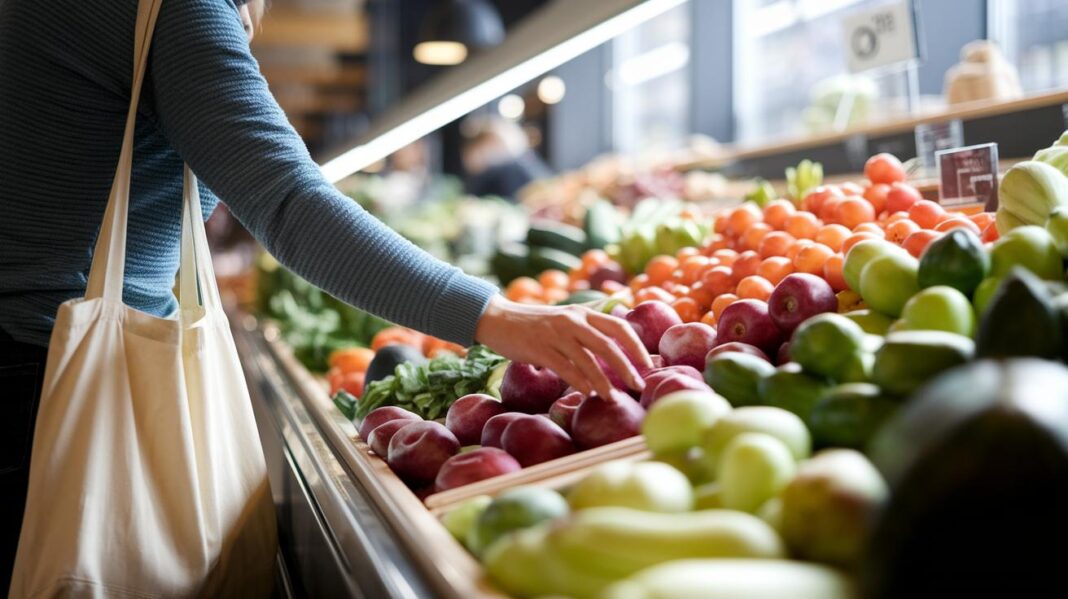

Ever thought your next grocery run could boost your health and support local farms? Organic shopping means choosing food grown without extra chemicals, giving you fresher flavors and helping small growers thrive. Picture yourself picking crisp, juicy tomatoes at the local market or grabbing grains in bulk to save money. This guide explains the clear benefits and simple steps to enjoy healthier eating. Learn how switching to organic can make a real difference for your body and community.
Organic Grocery Shopping Essentials

Organic grocery shopping means choosing foods that are good for both your health and your wallet. A nutritionist suggests starting with items that offer clear health benefits. When you opt for organic, you cut down on unwanted chemicals and support natural growing methods. Think of it as building a sustainable habit that nurtures your body and benefits your community.
Visiting local farmers markets is another smart move. These markets offer fresh, seasonal produce and help support local growers. Imagine walking through a busy market and picking up crisp, sun-ripened tomatoes that burst with flavor. Besides reducing environmental impact, local produce can sometimes cost less than imported goods.
Buying in bulk is a practical way to save money. Grains, legumes, and even nuts bought in larger quantities can lower the cost per unit. One shopper once said buying in bulk is like stocking up on sunshine, one smart purchase goes a long way.
Planning your meals ahead of time also helps keep costs in check. When you set a weekly menu, you're less likely to make impulse buys that strain your budget. Try blending organic produce with plant-based proteins to create balanced meals without overspending.
Start small with gradual changes. Instead of switching your whole shopping list at once, add one organic item at a time. This step-by-step approach helps you build a mindful shopping routine that balances health, cost, and convenience.
Decoding Organic Certifications and Labels

When shopping, check the package for the USDA Organic Seal. That mark tells you that 95% or more of the ingredients come from organic sources. For example, a jar of jam with the USDA Organic label means most of its fruit was grown without synthetic chemicals.
You might also see labels like 100% Organic, which means every ingredient is organic. Meanwhile, some items say Made with Organic Ingredients. This means they contain at least 70% organic content. Think of a bowl of cereal with that label: only part of it meets strict organic guidelines.
Trusted third-party certifiers verify these claims. They inspect every step from the farm to the shelf to make sure products truly meet organic standards.
Some label terms can be confusing. Pesticide-free means no pesticides were used, but it does not necessarily mean the product is fully organic. Likewise, terms like natural or non-GMO suggest fewer chemicals, yet they do not follow the strict rules of organic certification.
Remember, genuine organic products must pass detailed audits, while other labels have looser standards. Knowing these differences helps you create a shopping list that reflects your commitment to clean, healthy foods.
Selecting Seasonal and Local Organic Produce

Choosing organic produce during its season lets you enjoy fruits and vegetables at their peak flavor and value. When produce is in season, it is picked at its prime. This means better taste and often a lower price because more is available and it travels shorter distances. For example, think of spring strawberries with their natural sweetness, summer tomatoes that add a juicy crunch to salads, fall squash that brings a comforting texture to warm dishes, and winter root vegetables that fill meals with essential nutrients.
Visiting local farmers markets is a smart way to get fresh, farm-to-table options. These markets support local growers and offer the best seasonal harvests in your area. In cities such as Nashville, TN and Columbus, OH, vendors frequently provide produce that is fresher and more flavorful than what you find in big supermarkets.
When buying farmfresh produce, it helps to compare offerings from different vendors, ask about how quickly the produce makes its way from the field to your plate, and even pick up some cooking tips from the growers. These little nuggets of advice can help you plan meals that showcase the natural taste of organic ingredients while keeping your grocery bills in check. Enjoying seasonal and local produce not only brightens your cooking, but it also brings nutrient-dense flavors straight from nature to your table.
Organic grocery shopping guide: Savor Fresh Bounty

Stretch your grocery budget while still getting high-quality food by using smart shopping tricks. One great tip is to buy basics like grains, nuts, and beans in bulk. Purchasing larger amounts cuts the cost and keeps your pantry stocked with healthy ingredients. Imagine a big bag of quinoa that is both nourishing and kind to your wallet.
Focus on whole, lightly processed foods and try store-brand organic options that blend quality with value. Keep an eye out for special deals and use loyalty discounts at your local natural food store. These simple steps can help you stick to a clean, organic eating plan even on a tight budget.
Skip the pricey packaged organic snacks and choose plant proteins like beans or lentils instead. They offer great nutrition and save you money. Planning your meals ahead can also cut down on impulse buys and reduce food waste. It even lets you use those bulk buys in delicious recipes.
- Buy basics in bulk
- Choose store-brand organic items
- Watch for sales and use loyalty discounts
- Swap packaged snacks with fresh, whole foods
Using these tips, you can enjoy a bounty of organic foods without stretching your grocery budget too far.
Navigating Organic Grocery Stores and Market Chains

When planning your organic shopping trip, compare both big chains and local health food stores. Big stores usually feature wide organic sections with clear signs, making your way around easy. They often use apps to highlight seasonal deals and current promotions. Ask a staff member if they know of any extra discounts.
Local markets offer a cozier feel with fresh, local produce. These stores focus on community-sourced items and can surprise you with insider tips on seasonal specials that might get lost in larger establishments.
Before you shop, take a quick look at the store layout. Many places arrange produce, dairy, and pantry items by freshness or certification, which helps you find the organic section fast. A friendly chat with staff may also reveal budget-friendly deals.
Compare your options on each visit. Whether you opt for the broad variety at a national chain or the hand-picked selection at a regional spot, keeping up with these trends can help you enjoy better quality and savings.
Building Your Organic Grocery Shopping Checklist

Planning your organic grocery trip becomes so much easier with a simple, printed checklist. First, break your list into clear sections like produce, proteins, dairy, pantry staples, and snacks. Leave some space for seasonal picks and bulk items. Jotting down unit prices, like cost per pound or per container, helps you compare costs and stick to your budget.
Next, add meal ideas to your checklist. Write down the planned recipes or dishes alongside the key ingredients. This way, you avoid impulse buys and reduce waste. Using checkmarks next to each item makes it easy to see what you have in your basket. This friendly tool keeps your shopping organized and budget-friendly.
- Produce
- Proteins
- Dairy
- Pantry staples
- Snacks
Online Organic Grocery Ordering and Delivery

Shopping for organic groceries online is simple and fun. Filters help you zero in on your favorite goods, much like choosing only the best ingredients for your meal. Digital shopping platforms quickly show you items with the organic seal (which means they meet strict natural growing standards). You can also try subscription boxes that deliver a fresh monthly mix, or stick with traditional retail delivery if you prefer picking each item yourself.
Always check delivery fees against in-store pickup options to save money. One shopper found that even a small fee savings can really add up when you order regularly. Scheduling your orders in advance turns meal planning into a breeze and even helps cut down on food waste.
Each platform tracks your order from cart to doorstep, ensuring a smooth and budget-friendly experience.
Final Words
In the action, this organic grocery shopping guide covers everything from reading organic labels to choosing seasonal local produce. It breaks down budget-friendly tactics, easy store navigation, and clever online ordering options.
The article offers a clear checklist and practical tips that simplify your organic food purchases. Enjoy the fresh flavors and smart savings as you shop with confidence!
FAQ
What is a “what to buy organic and what not” chart?
The chart helps shoppers decide which items are best bought organic by showing which foods tend to have higher pesticide residues versus those that are safer to buy nonorganic.
What are Clean 15 foods or the EWG Clean 15?
The Clean 15, also known as the EWG Clean 15, lists produce with lower pesticide levels, suggesting that these items are generally safe to purchase nonorganic without significant chemical risk.
Are bananas on the Dirty Dozen list?
Bananas are typically not on the Dirty Dozen list because they usually have lower pesticide residues, making them a lower risk for chemical exposure compared to other produce.
Are potatoes on the Dirty Dozen list?
Although opinions vary, potatoes may appear on some pesticide lists due to surface residues. Buyers might consider organic options if they are especially concerned about pesticide exposure.
How should you clean Dirty Dozen foods?
The best method is to rinse produce thoroughly under running water, using a brush on rough-skinned items, which helps remove pesticides and other unwanted residues.
What does the Dirty Dozen list 2025 indicate?
The Dirty Dozen list 2025 ranks produce with higher pesticide residues in that year, advising consumers to consider organic versions to lower their exposure to chemicals.