


Ever wonder if your meal could be a hidden danger? When food sits between 40°F and 140°F, harmful bacteria can double every 20 minutes. Even a small slip in temperature control can risk your meal.
Using a food thermometer (a simple tool to check the heat) and storing food properly can keep these hazards at bay. Follow a few easy steps and you can enjoy your meal without worry. Learn how to manage food temperatures so you can eat confidently every time.
temperature danger zone in food safety: Eat Confidently

The temperature danger zone is the range between 40°F and 140°F where bacteria grow fast. In this zone, harmful germs can double every 20 minutes. Perishable foods kept at these temperatures for more than 2 hours face a higher risk of contamination. Using a food thermometer helps ensure food stays out of this risky range.
When you monitor temperatures, you can eat with confidence. Hot foods should be kept at or above 140°F, and cold foods should remain at or below 40°F. Checking and storing food properly keeps it safe. These simple steps help reduce the risk of foodborne illness for both home cooks and restaurant professionals.
Risks of Bacterial Growth Within the Temperature Danger Zone

When food sits between 40°F and 140°F, harmful bacteria can quickly get out of control. In this range, bacteria may double every 20 minutes, which ramps up the chance for toxins to form. Modern temperature monitors help track even short periods of risk so teams can catch issues early. For example, one study showed that continuous monitoring picked up temperature spikes well before a 2-hour window, alerting staff to take action.
Using smart safety tools can lower these risks even more. Continuous data loggers, combined with regular temperature checks, keep a detailed record of food conditions. This method not only spots when food enters the risk zone but also helps identify patterns that can lead to better food handling. One local eatery discovered that even small breaks in refrigeration could boost toxin levels.
Quick actions are essential to keep bacteria at bay. Promptly refrigerating food, regularly checking with calibrated thermometers, and keeping hot dishes at or above 140°F during service all strengthen safety. A seasoned chef, for instance, continuously monitors his dishes to ensure every meal stays out of the danger zone and safe to enjoy.
Proper Cooking and Hot-Holding to Avoid the Temperature Danger Zone

When preparing meals with raw meat or poultry, it is key to reach the right cooking temperature. Roasting at 325°F or above kills harmful bacteria and makes the food safe. Using an oven-safe digital thermometer lets you check the inside temperature easily. One chef shared, "I always check my roast mid-cook to be sure it's hot enough. That gives me confidence against harmful bacteria."
After cooking, keeping food hot is equally important. Hot items should stay at or above 140°F to stop bacteria from growing. Regular checks every 2 to 4 hours help keep the food at a safe temperature. This routine ensures that dishes remain safe from foodborne illnesses until they are served.
During service, the care for safe holding continues. Many kitchens use digital thermometers with data logging to monitor temperatures around the clock. A restaurant manager explained, "Routine checks with our thermometer keep our meals safe and boost customer confidence." Following these steps creates a strong barrier against unsafe temperatures and upholds reliable food safety standards.
Cooling Techniques and Cold Storage Guidelines for Temperature Danger Zone Control

When you work with cooked food, it’s important to cool it down fast to keep it safe. Food should drop to 40°F or lower within 2 hours. Using shallow containers lets the heat escape quickly, so the food doesn’t stay too long in a warm environment. This helps keep the flavor and texture intact since long exposure to room temperature can let dangerous germs grow.
Many food service workers use blast chilling to lower the temperature in just minutes. This method adds an extra measure of safety. Keeping food in the refrigerator at 40°F or below also stops bacteria from growing back and helps preserve both nutrients and quality.
For home cooks and professionals alike, cooling food properly is essential to avoid foodborne illnesses. A trusted food thermometer is a must-have tool to make sure every step, from cooking to cooling and storing, meets safety standards.
| Cooling Method | Time Frame | Target Temperature |
|---|---|---|
| Shallow Container Cooling | Within 2 Hours | 40°F or Lower |
| Blast Chilling | 15-30 Minutes | 32°F – 40°F |
| Refrigeration Storage | Ongoing | 40°F or Lower |
Monitoring and Verification to Maintain Safe Temperatures

Today’s kitchens use smart sensors and remote systems that alert staff immediately when food temperatures get close to unsafe levels. These tools combine accurate digital thermometers with automatic data logging (recording temperature readings) to cut down on manual checks. They keep hot foods above 140°F and cold foods below 40°F without depending on checks every 2 to 4 hours.
Some kitchens now include automatic reminders for staff to calibrate their equipment accurately. With digital dashboards and cloud-connected sensors, any temperature changes are recorded in real time, allowing staff to act quickly before food safety is compromised. This innovative approach enhances traditional record-keeping and helps minimize the risk of harmful bacteria.
Regulatory Standards and Protocols for Temperature Danger Zone Management
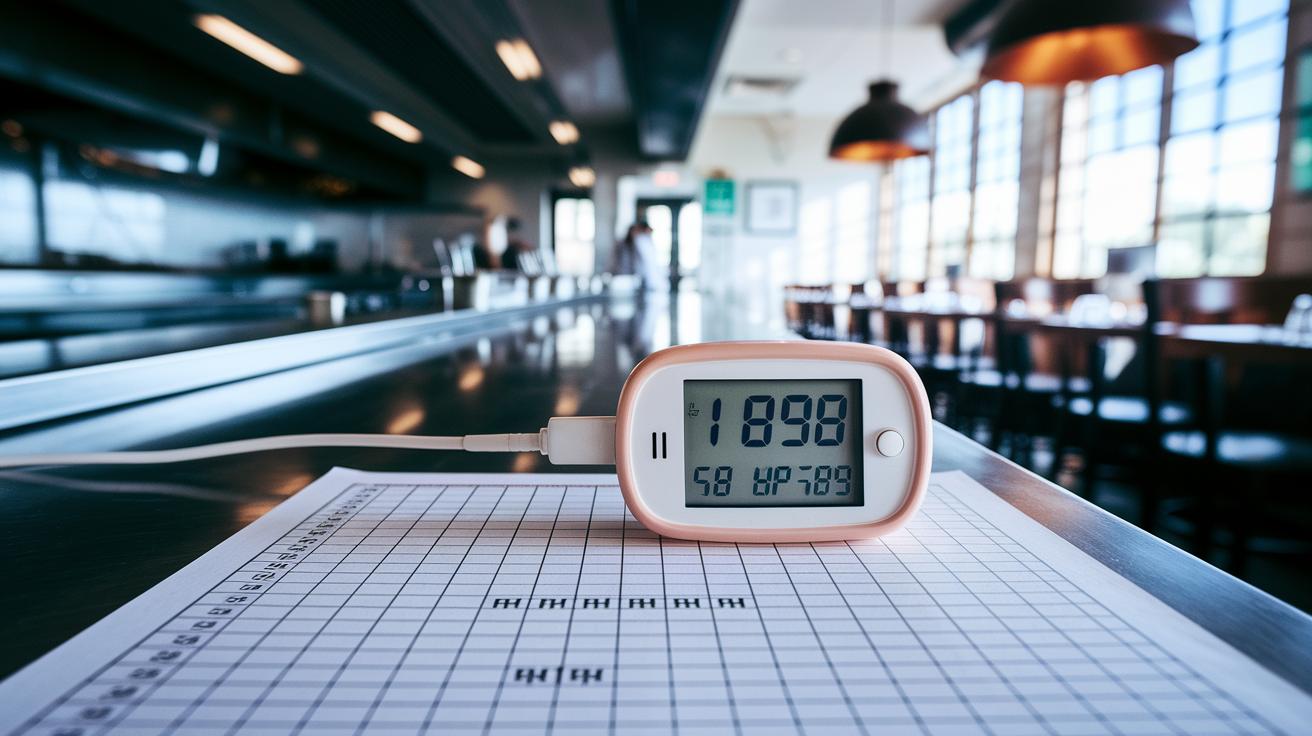
U.S. agencies set clear rules to keep our food safe. The CDC and FDA say that temperatures between 40°F and 140°F are risky because bacteria grow fast in this range. Food businesses must store perishable items outside this zone to cut down on contamination.
Restaurants and other food facilities use calibrated thermometers to check temperatures continuously. If food temperatures stray, they must take immediate action to fix the problem. These guidelines also require keeping accurate records and regular audits so that safety practices are always followed.
HACCP principles help by marking critical control points and requiring quick fixes if food enters the danger zone. ServSafe protocols also offer step-by-step tips for proper reheating and hot-holding practices. Continuous temperature checks and detailed logs are mandatory for every operation to prevent foodborne illnesses.
By following these rules, businesses lower the chances of bacteria growth and build trust with their customers. Every meal is prepared with safety in mind, so consumers can eat confidently knowing that every step was taken to protect their health.
Final Words
In the action, the post explored safe cooking, cooling, and monitoring practices to keep food out of the temperature danger zone in food safety. It outlined how food held between 40°F and 140°F can spark rapid bacterial growth and raised practical tips for safe hot holding and efficient cooling.
Clear guidelines from bodies like the CDC, FDA, and ServSafe were also spotlighted. These actionable tips help you keep meals safe and preserve quality every day.
FAQ
What is the temperature danger zone in food safety?
The temperature danger zone in food safety refers to the range of 40°F–140°F (4°C–60°C) where bacteria can double quickly, increasing the risk of foodborne illness when perishable foods are held within this interval.
What do FDA, CDC, and ServSafe guidelines say about the temperature danger zone?
The temperature danger zone per FDA, CDC, and ServSafe guidelines is defined as 40°F–140°F. These protocols require that foods be rapidly heated or cooled to avoid prolonged exposure to this range and reduce contamination risks.
How does HACCP outline the danger zone for food?
The HACCP principles designate the danger zone between 40°F–140°F as critical, meaning pathogenic bacteria can grow rapidly. Following these guidelines is essential for identifying and mitigating potential food safety issues.
What does the temperature danger zone mean for cold food safety?
The temperature danger zone for cold food highlights the need to keep perishable items at or below 40°F. This practice slows bacterial growth, helping maintain safe storage conditions for refrigerated foods.
What is the 2 to 4-hour food rule?
The 2 to 4-hour food rule specifies that perishable items should not remain in the danger zone for longer than 2 hours, or 4 hours in less controlled conditions, to minimize the risk of bacterial multiplication and illness.
Is milk a temperature control for food safety?
Milk itself is not a temperature control; it is a perishable product that must be stored at or below 40°F to keep bacterial growth in check and ensure it remains safe for consumption.