



Have you ever wondered why many crops never end up on every table? Even when farms produce plenty, millions of people miss out on quality meals. In 2023, more than 345 million people felt the impact of food insecurity. This shows that the problem goes beyond just growing food.
In this article, we explore straightforward ideas to solve supply issues and boost access to nutritious meals. With simple, fresh approaches, smart changes can help bring steady food supplies to communities that need them most.
Understanding the Current Food Shortage Crisis
Food shortage happens when the food available does not meet the demand, even if global production is high. Unequal delivery and access mean that many areas still struggle. In 2023, over 345 million people experienced food insecurity, up by 200 million since 2020. This gap shows that having enough food doesn't always mean receiving the nutrients needed.
The issue goes past simple hunger. Some communities face limited options for healthy food, while global numbers indicate a worsening food crisis. Even when farms produce plenty, problems like inefficient transport and market imbalances can leave some areas with too little. Regions with extra food production may still see shortages that impact daily nutrition and community stability.
Recent reporting from Food Industry News (https://abuzzfood.com?p=79) explains that these local shortages stem from broken supply chains and income gaps. As our food systems grow more complex, it is vital for consumers, policymakers, and industry leaders to work together. By addressing these issues, we can help ensure that fresh and nutritious food reaches every table.
Major Causes Behind the Food Shortage Surge
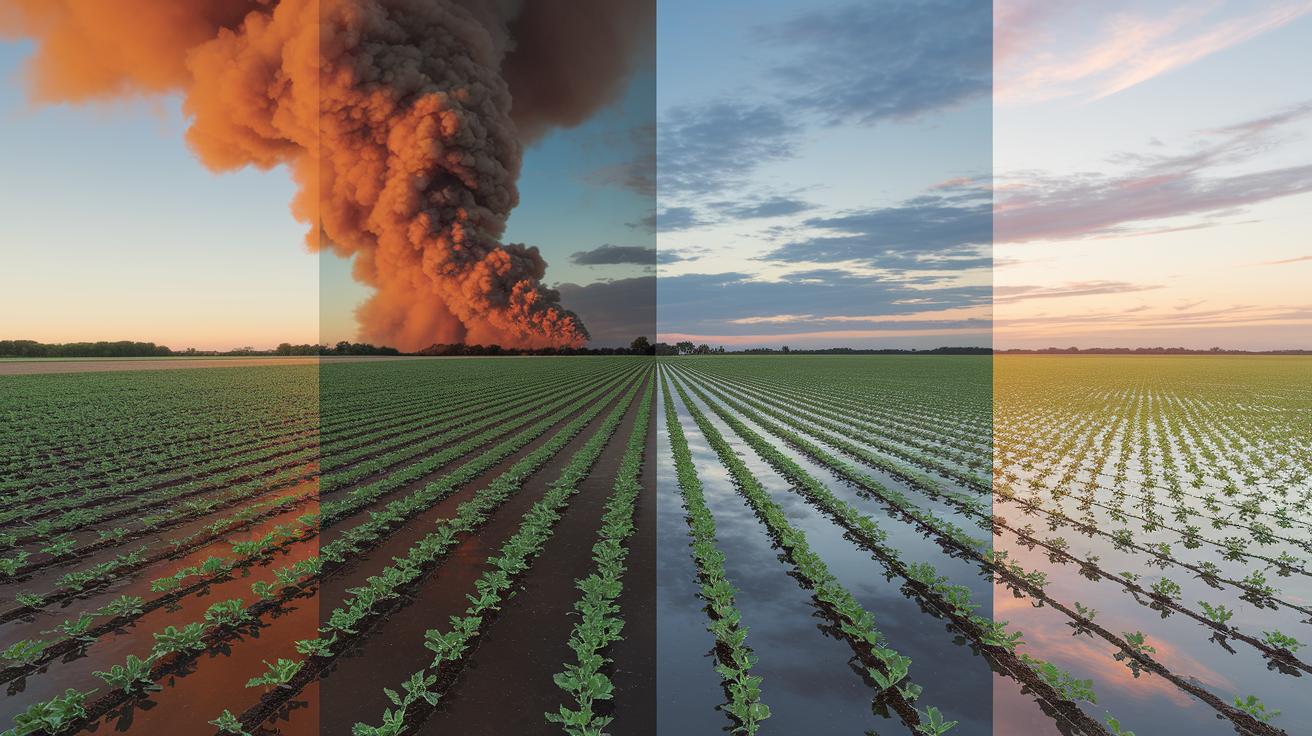
Wildfires, droughts, floods and heat waves are hitting farms hard. One severe drought wiped out an entire soybean crop in a major U.S. farming area, and farmers struggled to keep up with demand. Each weather event not only cuts production but also stresses the supply chain.
Traditional farming methods have worn out the soil. Constant planting and harvesting drain nutrients and lead to erosion. Think of it as carving a notch in a wooden beam over and over until it weakens. With weaker soil, crops become more vulnerable to problems, including those brought on by a changing climate.
Labor shortages add to the strain. A study from Michigan State University found that a 10% drop in farm workers can push food prices up by about 3% for crops that need a lot of care. In 2021, more than half of U.S. farmers struggled to find enough workers. One blueberry grower in New Jersey, who needed 600 to 700 workers for 650 acres, ended up with only about 200 helpers, leaving roughly 2.5 million pounds of blueberries unpicked. This shortage drives up prices and lowers the overall harvest.
The global political scene also affects food supplies. The conflict between Russia and Ukraine has reduced global cereal exports by nearly 20%, which makes flour and grains harder to come by. Combined, fewer workers, bad weather, worn-out soil and international conflicts make it tough for farms to meet consumer needs consistently.
Impact of Food Shortage on Communities and Nutrition
Food shortages are changing how people eat in cities and towns alike. In cities, rising prices mean families spend more of their budget on food. This forces many low-income households to choose between buying more food or better quality food. Many urban areas now suffer from food deserts, where small shops are closing and fresh, healthy options become hard to find. In rural areas, higher transport costs make it even tougher for people to get the foods they need, worsening long-standing nutrient gaps.
Everyday staples such as butter, eggs, flour, bread, corn, oranges, and vegetable oils are also becoming scarce and more costly. For example, fewer farm workers and lower milk production have strained the supply of dairy, while an avian flu outbreak along with higher labor costs has pushed up egg prices. These changes lead to:
- Families spending a higher percentage of their income on food.
- A drop in nutritional quality as cheaper, less healthy options replace more nutritious ones.
- Reduced food variety in both cities and rural communities, which can harm long-term health.
As food becomes harder to get and more expensive, community nutrition is at risk. With higher prices and dwindling supplies of essential ingredients, households must cope with challenges that go well beyond hunger.
Future Predictions for Food Shortage Scenarios
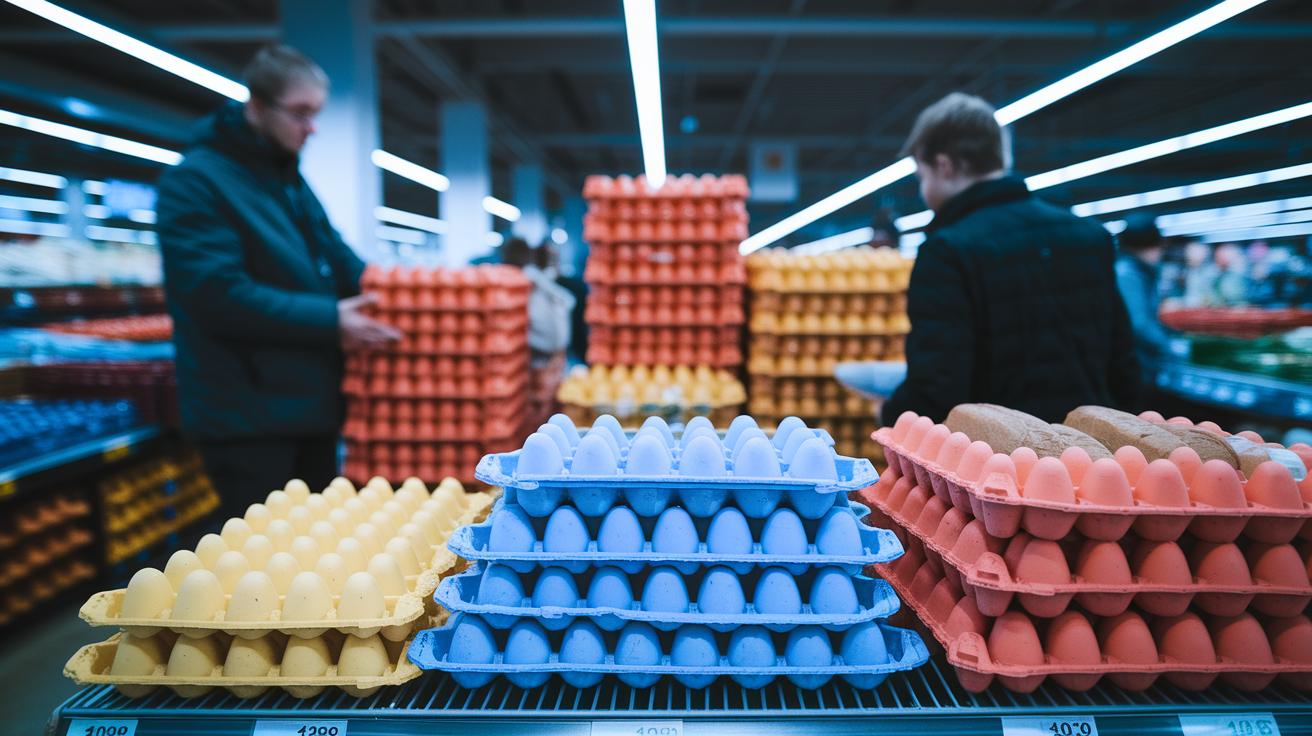
Short-term outlooks show that butter, eggs, and wheat-based foods may continue to run low through 2024. The USDA notes that producers are struggling to keep up with demand because of ongoing supply chain issues. As the population grows, our food systems feel the pressure even more.
Scientists warn that severe weather events, which can destroy entire crops, might become more common in the coming decades. Outdated infrastructure and worker shortages add to the problem, meaning a long-term food crunch could hit many parts of the world. With more people and limited resources, experts believe food shortages could be a regular challenge for communities everywhere.
To face these challenges, both government and private companies need to invest in new technology and smart plans. By using better forecasting tools, building strong emergency food reserves, and adopting modern farming methods, we can create a more resilient supply chain. The recent pandemic exposed many weak spots, pushing leaders to plan for the future so that food supply finally meets rising demand.
Mitigation Strategies for Food Shortage and Resilience
Governments and new technologies are working together to fight food shortages. Subsidies help farmers try methods like vertical farming and hydroponics (growing plants in water). These techniques let crops grow with less land and water. For example, vertical farms stack plants in layers under controlled conditions to save resources.
New tech also makes a big difference. AI-powered soil tests and smart irrigation systems (tech that uses the internet to monitor farming) help farmers check their crops in real time. This means they can adjust water and fertilizer exactly when needed, cutting down waste and boosting crop health. These systems even spot pests early so farmers can act fast.
Local projects add extra strength. Community-supported agriculture and food banks connect local farmers directly with consumers. This shortens supply routes, reduces waste, and helps fresh food reach people who need it. A good tip for homes and small businesses is to keep a three-day emergency food supply. Experts say be ready without overbuying.
Old school techniques still matter. Crop rotation, for example, can boost soil fertility by up to 20% and keep the ground rich for many seasons. When farmers mix these traditional methods with modern tech, they create systems that handle sudden changes in supply well.
Blending these ideas helps build food systems that are both flexible and strong. Sustainable farming practices lower waste and strengthen local food security. Clear policies and sound emergency plans also make sure that food stays available even during tough times.
Policy Responses and Global Coordination on Food Shortage

Governments are stepping in with measures like subsidies, price supports, and changes to import-export policies to keep food markets steady. These actions help soften the blow when supply problems hit and make sure food stays available. For instance, a country might use a price support plan where a farmer gets a guaranteed minimum price during a shortage, keeping incomes steady even when prices change.
International relief efforts are also key. Agencies work together by sharing data and resources so that areas facing shortages can quickly get the help they need. For example, the International Food Policy Research Institute offers tools to keep an eye on crop health and yields, which helps decision-makers act fast based on real data.
When a crisis hits, keeping emergency food reserves and using early-warning systems that spot potential issues before they worsen are part of the plan. Past trade limits like embargoes and sanctions have led to sudden local shortages and rising prices, proving that global dialogue and teamwork are vital.
Improving food distribution is just as important. Clear communication between national governments and international groups helps move food quickly. This smooth flow keeps local markets stable and eases the burden on consumers.
Final Words
In the action, the blog covered the current challenges of the food shortage, highlighting global hunger statistics and the pitfalls of uneven distribution. It broke down how climate shifts, labor issues, and policy measures affect food production and access. Practical solutions, from innovative farming techniques to emergency preparedness, were discussed to help ease the crisis. The post reminds us that understanding these factors can guide smarter buying and cooking. Staying informed empowers communities and supports a positive future for our food systems.
FAQ
What is food shortage 2025 and what does it mean?
The term food shortage 2025 signals expected gaps in staples like dairy, eggs, and grains caused by supply chain disruptions, labor shortages, and extreme weather. Regional effects will vary.
Why is there a food shortage now?
The food shortage now stems from supply chain imbalances, climate events, labor gaps, and geopolitical tensions. These factors cause uneven food distribution despite overall production meeting demand.
Which countries are experiencing food shortages?
Many regions, including parts of Africa, Asia, and Latin America, face food shortages because local climate impacts and distribution challenges vary widely across different markets.
What does food shortage 2026 indicate?
Food shortage 2026 hints at continued challenges from disrupted supply chains, labor shortfalls, and weather extremes, suggesting similar or worsening impacts on food availability in various regions.
What are the main causes of food shortages?
Main causes include extreme weather, declining farm labor, soil degradation, supply chain breakdowns, local conflicts, economic gaps, and policy limitations that hinder even distribution.
What are the world food shortage predictions?
Global forecasts point to persistent regional shortages driven by climate challenges, labor deficits, and distribution issues, emphasizing that despite robust production, many areas may still face scarcity.
Should I be preparing for a food shortage?
Experts suggest preparing by maintaining a three-day emergency supply and planning smart purchases, helping households manage unexpected local disruptions without causing market strain.
Did Trump cancel the food security report?
Reports do not confirm that former President Trump canceled the food security report. Official statements and recent coverage do not verify any such cancellation.
What items are expected to be in short supply in 2025?
Forecasts predict shortages in items such as flour, dairy, eggs, and grains in 2025, driven by labor shortages and extreme weather affecting production and distribution.