



Ever think a little restaurant could feed its community, save money, and help the planet all at once? Many small kitchens toss nearly 40% of their ingredients each year.
By using affordable, sustainable menus, restaurants can cut waste and lower costs while serving dishes that keep diners coming back. In this article, we show you smart tweaks like using shared ingredients and seasonal produce to create clear, ethical dishes that help your wallet and the environment.
Essential Affordable Sustainable Menu Strategies for Small Restaurants
Small restaurants can keep meals budget-friendly and kind to our planet by focusing on ethical sourcing (buying food responsibly), cutting food waste, and keeping menus clear about where ingredients come from. For example, using the same produce like spinach in salads, pastas, and soups can lower waste by roughly 15%.
The USDA tells us that kitchens waste 30-40% of food every year. By controlling portions and tweaking recipes, restaurants can save money while shrinking waste. Relying on shared ingredients across dishes also simplifies inventory and helps prevent food from spoiling. This smart approach allows chefs to update menus based on seasonal produce and current market prices.
Regularly checking food costs and profits can show which dishes deliver value and which lead to excess waste. Seasonal menu changes and careful portioning not only cut waste but also keep customers happy with consistent flavors and textures.
Beyond choosing the right ingredients, being open about food sources boosts the dining experience. When a menu shares its story of ethical produce sourcing, it attracts eco-aware diners and justifies price points. For more ideas on designing eco-friendly menus, visit https://matpple.com?p=763.
Assessing Menu Performance for Cost-Efficiency and Sustainability
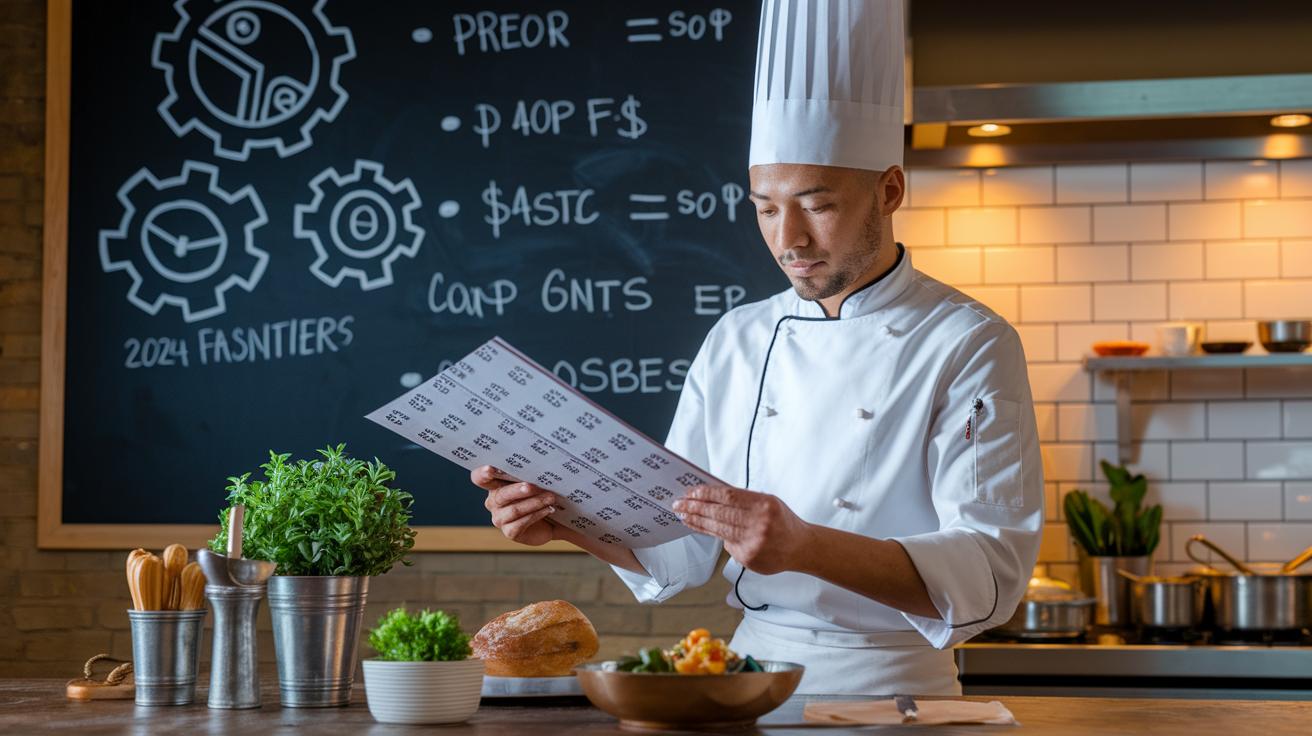
Restaurant owners can boost their menu strategy by keeping an eye on key numbers. For example, a dish that carries a 30% food cost might be quietly weighing on your overall profits. Tracking measures like cost of goods sold (COGS, or the total cost of ingredients), food cost percentages, and contribution margins shows how your money flows and highlights spots where you can trim waste.
A detailed audit of your menu can reveal which items are draining your budget and where unnecessary waste occurs. Here are some practical steps you can take:
- Check the COGS for each dish to pinpoint expensive ingredients.
- Calculate food cost percentages to see which items might need adjustments.
- Study contribution margins to find out which dishes truly drive profit.
- Match current performance with seasonal produce availability and customer trends.
- Adjust portion sizes and re-use ingredients across dishes to lower waste.
Regular audits deliver clear insights on high-cost items that might need trimming and uncover opportunities to align menu offerings with seasonal trends. By reviewing these metrics over time, owners can fine-tune recipes and pricing to stay cost-efficient. Ongoing monitoring keeps menus flexible against shifting ingredient prices and evolving diner expectations, ultimately supporting a balanced budget and sustainable operations.
Leveraging Seasonal and Local Ingredients for Sustainable Menu Cost Reduction
Restaurants can cut costs and reduce waste by using local, seasonal ingredients. When you design your menu around produce available at its peak, you save on transportation and storage expenses while keeping flavors fresh. For instance, refreshing your menu every few months to match the harvest can lower spoilage by up to 20%.
Working closely with local farms, farmers markets, or urban growers also helps ensure a steady supply of fresh produce. Picture a small herb garden right in your kitchen, offering basil, mint, and lettuce on demand. This approach not only cuts costs but gives dishes a true farm-to-table feel. Plus, buying staples like dry pasta, nuts, and spices in bulk lowers costs and reduces packaging waste.
Here are some simple steps to integrate seasonal and local sourcing into your restaurant:
- Buy directly from local producers for fresher ingredients and lower transportation expenses.
- Refresh your menu each season to take advantage of peak produce and cut down on spoilage.
- Build partnerships with urban farms and farmers markets to secure reliable, sustainable produce.
- Start a small on-site herb garden to boost your menu with fresh flavors and lessen reliance on outside suppliers.
- Purchase non-perishable items in bulk to decrease costs and rely less on packaged goods.
By focusing on local, seasonal cycles, small restaurants can design menus that are budget-friendly and appealing to eco-aware diners. This method supports nearby agriculture and delivers vibrant, fresh flavors to every plate, making it a practical choice for sustainable dining.
Building Ethical Supplier Partnerships for Budget Conscious Organic Menu Strategies

Small restaurants can brighten their menus and manage costs by teaming up with organic suppliers. When they source ingredients ethically, the dining experience feels special and diners are willing to pay a bit more for quality dishes. One smart idea is to form a co-op or join group buys with nearby restaurants. This way, they can get bulk discounts on organic produce without cutting corners.
Another approach is to work with community gardens or local farms. These partners can offer ingredients that are easy to trace and come at agreed prices. Not only does this support local farms, but it also lets restaurants highlight their organic sourcing. When menus clearly show where ingredients come from, customers feel more connected to the food.
Key steps include:
- Check out local farms and community gardens that focus on organic produce.
- Team up with other small restaurants to make cost-effective group purchases.
- Clearly mark organic ingredients on the menu to attract eco-minded diners.
- Keep in touch with suppliers to learn about seasonal picks and new discounts.
By using these strategies, restaurants can stick to ethical practices while keeping an eye on their budget. For more tips on the benefits of organic ingredients, visit organic food products (https://abuzzfood.com?p=263).
Waste Reduction and Portion Control for Sustainable Menu Management
When planning your menu, it's important to build waste reduction right into how you operate. Try simple changes that can make a big difference. For example, serving on smaller plates naturally guides portion sizes, and training staff to follow recipe measurements exactly can prevent over-prepping. One chef once measured pasta dish ingredients so carefully that the trimmings were saved to create a rich, tasty broth.
Consider these easy steps:
- Use smaller plates to help control portion sizes and match what your customers expect.
- Train your team with clear, standard recipes so there's less extra ingredient on hand.
- Collect trimmed parts from vegetables and meats to whip up stocks or special dishes.
- Set up a composting program or work with local groups to cut down on disposal costs.
In-House Production and Renewable Sourcing to Enhance Sustainable Menu Offerings
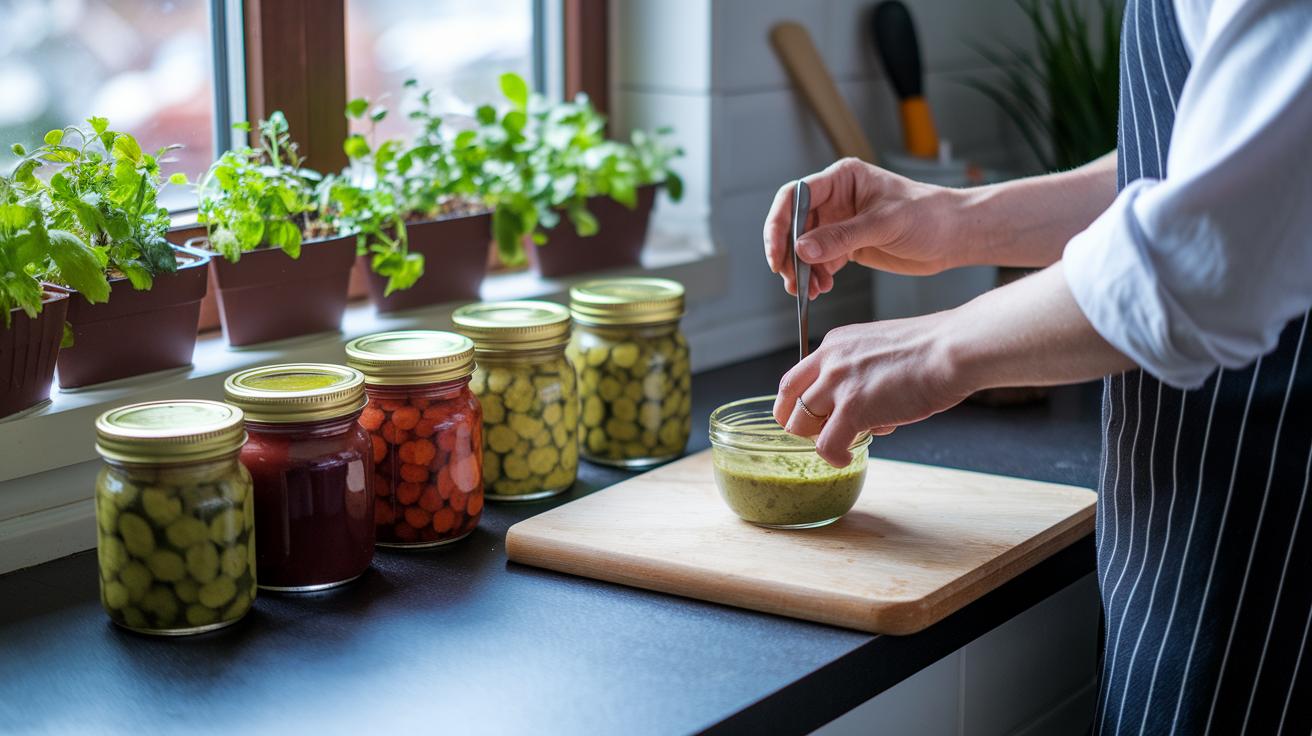
Making your own pickles, sauces, and dressings cuts costs and keeps quality high. When you create these items in-house, you control every detail and rely less on outside suppliers. One chef once whipped up a tangy, homemade dressing that quickly became the talk of the town, proving that even small-scale production can boost a menu's appeal.
Starting a small herb garden or micro-green station gives you quick access to fresh basil, mint, or lettuce. Growing these ingredients on-site reduces transportation costs and adds a personal touch to your dishes. Using set recipes in-house also makes it easier to track costs and keep your meals consistent every time.
Finding clever ways to use leftovers also makes a big difference. For example, turning spent grain from bread-making into crunchy croutons or a new twist on bread pudding cuts food waste and sparks creative menu ideas.
- Embrace in-house production to manage flavor and cost.
- Plant small gardens for a steady supply of fresh ingredients.
- Repurpose leftovers to craft unique, eye-catching dishes.
These strategies give small restaurants a renewable way to source ingredients while enhancing both menu appeal and operational efficiency.
Dynamic Menu Pricing and Sustainability-Driven Meal Budgeting for Profit Enhancement
Small restaurants can increase profit while staying green by using dynamic pricing. This means prices change in real time to match shifts in ingredient costs. For example, if seafood becomes scarce, a restaurant might hike the price on a fish dish. When supplies come back in abundance, they could offer a discount instead.
Restaurant owners benefit from simple software that tracks costs as they happen and shows which recipes work best. This tool gives real-time data on the cost of goods sold (COGS), which helps in making smart pricing changes on the spot.
Here are some easy steps for eco-friendly meal planning:
- Watch your COGS closely to know the right time to adjust prices.
- Remove low-margin dishes to keep your menu fresh and profitable.
- Try limited-time specials or tiered pricing on premium, sustainable items to see what customers like.
- Use recipe simulations to predict how changes might affect your bottom line.
One small diner found that tweaking their soup price with each season bumped up profits by 12% in just one quarter. This mix of smart pricing and sustainable planning can help any restaurant balance the books while caring for our planet.
Final Words
In the action, this guide laid out key steps for building a greener, more cost-conscious menu. We covered ethical sourcing, waste reduction, seasonal sourcing, ethical supplier partnerships, and in-house production. These actionable tips help small restaurants cut costs, reduce waste, and brighten their menus. Affordable sustainable menu strategies for small restaurants offer practical ways to serve quality dishes while keeping expenses in check. The future looks bright with menu choices that are both smart and savory.
FAQ
What are affordable sustainable menu strategies for small restaurants near California and Texas?
The affordable sustainable menu strategies for small restaurants near California and Texas mean focusing on ethical sourcing, reducing food waste, using local seasonal ingredients, and standardizing recipes to boost profitability while lowering costs.