



Ever wondered if using BHT in your food is both safe and smart? BHT (butylated hydroxytoluene) has helped keep fats and oils fresh by fighting spoilage for decades. It earned its place in food safety after FDA approval in 1959. While some worry about its effects, many experts say that when used properly it can work safely. In this post, we share 2 practical ways BHT’s antioxidant power extends shelf life in everyday products.
Overview and Fundamentals of the BHT Ingredient
BHT, short for butylated hydroxytoluene, is a man-made preservative first created in 1947. The FDA approved it as generally safe for use in 1959, which helped boost its adoption. Fun fact: Its arrival marked a turning point in food safety, showing companies a new way to fight spoilage.
Today, BHT is found in many products such as packaged foods, cosmetics, animal feed, fuels, lubricants, and medical supplies. Manufacturers add it to protect fats and oils from deteriorating, which helps extend shelf life and ensures consistent quality. Some states have even limited its use in school lunches after animal studies pointed to potential reproductive and thyroid concerns. These actions highlight the efforts to maintain both safety and effectiveness.
What makes BHT useful is its strong antioxidant power. It donates hydrogen to lipid radicals (molecules that start a chain reaction), which stops the process of oxidation that leads to rancidity. This is why BHT works well in fat-rich products and is trusted by both food processors and cosmetic formulators for keeping products stable.
Chemical Nature, Structure, and Antioxidant Mechanism of the BHT Ingredient

BHT is a man-made chemical created from toluene. It has large tert‑butyl groups that give it a unique shape. These bulky parts help BHT mix smoothly with fats and oils, which is why many food makers and cosmetic companies use it in fat-rich products. Unlike a similar compound called BHA, BHT’s structure makes it especially suited for oil-based formulations, ensuring every batch maintains steady quality.
BHT acts like a helper that stops spoilage. It gives off hydrogen atoms to fats that have turned into radicals, breaking the chain reaction that leads to product degradation. This quick action keeps flavors, textures, and colors fresh. Its ability to stay stable in different temperatures and pH levels makes it a reliable choice in both food items and skincare creams. Think of it as a gentle guardian that steps in to protect your favorite products from going bad.
Food Preservation Applications of the BHT Ingredient
Food manufacturers often add BHT, a synthetic preservative, to keep processed foods looking and tasting fresh. They mix it into cereals, chips, snack foods, and baked treats to stop fats and oils from going bad. Even a tiny dose, up to 0.1% by weight, is enough to deliver results.
This little ingredient works hard to block oxidation (a chemical reaction that spoils fats), helping products like crisp chips and warm cereal stay tasty for longer. It even shows up in animal feed and edible oils, thanks to its strong ability to mix well with fats.
| Product Category | Typical BHT Level | Primary Benefit |
|---|---|---|
| Cereals | 0.02% | Stops fats from going bad |
| Snack Foods | 0.05% | Keeps snacks crisp |
| Baked Goods | 0.03% | Reduces oxidation to extend shelf life |
| Animal Feed | 0.07% | Maintains nutritional quality |
| Edible Oils | 0.09% | Protects against spoilage |
BHT stops the chain reaction of oxidation that causes fats to spoil. This quick action means food makers can use very small amounts while still protecting their products. Whether it's keeping a snack crunchy or preserving the quality of baked items, BHT provides a fast, safe boost that modern food processors rely on every day.
Cosmetic and Personal Care Uses of the BHT Ingredient
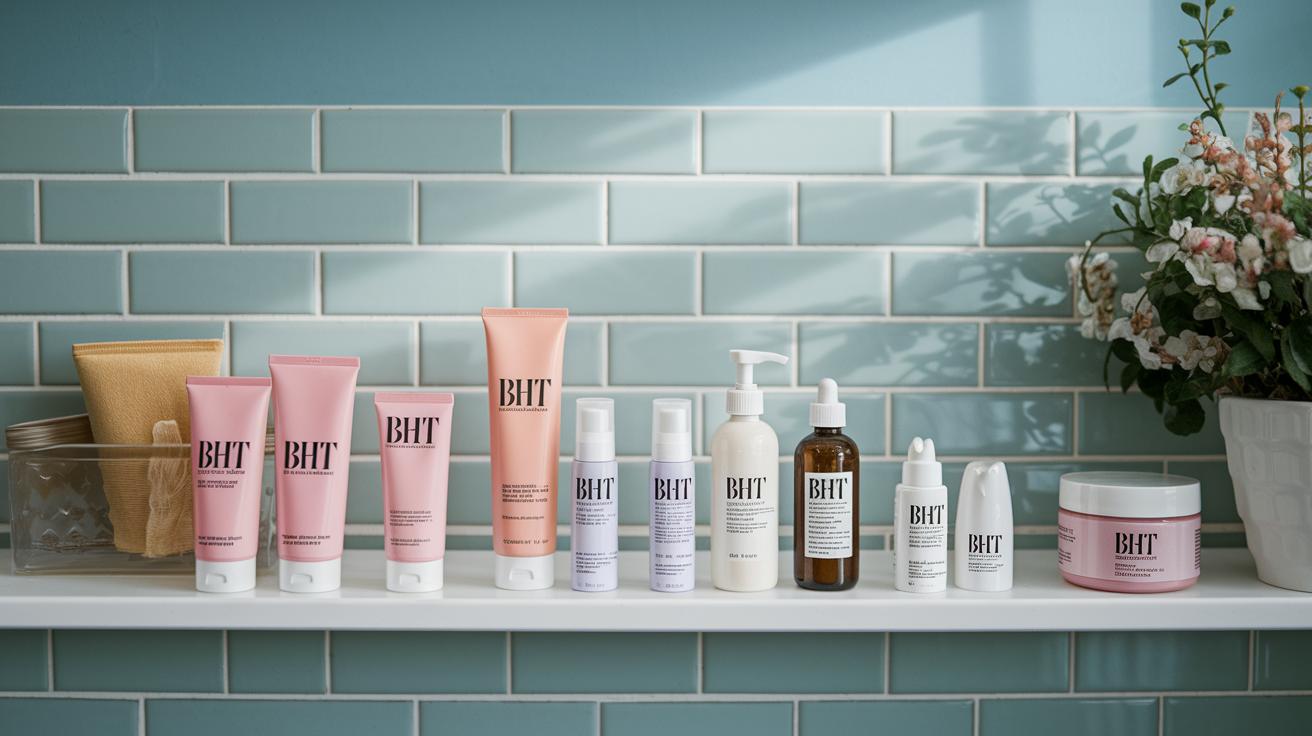
In skincare, BHT keeps creams, lotions, and similar products looking and feeling fresh by stopping the fats and oils from going bad. This means the products stay smooth and keep the same color and smell over time. Studies back that when BHT is used as recommended, it does not cause irritation or allergic reactions. The EU caps its level at 0.8% for both leave-on and rinse-off products to ensure safety.
For hair care, BHT helps keep the oils in shampoos and conditioners stable. It prevents the breakdown of key ingredients, which means your favorite hair products keep working well longer. With BHT, users can expect a steady cleansing and conditioning effect, even after long periods on the shelf.
In fragrance products, BHT plays a key role in protecting scent molecules from breaking down when they meet air. This helps keep colognes and body sprays smelling as intended. Manufacturers carefully set the right levels of BHT so that the scents stay true without compromising safety.
Regulatory Landscape for the BHT Ingredient
In the United States, BHT has been in use for decades under the FDA’s GRAS (generally recognized as safe) status since 1959. Still, some states have banned it in school lunches after animal studies suggested it might affect reproduction and thyroid health.
Canada’s Health Canada considers BHT a moderate human health risk. This means manufacturers must keep BHT levels within set limits in both food and cosmetic products. These limits help ensure that exposure stays within safe bounds.
Across Europe, BHT is also tightly regulated. For example, mouthwash products can have as little as 0.001% BHT, toothpaste up to 0.1%, and other cosmetics up to 0.8%. These clear limits make sure that potential risks are managed with care and that product labels provide the information consumers need.
Globally, regulatory bodies enforce specific concentration limits and detailed labeling. This approach helps consumers know exactly what preservatives are in the products they use every day.
Health, Safety, and Consumer Concerns for the BHT Ingredient

Animal tests show that eating food with BHT may disrupt the thyroid, alter metabolism and growth, and affect the nervous system. In 1979, the National Toxicity Program raised these concerns, although there is little human research so far. Even though BHT is used in very small amounts, animal studies hint that long-term exposure could lead to health issues, fueling ongoing debates.
When BHT is added to skincare and cosmetic products like creams and lotions, it rarely causes irritation or allergies if used properly. Research suggests that applying BHT on the skin is much less likely to trigger harmful reactions compared to eating it. This shows that the method of exposure matters when assessing its safety.
BHT also builds up in the environment. It has been found in household dust, soils, and water bodies, where it can remain long after products are used. Studies even show that it can harm aquatic life, prompting concerns about its lasting impact on ecosystems.
Human studies on BHT are limited, and so far, researchers have not found a clear link between everyday exposure and serious health problems. However, experts agree that more research is needed to fully understand the risks of long-term exposure. Consumers and regulators continue to compare new findings with older animal studies when evaluating BHT's safety.
Consumer Strategies and Alternatives to the BHT Ingredient
When you shop, take a moment to check labels for "butylated hydroxytoluene" or BHT. These ingredients are common in cereals, snacks, and baked goods, and spotting them can help you choose the right items for your diet.
- Look over ingredient lists while you shop.
- Pick fresh, whole foods instead of heavily processed ones.
- Cook meals at home so you know exactly what goes into them.
- Support schools and community groups that promote additive-free meals.
- Choose products with natural antioxidants like vitamin E, rosemary extract, or grapefruit seed extract.
Switching to natural alternatives not only cuts down on synthetic preservatives but also means eating fresher, healthier food. More companies are offering these options, which give similar benefits without the need for BHT.
Final Words
In the action, we explored the basics of the bht ingredient, from its chemical structure and antioxidant benefits to its many applications in food preservation, cosmetics, and beyond.
We broke down its historical milestones and regulatory details, and we shared practical consumer tips for healthier choices.
This review paints a clear picture of how the bht ingredient impacts products. The insights here aim to empower smarter decisions with a positive outlook for both kitchens and industries alike.
FAQ
What is BHT and why should you avoid it?
The BHT ingredient refers to butylated hydroxytoluene, a synthetic antioxidant used to prevent fats from spoiling. Some studies suggest potential health risks with long-term exposure, prompting caution for some consumers.
How is BHT used in skincare and cosmetics?
The BHT ingredient in skincare and cosmetics helps maintain product color, texture, and odor by slowing oxidation. It is used following strict guidelines to keep the risk of irritation low.
Is BHT risky, and can it cause cancer?
The BHT ingredient has been linked in animal studies to thyroid and metabolic effects. While evidence on cancer risk in humans is limited, some consumers choose to avoid it due to these concerns.
Which foods might contain BHT that consumers may want to avoid?
The BHT ingredient is found in packaged foods like cereals, snacks, and baked goods to extend shelf life. Those aiming to reduce BHT intake should check food labels and opt for minimally processed items.
Why is BHT not banned in the United States?
The BHT ingredient remains in use in the US because it has been granted GRAS status by the FDA and is allowed within set concentration limits, despite ongoing debates about its safety.
What does a BHT ingredients list look like on product labels?
The BHT ingredient appears on labels as butylated hydroxytoluene or BHT, indicating its role as an antioxidant to help preserve freshness in foods and cosmetics.