


Is your restaurant serving the same old dishes every day? A fresh menu can spark new excitement for your guests while helping you control costs and reduce waste. When chefs blend classic recipes with modern twists, they create a unique balance that feels both familiar and innovative. Even a small change can lure diners in and boost your profits, setting your restaurant apart in a competitive market.
How Menu Innovation Trends for Restaurant Reinvention Drive Competitive Differentiation
Restaurants that update their menus regularly catch the eye of customers. Changing the menu means offering dishes that match current food and flavor trends. Many restaurants switch items a few times a year to highlight seasonal ingredients, keeping guests excited and informed. A clear, focused menu also cuts costs and reduces waste, letting chefs experiment without confusing diners. For example, one eatery recently replaced several dishes to showcase local produce. This change brought more customers and boosted sales.
Refreshing the menu not only delights guests but also makes operations smoother. By concentrating on profitable dishes, restaurants can better manage expenses and food costs. A tweak in one dish can spark creative ideas for new takes on classic recipes, energizing staff and the whole dining experience.
Smart menu choices come from understanding what guests want and knowing market trends. Many restaurants now use technology and data (tools that show which dishes work best) to decide what to add or remove. Keeping the menu simple and ever-changing helps cut waste and improve profits. These thoughtful strategies mix creativity with careful planning to set restaurants apart from the competition.
| Strategy | Focus |
|---|---|
| Track food and flavor trends | Keep the menu current and exciting |
| Design for profit and guest experience | Streamline operations while delighting diners |
| Leverage technology and data | Use insights to fine-tune the menu |
| Embrace sustainability and health-conscious practices | Adjust dishes based on seasonal and local ingredients |
| Collaborate with teams | Encourage creative ideas from chefs and staff |
| Offer seasonal or limited-time dishes | Keep the menu fresh and exciting for repeat guests |
Plant-Based & Sustainable Culinary Progressions in Restaurant Reinvention

Restaurants are updating their menus by adding more plant-based dishes. One well-known chef switched his entire menu to plant-based options. He did this to lessen environmental impact and to connect with diners who care about the planet. This change cuts the carbon footprint and invites creative dishes made from fresh, locally grown ingredients. Chefs mix modern pairings with nutritious foods like mushrooms. These mushrooms support brain and immune health while delivering rich flavor.
More people now demand organic choices. In the UK, interest in organic produce jumped from 45% a decade ago to 70% today. Many restaurants are also practicing zero-waste methods and teaming up with local farms. They focus on sustainable sourcing to ensure every ingredient's journey is clear. The result is a menu that is creative, attractive, and built on a promise of sustainability and transparency.
Digital Ordering Transformation & Tech-Driven Ordering Systems
Restaurants are changing the way they work by adopting digital ordering systems that connect front-of-house, back-of-house, and online channels. Modern point-of-sale systems combine handheld devices, self-order kiosks, and kitchen display screens with payment processing, guest data management, email marketing, and cost tracking. These tools help restaurant owners run smooth operations and quickly adjust menus to meet customer tastes.
Today, contactless dining has become the norm. Restaurants use QR code menus, mobile ordering, and digital payments to serve guests safely and efficiently. Some, like YO! Sushi, even put robotic servers and ordering kiosks to work to cut wait times and speed up service. AI also plays a role by suggesting new recipes, predicting trends, and personalizing the dining experience (food industry trends). This technology mix completely changes how menus are planned and how diners connect with a restaurant.
Digital systems also enable real-time menu updates and pricing changes that match current demand. By collecting data at every step, restaurants can fine-tune their offerings and manage their resources better. Smart integrations help restaurants stay flexible so that each update improves operations and the overall dining experience.
- Handheld POS devices
- Self-order kiosks
- Kitchen display systems
- Contactless QR menus
- AI-powered customization tools
Seasonal Recipe Renewals & Fresh Dining Concepts in Menu Reinvention
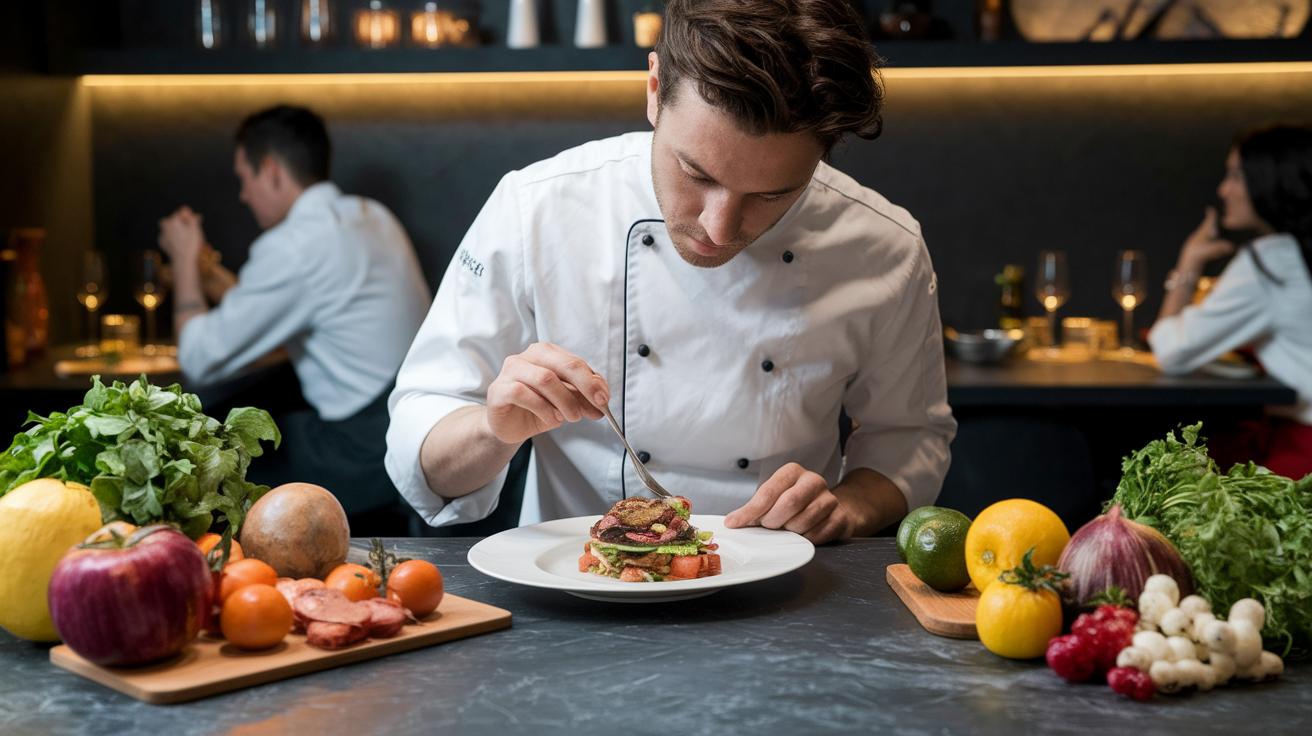
Restaurant innovators are refreshing their menus with seasonal recipes that spark interest and keep guests returning. Short-term dishes bring a fresh twist to each meal and drive more visits. During Dry January, 23% of diners choose non-alcoholic cocktails, prompting many chefs to create inventive mocktails that fit the season's vibe. Regular updates also help restaurants take advantage of available ingredients while keeping food costs low. This approach delivers recipes at their peak freshness and shows a commitment to local, seasonal, and ethical dining.
Dining innovations now go beyond traditional kitchens. Mobile and container restaurants serve seasonal recipes in simple, low-cost setups that meet the demand for on-the-go dining. These flexible models give restaurant owners the chance to experiment with rotating menus that bring a new twist every season. By tailoring their offerings to local ingredient cycles and customer trends, these establishments build menus that feel fresh, lively, and in tune with daily life.
Flavor Curation Developments & Fusion Cuisine for Restaurant Reinvention
Restaurants around the world are adding global flavors to their menus. They are blending the spicy kick of Korean cooking with the fresh herbs of Vietnamese dishes and the rich spices of Indian recipes. This mix gives diners a taste of true cultural heritage while keeping the food modern and exciting.
Visually creative dishes are changing comfort food into picture-perfect meals. Think of rainbow burgers stacked with fresh, colorful ingredients or sweet kebabs like Crêpe Royale’s popular choco-kebab. Even classic items like cheese toasties and signature burgers get a gourmet makeover. These dishes balance fun creativity with a polished taste, making every plate a feast for the eyes and the palate.
Specialty spots are making their mark too. Fast-food concepts like London’s Green Burger harness organic trends that now appeal to 70% of consumers. Single-item spots like Persillé mix dining and shopping to create a unique culinary hub. These niche approaches show that mixing unexpected ingredients with innovative presentation can help restaurants stand out in a tough market.
Artful Plating Techniques & Engineering Food Aesthetics for Reinvented Menus
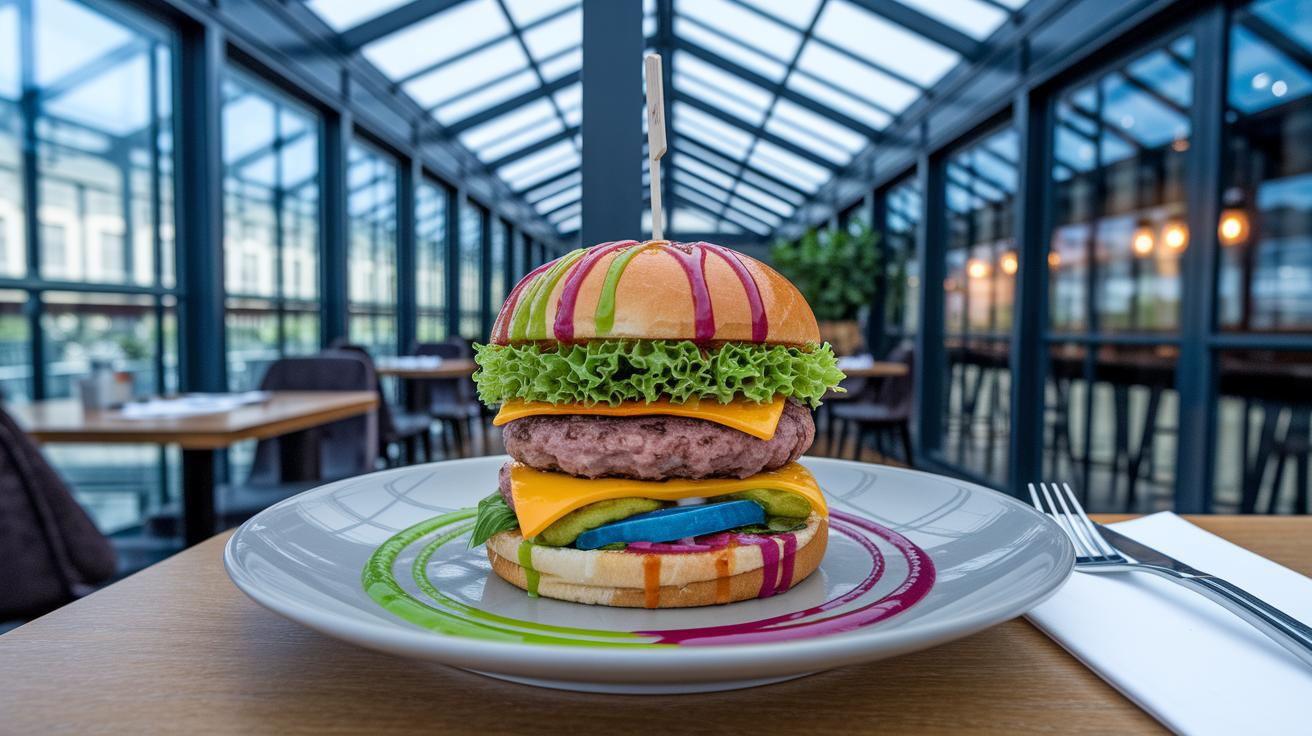
Restaurants are changing the way we eat. Every dish now looks as good as it tastes. Colorful creations like rainbow burgers catch your eye and make you want to share the moment online. Even dining in unique spots, like meals in the sky or under the water, uses creative plating to create memories. Each plate turns a simple meal into an event.
Innovative restaurants are going further by adding digital touches. Simple digital menus, interactive displays, and projection mapping give classic plating a modern update. These tools help tell a restaurant's story and invite diners to share their experiences. The dramatic visuals spark conversation and turn every visit into a one-of-a-kind culinary celebration.
Practical Menu Engineering Strategies & Profit Optimization
Restaurants often rely on menu engineering worksheets to check how each dish is doing. These simple tools use basic formulas that show which items draw guests and boost profits. They help teams pinpoint what works well and what could use a change. For example, a restaurant might track a dish’s order rate and profit margin to decide if the recipe needs a tweak. This clear method lets everyone see which dishes add value and which might benefit from a fresh twist.
Calculating the cost of ingredients, labor, and overhead is key to meeting profit goals. Owners look at the exact cost of each component, consider the serving size, and weigh what customers expect as fair value. They also compare prices with competitors to make sure their rates match market trends. This approach creates a clear view of pricing changes that can be made without sacrificing quality, keeping the restaurant competitive while still offering tasty meals.
A simpler menu can lead to quicker service and less food waste, which improves profits. A focused list of dishes cuts down on extra ingredients and streamlines kitchen tasks. It also helps make smart decisions about new items through detailed cost checks and by considering guest appeal. By mixing clear cost analysis with smart portion planning and market comparisons, restaurants can fine-tune their menus to hit both profit targets and customer expectations.
Case Studies of Successful Menu Reinvention Models

A chef completely shifted his menu to plant-based dishes to cut waste and support local farms. He updated old recipes to feature fresh vegetables and grains while building tighter bonds with nearby farmers. His launch data showed a 40% rise in guest engagement along with more repeat visits. Before making the switch, the restaurant already saw strong interest in sustainability-driven menus.
At YO! Sushi, the restaurant boosted efficiency by using automated ordering kiosks and robotic servers. This tech not only cut wait times but also improved order accuracy. Customers loved the playful, modern feel. During peak hours, service times dropped by 25%, and diner satisfaction climbed compared to traditional methods.
High-end eateries and mobile food concepts are now embracing flexible dining solutions. Michelin-starred restaurants are offering premium meal delivery through apps, so guests can enjoy gourmet dishes at home. Meanwhile, modular container restaurants and food bikes in urban areas provide cost-effective ways to enter the market. These setups can lower startup costs by up to 30% while attracting a diverse, on-the-go crowd.
Final Words
In the action, the blog walked through fresh menu ideas that use seasonal twists, tech upgrades, and flavor fusions to set restaurants apart. It showcased how plant-based shifts, smart plating, and precise menu planning work hand in hand to boost guest experience and profits.
The detailed examples and case studies underline that staying agile with menu innovation trends for restaurant reinvention pays off. New ideas keep menus exciting, inviting, and profitable, leaving room for growth and a bright, tasty future.
FAQ
What are fine dining trends 2025?
The fine dining trends 2025 emphasize refined menus that blend creative plating with sustainable ingredients and digital enhancements, aiming to elevate the guest experience and set establishments apart.
What are restaurant sales trends in 2025?
The restaurant sales trends 2025 show a focus on streamlined, tech-driven ordering systems and simplified menus that improve efficiency, reduce waste, and boost overall profitability.
What are menu trends and overall industry shifts for restaurants in 2025?
The menu trends 2025 spotlight seasonal updates, fusion flavors, and modern presentation while the industry shifts toward integrating digital ordering and sustainability practices to better meet consumer demand.
What are restaurant trends 2026?
The restaurant trends 2026 build on tech innovations and evolving dining concepts, introducing immersive experiences that merge digital tools with creative, sustainable menus for both in-house and mobile dining.
What are restaurant marketing trends 2025?
The restaurant marketing trends 2025 focus on leveraging social media and customer data analytics alongside personalized digital promotions to engage communities and drive local patronage.