


Ever wonder how your favorite snacks stay fresh? TBHQ is a man-made antioxidant that stops fats and oils from turning rancid. It works hand in hand with ingredients like BHA and BHT (other stabilizers) to lock in the flavor and color. Many foods today depend on TBHQ to keep their taste and nutritional value intact. Read on to see how this clever ingredient helps make our meals both convenient and delicious.
TBHQ Ingredient Defined: How It Preserves Food
TBHQ is a man-made antioxidant created by altering hydroquinone with a tertiary butyl group. It works by neutralizing free radicals, which helps prevent fats and oils from going bad. This process keeps food tasting good, looking appealing, and retaining its nutritional value, even when only a small amount is used.
Think of TBHQ like a safety net for food quality. Before TBHQ was common, manufacturers often struggled with spoilage that hurt a product’s quality. Now, with FDA approval, it is found in everyday items like snack crackers, ramen noodles, and frozen fish, where it helps extend shelf life by keeping oxidative damage in check.
Food makers often mix TBHQ with additives such as BHA and BHT to boost its effect. This teamwork helps fats and oils hold on to their good qualities throughout storage and transport. Even though you might not always see TBHQ listed on the label because of different naming rules, its proven reliability in keeping packaged foods fresh and appetizing is well recognized.
TBHQ Ingredient Composition and Synthesis Process

TBHQ starts with a simple but smart design. Scientists attach a tertiary butyl group to hydroquinone. This change gives it strong antioxidant features that help protect fats and oils from damaging free radicals. Its makeup is similar to other antioxidants like BHA and BHT, which helps keep food fresh for longer.
In factories, TBHQ is made using an alkylation reaction. This process carefully adds the butyl group to hydroquinone under set conditions to ensure each batch is pure and effective even in small amounts. With these well-controlled steps, the food industry has a cost-effective way to preserve flavor, color, and nutrition in many products.
Preservative Properties of the TBHQ Ingredient
TBHQ stops fats and oils from spoiling, keeping their taste, color, and nutrients intact. Research shows it works as well as or better than other antioxidants like BHA and BHT even in small amounts. One study found that TBHQ cut fat oxidation by up to 15% more in snack products compared to some alternatives.
TBHQ also joins forces with other preservatives to help food last longer without changing its texture or smell. These findings support its use in recipes where steady quality matters.
- TBHQ works well even in tiny amounts
- Studies show it beats similar antioxidants
- It pairs with other additives to boost shelf life
TBHQ Ingredient in Common Food Products

Recent studies and reviews are shining a light on both the use and the safety of TBHQ. This substance helps keep fats and oils fresh in many foods. While research is still looking into any long-term effects on our bodies, regulators confirm that TBHQ is safe when used in approved amounts.
Some common food items that contain TBHQ include:
- Vegetable oils in packaged foods
- Processed meats and ready-made meals
- Snacks like crackers that rely on a crisp texture
- Ramen noodles that stay flavorful over time
- Fried foods served in fast-food restaurants
- Frozen fish products that often hit the highest allowed levels
Experts say it’s a good idea for shoppers to stay updated with the latest guidelines and research findings about TBHQ.
Safety Standards and Dosage for the TBHQ Ingredient
Regulators like the FDA set clear limits on TBHQ consumption to keep food safe. The FDA says you can have up to 0.7 mg for every kilogram of body weight each day. For someone who weighs about 150 pounds, that means roughly 48 mg per day. These rules make sure that TBHQ, which helps keep fats from spoiling, remains safe when used in food.
Other regions use similar limits. They know that even helpful additives can cause harm if you take too much. Research shows that low doses of TBHQ protect fats from oxidation while keeping food flavors, colors, and nutrients intact. When food manufacturers follow these dosage rules, TBHQ works to preserve food without putting your health at risk.
| Key Point | Detail |
|---|---|
| TBHQ Limit | 0.7 mg per kilogram of body weight |
| 150-Pound Person | About 48 mg per day |
| Regional Guidelines | Similar exposure limits exist elsewhere |
| Why It Matters | Following these rules helps prevent health risks |
Sticking to these standards gives consumers confidence that TBHQ is a safely managed part of food products.
tbhq ingredient: Bright Facts for Better Wellbeing

TBHQ is a man-made antioxidant added to many foods to keep them fresh. Research shows that this ingredient might slow down our immune systems (the body’s natural way to fight off germs). When our defense system is affected, we become more open to infections and other health issues. Some lab studies even suggest that TBHQ can change how our genes work, which may lead to changes in our cells that could, over time, increase the risk for cancer.
Other studies have found that TBHQ might also impact our brains and nerves. In experiments, scientists observed problems like blurry vision, fits, and even partial paralysis of the brain stem. There are also signs that TBHQ could damage red blood cells, the cells responsible for carrying oxygen to our body.
| Observation | Details |
|---|---|
| Immune System | May weaken natural defenses |
| Neurological Effects | Vision issues and convulsions have been noted |
| Cellular Damage | Potential harm to red blood cell membranes |
| Allergic Reactions | Can trigger contact dermatitis in sensitive individuals |
Some research also links TBHQ to allergic reactions in people who are sensitive. For them, it can cause contact dermatitis (a skin rash) and may react with other antioxidants like BHA and BHT. While food safety agencies say TBHQ is safe in controlled amounts, many experts worry about the long-term effects. They recommend ongoing checks to make sure the benefits in preserving food don’t outweigh the health risks for consumers.
Global Regulatory Landscape for the TBHQ Ingredient
Around the world, rules for TBHQ differ a lot. In the United States, regulators like the FDA allow TBHQ as long as it stays within strict limits. In parts of Europe, officials take a more cautious approach toward synthetic antioxidants. Some European markets ban TBHQ or limit its use very strictly, much like the measures taken with additives such as saccharin and cyclamates in the past.
In some European countries, TBHQ is banned outright or its use is kept to a minimum. This shows a proactive effort to meet public health expectations by controlling chemical additives. Meanwhile, other regions follow rules more similar to those in the U.S, arguing that TBHQ is safe when its concentration is carefully controlled. This difference keeps the debate over banned substances active among food safety experts.
Regulators in many countries balance the benefit of a longer shelf life against potential health risks. Some international agencies now require thorough testing and detailed food preservative records. For example, official food regulations include specific discussions about how TBHQ should be handled. In some markets, these guidelines are strict while others depend on historical data to support its safety.
All these different rules can leave consumers confused about TBHQ. Still, following approved guidelines is essential. This patchwork of regulation highlights that the discussion over banned substances remains a key part of keeping food additives safe.
Detecting the TBHQ Ingredient: Labeling and Testing
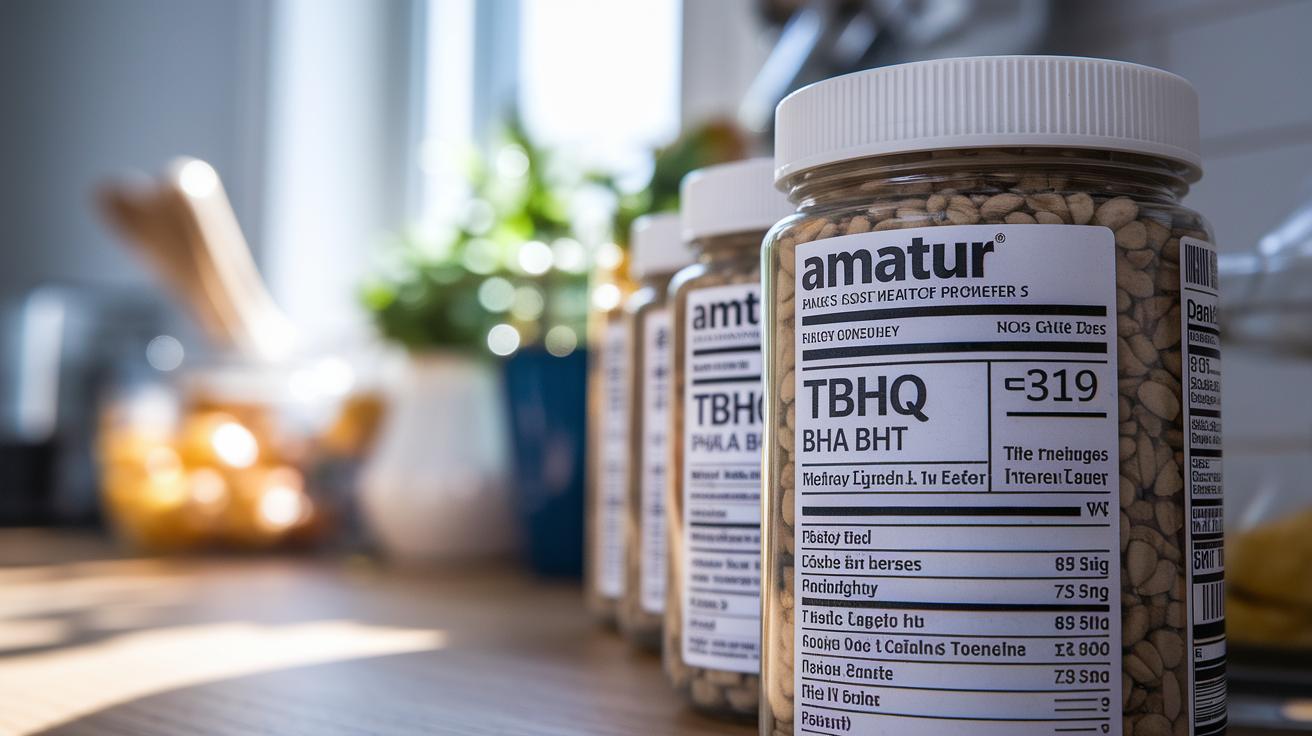
When you scan a food label, watch for TBHQ, its code E319, or other antioxidants like BHA and BHT. Manufacturers might list these additives in different ways, so keep a close eye on the details.
Labs use smart techniques to check if TBHQ is in a product. They rely on methods like HPLC (a test that separates compounds) and GC-MS (a test that identifies chemicals by their weight). These tests make sure that TBHQ is found even if it isn’t obvious on the package.
By reading ingredient lists, you can decide if a food meets your needs. For example, spotting TBHQ or E319 in your favorite snack means the additive helps slow down spoilage.
- Look for TBHQ, E319, or antioxidants like BHA/BHT on labels.
- Remember that labs often use HPLC and GC-MS for testing.
- Use these pointers to guide your choices when shopping.
This simple check gives you extra confidence about what’s in your food.
Alternatives to the TBHQ Ingredient in Food Preservation
TBHQ is a well-known preservative that helps keep fats and oils in processed foods fresh. Some food makers, though, prefer using alternatives like BHA and BHT. These synthetic antioxidants slow down oxidation (the process that causes food to lose flavor, color, and nutrients).
BHA is ideal for high-fat foods like cereals and snacks. Its unique makeup mixes well with fats and stops off-flavors from developing. In contrast, BHT is popular in frozen meats and baked goods because it captures free radicals (unstable molecules that can spoil food), keeping products fresh for a longer time. Often, manufacturers use one or both ingredients to meet specific preservation needs.
Food producers choose between BHA and BHT based on how long the product needs to stay fresh and its ingredient mix. Both options meet strict regulatory standards and approved concentration levels. The choice depends on factors like food type, storage conditions, and desired shelf life.
| Preservative | Common Uses |
|---|---|
| BHA | Snacks and cereals |
| BHT | Meats and baked goods |
Using these alternatives helps food makers fine-tune their recipes, ensuring safety and long-lasting quality.
Final Words
In the action, we explored the tbhq ingredient through its makeup, production method, and role in preserving flavor, color, and nutrition. We broke down its use in common food items, examined dosage, and reviewed safety research and international regulations. We also highlighted ways to spot it on labels and alternatives like BHA and BHT. This overview helps shine a light on how this additive works and its place in food today, leaving readers better equipped to make informed choices.
FAQ
What are TBHQ side effects?
TBHQ side effects can include changes to immune responses, vision issues, and reports of skin irritation or contact dermatitis in some sensitive individuals.
Does TBHQ have a cancer risk?
TBHQ and cancer have been linked in some studies that suggest potential gene interference, but evidence remains inconclusive when consumed within established regulatory levels.
What food items contain the TBHQ ingredient?
The TBHQ ingredient appears in foods like vegetable oils, snack crackers, ramen noodles, fast-food items, and frozen fish products, where it helps maintain flavor and color.
How do I identify TBHQ on an ingredients list?
TBHQ may be listed as “TBHQ” or by its additive code E319, often appearing alongside other preservatives like BHA and BHT to extend shelf life.
Is the TBHQ ingredient safe?
The TBHQ ingredient is deemed safe by the FDA when consumed within the allowable daily intake, which is 0.7 mg per kilogram of body weight.
Can TBHQ cause an allergy?
TBHQ ingredient allergy can lead to skin reactions or respiratory issues in individuals with sensitivities to synthetic preservatives.
Is TBHQ banned in any regions?
While TBHQ is approved by the FDA, some countries, particularly in Europe, have banned or strictly limited its use due to differing regulatory standards.
What role does TBHQ play in oil?
TBHQ in oil acts as an antioxidant by scavenging free radicals, which delays oxidation, preserves flavor, and helps extend the product’s shelf life.
Do all ramen noodles have TBHQ?
Not all ramen noodles include TBHQ; it appears in specific brands or formulations that use the preservative to extend shelf life in processed ingredients.
Does McDonald’s use TBHQ?
McDonald’s may use TBHQ in certain menu items to assist in maintaining the quality of oils and fat-containing products during storage.
What is TBHQ preservative made of?
TBHQ preservative is made by alkylating hydroquinone to include a tertiary butyl group, creating a synthetic antioxidant that prevents oxidation.
What does TBHQ do in Cheez, ITS?
TBHQ in Cheez, ITS serves to prevent oxidation, helping preserve the cheese’s flavor, color, and nutritional quality during storage.