


Ever served a meal that missed the mark because the recipe measurements were off? Even a tiny error in the amount of an ingredient can change the whole dish. A conversion chart gives you clear, quick answers so you can easily swap between metric units and cups.
This guide helps whether you are baking a cake or making dinner. With precise conversions, every dish has the chance to deliver better flavor and perfect texture. When you use accurate measurements, your cooking will shine every time.
Essential Ingredient Conversion Chart for Baking and Cooking
Getting your ingredient measurements right is key to making your recipe a success. Whether you’re a home baker or a professional chef, using the right conversions helps you control flavor, texture, and overall balance. A conversion chart makes it easier to switch between metric and cup measurements. For example, knowing that 1 cup of all-purpose flour weighs 125 grams (4.4 ounces) cuts out the guesswork and builds trust in your process. Accurate conversions also help you avoid waste and speed up your baking routine.
| Ingredient | 1 cup (g) | 1 cup (oz) |
|---|---|---|
| All-purpose Flour | 125 | 4.4 |
| Granulated Sugar | 200 | 7.0 |
| Packed Brown Sugar | 220 | 7.8 |
| Cocoa Powder | 85 | 3.0 |
| Water | 227 | 8.0 |
| Milk | 227 | 8.0 |
| Butter | 227 | 8.0 |
Remember these important conversion tips:
- 1 tablespoon equals 3 teaspoons for dry ingredients.
- 1 cup equals 8 fluid ounces (1/2 pint) for liquids.
- Using a digital scale gives you extra accuracy compared to volume measures.
Look for more measurement guides to boost your kitchen confidence and enjoy consistently successful baking.
Expert Techniques for Measuring and Using Ingredient Conversions
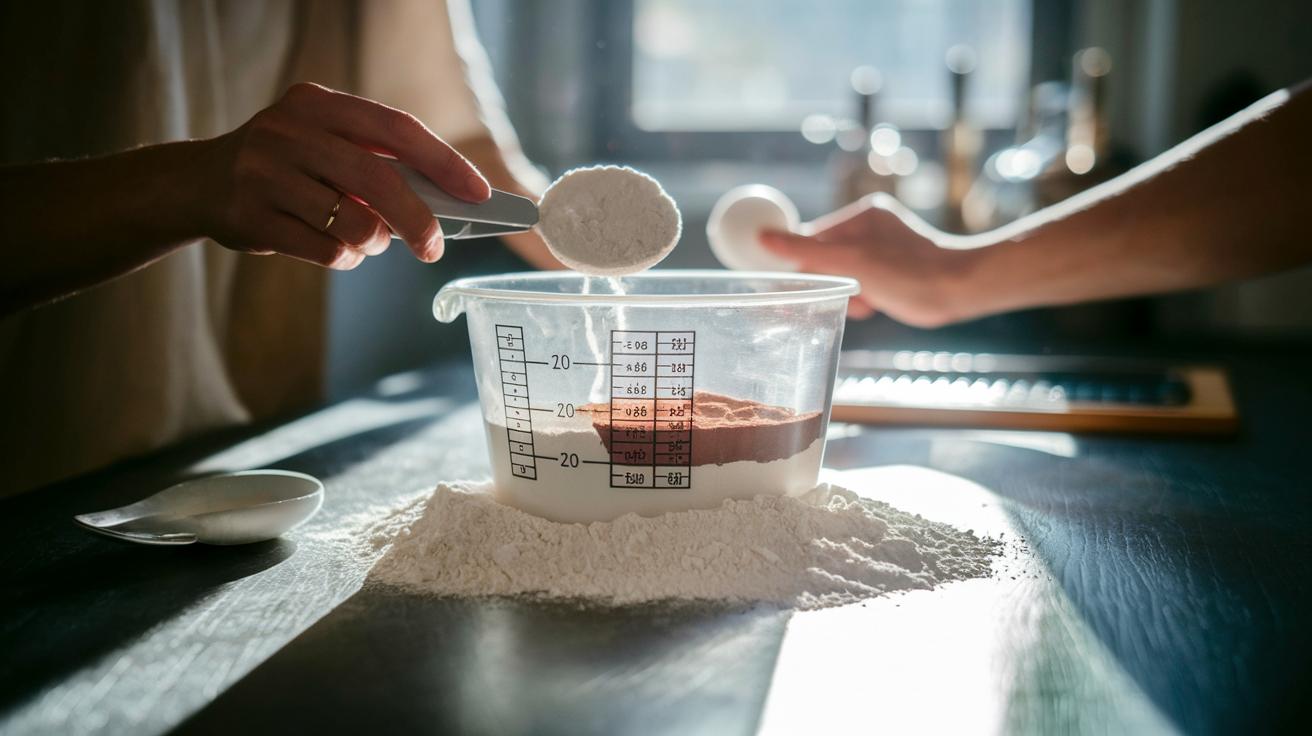
Measuring ingredients accurately is key to a great dish. Even a small change in volume or weight can shift the flavor and texture of your food. When you use precise methods, your recipes turn out consistently delicious every time.
Dry Ingredients
For items like flour, oats, powdered sugar, and cocoa powder, use the spoon-and-level method. Scooping straight from the container can add up to 50% more flour, throwing off your recipe. Instead, spoon the ingredient into your measuring cup and then gently level it off with a straight edge. This simple tip works for all dry powders. If a recipe calls for sifted ingredients, give them a quick sift before measuring for even better accuracy.
Liquids and Semi-liquids
Liquids such as water, milk, or oil are best measured in a clear liquid measuring cup held at eye level. This way, you can avoid reading errors and pour the correct amount. For thicker items like yogurt, peanut butter, or applesauce, stick with a dry measuring cup and use the spoon-and-level method. A rubber spatula can help smooth the ingredient and beat down any air pockets, ensuring reliable measurements.
Leavening Agents and Yeast
Baking powder and baking soda often settle with time, so give their container a quick shake or stir before measuring. When it comes to yeast, remember that one packet equals 2.25 teaspoons. Measuring these ingredients carefully is just as crucial as with dry or liquid items.
Using these techniques bridges the gap between a recipe and a perfect result every time.
Step-by-Step Ingredient Conversion Formulas Explained
Cooking becomes easier when you can count on simple formulas to adjust your recipes. Whether you're working with dry ingredients like flour (125 grams per cup) or liquids like water (227 grams per cup), knowing the math helps you get it right every time. A handy tip: 1 tablespoon equals 3 teaspoons, and 1 cup equals 8 fluid ounces (or 1/2 pint).
Follow these clear steps for accurate conversions:
- Find the standard measurement for your ingredient.
- Check the conversion ratio (like cup to grams or tablespoon to teaspoons).
- Multiply or divide this number based on how much you want to change the recipe.
- Round the number off to match your digital scale.
- Weigh the ingredient to be sure your math is spot on.
Stick to these steps, and you’ll always serve up a well-balanced dish.
Printable Kitchen Conversion Charts and Digital Tools for Ingredient Measurements
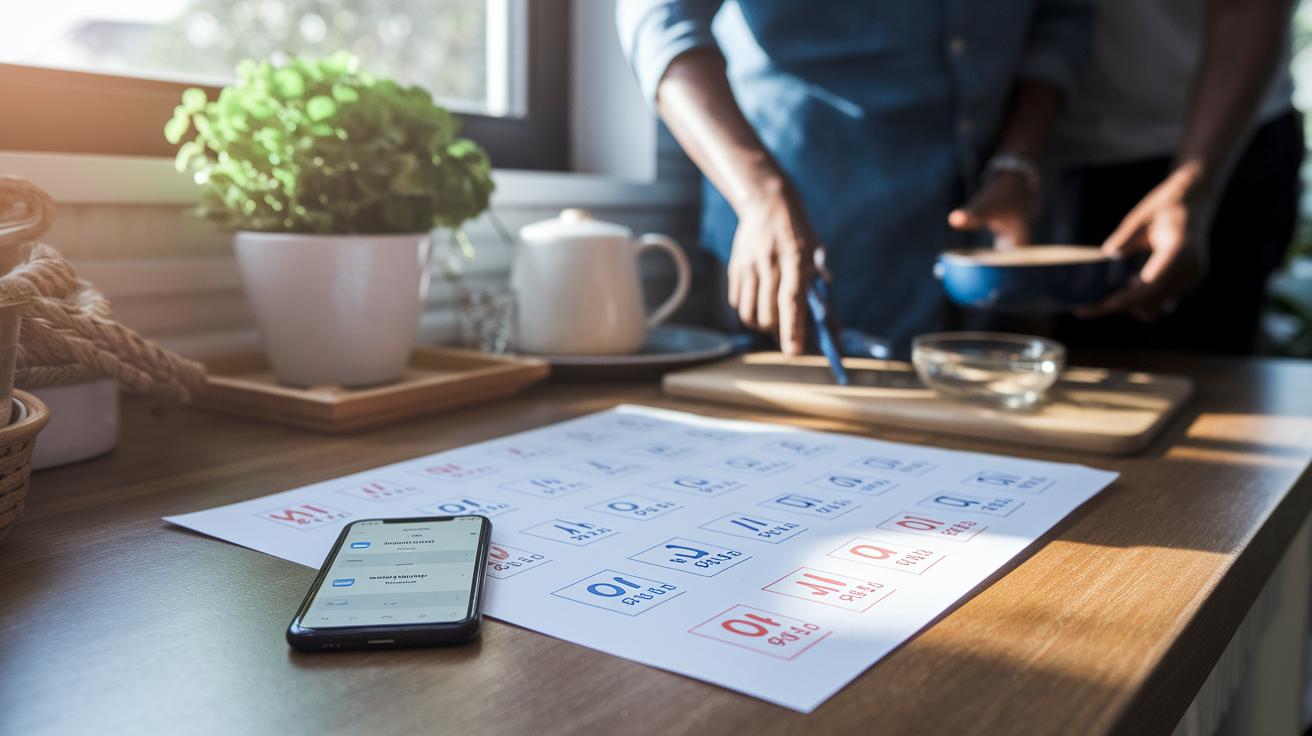
Free printable PDF conversion charts are a great tool in any kitchen. Print one out and place it near your stove or counter for easy access. This handy guide lets you quickly check grams, cups, ounces, and other units, making it simple to switch between metric and standard measurements when baking or cooking.
Smartphone apps can also serve as baking measurement tools. They convert cups, grams, and ounces in seconds. Many of these apps feature built-in tools that adjust measurements as you go. Their simple, clear design helps both beginners and experienced cooks use digital scale charts with visual guides, making recipe tweaks effortless and reliable.
A digital kitchen scale makes cooking even easier. Some scales include conversion charts that turn weight into common volume measurements. This tool saves time, boosts accuracy, and makes trying new recipes far less intimidating.
Practical Tips for Scaling Recipes with Ingredient Conversion Charts
Getting your ingredient measurements just right is key when you tweak a recipe. If you need to serve more or fewer people, using weight-to-volume charts and a digital scale makes a big difference. This way, your baked treats keep their proper rise, flavor, and texture.
Imagine you have a cake recipe for 4 servings that uses 125 grams of flour (about 1 cup). To make enough cake for 8 servings, you simply double the flour to 250 grams. Doubling every ingredient keeps the balance of flavors and texture intact and helps prevent overmixing or poor rising.
Keep an eye on leavening agents like baking powder and baking soda. It’s important to adjust their amounts carefully and round the measurements when needed. Trying a small test batch before a full recipe can help catch any mistakes early. This method saves you time and reduces waste.
Consistent scaling means balanced textures and fewer wasted ingredients.
Troubleshooting Conversion Errors
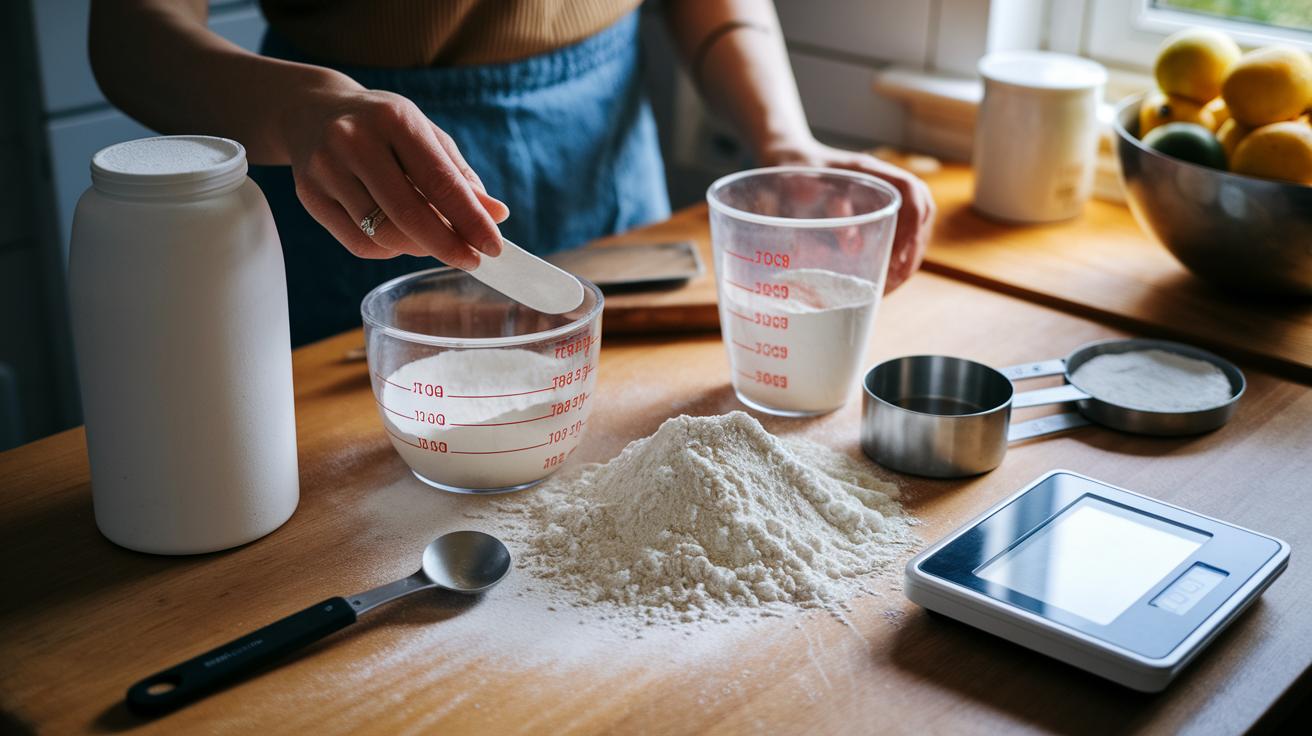
When converting measurements, follow these simple tips to keep your recipes on track:
- Use a spoon to fill and level flour instead of scooping it directly. This helps you avoid adding up to 50% extra by accident.
- Give powders like baking soda and baking powder a quick shake or stir before measuring so they mix evenly.
- Use dry measuring cups for ingredients like flour and sugar, and choose liquid measuring cups for items like water, milk, or oil to keep the portions right.
Trust a well-reviewed conversion chart and a digital scale for accurate measurements every time.
Final Words
In the action, this article broke down essential tables and tips for accurate ingredient conversion. We highlighted how the ingredient conversion chart supports precise recipe scaling and reliable recipe results.
Measurements for flour, water, and other basics are now clearer thanks to practical techniques and accurate ratios. With these insights and handy resources, your cooking and baking adventures will be more consistent and enjoyable. Enjoy the improved confidence in your kitchen experiments.