



Can food security be rebuilt when costs are soaring and weather remains unpredictable? Every day, communities struggle with higher prices, erratic weather (unexpected changes in climate), shaky governments, and markets that shift suddenly. In many places, empty shelves and high prices signal bigger problems in our food system. Studies show that families can spend around 27% of their income just on food. If we understand these challenges, we can drive policy changes to strengthen local food supplies and give every family a fair chance at a healthy life.
Why Food Insecurity Occurs: A Global Overview
According to the USDA, food insecurity happens when families do not always have reliable access to enough food. This problem impacts places from busy cities to small, remote villages. A July 2024 report, State of Food Security and Nutrition in the World, shows that economic slowdowns and limited access to healthy food play key roles. Many people struggle daily to get the nutrition they need for an active, healthy life.
Today, four main factors drive food insecurity: economic inequality, environmental shocks, political unrest, and market swings. Many households deal with deep poverty and unpredictable incomes, which leaves little money for quality food. Natural events such as droughts, floods, and rising temperatures weaken crops and disrupt local supplies. Political instability can harm farming and damage vital infrastructure, while sudden market shifts make food more expensive.
When these pressures work together, they create a cycle that makes food insecurity worse. Financial troubles prevent communities from investing in stronger food systems, and extreme weather and unrest lower food production. This mix often leads to rapid price jumps and food shortages. Each problem can worsen the next, showing that solutions must tackle all these challenges at once with a united, comprehensive approach.
Economic Factors Driving Food Insecurity

Many families face unstable incomes, which makes it hard to cover basics like food, housing, and healthcare. When money is tight or unpredictable, eating well usually falls by the wayside. Research shows that food-insecure households may spend around 27% of their earnings just to put food on the table. With more income devoted to feeding the family, there isn't much left for other important needs.
Here are some key factors that add to this struggle:
- Economic Inequality: A wide wealth gap leaves many families without enough resources.
- Employment Instability: Unsteady jobs make it difficult to plan meals or set a regular food budget.
- Income Volatility: Changing earnings complicate grocery planning and meal preparation.
- Price Volatility: Unexpected price increases tighten budgets even further.
- Declining Purchasing Power: When income doesn’t keep up with rising living costs, quality food becomes harder to afford.
These economic challenges force households to make tough choices between essentials. This everyday tension highlights the need for policies that support steady, sustainable incomes. Without a reliable income, even getting nutritious food becomes a challenge for many vulnerable families.
Environmental Drivers of Food Insecurity
Changing weather patterns, warmer days, and more heavy storms are making farming tougher around the world. These shifts force farmers to change old methods quickly while wearing them down. As good farmland disappears, local markets struggle to keep prices steady and feed local communities.
Climate Variability and Extreme Weather Events
In many areas, rain patterns are off and sudden heat waves shorten the growing season. Droughts dry up fields and floods wash seeds away, while storms damage essential crops. Farmers end up reacting to crises instead of planning steady harvests.
Agricultural Decline from Crop Failure and Degradation
Every year, more crops fail because soil washes away and forests are lost. When the top layer of soil disappears, the land turns less fertile and yields drop, leaving communities at risk. Even with improved methods, poor soil limits crop growth. These challenges push leaders to create better support for farmers.
| Factor | Impact on Production | Example |
|---|---|---|
| Climate Variability | production drop, price spikes | Horn of Africa drought |
| Floods | farmland damage, supply delays | South Asia monsoon floods |
| Crop Failure | yield loss, scarcity | Uganda staple losses |
| Soil Erosion | arable land loss | global 1.5%/year |
Conflict and Political Instability as Causes of Food Insecurity
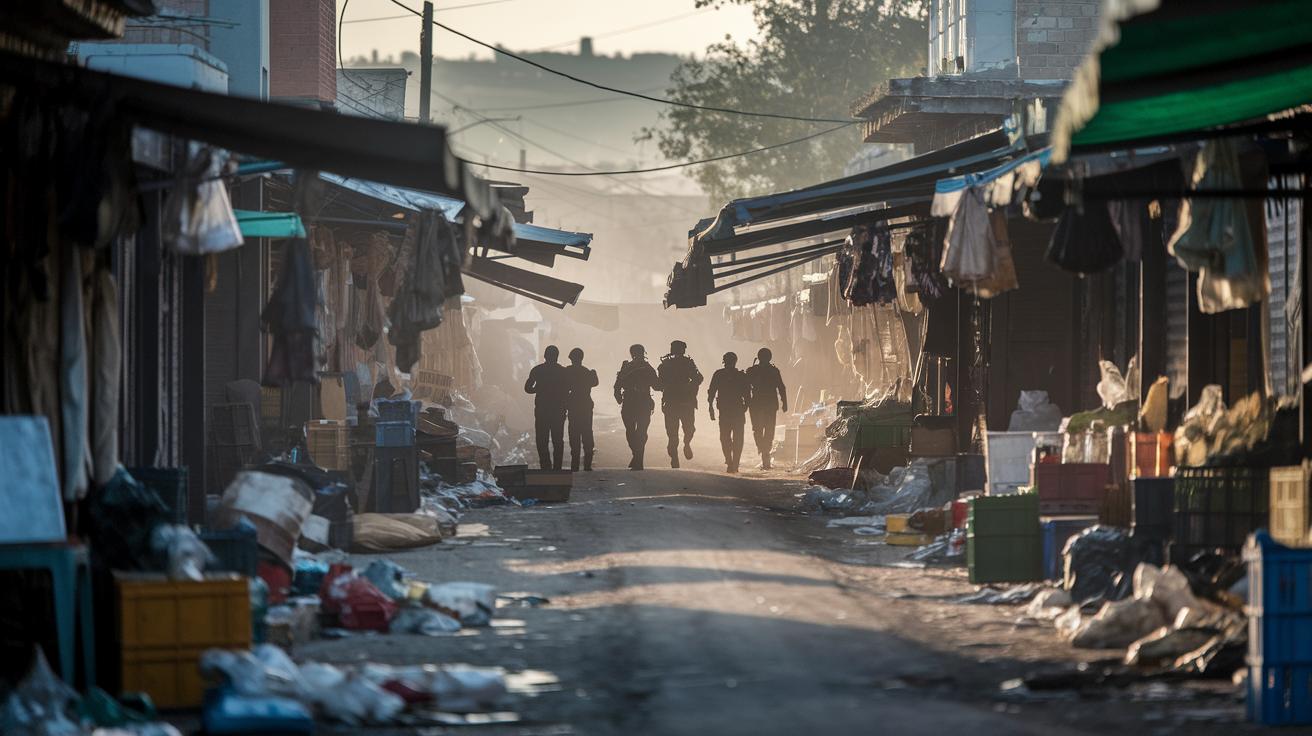
When conflicts and political unrest hit, they throw farming and food supplies into chaos. Workers leave their fields and resources shift to emergency efforts, leaving many areas with empty markets, rising prices, and unpredictable food supplies. Recent reports from food industry news show that even the strongest supply systems can fall apart in these times.
In conflict areas, families often have no choice but to leave their homes and farms behind. This sudden move cuts them off from the local shops and community support they need to secure food and basic supplies. Without a steady income and close neighbors to help, these households face growing struggles to get a reliable meal.
Political instability also damages important infrastructure like roads, bridges, and storage facilities. When these critical parts break down, food deliveries slow, and shortages worsen. Communities must work hard to repair these assets, all while trying to ensure that healthy, nutrient-rich food stays within reach.
Market Failures and Supply Chain Disruptions Driving Food Insecurity
When markets change, families feel the pinch. Shortages of raw materials and trade restrictions can cause prices to jump quickly. This makes everyday staples cost more and forces households, especially those already struggling, to spend more of their limited dollars on food. Even small rises in global prices can upset local budgets and widen the gap between those who can adjust and those who cannot.
Recent lockdowns showed how fragile our food delivery systems can be. Transportation delays and imbalanced distribution mean food sometimes sits on shelves instead of reaching hungry communities on time. Poor roads and lack of proper storage can lead to spoiled food and wasted resources. Experts, including those at the International Food Policy Research Institute, say fixing these weak links is essential in making sure everyone has steady access to good nutrition.
Social and Demographic Drivers of Food Insecurity
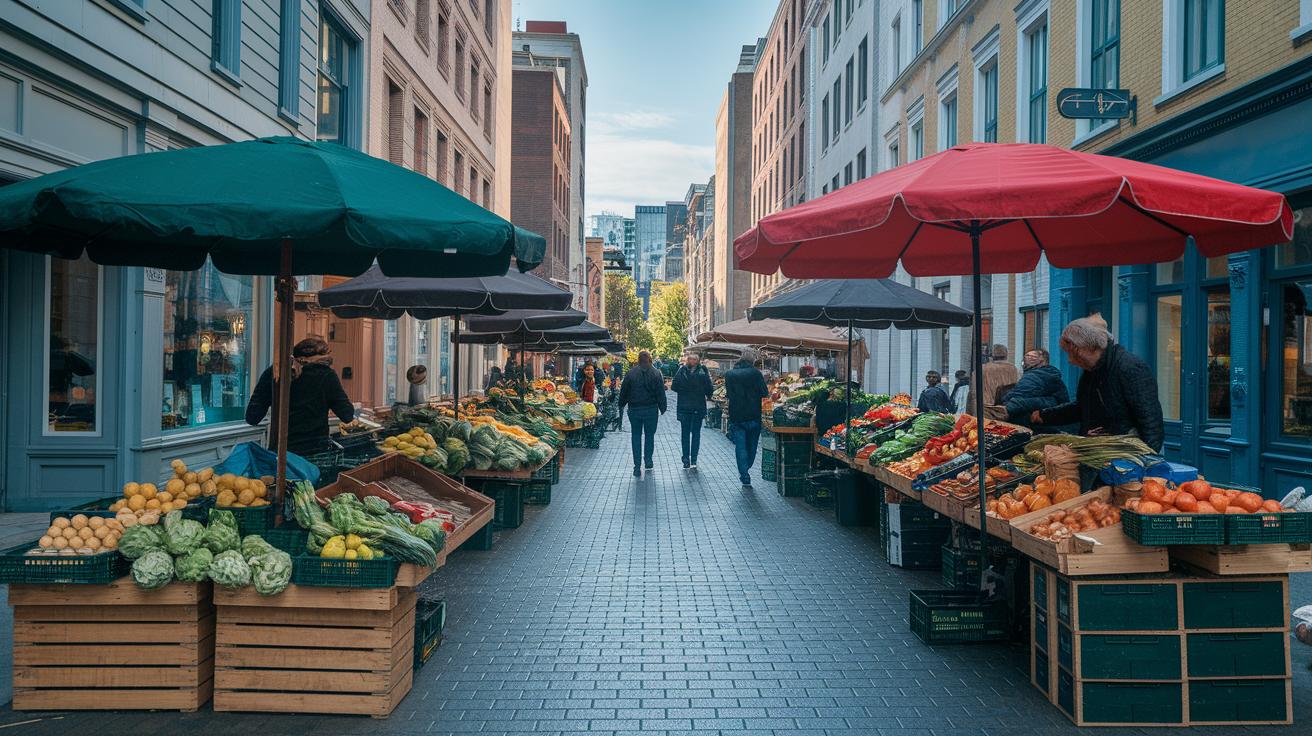
In many city neighborhoods, there are few stores that offer fresh, healthy food. Most local markets and corner shops primarily sell processed items. This means families often have to travel far or pay extra to get nutritious options. With such limited choices nearby, health risks can rise and family budgets become even tighter.
In the countryside, fewer people means there are not enough workers for farming and food processing. Many young workers leave to look for jobs in the city, leaving farms unattended and slowing new farming ideas. This decline hurts local food production because important skills and community support are lost. Farmers struggle to keep up their output, and local markets see fewer supplies, making it tougher for people to get food.
Adding to the challenge, population pressures make things even harder for vulnerable groups like children, women, and older people. Reports show that over 36 million malnourished children live in 32 countries, underscoring serious access problems. Fast demographic changes increase the fight for limited resources, leaving many without enough help. These urban and rural issues highlight the urgent need for policy changes that can reduce deep economic inequality.
Policy Shortcomings and Institutional Gaps Intensifying Food Insecurity
Government programs such as SNAP do not offer enough help for many families. They rely on the USDA Thrifty Food Plan (an old measure that does not reflect today’s food prices), leaving households struggling to get nutritious meals. When benefits fall short of real costs, vulnerable families must skip healthier options, which weakens long-term food security and forces tough trade-offs with other essentials.
Cuts in social supports and subsidies make things even harder. Reductions in funding for community nutrition programs mean that many households do not receive enough aid to meet basic dietary needs. This lack of support puts extra pressure on communities already squeezed by economic inequality, especially when unexpected expenses pop up. As a result, food insecurity worsens for those most at risk.
Budget limits and issues with corruption block needed reforms in food support policies. With fewer public funds, updates to help programs are delayed and key improvements in food distribution are stalled. Poor policy design and mismanaged resources leave families exposed to rising food prices. As economic gaps widen, these institutional shortcomings deepen vulnerabilities, making it even more challenging for government actions to protect families from inadequate meals. Addressing these policy flaws is crucial for ensuring that every family has stable and easy access to healthy food.
Final Words
In the action, we broke down key drivers, from economic pressures and environmental challenges to political strife and market gaps. Each section shed light on how various factors like climate variability and economic inequality compound issues in food access.
We explored the causes of food insecurity and the interlocking effects of policy shortcomings on vulnerable households. Recognizing these challenges can guide smarter decisions and inspire efforts to improve food systems. Positive steps forward mean better choices for our tables and brighter prospects for communities worldwide.
FAQ
What are the 10 causes of food insecurity?
The ten causes of food insecurity include factors like economic inequality, unemployment, political unrest, market fluctuations, climate variability, environmental degradation, insufficient infrastructure, social disparities, inadequate policies, and demographic pressures.
What are the 5 main threats to food security?
The five main threats to food security are economic disparities, employment instability, price volatility, market failures, and policy shortcomings. Together, these threats limit reliable access to nutritious, affordable food.
What does “Causes of food insecurity pdf” refer to?
The phrase generally points to a PDF document that outlines detailed research on the economic, environmental, political, and social factors that lead to limited food access, offering data and analysis for academics and policymakers.
What are the causes of food insecurity in America?
In America, food insecurity is driven by economic inequality, unstable employment, high food costs, and weak social safety nets, making it harder for households to consistently access nutritious food.
What are the effects of food insecurity?
Food insecurity affects health by contributing to poor nutrition and stress, which can lead to chronic illnesses and lower economic productivity while challenging overall community well-being.
What does food insecurity mean?
Food insecurity means that a household has limited or uncertain access to sufficient, nutritious food due to financial, environmental, or systemic challenges, as defined by agencies like the USDA.
Who is affected by food insecurity?
Food insecurity affects low-income households, children, seniors, and marginalized communities, including those in rural or conflict-affected areas, who often struggle to secure regular, nutritious meals.
Why is food insecurity a problem?
Food insecurity is a problem because it undercuts health, educational outcomes, and economic stability, leading to chronic diseases and hindering overall community development.
What is the main cause of food insecurity?
There is no single main cause; food insecurity results from a mix of economic inequality, environmental shocks, and political and market disruptions that together impair reliable access to food.
What are the 4 types of food insecurity?
The four types of food insecurity, ranked by severity, are marginal, low, very low, and acute, which help measure how different households face challenges in accessing adequate and nutritious food.