


Fed up with the same tired menu? Imagine a dish bursting with the freshest flavors each season offers. Savvy chefs now choose local, in-season ingredients to cut costs and help care for our planet (by reducing waste and energy use). When you cook with seasonal produce, you get tasty meals at lower prices while leaving a smaller mark on the Earth. This approach not only delights your palate but also strengthens bonds in your community. Discover how planning your menu around seasonal picks makes every meal a win for both your taste buds and the environment.
How Seasonal Ingredients Power Sustainable Menu Planning
Restaurants are turning to seasonal produce to create menus that taste great, cut costs, and help the environment. Using local favorites like asparagus, basil, peaches, strawberries, cucumbers, and corn, chefs design dishes that change with the seasons. Here’s a surprising fact: choosing locally grown ingredients over imported ones can lower food costs by up to 20% and reduce carbon emissions since the produce travels shorter distances.
This approach not only improves the flavor of meals but also builds customer loyalty and increases profits. Chefs get to highlight the best ingredients at their peak, letting diners savor the crisp bite of spring asparagus or the zesty punch of winter citrus fruits like oranges and grapefruits.
By focusing on what is naturally available, local restaurants create a kitchen that feels both eco-friendly and refreshingly current. Relying on seasonal choices means menus are easier to update, food waste is reduced, and local economies receive a boost.
In the end, using seasonal ingredients connects communities with nature’s rhythm, proving that sustainable practices can lead to both delicious dishes and a healthier planet.
Building Partnerships for Local and Ethical Sourcing in Sustainable Menu Planning

Chefs and restaurant operators thrive when they work closely with local farms and community-supported agriculture groups. By partnering with nearby growers, they secure a steady flow of fresh, seasonal produce that brings true farm-to-table appeal. For example, many restaurants work with local farmers to receive spring asparagus, summer tomatoes, and autumn root vegetables right when they're at their tastiest and most nutritious. These partnerships cut down on travel distances, lower carbon emissions, and build a strong bond between the community and the food on our plates.
Local sourcing also means thinking outside the box. Some chefs even set up on-site herb gardens to grow favorites like basil, mint, and lettuce right in the restaurant. This hands-on method guarantees top-notch freshness and lets chefs control every step of quality. Simple tools like bar ordering templates help manage supplies efficiently and reduce waste. Together, these approaches stick to ethical sourcing practices and strengthen community connections, showing a real commitment to both local prosperity and sustainable practices.
By investing time in local supplier relationships, restaurateurs build menus that not only celebrate great flavor but also promote environmental care and community well-being.
Seasonal Ingredient Selection: A Calendar-Based Approach to Sustainable Menu Planning
Using seasonal ingredients means designing menus that match nature's rhythm. Chefs can showcase each season's unique flavors while keeping costs low by choosing locally available produce. For example, swapping out imported mangoes for winter citrus like oranges and grapefruits offers fresher taste, lower costs, and fewer long journeys for the food.
Planning by calendar tells you exactly when to source each item. In spring, bright asparagus and fresh basil create a crisp start. In summer, juicy peaches, sweet strawberries, cool cucumbers, and crunchy corn give dishes a lively, summery feel. When fall arrives, hearty Brussels sprouts and turnips add a comforting touch to meals. In winter, zesty citrus fruits bring brightness and act as an affordable alternative to many imported options.
Imagine the burst of flavor when tangy grapefruit meets a perfectly seared protein, all thanks to seasonal precision!
| Season | In-Season Produce | Key Benefits |
|---|---|---|
| Spring | asparagus, basil | Fresh flavor boost, cost-effective |
| Summer | peaches, strawberries, cucumbers, corn | Vibrant, nutrient-rich dishes |
| Fall | Brussels sprouts, turnips | Rich, hearty textures |
| Winter | oranges, grapefruits | Bright citrus, lower food miles |
Sustainable Menu Cycle Design: Minimizing Waste and Maximizing Efficiency
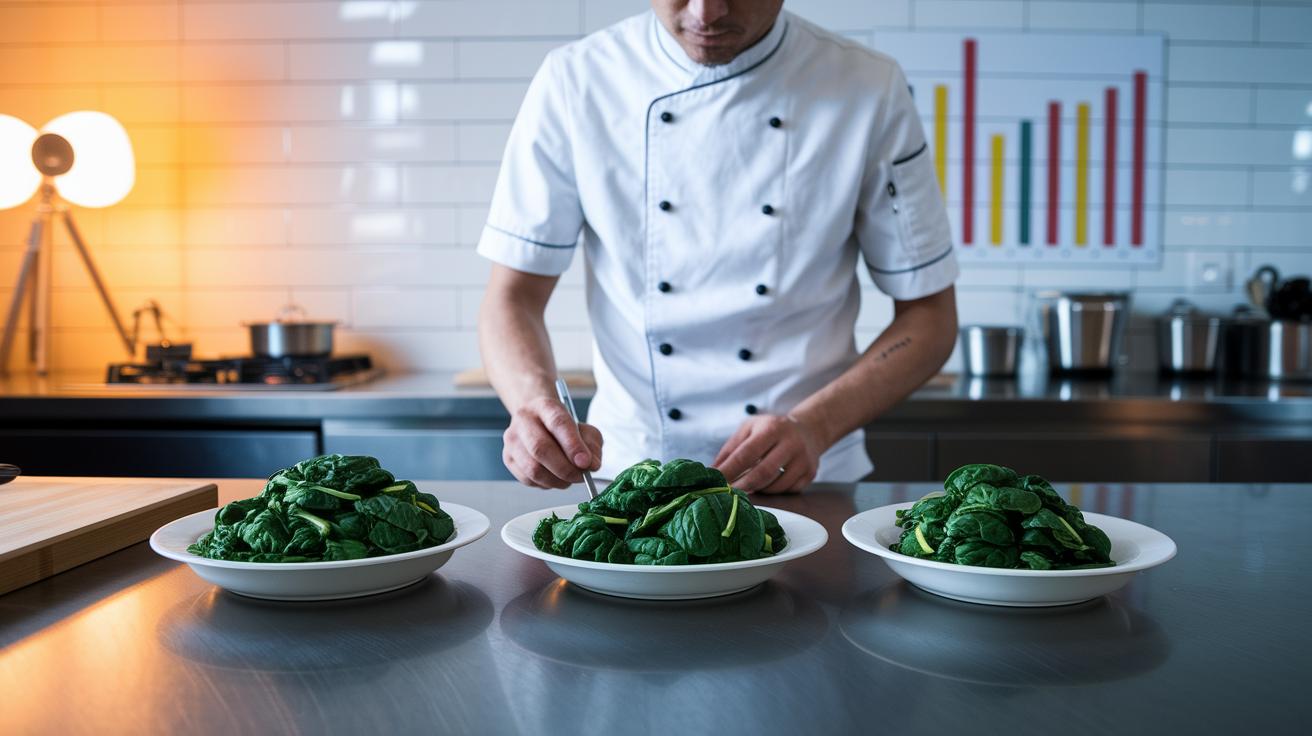
Restaurants can lower food waste and manage costs by planning menu cycles that use shared ingredients wisely and follow proven methods. Imagine using fresh spinach in a salad, a pasta dish, and a soup. This smart repetition boosts inventory efficiency and curbs waste. Standard recipes paired with clear food-cost formulas also help keep portion sizes in check and spoilage down, making it easier to predict food cost percentages.
For items that fluctuate in price, like seafood or seasonal produce, dynamic pricing lets chefs adjust menu prices quickly. This keeps quality high and profit margins healthy. Modern technology lends a hand, too. Inventory management systems track ingredients at every step, while point-of-sale tools work seamlessly with kitchen systems like WISK to control waste. Plus, advanced menu engineering software offers real-time insights into ingredient costs, recipe profitability, and even includes a built-in cost simulator. These tools empower chefs to make precise decisions that enhance consistency and customer satisfaction.
By streamlining the supply chain and using these smart tactics, restaurants can design menus that trim waste and delight diners with creative, seasonally inspired recipes.
- Overlap ingredients across dishes to boost efficiency
- Use standard recipes and cost formulas to master portion control and reduce spoilage
- Adjust prices dynamically based on changing ingredient costs
- Rely on smart inventory systems and kitchen automation for accurate tracking
- Utilize real-time menu engineering tools for up-to-the-minute cost and profit insights
Developing Eco-Friendly Recipes with Seasonal Produce
Spring Seasonal Recipe Ideas
Start with a twist on artichoke and spinach dip by adding fresh spring asparagus and basil. Imagine biting into a creamy dip with the crisp snap of tender asparagus and the bright, herbal taste of basil. It’s like a mini visit to your local farmers' market in every bite.
Summer Seasonal Recipe Ideas
Savor a classic tomato and mozzarella caprese that bursts with red, juicy freshness. Pair it with a strawberry salad where sweet ripe berries meet a light tang from vinaigrette. A cool cucumber gazpacho adds a refreshing touch. Each dish sings with flavors of basil, peaches, and corn that feel perfect for vibrant summer days.
Fall Seasonal Recipe Ideas
Celebrate autumn with a farmstead cheese board loaded with turnips, squash, and local cheeses. The dish mixes hearty, rustic flavors with a satisfying texture that makes you think of crisp fall walks and the joy of a bountiful harvest.
Winter Seasonal Recipe Ideas
Brighten up a cold day with a citrus and winter-green salad featuring oranges and grapefruits. This salad pairs tart, zesty fruit with the crunch of fresh winter greens. It delivers a lively mix that cuts through the winter chill and brings a burst of warmth.
These recipes highlight seasonal, organic produce. They transform simple ingredients into gourmet meals that celebrate freshness, flavor, and sustainable living.
Implementing Technology for Sustainable Menu Management

Modern tech in menu planning helps kitchens be eco-friendly, cut food waste, and keep profits secure. Tools like inventory trackers, point-of-sale systems such as WISK, and menu design software work together in real kitchens. For example, one small bistro used real-time cost tracking and recipe dashboards to cut spoilage and serve seasonal produce at its freshest.
These systems make daily tasks easier by stopping excess orders and minimizing waste. They also offer built-in cost simulators that let chefs fine-tune their recipes. Over 3,000 restaurant operators now use these tools to adjust recipes and manage ingredient costs, supporting greener food planning and eco-friendly trends.
One restaurant even tweaked its orders daily based on sales data, leading to a noticeable drop in waste within a few months. This smart setup helps managers see the big picture and make decisions that boost both efficiency and sustainability.
Final Words
In the action, the article showcased how seasonal produce, local partnerships, and modern tech tools work together to boost culinary quality and cost control. It outlined a clear seasonal calendar and practical waste-cutting techniques.
This guide serves up actionable tips and creative seasonal recipes. By embracing sustainable menu planning with seasonal ingredients, both restaurants and home chefs can serve up delicious, eco-friendly dishes. There’s plenty of room to try new flavors and make smart, sustainable choices.
FAQ
What is a sustainable menu?
A sustainable menu means a lineup of dishes built on seasonal, locally sourced ingredients that help reduce environmental impact, support local farms, and offer peak-fresh flavors to diners.
What are menu changes in a sustainable restaurant context?
Menu changes in a sustainable restaurant context refer to updating dishes based on seasonal ingredient availability and new sourcing relationships, ensuring freshness, cost control, and lower environmental impact.
What is the United States Healthful Food Council?
The United States Healthful Food Council is an organization that promotes nutritious food and healthy menu practices, advising industry professionals on creating meals that combine wellness with taste.
What is the Healthy Menus R&D Collaborative?
The Healthy Menus R&D Collaborative works to drive innovation in menu development. It supports research and recipe testing to blend good nutrition, flavor, and sustainability in restaurants.
What is the World of Flavours International Food Festival?
The World of Flavours International Food Festival is an event celebrating global cuisine. It brings together chefs and food enthusiasts to showcase diverse, sustainable dishes and fresh culinary ideas.
What is the Health Food Conference?
The Health Food Conference is a gathering of food experts and industry leaders discussing trends, innovations, and research in healthy menu planning and sustainable culinary practices.
What is the Menus of Change Business Leadership Council?
The Menus of Change Business Leadership Council unites restaurant leaders to share strategies for sustainable menu design and ethical sourcing, driving industry-wide improvements in food quality and environmental care.
What is the Eatreal org cookbook?
The Eatreal org cookbook features recipes that use wholesome, straightforward ingredients. It highlights practical methods for creating meals that are both healthful and supportive of sustainable food choices.