

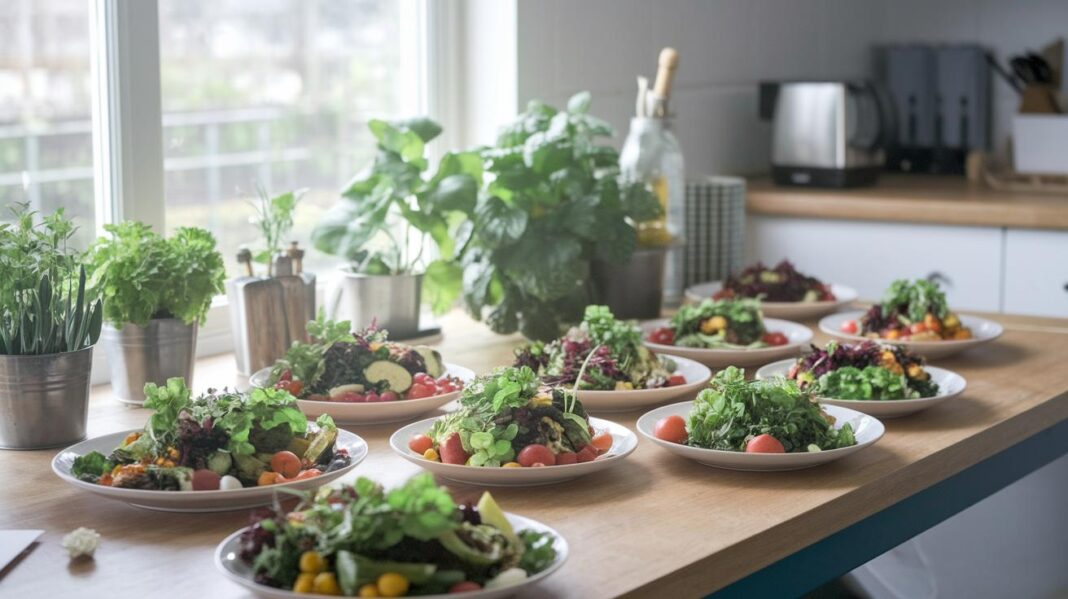

Ever thought about a meal that does more than fill you up? Plant-based trends are reshaping everyday recipes into dishes that care for our planet while still pleasing your taste buds.
In 2024, new farming ideas and creative processing methods are putting ingredients like mushrooms and vegan cheeses in the spotlight. These fresh approaches promise meals that taste great and are kind to the earth. Each bite nudges us toward healthier, more responsible eating.
Key Plant-Based Food Trends Shaping 2024
New ideas in farming and growing concern for the environment are changing how we view plant-based foods. More people are choosing foods that taste good, keep them healthy, and care for our planet. This shift is boosting the market in exciting ways.
New processing methods and changing food habits are also driving this trend. People want the comfort of familiar meals made with a plant twist and demand clear, honest production details. These shifts are shaping the industry quickly.
- Mushrooms now top plant-based meat options; sales have grown by up to 40% since 2020.
- Fish-free seafood is on the rise as modern methods create realistic faux-fish choices.
- Functional drinks, which mix great flavors with health perks, have seen a 50% increase, appealing to those who want more than just refreshment.
- Foods focused on wellness, featuring ingredients like ashwagandha and reishi mushrooms, are winning hearts for their simple health benefits.
- Plant-based meat alternatives have grown 35% as more people look for options beyond traditional meats.
- Upscale vegan items such as quality olive oils and artisanal vegan cheeses are attracting premium buyers.
- Over 50% of consumers now check that products follow eco-friendly practices before buying.
These trends show that good taste, health, and ethical production are coming together in every meal. Consumers now expect products that satisfy their hunger and help them live a balanced, sustainable life. The plant-based market is meeting these needs by rethinking classic dishes and using new ingredients, making every choice a step toward healthier eating and a happier planet.
Ingredient Innovations in Plant-Powered Edibles
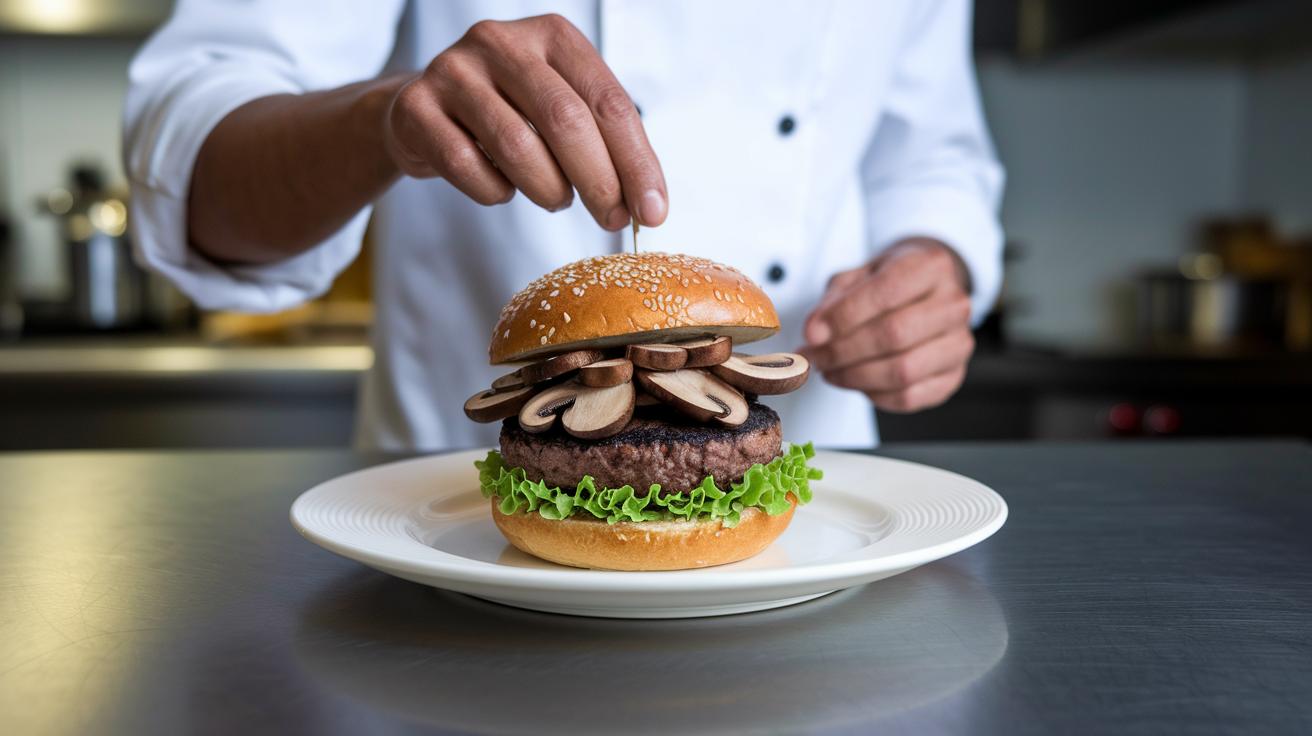
New ingredient breakthroughs are reshaping the plant-based food scene. These fresh ingredients bring richer flavor, better texture, and a greener footprint, making them popular with both home cooks and professional chefs. For example, mushrooms have seen sales jump by up to 40% since 2020, thanks to their deep, savory taste that mimics traditional meat.
Mushroom derivatives now lead the way in plant-powered innovation. Their unique texture and taste make them great for crafting meat substitutes. Manufacturers have refined extraction and processing methods (steps to get the best quality from the fungi) so these mushrooms can replace meat in both classic dishes and modern recipes. This method not only tastes great but also reduces the environmental impact.
Fish-free seafood alternatives show off what modern technology can do. Using advanced techniques, plant proteins are transformed to mimic the flaky texture and delicate flavor of real fish. This lets consumers enjoy dishes inspired by the sea without the sustainability issues tied to fish stocks. Companies continue to fine-tune these products, making them both realistic and easy to find.
Emerging protein sources like microalgae and fava beans are also making a mark, with about 25% growth driven by eco-friendly concerns. These ingredients offer solid nutrition while supporting cleaner production practices, a win for anyone looking to eat better and tread more lightly on the planet.
Flavor Fusions and Culinary Green Uprising in Plant-Based Menus
Today's plant-based menus celebrate bold spices and surprising ingredient pairings. Chefs are reworking classic flavors from different parts of the world by adding modern twists. The result is a global taste adventure that brings vibrant, satisfying dishes to every table.
| Trend | Growth Rate |
|---|---|
| Latin American chorizo alt. | 24% |
| Med. spice snacks | 30% |
| Umami mushrooms | 20% |
| Global sauces | 38% |
| Exotic spice mixes | 30% |
| Flavor fusions | 30% |
Across kitchens worldwide, cooks blend classic spice mixes with quirky additions to create plant-based dishes that comfort and excite. They combine the warm spice of Latin American chorizo alternatives with the crisp, savory touch of Mediterranean snacks. Umami mushrooms add depth, and global sauces lend a tangy kick. Even unique pairings, like kaffir lime with chili, show how creative flavors are reshaping plant-based cuisine.
This movement mirrors a larger change in dining habits. More diners are asking for meals that feel authentic and care for the planet. Chefs are reinventing familiar recipes with modern techniques, serving up fresh plates that champion both innovation and responsible eating.
Wellness Trends in Plant-Based Drinks and Snacks

More people are choosing healthier lifestyles, and many are rethinking their drink and snack choices. Consumers want food that tastes great and supports overall well-being. They are looking for simple, natural ingredients and clean labels that match their active routines while still delivering satisfying flavor.
Functional beverages have seen a 50% jump in popularity. Drinks like turmeric lattes and ginger kombucha are winning fans. At the same time, protein powders and bars boosted with superfoods have grown by 40%, offering a quick energy lift for busy days. Drinks with added botanical and herbal touches, such as lavender, hibiscus, and rosemary, have grown by 35% as well, promising a natural, refreshing taste that appeals to health-minded buyers.
New adaptogen-infused snacks are also breaking into the market. Made with few ingredients and no processed sugars, these snacks aim to help manage daily stress while providing lasting energy.
Premium 'Quiet Luxury' and Ethical Plant-Based Dining Projections
Consumers are willing to spend extra on high-end vegan foods like artisan cheeses, top-quality olive oils, and gourmet condiments. Studies show that more than 50% of buyers now choose products that blend great taste with ethical production methods.
Restaurants and food services are adding menus focused on ethical choices. Bloomberg’s Jennifer Bartashus predicts more creative plant-based dishes on offer. Industry leaders like Hela Spice, with 25 years of experience in food development, are leaning into this trend by crafting advanced formulations that appeal to both the palate and the planet.
Upscale venues are building their brand around sustainable practices. Every dish they serve aims to combine gourmet flavor with a promise of cruelty-free progress in the kitchen.
Sustainable Plant-Based Cuisine Revolution and Supply Chain Transparency

Consumers today want their food to help the planet. Many choose products based on eco-friendly practices, so companies need to clearly show where and how they source their ingredients. This steady focus on clean practices builds trust in plant-based foods.
Clean labels and honest sourcing are key to earning consumer confidence. When brands share details about how they source and produce their ingredients, they show a commitment to good, responsible practices. Elysabeth Alfano says that both government and private investors are backing sustainable food more than ever. Clear labels help shoppers know that their food is healthy and good for the environment. Knowing a product’s journey from farm to table helps everyone make smarter choices.
New fermentation methods are making plant-based meats even more sustainable. These techniques cut down on waste and lower emissions while keeping the food’s nutrition intact.
Next-Gen Plantfare Insights: Fermentation and Future Forecast for Plant-Based Foods
Fermentation is now playing a big role in changing meat alternatives. Companies use soy, peas, and fungi to create foods with real texture and flavor. Food expert Chris DuBois says fermented meat substitutes are set to drive growth by offering the rich, savory taste usually found in meat. This method not only boosts flavor but also improves nutrition. Bloomberg Intelligence notes that the focus is shifting from simply copying meat to creating unique, memorable dishes that even surpass traditional meat.
Institutional foodservice is moving beyond just restaurants. Analyst Jennifer Bartashus expects more plant-based options in schools, hospitals, and corporate cafeterias. Elysabeth Alfano adds that increased backing from governments and private investors will keep the innovation train rolling into 2024. These trends help plant-based foods become a well-supported, sustainable choice for everyday dining.
New technology is now at the heart of fresh product launches. Companies are using smart tools to fine-tune flavors, textures, and nutrition, paving the way for inventive protein sources and flexible culinary solutions.
Final Words
In the action, we examined how market drivers and consumer values are reshaping plant-based eating. Fresh flavors, sustainable sourcing and nutrition all steer choices in kitchens and dining halls.
Key takeaways include: mushrooms leading sales; fish-free seafood making strides; functional drinks gaining ground; plant-based meats expanding; gourmet vegan items appealing to premium buyers; ethical dining choices rising; and fermentation techniques boosting sustainability.
These plant based food trends pave the way for a tastier, greener future.
FAQ
What have been the plant-based food trends from 2020 through 2025?
The plant-based food trends from 2020 through 2025 show rapid growth in meat replacements, dairy alternatives, and functional beverages, reflecting a shift toward sustainable and health-conscious eating.
How is the global plant-based food market performing and what is its size?
The global plant-based food market is expanding quickly, with increased investments and consumer demand driving higher sales and a growing market size in meat and dairy alternatives.
What is the current market trend for plant-based foods?
The market trend for plant-based foods features strong growth, propelled by new ingredient innovations, rising demand for meat substitutes, and a focus on cleaner, sustainable dietary options.
Why is plant-based food trending?
Plant-based food is trending due to its appeal as a healthier and more sustainable option, with consumers seeking products that support eco-friendly practices and transparent ingredient sourcing.
Why did Miley Cyrus quit vegan?
Miley Cyrus quit veganism as her dietary choices shifted to meet personal nutritional needs, with sources suggesting she sought a more balanced approach rather than following a strict vegan lifestyle.
Do 84% of vegans go back to meat?
The claim that 84% of vegans revert to eating meat is not supported by broadly verified research; dietary habits vary widely, and many continue to embrace plant-based lifestyles with flexibility.