

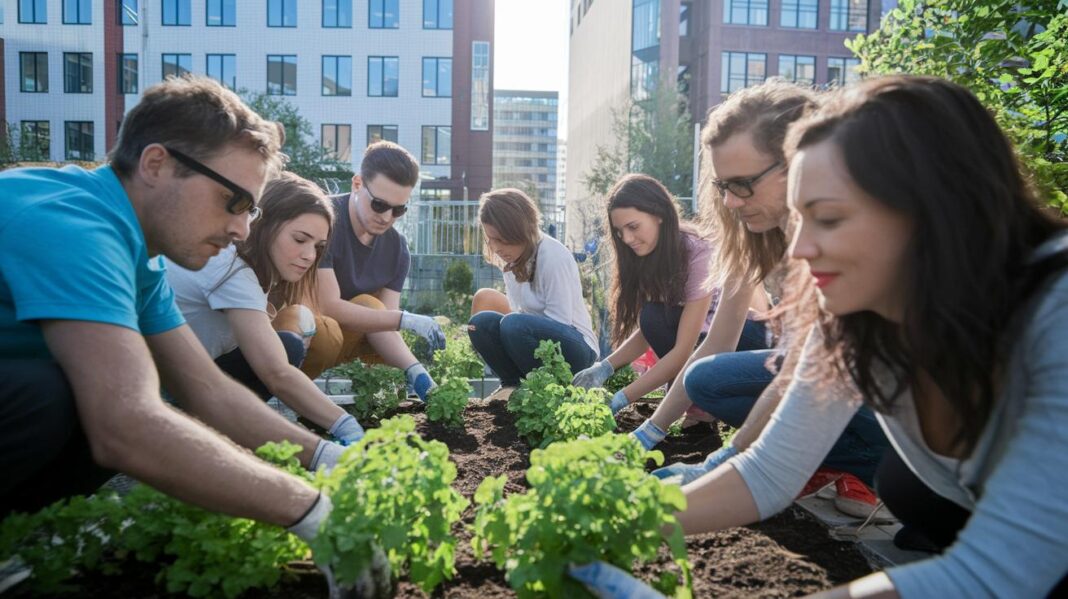
Have you ever thought about how your food choices affect our planet? Every meal can help save water and cut down on waste. More people are choosing plant-based foods, which can lower harmful emissions just like a fuel-efficient car saves gas. In this post, we share simple steps to make your meals greener and support your community. Every bite matters, and even small changes can boost your health while protecting our earth. Read on to discover easy ways to make a difference with your food.
Core Principles and Importance of Food Sustainability
Food sustainability means growing our food in a way that saves resources, keeps nature balanced, and limits harm to the earth. It involves using water and soil wisely, keeping our land healthy, and reducing food waste while making sure everyone gets their fair share. For instance, switching to more plant-based meals can lower water use and cut greenhouse gas emissions, similar to how driving a fuel-efficient car can save energy.
Eating in a green, sustainable way is good for both our health and the environment. Not only do sustainable foods provide nutrition, but they also help preserve nature's resources. With the world’s population expected to hit 10 billion by 2050, food production will need to grow by 60–70% to meet demand. This reality makes eco-friendly food practices more important than ever.
Every step toward sustainability matters. From protecting water and soil to cutting down on food loss with smarter supply systems, we can all make a difference. Choosing local and seasonal foods reduces our environmental impact while each purchase gives consumers the power to support these practices. Sustainable food means caring for our bodies and the earth with every meal we share.
Environmental Footprint in Food Sustainability
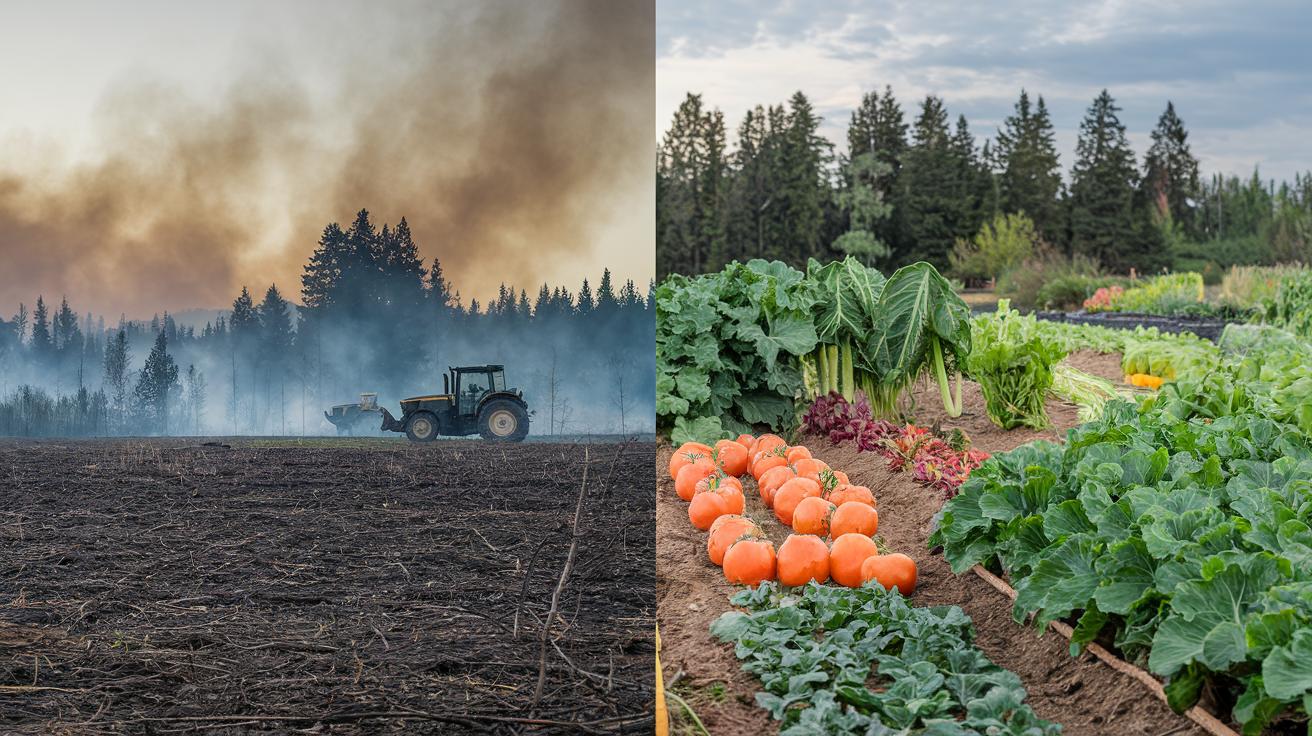
Traditional food production can clear forests and pollute the air, water, and soil. Large-scale farms often use chemicals that hurt the soil and trigger further environmental problems. For example, pesticides in intensive farming not only boost greenhouse gas emissions but also pollute nearby water sources, worsening the effects of climate change on our food systems.
Switching to more plant-based meals can ease some of these pressures. Plant-heavy dishes use fewer resources and emit less greenhouse gas than meat-heavy ones. Think of it like choosing energy-efficient appliances at home to save on your bills.
New farming methods are also making a difference. Techniques such as hydroponics (growing plants without soil) use up to 90% less water and reduce soil erosion. These methods create controlled environments that cut waste and boost yields. Precise water techniques, like precision irrigation, give each crop exactly the water it needs, lowering the overall water footprint.
By rethinking our food systems and using smarter production techniques, we can lessen environmental impacts and help build a more sustainable future for agriculture.
Sustainable Farming Practices for Food Sustainability
Sustainable farming mixes time-tested methods with modern water management to build food systems that care for our land. Farmers use regenerative techniques like agroforestry, cover cropping, crop rotation, and permaculture. These practices help the soil feel alive again, cut erosion, and naturally add back nutrients. For instance, one surprising fact is that farmers using cover crops have seen up to a 30% jump in soil nutrients in just one season. Small changes like this lead to big benefits.
Organic farming is also growing. More producers now choose natural ways that skip synthetic chemicals. These methods produce wholesome food and work hard to stop deforestation while keeping water, soil, and air clean. By focusing on soil health and balance in nature, farmers build strong ecosystems that support both crops and the environment.
Innovative water-saving techniques play a big role too. Drip irrigation and precision water management send just the right amount of water straight to plant roots. This careful watering helps save water and cut waste. Hydroponic vertical greenhouses take things further. They grow plants in layered, indoor systems that can use up to 90% less water than traditional field farming.
Many farmers mix these methods to build food systems that last and work well economically.
- Agroforestry, which grows trees with crops, boosts soil fertility.
- Crop rotation cycles nutrients naturally while keeping pests in check.
- Cover crops protect the soil from erosion and help it stay rich.
- Drip irrigation and hydroponics give water-efficient ways to grow food.
By combining regenerative practices, organic methods, and smart water techniques, the farming community can lower its impact on nature and help secure an eco-friendly food supply for the future.
Innovations Driving Food Sustainability: Technology and Systems
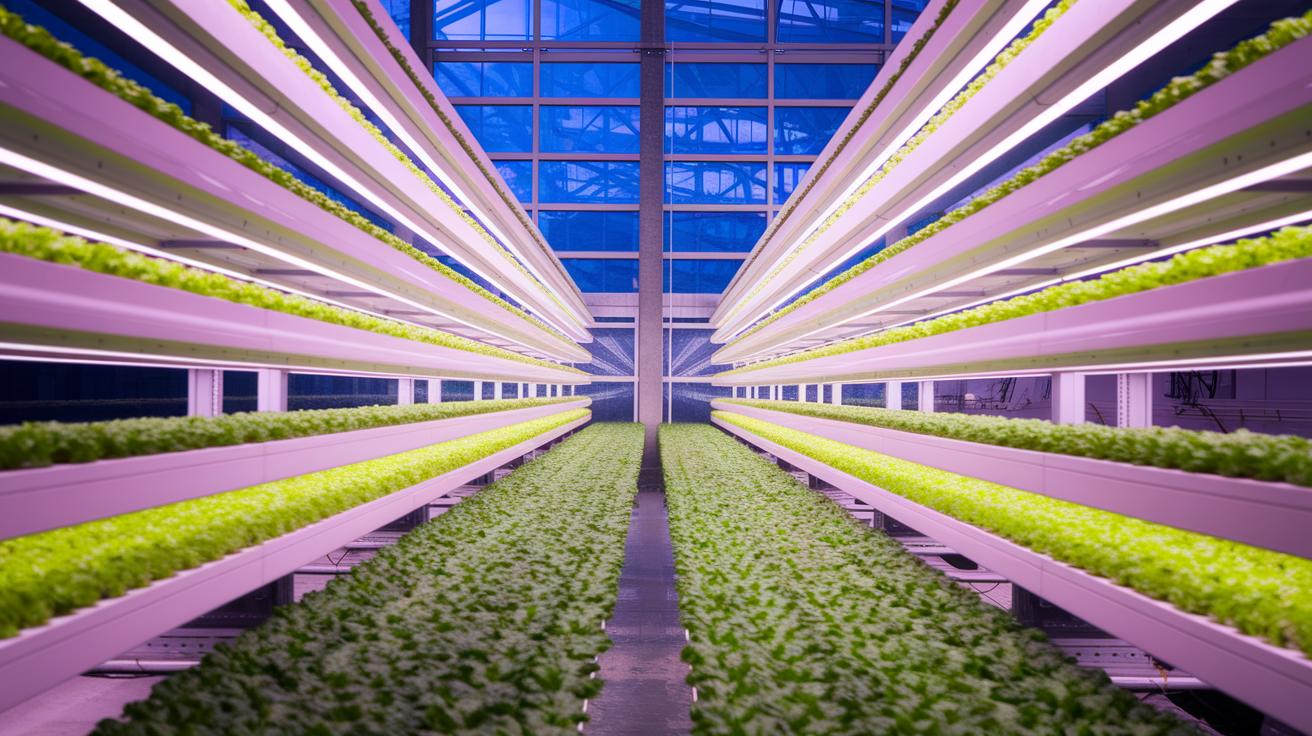
Food is being grown and served in new, smart ways. Indoor vertical farms use hydroponics and aeroponics to stack rows of crops. These methods help produce much more food on the same space and use up to 95% less water. For example, one vertical farm produced 10 times more than a regular field in the same area.
New techniques like precision irrigation and hydroponics save water and protect soil. These systems limit the need for strong chemicals and keep our land healthy. Cities are investing in these methods to build local food systems that are both strong and efficient.
Even our kitchens are changing. More people are choosing plant-based meals that help reduce greenhouse gases. Foods like legumes and grains give off 50–80% fewer emissions per gram of protein than beef. Chefs are now crafting dishes that mix bold flavors with ingredients that are kind to the earth.
Farmers are also getting smart with data. They use sensors to check moisture and satellites to watch over crops. These tools help them know exactly what the plants need, making food production more reliable.
By combining advanced farming techniques with creative, plant-forward cooking, we are stepping into a future where smart methods meet hearty meals.
Circular Economy and Waste Reduction in Food Sustainability
Rethinking food production with a circular economy means looking at every step from growing to serving with fresh eyes. From the farm to your plate, many are working to cut waste and avoid cranking out too much food.
Chefs and kitchen managers now find smart ways to use leftovers. They often turn vegetable scraps into a delicious stock or a smooth puree, giving a second life to what might have been thrown out.
Other hands-on ideas include composting food waste and crafting menus around seasonal offers. Many kitchens now feature on-site compost bins and team up with local farms to use extra ingredients. This cycle not only cuts down on waste but also helps feed our soil and water systems.
A 2021 study shared easy tips like reducing packaging and avoiding overproduction to keep our water, soil, and air cleaner. As consumers, choosing restaurants and brands that focus on eco-friendly methods makes a real difference. Simple habits like planning meal portions, reimagining leftovers, and storing food smartly are key steps in this journey.