

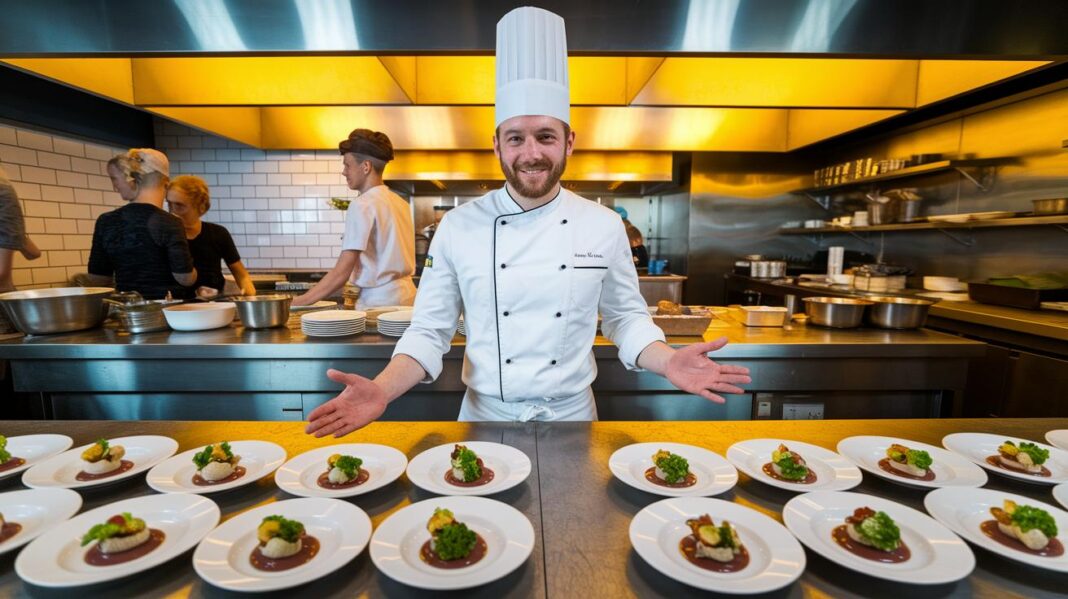

Have you ever thought a new dish might change the way we eat? Restaurants often launch fresh menu items that lead to exciting trends and bold flavors. Chefs plan smartly and listen to guest feedback as they create new recipes that win hearts and boost business. In a market growing 3% a year, each launch shows how careful planning and creative ideas can spark a wave of delicious innovation, making every new dish a moment to savor.
Planning Effective Restaurant Product Launches
Smart planning is the backbone of a restaurant's success, especially in a market growing at about 3% a year. With competition on the rise and customer tastes always changing, laying down a clear plan helps restaurants keep their edge. A well-thought-out plan makes sure every step, from brainstorming to serving the final dish, fits with the overall business goals and uses resources wisely.
- Define objectives
- Target guest profile
- Concept validation
- Budget allocation
- Tool selection
- Timeline creation
Tools like menu planning worksheets and integrated POS systems are essential. Menu worksheets help pinpoint the dishes that bring in high profits and allow chefs to tweak recipes based on honest guest feedback. The POS system (the tech that tracks every sale and order) keeps the front and back of the house in sync, ensuring smooth operations. These tools let teams track sales and guest reactions in real time, so they can quickly spot what’s working and what might need a change. This organized process means restaurants can adjust as feedback flows in, making each product launch both responsive and efficient.
Conducting Market Research for New Product Introduction
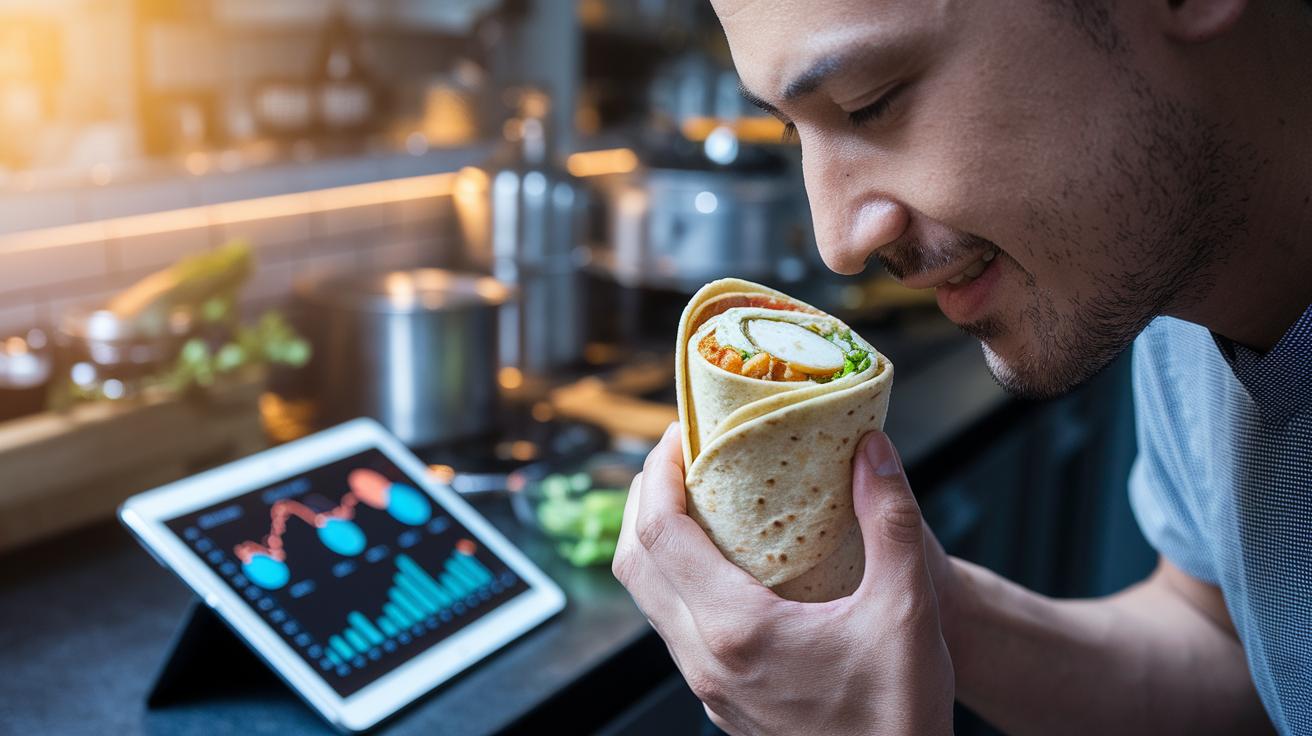
Restaurants mix both ideas from customers and hard sales data to plan new menu items. They use surveys and focus groups to hear what diners think about flavors, textures, and overall appeal. They also study sales records and order histories to spot trends and preferences. Many operators now use special ordering software (a tool that collects real-time data) to refine recipes and set prices before a full launch.
Recent examples show how this research pays off. One chain kept a new chicken-finger item on the menu after strong sales proved it worked. Another operator introduced a chicken wrap priced at $3.99 on June 2 to test how consumers react to a value offer. And Chick-fil-A’s annual return of its Peach Milkshake for the 16th year shows how seasonal studies help keep classic items both fresh and profitable.
Developing Menu Innovation and Culinary Concepts
Restaurant menus today mix trusted cooking methods with new, creative ideas. Chefs experiment with smart ingredient pairings and clever twists to design dishes that delight the taste buds while honoring classic flavors. The result is a fresh spin on familiar food that appeals to both loyal fans and those looking to try something different.
Classic menu items teach us important lessons about building unforgettable dishes. Take the Big Mac, which made its debut in 1967 with two 1.6 oz beef patties paired with a one-of-a-kind special sauce that defined its taste. KFC’s Original Recipe Chicken has kept fans coming back since 1940 by using a secret mix of 11 herbs and spices. Taco Bell’s Crunchwrap Supreme shows off texture contrast by combining a crispy tostada shell with a soft folded tortilla, proving how simple layering can make a dish interesting. Even the Original Chicken Sandwich from Chick-fil-A, mostly unchanged since 1964, reminds us that simple recipes often work best.
To come up with unique menu ideas, chefs are trying out new flavor mixes, drawing inspiration from culinary traditions, and tweaking recipes based on real guest feedback. These hands-on methods help create dishes that launch with creativity yet stick to comforting, favorite tastes.
Crafting a Launch Strategy and Marketing Campaign for Product Releases
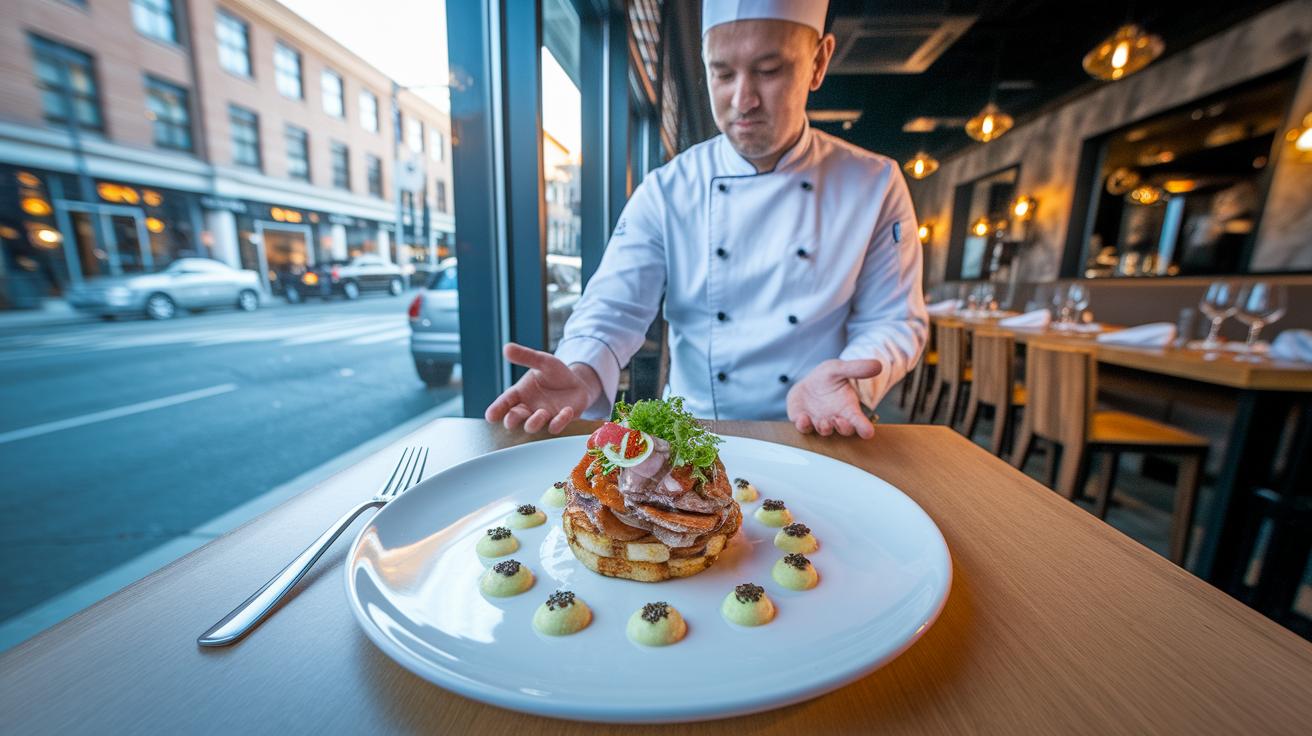
A good launch strategy begins with setting your product apart with clear positioning, simple messaging, and careful targeting of the right audience. It means figuring out what makes your product unique and telling that story in a way that connects with diners. For instance, you might introduce a new menu item as a creative twist on a classic dish, appealing to both those who love tradition and those seeking new flavors. This step is key because it shapes every piece of your campaign by matching the product's benefits with what customers expect.
Next, marketing efforts take that solid foundation and use modern, engaging methods to reach your audience and encourage repeat visits. Tactics might include fun loyalty programs that reward customers for trying new items, lively social media posts that invite customers to share their experience, and green initiatives that appeal to eco-conscious diners. Partnerships with other brands can also spark excitement and widen your reach, making each launch feel like a community celebration. Imagine a campaign where diners earn digital rewards for sharing their meal experience, this fun challenge can boost both participation and word-of-mouth buzz.
Executing Promotional Events and Experiential Launches in Restaurants
Restaurants boost excitement by hosting launch events with live demos, tastings, and hands-on displays. These events let guests try new dishes on the spot, sparking chatter on social media and catching the attention of local news outlets.
Big chains design these events to create a buzz and deliver a memorable dining experience. For example, Dairy Queen and Del Taco host themed shows where customers sample fresh flavors, generating excitement and encouraging friendly recommendations.
| Chain | Product | Launch Details |
|---|---|---|
| KFC | Chicken & Waffles | $7 Tenders and Waffle Box; $25 Family Feast |
| Dairy Queen | Sauced & Tossed Chicken Strips | Honey BBQ and Parmesan Garlic options |
| Del Taco | Del Dorado Chicken Menu | Three grilled chicken items plus an orange cream shake |
These events call for careful planning. Restaurants need to match staffing, supplies, and timing to busy periods. By scheduling extra help, stocking enough ingredients, and choosing the right moment to host the event, they set the stage for a smooth, engaging, and profitable launch.
Measuring Success and Analyzing Launch Performance for Restaurant Product Launches

After a new dish debuts, it’s important for restaurants to check how things are going. They need to quickly see what’s working and what might need a little change. This ongoing review makes sure each new dish helps boost profits and keep guests happy.
Key Performance Indicators
- Unit sales volume
- Average check lift
- Guest feedback scores
- Social media engagement
Restaurants can use management software dashboards, like those offered by restaurant management software, to track performance in real time. They rely on point-of-sale data to count daily sales of popular items, so they can make quick adjustments based on customer habits. Guest surveys provide ratings on taste and overall satisfaction, while social media data shows how diners react right away. By putting all these numbers together, restaurant teams get a clear picture of how a new dish is received. This practical approach guides tweaks to recipes, prices, and marketing strategies. Fast insights from integrated analytics help restaurants adjust operations quickly to meet customer needs, ensuring that every launch not only creates a buzz but also adds lasting value to the menu.
Final Words
In the action, restaurant leaders prove that careful planning makes a big difference. Breaking down steps, from defining objectives to integrating POS data, paves the way for smart menu updates and engaging promotional events. A focus on research and clear coordination helps turn ideas into successes. Every phase builds toward a well-rounded launch strategy that both excites customers and drives sales. The industry continues to evolve, giving fresh opportunities for restaurant product launches.
FAQ
Q: What new fast food and restaurant menu items are launching soon?
A: The phrase “new fast food items 2025” refers to upcoming seasonal menus and tech-enhanced offerings scheduled for later months in 2025 and early 2026. National Restaurant News highlights these updates.
Q: What is the 30 30 30 rule for restaurants?
A: The 30 30 30 rule means a restaurant aims to deliver orders quickly, offer a diverse range of menu items, and source a portion of its ingredients from local suppliers to support quality and speed.
Q: Which trend is currently emerging in the restaurant industry?
A: The emerging trend in the restaurant industry leans toward digital ordering, seasonal menu updates, and integrated systems that streamline both front- and back-of-house operations.
Q: How do you soft launch a restaurant?
A: Soft launching a restaurant involves hosting trial runs with select guests, testing menu options, and collecting feedback before the full public opening, leading to a smoother overall debut.
Q: What is the Gen Z trend in food?
A: The Gen Z trend in food centers on sustainable practices, plant-based choices, and bold flavor combinations, often showcased through social media and paired with value-driven pricing.