


Have you ever wondered if the secret to feeling great is surprisingly simple? Consider enjoying foods just as nature intended: one ingredient without any extras. Single ingredient foods let you savor real flavors and get pure nourishment without added chemicals. These natural choices can lift your energy and even help reduce the risk of long-term health issues. When you swap out a processed snack for a crisp apple or a handful of raw nuts, you're choosing simplicity and a direct connection to nature. Read on to discover how this straightforward approach can boost your well-being.
Single Ingredient Foods Radiate: Clean, Simple & Healthy
Single ingredient foods mean one natural item with no extras. They are unprocessed and come as a single natural element like a tomato, carrot, apple, brown rice, spinach, avocado, whole wheat, or coconut. This way of eating keeps food close to nature by leaving out refined sugars, artificial flavors, and preservatives. Unlike many products from the food industry, these items are praised for their purity and clear ingredients. Simply put, you enjoy food just as nature made it.
These foods offer more than just simple calorie counting. They help with weight loss by cutting out extra additives that can cause sluggishness and bloating. Loaded with vitamins, minerals, and antioxidants, single ingredient foods may lower your risk of chronic diseases such as heart disease, cancer, or diabetes. Every bite boosts your energy, aids your digestion, and helps keep blood sugar levels steady. Their natural nutrient power makes them a key part of a balanced diet.
Choosing single ingredient foods is a clear step toward a healthier lifestyle. When you opt for these pure foods, you eliminate the processed extras that can muddle your diet. Clean and simple, they deliver the essential nutrients your body needs without unwanted additives. As a result, your meals become a steady source of energy and clear nourishment, letting you savor both natural flavor and nutritional benefits.
Single Ingredient Foods: Top Examples And Simple Uses
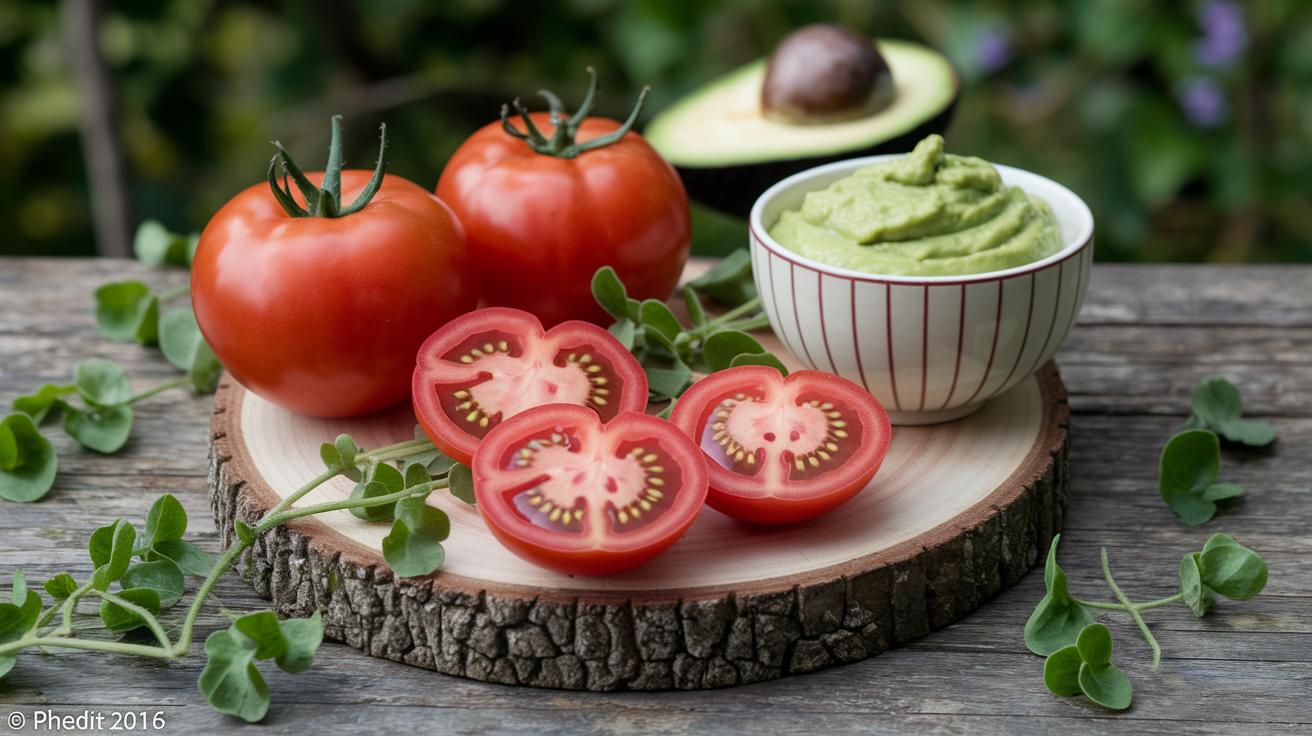
Single ingredient foods let you enjoy nature at its purest. With items like juicy tomatoes or hearty brown rice, you can easily create meals that are both tasty and nutritious. These ingredients work well as a snack, a side dish, or even a meal on their own. For example, fresh spinach paired with avocado offers a creamy texture and a boost of vitamins. Even desserts can be simple, like raw honey ice cream made with just raw honey and cream.
| Food | How to Serve | Main Benefit |
|---|---|---|
| Tomatoes | Fresh slices in salads or as a quick snack | Lycopene |
| Carrots | Cut into sticks for dipping or lightly roasted | Beta Carotene |
| Apples | Sliced or baked into crunchy chips | Fiber |
| Brown Rice | Served warm as a side dish or bowl base | Whole Grain Fiber |
| Spinach | Used as a salad base or lightly steamed | Iron and Vitamins |
| Avocado | Mashed on toast or tossed into salads | Healthy Fats |
| Whole Wheat | Baked into bread or used in simple pastas | Fiber and Protein |
| Coconuts | Eaten raw or enjoyed as refreshing coconut water | Healthy Fats |
These examples show that keeping it simple can still pack a flavorful and nutritious punch. When you use one main ingredient, you let its natural taste shine and give your body the key nutrients it needs. Whether you're making a quick snack or a full meal, these basic foods keep your cooking routine both practical and delightful.
Nutritional Profile Of Single Ingredient Foods
Calorie counts can often mislead us about food quality. They show basic energy numbers but rarely reveal the rich mix of vitamins, minerals, and antioxidants packed in single-ingredient foods. Whole, natural foods offer a nutritional boost that processed options just can’t match. Plant-based foods help our bodies absorb key nutrients like beta carotene, vitamin C, and potassium much more easily.
Instead of just counting calories, it’s smart to focus on the quality of energy you get. Simple foods such as tomatoes loaded with lycopene, spinach rich in iron and folate, avocados with their healthy fats, and apples providing essential fiber make a real difference. These unprocessed, one-ingredient foods deliver a natural, nutrient-dense punch without any extra additives.
Single Ingredient Foods: Meal Prep Strategies
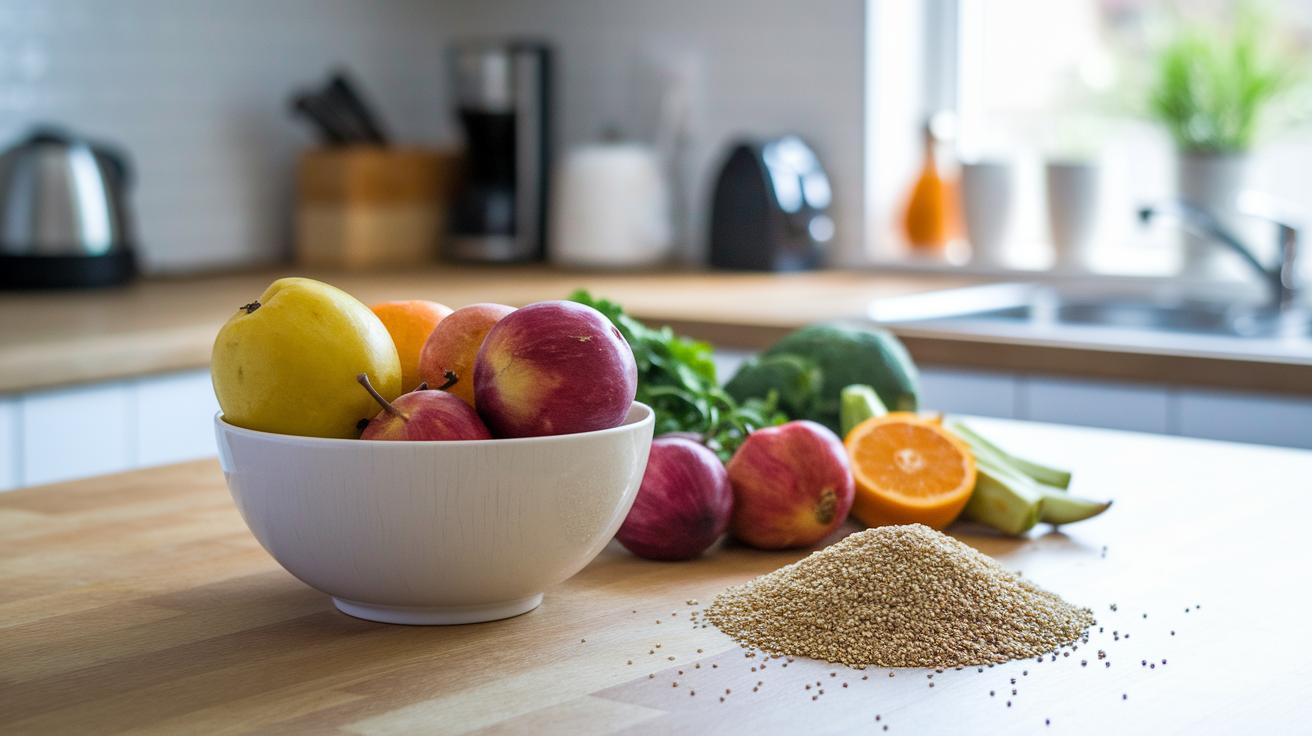
Using simple, single ingredients makes your cooking both healthy and easy. Instead of complicated recipes, stick with basics: just wash, cut, roast, or steam your food. This method fits perfectly into everyday life, whether you’re tossing together a fruit bowl for breakfast, a fresh salad for lunch, or a warm dinner of steamed greens and whole grains. You save time on both prep and cleanup, letting you enjoy the natural taste of every bite.
Batch Prep Methods
Plan ahead by grouping similar foods when getting ready to cook. For example, roast a full tray of vegetables or cook a large batch of grains at the start of the week. Later, mix and match these ready-to-use ingredients to create a variety of meals throughout the day. This strategy simplifies the cooking process and keeps the spotlight on each ingredient, making it easy for you to throw together breakfast, lunch, dinner, or even a quick snack without extra hassle.
Storage And Portioning Techniques
Keeping your ingredients fresh is key to a simple meal plan. Store each item in clear containers so you can easily see what’s on hand. Write the date and serving size on the containers to keep track of freshness and cut down on waste. By dividing pre-cooked foods into individual portions, it’s a breeze to grab a container and reheat it on a busy day. This approach not only captures the true flavors of your food but also helps ensure everything stays safe to eat.
A simple meal prep strategy like this can completely change how you eat. Preparing each item on its own means less time in the kitchen and more pure, delicious meals. For more ideas on choosing high-quality ingredients, check out the organic grocery shopping guide.
Single Ingredient Foods Versus Multi-Ingredient Meals
Many classic meals mix several ingredients, including processed items that come with hidden sugars, additives, and refined grains. These extras can lead to inflammation and bloating while hiding the true nutritional value of the food. Often, the focus shifts to counting calories rather than enjoying the vitamins and minerals found in whole foods.
On the other hand, a single ingredient eating plan means you enjoy one food at a time. Each bite brings clear, undiluted nutrients. This method keeps the natural benefits intact and makes digestion simpler. It also avoids extra additives that might disrupt steady energy.
A solo food diet has its perks. With just one ingredient, there is less chance of unwanted compounds weakening the food's goodness. Instead of hiding behind calorie counts, your meals deliver a direct boost of nutrition. This straightforward approach can lead to fewer signs of inflammation and steady energy levels throughout the day.
Final Words
In the action, this post broke down single ingredient foods by defining their pure nature, highlighting health benefits like improved digestion and stable energy, and sharing practical meal prep tips. It explained easy ways to enjoy whole ingredients and compared them with processed foods to show how they support clean eating.
Simple, whole ingredients help you take charge of your diet with minimal fuss. Embracing single ingredient foods leads to clear, mindful choices and a boost in natural vitality.