


Imagine turning your restaurant's leftovers into profit. Chefs are now rethinking each dish, from the sizzling grill to the final garnish, using zero waste menu ideas. They study sales numbers and share ingredients among dishes to cut excess and boost both profits and the dining experience. Using local, seasonal produce and measured portions not only adds flavor but also brings a sustainable touch to the plate. Smart tweaks in recipe planning show that reducing waste saves money and fills your menu with fresh, exciting ideas.
Zero Waste Menu Development Strategies Spark Bright Results
Start by examining your menu one step at a time. Look at sales numbers, food-cost percentages, and contribution margins (the profit made on each dish) to find out which dishes are doing well and which are over-prepared. For example, one restaurant found that dish X earned a 15% margin, so they tweaked the recipe to cut waste.
Next, plan your menu so that different dishes share ingredients. You might use spinach in salads, pastas, and soups. This approach reduces spoilage and makes inventory easier to manage. One chef shared that using one batch of spinach for several recipes noticeably reduced waste.
Use seasonal and locally sourced ingredients whenever you can. They are fresher, more affordable, and require less transport, which helps keep costs low and supports local farmers. Many restaurants report that customers appreciate when they use local produce. In one case, a local eatery credited its lower food waste to partnerships with nearby farmers.
Also, adjust portion sizes for pricier items and keep recipes consistent. Smaller, measured portions help limit overproduction while keeping flavors balanced and costs in check. A handy tip is to track ingredient costs in real time so you can adjust prices when they change.
Finally, put waste reduction methods into action across your entire menu. These strategies help make every part of your operation more efficient.
- Examine sales numbers, food-cost percentages, and contribution margins.
- Share ingredients across different recipes.
- Choose seasonal and local produce.
- Standardize recipes and adjust portion sizes.
Zero Waste Ingredient Sourcing and Seasonal Menu Integration
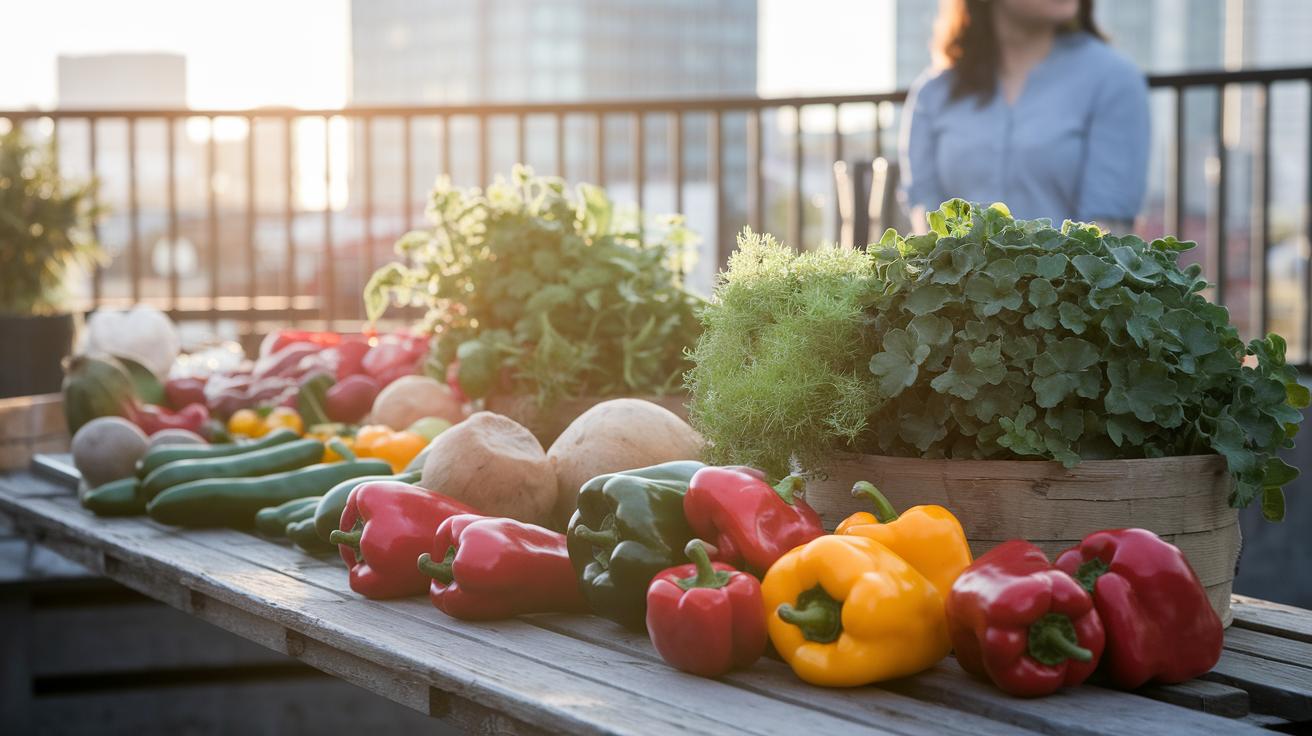
Seasonal produce brings a burst of freshness and flavor that lights up every dish. It not only boosts taste but also helps reduce food waste. Many zero waste restaurants favor local ingredients because they tend to be more nutritious and cost less, thanks to nearby growers. One chef working with urban farms discovered that basil and mint grown on site stayed fresh longer and offered a stronger flavor than imported herbs. Today, many kitchens team up with farmers’ markets and regional farms to get top-quality produce while cutting back on transportation emissions.
Using ethical ingredient sourcing weaves a story into the menu that invites diners to learn about each dish's origins. Sharing the backstory of every ingredient builds trust with customers. When a restaurant grows its own herbs for greens and salads, it manages supplies better and avoids buying too much. Zero waste practices truly begin at the ingredient source. Tools for sustainable sourcing help restaurants track reliable suppliers and support eco-friendly efforts. These steps not only lay a solid foundation for zero waste menus but also enhance the dining experience with clear, honest practices.
Linking local farms with the kitchen delivers both amazing taste and a healthier planet.
Efficient Inventory Control and Portion Strategies for Zero Waste Menus
Smart software now tracks inventory using sensor data and real-time analytics. Restaurants can connect these tools with their cash registers (POS) and supply chain systems to keep a constant check on ingredients. For example, one diner added a system that recorded temperature and usage details, which helped them fine-tune portions and cut waste by 15%. The manager said, "We now adjust orders and portions instantly based on clear, up-to-date data."
New technology also lets restaurants adjust prices based on current market costs. The system compares today’s data with past trends so that pricing reflects real supply and demand. This straightforward approach helps avoid practices that lead to waste.
- Adopt inventory tools that blend sensor info with supply chain data.
- Link these systems with your POS for quick, accurate price adjustments.
- Use automated portion control systems that adapt to market changes.
Creative Repurposing Recipes for Zero Waste Menus

Don't toss your kitchen scraps. Chefs are getting creative by turning unneeded bits into tasty dishes. For example, vegetable peels quickly become crunchy, baked chips when you toss them with olive oil and your favorite spices. Carrot peels, for instance, bake up with a satisfying crunch that goes way beyond a regular snack.
Herb stems also hold hidden flavor. When you steep them in oil, they turn into bright dressings and marinades that lift salads and grilled meals. Try mixing basil or mint stems with oil to add a fresh, aromatic boost to any dish.
Roasting and blending vegetable scraps makes a rich broth that is perfect for soups, sauces, and risottos. One restaurant, Restaurant X, cut its waste by 15% and saved $1,200 a month by using these simple broth-making techniques. Their success shows that smart repurposing not only cuts waste but can also improve the bottom line.
Recipes that use every part of a plant, from root to leaf, are becoming popular too. This method honors the natural taste and texture of each ingredient while keeping waste to a minimum.
- Use vegetable peels to make tasty baked chips.
- Steep herb stems in oil to create fresh dressings.
- Roast scraps to produce a hearty broth.
- Create dishes that use the whole plant for maximum flavor.
Organic Composting and Circular Kitchen Systems in Zero Waste Menus
Restaurants that compost in-house or partner with local programs can lower disposal costs by up to 20%. They turn kitchen scraps into a resource instead of waste. Chefs now track every carrot top and herb stem from prep stations to the compost bin using simple waste mapping techniques. This system redirects organic waste back into the food cycle by nourishing community gardens or in-house produce. For example, Café Z improved its garden soil and reduced produce costs by 10%. One small eatery even cut its disposal fees by 15% in one quarter after starting organic waste recycling.
Chefs and kitchen managers are quick to adopt these eco-friendly practices. They use methods that recycle every bit of food waste so it can complete its natural nutrient cycle. Instead of trashing leftovers, kitchens turn them into rich soil that grows new ingredients. These systems not only make waste tracking simple but also create a real connection between the kitchen and local farms or gardens. In short, turning scraps into soil boosts flavor and helps build a sustainable, closed-loop food system for both restaurants and their communities.
Staff Training and Operational Efficiency for Zero Waste Menu Implementation

Chef-led training and hands-on workshops strengthen smart waste practices in kitchens. These sessions teach staff to sort scraps correctly and control portion sizes so they avoid making too much food. Often, a fun exercise shows exactly how much to serve.
Food safety and allergen training that meets state rules, like those on what is food safety, helps cut risks while building greener kitchens. This training keeps safety standards high even as new, eco-friendly practices are adopted.
Mapping out the workflow reveals where waste builds up in the prep line. Managers use these clear visuals to streamline processes and cut down on leftovers. Every team member can see how their role helps reduce waste.
Zero waste onboarding modules ensure that every shift gets on board with these practices. Regular feedback keeps improvements sharp. With structured training programs, each team member learns to blend sustainable methods with their daily routine. This system balances proper inventory use with environmental care, making sure every dish meets strict standards for efficiency and waste reduction.
Tracking Performance Metrics for Zero Waste Menu Success
Regular audits are the heart of any zero waste menu. Each week, chefs should weigh waste by category, produce, protein, and dairy, to pinpoint where food loss occurs. For example, one kitchen found that uneven dairy sauce portions led to extra waste, and by tracking these numbers, they could adjust their recipe to cut back.
Dashboard analytics turn these measurements into clear, actionable insights. The dashboards highlight items with high waste so staff can fine-tune portions or update recipes. One restaurant, for instance, discovered that its salad dressings were contributing to waste, which spurred them to modify the preparation method. This constant monitoring helps teams stay proactive.
Quarterly reviews at test venues show that waste can drop by about 25%. These check-ins compare performance across waste types and set clear benchmarks. They also reveal how effective menu tweaks and better portioning can be, setting off a continuous cycle of improvement.
- Weigh waste weekly by sorting into produce, protein, and dairy.
- Use dashboard analytics to spot trends and adjust recipes.
- Review performance quarterly to measure progress.
- Continuously refine the menu based on clear, data-driven insights.
Using simple metrics and regular reviews lays the groundwork for reducing waste and fine-tuning menus. Data-driven decisions not only keep waste in check but also boost kitchen efficiency and profitability.
Engaging Diners with Zero Waste Menu Storytelling

Menus and digital screens can tell a story in an instant. A label that reads "50 lbs scraps diverted/month" immediately shows that the restaurant is serious about saving waste. At Café Y, marking dishes as zero waste increased orders by 12%, encouraging more guests to choose eco-friendly meals.
Signs and QR codes let diners quickly see how the restaurant helps the environment. They share local partner stories and clear stats on waste reduction. A good tip is to use bright, simple visuals with short words that explain how each dish supports the zero waste plan.
Listening to guest feedback also boosts these efforts. When diners are invited to share their thoughts through a quick survey or on a digital comment board, they feel part of the green mission.
- Use menu icons to show waste savings.
- Mark dishes as zero waste to guide guest choices.
- Add QR codes that reveal environmental facts.
Final Words
In the action, the blog outlined actionable kitchen tactics that span from recipe engineering and overlapping ingredient use to efficient inventory control. It highlighted the benefits of seasonal, locally sourced picks and creative repurposing to cut waste. The discussion extended to circular systems like organic composting and pinpointed how performance metrics can fine-tune efforts. Training staff and engaging diners round out the package.
These zero waste menu development strategies can help kitchens boost efficiency while keeping operations clean and sustainable.
FAQ
What are some examples of zero waste menu development strategies and how were they applied in 2022?
Zero waste menu development strategies use sales data for menu design, overlapping ingredients to reduce spoilage, seasonal sourcing, portion control, and repurposing techniques. These strategies helped cut waste and lower costs in 2022.