


Ever thought about selling your homemade pie or fresh salad at a local farmers market? It might sound risky, but selling food outside a full-service restaurant can be a smart, rewarding move. This guide shows you how to write a simple business plan, get the proper permits and licenses (official papers needed to sell food), and plan for costs like booth rentals and coolers. When you know what fees to expect and get organized early, you set yourself up for success. With careful planning and a smart approach, you can enjoy profitable market days.
Step-by-Step Guide to Selling Food at Farmers Markets
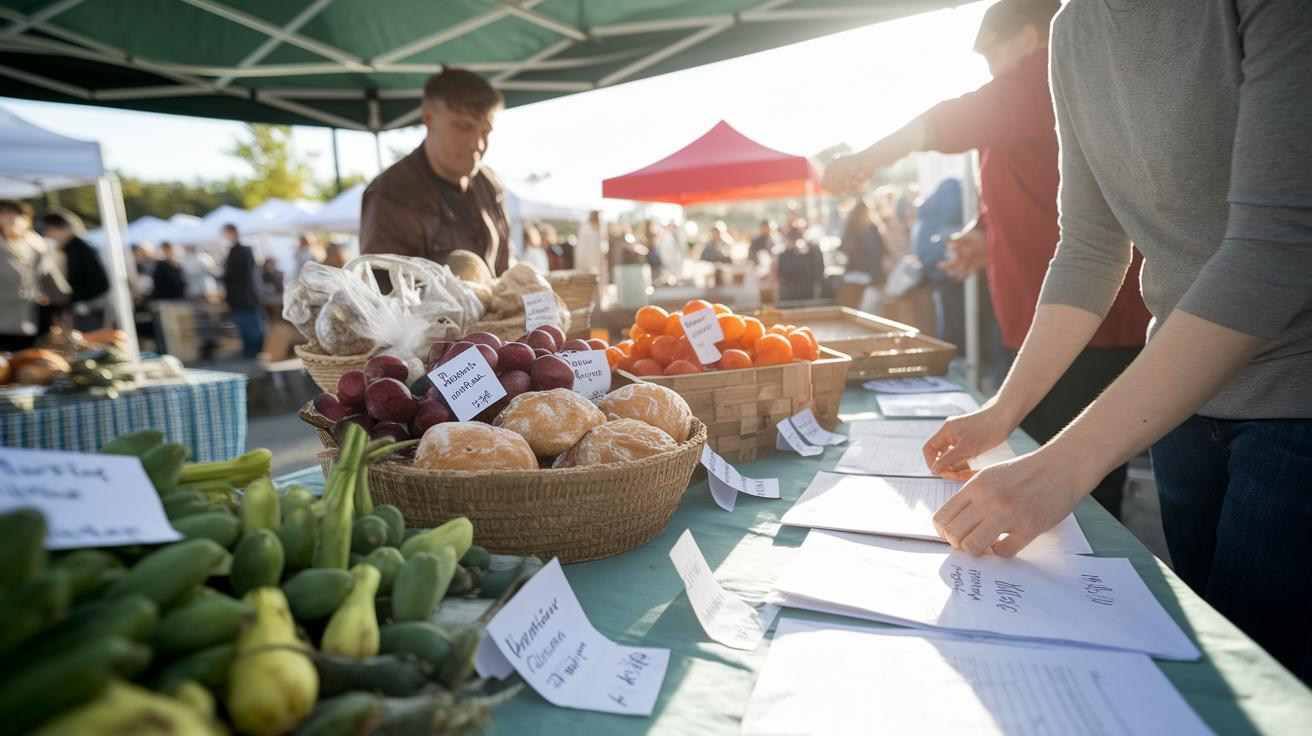
Begin with a solid business plan. Outline every detail, from the supplies you need to how you will get your items to the market. Think about your specialty whether it is fresh fruits and vegetables, homemade baked goods, or ready-to-eat meals. Budget around $200 for a booth rental, about $150 for a collapsible tent, plus extra for tables and transport. Walk through different markets to learn their fee structures and to match them with your product and customer base.
Register your business and secure all required permits such as food-service certification, a city business license, and a county health permit. Reach out to market organizers early. Many markets wait for new vendors, so it is best to get on the list in advance. Also, get liability insurance to safeguard your business. Make sure you have a plan to keep perishable items cool, like using reliable coolers until you confirm that you have refrigeration at your stall.
- Develop a clear business plan with financial goals
- Study market fees and consider possible revenue
- Pick a product niche that shows off your skills
- Register your business and get the required permits
- Secure liability insurance for protection
- Contact market organizers early to claim your spot
- Plan how to keep perishables cool until sold
A thoughtful and organized approach brings all these steps together. Following this plan helps you manage your budget and meet legal requirements, all while setting up a great product display. Taking time to research and prepare each element sets you up for smooth market days and better sales every time.
Researching and Selecting the Right Farmers Market

Start by visiting each market in person. Walk around to check out how vendors are set up, see where people gather, and take in the overall feel. Notice the types of shoppers, when busy periods occur, and whether the market is open on weekdays or weekends. Look at the vendor mix; for instance, see if the market is known for fresh produce, baked treats, or homemade specialties. Also, find out about extra fees for space, electricity, or water so you can understand your true costs.
Next, compare the market setups to see which one suits your products best. Look for a lively market that draws the kind of customers you want. Keep an eye on how simply the stalls are arranged because a clear layout can boost customer engagement and sales. Matching your unique product with a market full of supportive vendors and busy customers will help set you up for a successful venture.
Permits, Certifications, and Insurance for Farmers Market Vendors
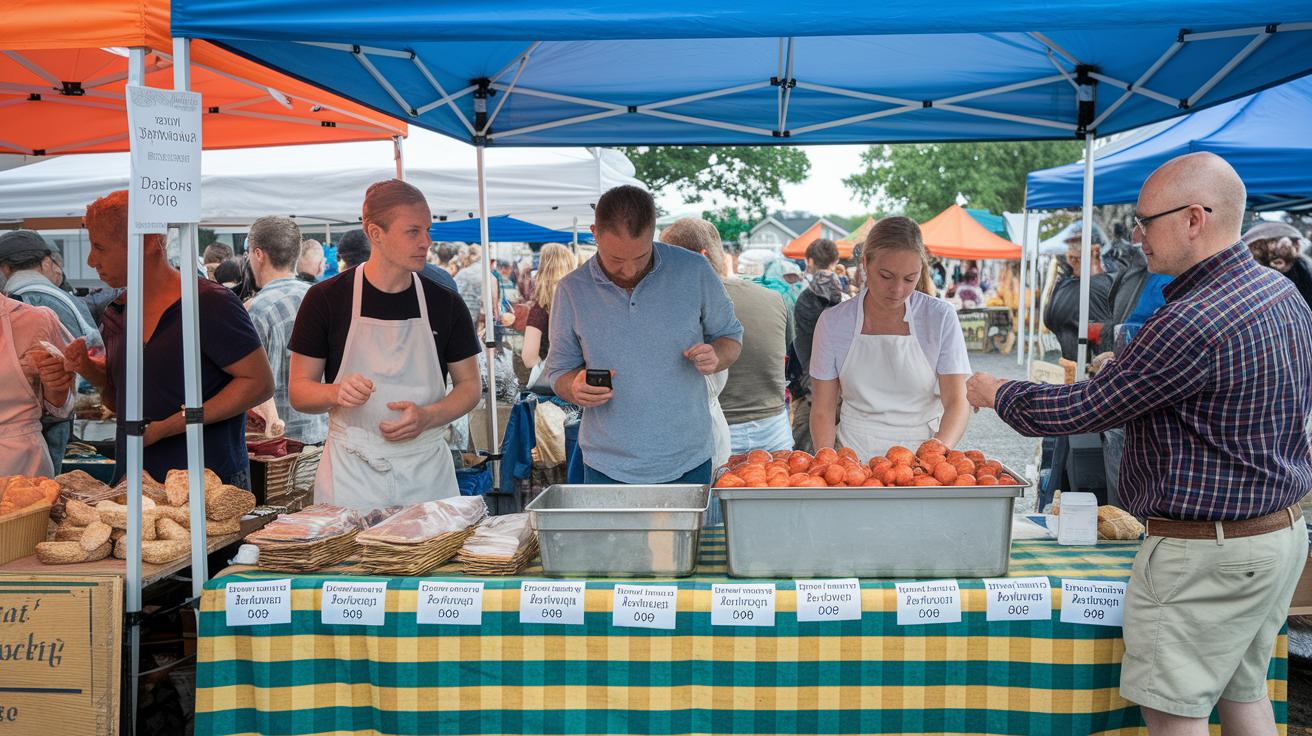
Food vendors at farmers markets must meet legal and health standards before they start selling. It is important to know which permits, certifications, and insurance you need to stay safe and legal. Meeting these requirements protects your customers and helps you avoid fines and delays.
Getting certified is the first major step. You need a food-service permit, a city business license, and a county health permit (this shows you follow safety rules). In some areas, an operator license is also required. If you plan to introduce seasonal or new menu items, you may need a temporary food license. Checking with your state Department of Agriculture will help you learn about any extra rules. These certifications build trust with customers and market organizers, setting a strong base for your business.
Insurance is just as important. Many markets require proof of general liability insurance and product liability insurance. This coverage protects your business if something unexpected happens, like a food issue or a customer injury. Including insurance in your business plan can help cover legal costs and shows your commitment to safety. With the right certifications and insurance in place, you can enjoy a smoother application process and steady success at the market.
Planning Your Market Booth: Setup, Presentation, and Display Essentials
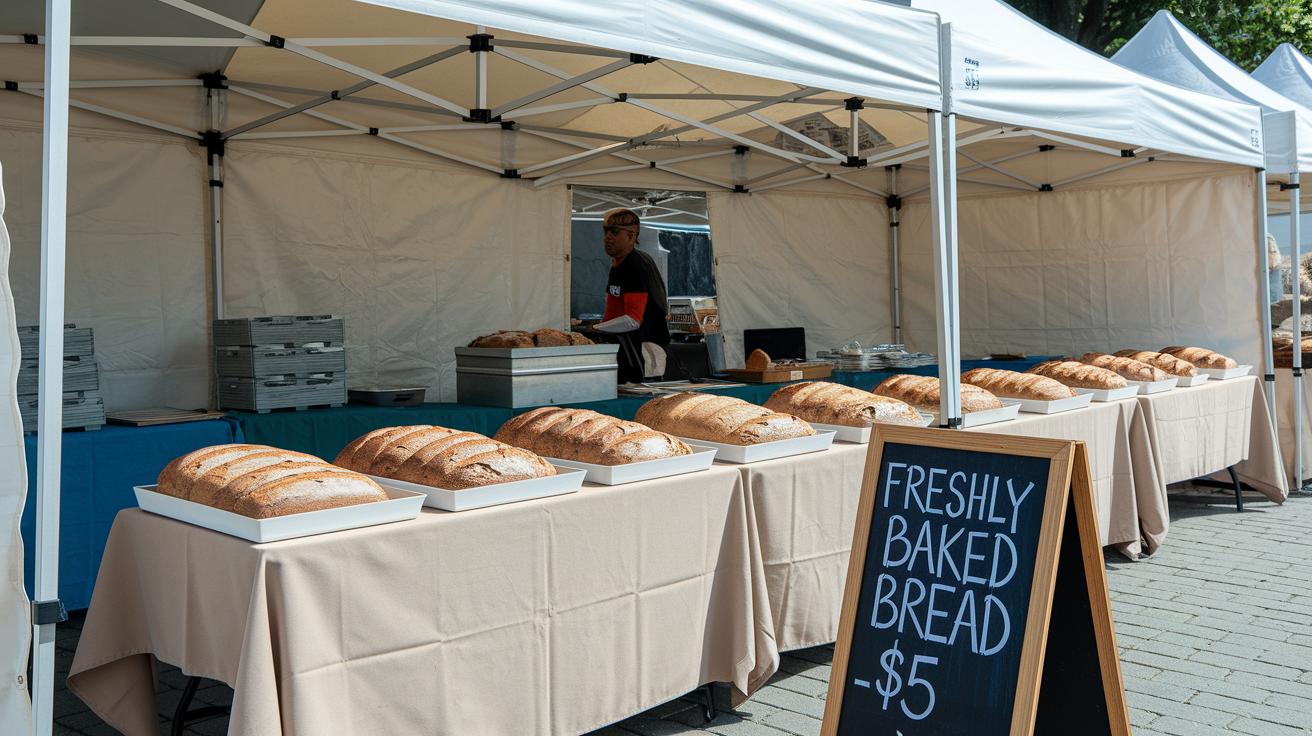
Build a booth that catches the eye and works simply. Start with a collapsible tent costing about $150 to shield you from bad weather. Add sturdy tables and a clean tablecloth to give your setup a neat, inviting look. Use clear, eye-catching labels on your products. Think of a chalkboard sign that says, "Freshly baked bread – $5" to grab attention quickly. Offering a small, focused sampling menu, like six items instead of twenty-four, helps customers decide and try your goods easily.
Look closely at what experienced vendors do. Notice how they place sample trays in smart spots and show prices clearly to avoid long haggling sessions. One vendor saw a 30% sales jump after trimming extra samples and simplifying the setup.
| Booth Element | Tip |
|---|---|
| Tent | Select a collapsible tent for about $150 to protect from weather and make setup simple. |
| Tables | Use solid tables that keep your display organized and safe. |
| Tablecloth | A crisp tablecloth creates a tidy and appealing look. |
| Labels | Show product names and prices boldly with creative signs. |
| Sample Trays | Keep your sampling menu short to spark interest and quick decisions. |
Match your display quantity with your expected sales. Removing extra inventory later in the day can encourage those last-minute buyers. Handwritten menus or chalkboard signs for pricing help shoppers see the value right away. A touch of warm lighting and decoration that fits your product style can complete the inviting feel. A well-designed booth not only shows off your products, it echoes your passion and commitment, turning early visitors into loyal customers.
how to sell food at farmers markets: Thrive

Make your booth stand out by sharing your personal journey and adjusting your display on the fly. For example, tell a brief story about your family's recipe evolution, like "Grandma's secret blend has been the heart of our salsa since 1952." This personal touch can draw in curious customers while you fine-tune your setup based on what sparks interest.
Refresh your booth layout during slower times. Change up product placements and pairing ideas as you listen to customers and track sales. Highlight seasonal ingredients to show you offer fresh, creative choices.
- Tell a personal story that explains what inspires your recipes
- Change your display layout during the day to match customer interests
- Rotate seasonal items to add variety and signal freshness
- Use interactive storytelling to connect with shoppers
- Make live adjustments based on real-time sales trends
| Booth Element | Tip |
|---|---|
| Brand Storytelling | Share a genuine, brief story about your recipes to attract curious shoppers. |
| Dynamic Display | Revamp your layout mid-day based on customer feedback and sales changes. |
| Seasonal Rotation | Use seasonal ingredients to keep your offerings fresh and exciting. |
| Interactive Experience | Engage customers with taste tests and behind-the-scenes stories about your dishes. |
| Personal Connection | Talk about the origins of your dishes to build a memorable bond with your audience. |
Pricing Your Products for Farmers Markets and Fresh Food Selling Techniques
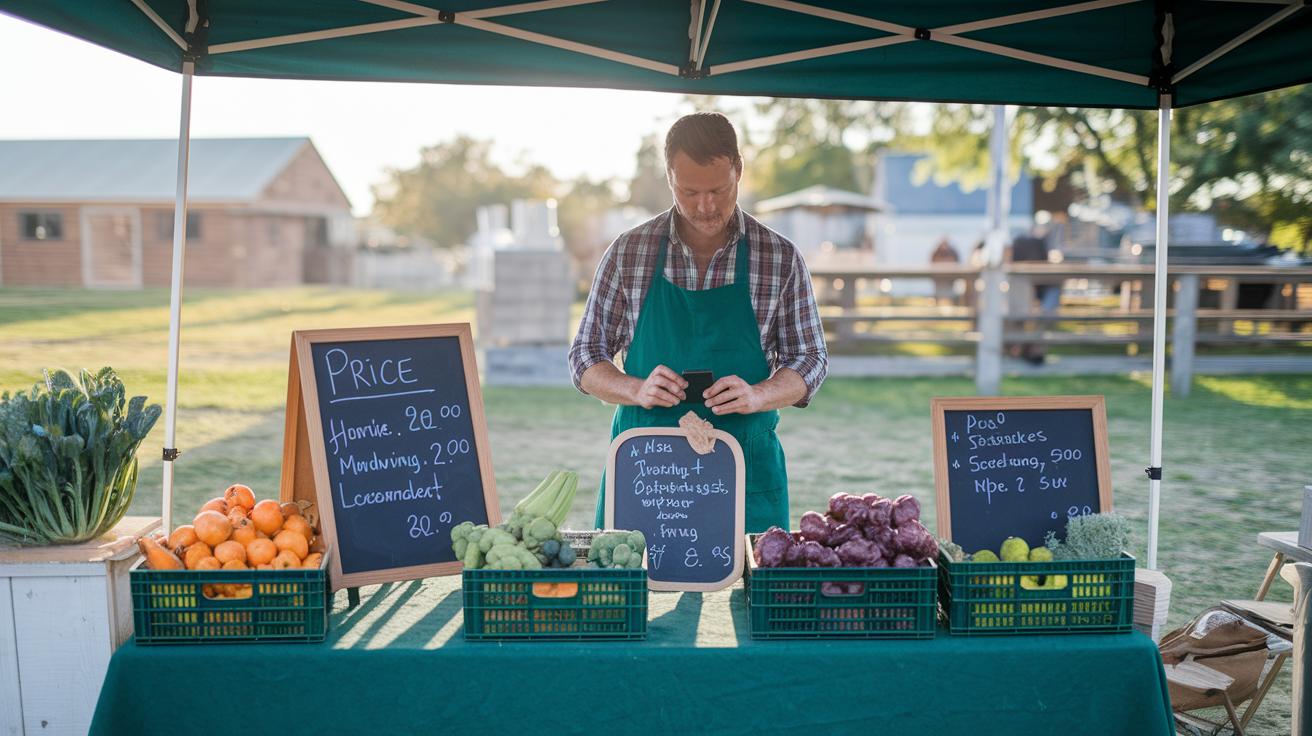
Start by adding up your costs, like ingredients, booth fees, and transport. Then add a markup that helps you turn a profit. This easy method keeps prices appealing and your business on track.
Clear chalkboard signs or handwritten menus help shoppers find prices fast. Limit free samples to a few top items. It guides buyers and nudges them toward a purchase without too many choices.
A strong pricing plan does more than cover your costs. It opens up chances for bulk sales. Consider teaming up with local buyers or joining a CSA program to move larger volumes while keeping quality high. The right prices can boost sales and reduce leftover stock. Even small changes in pricing and display can lift your profit margins and keep customers happy.
Marketing Strategies to Promote Your Farmers Market Food Stand

Use social platforms like Instagram, Facebook, and local food apps to let people know where you'll be each week and what seasonal treats you offer. Share the tale behind your signature items. For instance, telling customers, "Our bread recipe started in my grandmother's kitchen and brings warmth to every bite" turns an everyday dish into a cherished story.
Partner with nearby vendors for joint promotions or giveaways to generate excitement on the market floor. Eye-catching signs and live demos draw in curious onlookers. Try a quick tasting session so customers can sample your fresh creation. These hands-on experiences spark interest and encourage people to visit your stand.
Collect customer emails and launch a punch-card loyalty program to welcome repeat visits. Update your posts regularly to highlight daily specials and a behind-the-scenes look at your process. This blend of digital updates and on-site engagement builds a friendly, familiar vibe that draws new customers and keeps them coming back.
Managing Logistics for Farmers Markets: Inventory, Transportation, and Market Day Preparation

Start your market day with a solid plan to keep your items fresh and cut down on waste. Keep perishable goods in coolers until you know your stall has a fridge or power. This simple step protects your produce and helps them remain at the perfect temperature during transport. A smooth journey to the market sets you up for a good day and lowers any spoilage risks.
When setting up your stall, match your inventory closely to what you expect to sell, and pull back extra stock as the day winds down. This careful display can urge last-minute shoppers to make a purchase. To reduce waste, compost any unsold produce following proven waste-reduction tips. Changing your offerings with the seasons not only freshens up your stand but also ensures your produce stays at its peak taste and texture for eager customers.
In short, managing logistics means safe transport, clear inventory control, and smart waste management. Rely on coolers until your stall is ready, adjust your stock through the day, and plan to compost any leftovers. Seasonal rotations will brighten your stand and help you enjoy a smooth market-day experience.
Learning from Successful Farmers Market Vendors: Real-World Examples and Best Practices
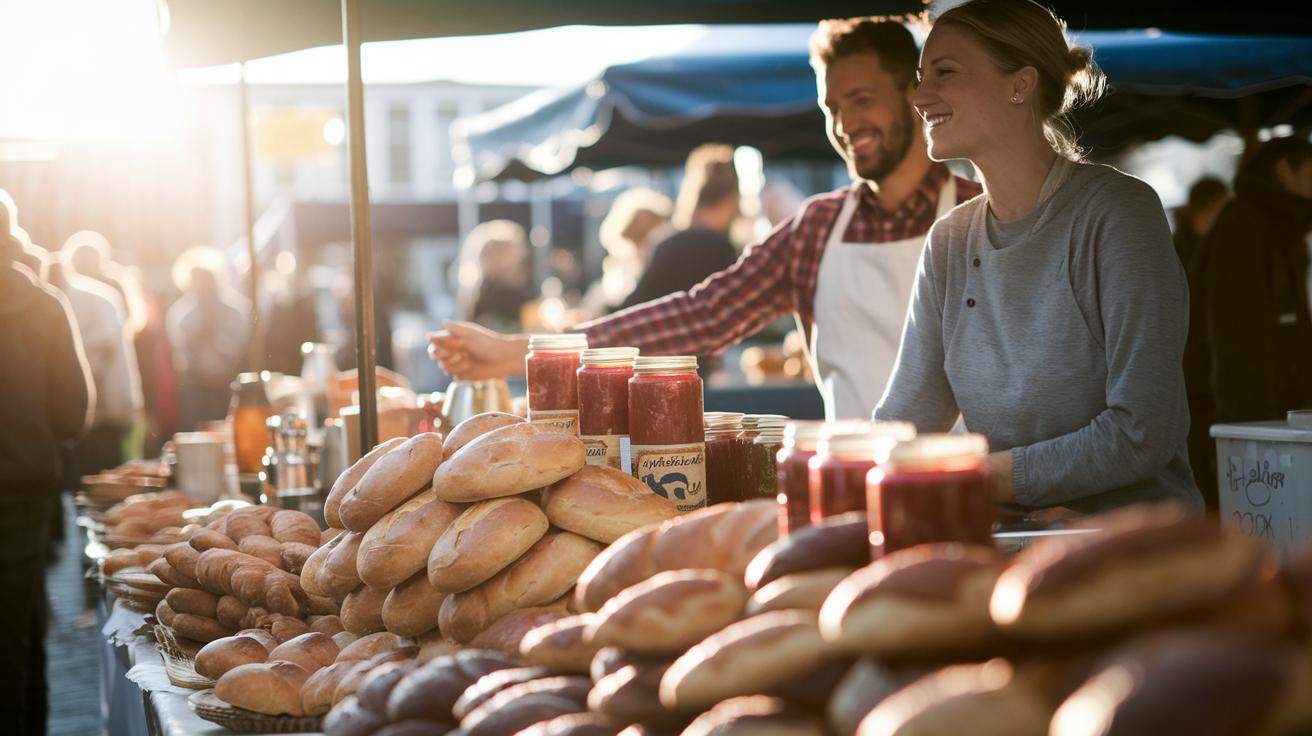
Top vendors often say that unique, homemade recipes not only spark interest but also encourage customers to spend more. One vendor talked about how his special bread recipe boosted his sales and built a loyal following. Sharing the story behind a cherished family recipe can make customers feel connected and leave a lasting impression.
Many vendors keep their stands exciting by changing their seasonal offerings. For example, switching between savory baked treats, fresh salsa, or colorful bouquets keeps customers coming back for more. Working with local farms through community-supported agriculture not only brings in money right away but also helps build a steady base of repeat buyers.
Real-life stories show that offering something a bit different can make a stand stand out in busy markets. Some vendors have built a strong reputation by selling artisan honey or specialty baked goods that customers trust for quality and authenticity. These vendors often see daily sales climb steadily by listening to customer feedback and adjusting their products to match market trends. By mixing new ideas with classic recipes, they create a vibrant and inviting stand that draws in both new and returning customers.
Final Words
In the action, the guide walked through setting a solid business plan, choosing the right market, securing permits, and planning a standout booth. It also explained pricing, marketing, and daily logistics, and shared real vendor tips.
These steps build clear, actionable advice that shows what it takes to thrive in local markets. Take these tips to heart as you learn how to sell food at farmers markets and move forward with confidence.
FAQ
How can I sell food at farmers markets in Texas, California, and other areas?
The question about selling in various regions means you should research local market rules, budget for booth essentials, secure permits like food-service certification, and contact market operators early to claim a spot.
What permits and licenses are needed to sell at farmers markets, such as in California and Florida?
The question on permits calls for obtaining a food-service permit, city business license, county health permit, and sometimes an operator license. Check local guidelines and state Department of Agriculture for specifics.
Do I need FDA approval to sell food at a farmers market?
The question regarding FDA approval shows that while some food products may be regulated, most farmers market vendors only need local permits and certifications to meet food safety and health standards.
How can I start selling food at farmers markets if advice from Reddit or unconventional methods are needed?
The question about starting without a traditional setup suggests you focus on a solid business plan, budget for essentials, secure local permits, and reach out to market organizers for guidance and booth reservations.
Is selling food at farmers markets worth the effort?
The question about the value of farmers markets shows that direct customer feedback, lower overhead, and community engagement can make selling at these venues profitable when planned and managed well.
What are some popular farmers markets like Santana Row, Mountain View, Saratoga Village, Campbell, Downtown Los Altos, and Willow Glen?
The question listing these markets indicates they are well-known venues with unique vendor setups, consumer demographics, and seasonal operations that can provide diverse opportunities for reaching local food buyers.