


Ever wondered what happens during a food safety inspection? One small mistake can hurt a restaurant’s reputation. Think of it as a smooth dance where every move, from checking records to walking the kitchen floor, helps keep the food safe. This guide breaks down the process into clear, simple steps. Each part of the inspection builds trust and prepares your restaurant to handle any challenge. Discover how following food safety rules not only meets guidelines but also boosts your confidence in running a safe kitchen.
Key Steps in the Food Safety Inspection Process

Food safety inspections are a step-by-step process that starts with careful planning and ends with a follow-up check. The system uses current safety guidelines and meets all regulatory rules. Every step is clear so facilities know what to expect and can prepare well.
It all starts with pre-inspection planning. Inspectors review all the paperwork and set a schedule that works for both the team and the facility. This step makes sure that all the records and certifications are updated, letting the inspection team work smoothly.
After planning comes the on-site check. Inspectors use modern tools (like digital data capture systems) to review food storage, temperature logs, and handling practices. Because safety rules evolve, these checks provide facilities with the latest insights.
The process is split into five core parts:
-
Scheduling
Setting a time that minimizes disruption while ensuring a proper check. -
Facility Walkthrough
Inspectors look over the facility layout, check equipment, and spy on overall hygiene. -
Sampling/Testing
Key samples are taken to verify food handling, storage temperatures, and the risk of cross-contamination. -
Report Drafting
Observations are written down in a report that shows both the good practices and areas needing improvement. -
Follow-up
A review confirms that any safety issues are quickly fixed.
Each part of this process is important for keeping food safe and building trust. Regular updates and careful audits help facilities meet all inspection rules and maintain high consumer confidence.
Building Your Comprehensive Food Safety Inspection Checklist

Begin by creating a checklist that touches on every key part of your restaurant's operations. This list not only guides your team during self-inspections but also keeps you ready for official visits. Tracking temperature logs, keeping equipment clean, and monitoring staff hygiene are simple steps that help avoid food safety issues. A clear and organized checklist makes reviews easier and ensures you stay compliant.
Digital checklist templates are a real time-saver. They let managers quickly enter data and check updates as they happen. For example, a restaurant might use a downloadable template that automatically records temperature readings from fridges. Consider this: long ago, managers used manual logs, which sometimes missed small temperature shifts that could spoil food.
Below are 10 essential items every thorough inspection checklist should cover:
- Temperature logs for refrigerators, freezers, and hot holding units
- Equipment sanitizing records for tools, utensils, and appliances
- Notes on employee hygiene gathered from observations and training sessions
- Measures to prevent cross-contamination through proper storage
- Pest control records, including routine service reports
- Food storage guidelines to manage stock rotation and separate raw from cooked items
- Cleaning timetables for kitchens, storage areas, and dining rooms
- Calibration and upkeep logs for safety tools like thermometers
- Verification of supplier paperwork to confirm ingredient safety
- Facility layout checks to ensure a workflow that lowers food safety risks
These points help you keep a regular record of each important area in your facility. Digital tools and checklist templates not only make updates simple but also provide a reliable record. This stored history can be very useful during official audits and for training sessions. With a well-designed checklist in place, every element, from food temperature control to pest management, is carefully monitored, giving you the confidence that your facility meets top food safety standards.
Understanding Food Safety Inspection Standards and Regulatory Agencies
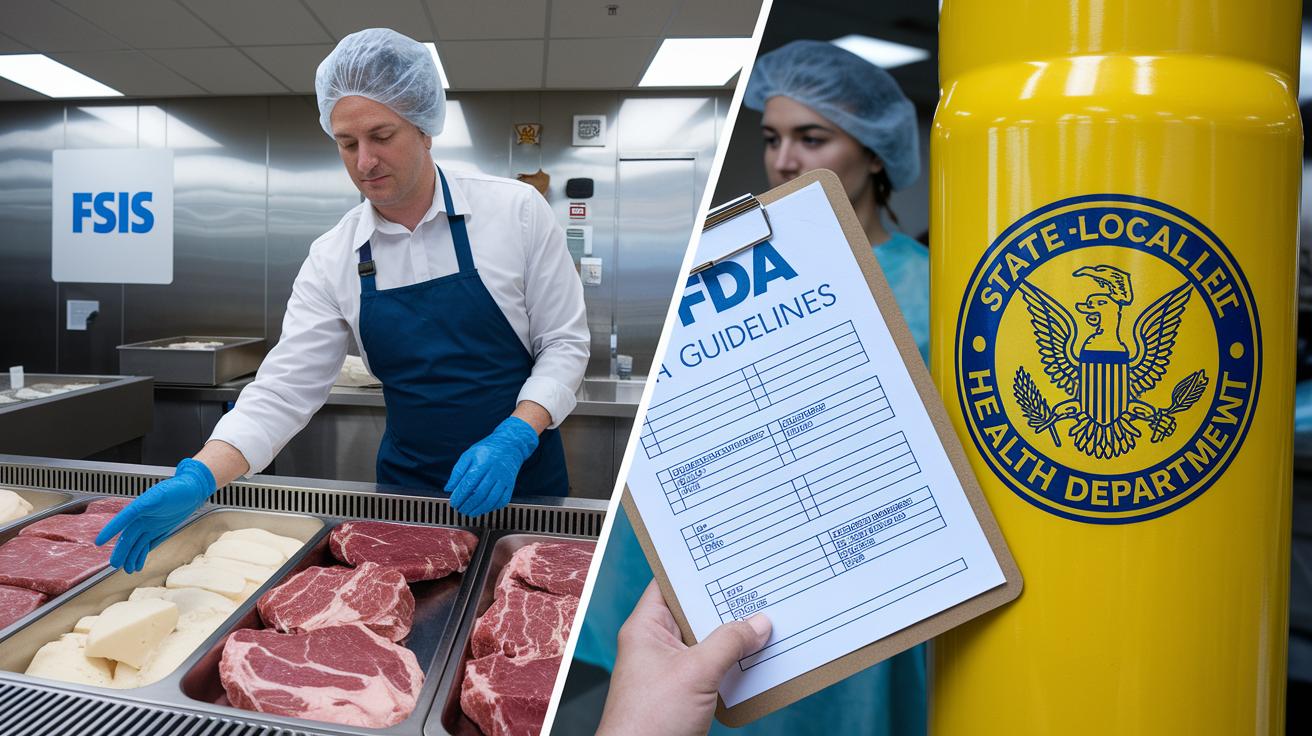
Food safety inspections use clear rules set by different agencies to protect our food. At the federal level, the USDA checks that meat, poultry, and egg products are safe to eat, while the Food Safety and Inspection Service (FSIS) provides guidelines for careful onsite reviews. The FDA also sets detailed rules for items like dairy, fruits, vegetables, and processed foods to help stop contamination. Meanwhile, state health departments add extra layers of checks to tackle local concerns, and local authorities perform daily inspections to make sure neighborhood standards are met.
All of these efforts work together to build a solid system that keeps our food safe. Digital platforms let inspectors and food operators quickly access updated guidelines so that everyone knows and follows the latest rules.
| Agency | Primary Responsibility |
|---|---|
| USDA | Conducts compliance inspections for meat, poultry, and egg products |
| FSIS | Implements protocols ensuring food safety during production and distribution |
| FDA | Oversees a broad range of food products with detailed inspection rules |
| State Health Departments | Enforce state-level safety guidelines and audit criteria |
| Local Health Departments | Carry out inspections and ensure adherence to municipal food safety standards |
| County Regulatory Boards | Monitor regional compliance and coordinate with state bodies |
Preparing Your Facility for a Food Safety Inspection: Training and Prerequisites

Start by making sure your team knows the latest food safety rules. Keep everyone informed with simple training modules that explain new regulations and best practices. Regular training sessions and extra education vouchers help the team stay sharp. Organize key documents like food temperature logs and cleaning schedules in one easy-to-find spot. This way, planned audits and surprise inspections become much less stressful.
A hands-on approach builds real confidence. Run practice audits using a clear checklist. Regular mock inspections help smooth out the real deal and boost your food safety efforts. Follow these three steps for a successful practice audit:
- Check that all record-keeping is current.
- Walk through each area of the facility to make sure cleaning and storage rules are met.
- Test staff skills by asking questions and giving tasks similar to what an inspector might ask.
Assign one team member to schedule and oversee these audits. Their job is to verify that safety logs are correct and fix any issues quickly. This process not only meets inspection requirements but also strengthens your overall readiness.
Sidebar: Certification courses for inspection experts are available. These courses give useful, real-world advice and extra training, helping you get ready for both scheduled and surprise visits.
This careful preparation builds trust among your team and shows your commitment to top food safety standards.
On-Site Food Safety Inspection Procedures and Best Practices

When inspectors visit a food facility, they use trusted methods and the latest tools to check every area. Key tools like infrared thermometers help them quickly confirm that freezers and refrigerators stay at safe temperatures. They also do swab tests on surfaces to find hidden germs. Watching busy kitchens in action shows if food is being handled the right way. And by talking to staff, inspectors learn about daily routines and make sure no detail is missed during audits.
Digital tools now speed up the process by recording data on the spot and keeping reports current. Many inspectors use mobile apps such as AuditPro and FoodSafe Mobile to simplify reporting and track necessary fixes. These apps work alongside traditional checks to add extra accuracy and speed.
Below are five best practices for on-site inspections:
- Use infrared thermometers to verify that storage areas keep the correct temperatures.
- Conduct swab tests on high-touch surfaces to uncover any lingering bacteria.
- Observe food preparation and storage to ensure safe practices.
- Speak with staff to understand how they follow safety rules.
- Leverage digital tools for instant data capture and consistent reporting.
Combining classic methods with digital solutions makes inspections both thorough and efficient. A step-by-step check using modern technology helps capture every detail accurately. This practical mix not only proves compliance but also boosts confidence in keeping food safe. Using mobile apps along with proven techniques supports quick fixes and continuous improvement, helping teams stay on top of food safety standards.
food safety inspection: Confident Compliance Ahead
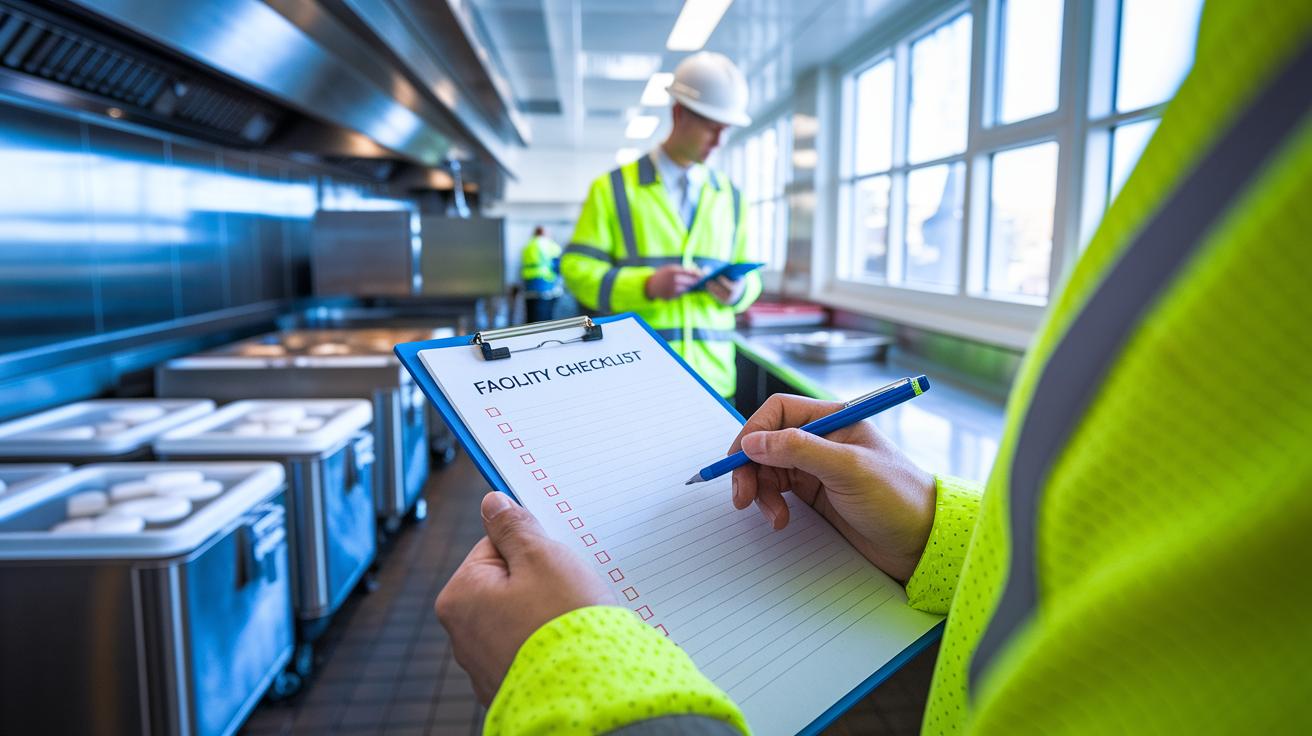
Food safety inspectors use a clear scoring system when they visit facilities. They check items like temperature logs and employee routines, then score each part against safety rules. This method helps facility managers see exactly which areas need improvement, whether it’s a minor mistake like a record-keeping slip or a serious error such as unsafe food handling. These scores guide both inspectors and staff to know where to focus their efforts.
Each violation is broken down into specific, actionable steps. Inspectors follow detailed guidelines that explain what counts as a breach of food safety rules. Every report shows the violation, its severity, and a deadline for correction. This clear system ensures that fixes happen quickly and helps prevent the same issues in the future.
Below is an example format for a violation report:
| Violation | Severity | Correction Deadline |
|---|---|---|
| Improper storage temperatures | Major | 7 days |
| Lapsed equipment sanitization record | Minor | 14 days |
| Cross-contamination risk identified | Major | 5 days |
This breakdown gives managers a clear view of what needs to be fixed and when. In doing so, facilities build steady food safety practices and keep compliance in check.
Essential Food Safety Inspection Resources and Tools

Food safety experts can tap into a mix of free and paid tools that cover training, certification, and compliance checks. State health department websites offer the latest guidelines and rules, while downloadable audit checklists let inspectors quickly track and record their findings. Many online modules are available for both newcomers and seasoned professionals, letting everyone learn at their own pace. Online certification courses and inspector programs add extra trust and help prove expertise.
These tools do more than share valuable information. They simplify the certification process with easy functions to view, print, and track certificates. Digital checklists and updated tools ease the workload by cutting down on errors during audits. With accredited courses and detailed online modules, food safety teams can build on their skills and steadily meet compliance rules.
Using these resources creates a well-rounded food safety plan. Trusted online platforms enhance training, record-keeping, and certification efforts, giving facilities the confidence to handle audit findings while boosting a culture of ongoing improvement.
| Resource Type | Description |
|---|---|
| State Health Department Portals | Access to current guidelines and rules |
| Digital Audit Checklist Platforms | Easy tracking and documentation of inspections |
| Accredited Auditor Courses | Courses that build expertise and credibility |
| Certified Food Safety Training Providers | Trusted online certification tools and training modules |
Final Words
In the action, the post guided us through the food safety inspection process with clear steps, from scheduling to meticulous on-site evaluation and report drafting. It broke down how to build a comprehensive checklist for temperature logs, equipment sanitation, and cross-contamination controls. We also explored inspection standards enforced by federal, state, and local agencies, plus the prep steps needed to keep facilities ready for both planned and surprise visits.
The insights shared here help improve how you approach every food safety inspection, leaving you with a positive push for smarter, safer decisions.
FAQ
Q: What is a food safety inspection checklist?
A: The food safety inspection checklist covers key criteria such as temperature control logs, equipment sanitation, employee hygiene, cross-contamination prevention, pest management, storage protocols, and cleaning schedules.
Q: What does the Food Safety and Inspection Service do?
A: The Food Safety and Inspection Service ensures that meat, poultry, and processed egg products meet strict safety standards by conducting thorough inspections and monitoring compliance with federal regulations.
Q: What do USDA food safety regulations cover?
A: USDA food safety regulations lay out clear criteria for food processing and handling to protect public health, setting limits on microbial growth and contamination risks in food establishments.
Q: What are food safety inspection companies?
A: Food safety inspection companies provide third-party audits, performing on-site evaluations to identify risks and recommend corrective actions that help food facilities comply with regulatory standards.
Q: What do food safety inspection jobs involve?
A: Food safety inspection jobs involve assessing food processing sites, reviewing compliance with safety guidelines, and documenting findings to ensure that establishments meet established regulatory standards.
Q: What is the 2 and 4 hour rule for food safety?
A: The 2 and 4 hour rule sets time limits for foods held at room temperature, requiring proper cooling or disposal within these periods to reduce bacterial growth and prevent foodborne illness.
Q: What are the 7 steps of the inspection process?
A: The 7 steps of the inspection process typically include scheduling, pre-inspection documentation, a facility walkthrough, sampling or testing, drafting the report, reviewing violations, and follow-up corrective actions.
Q: How can one pass a food safety exam?
A: To pass a food safety exam, review current guidelines, study practical examples, complete mock tests, and focus on key concepts such as temperature control, sanitation practices, and regulatory standards.