


Ever wonder why store-bought veggies sometimes taste bland? The trick is that produce picked at its peak bursts with flavor and nutrients. This guide will show you how to shop for seasonal fruits and vegetables confidently. You'll pick up simple tips that can make your meals tastier and even cut your grocery bill. We break down the best times to pick apples, broccoli, and summer berries and prove that a few small changes in your routine can bring fresher, more affordable produce to your table. Enjoy a burst of flavor while saving money!
Seasonal Produce Grocery Shopping: Peak Availability and Selection Tips
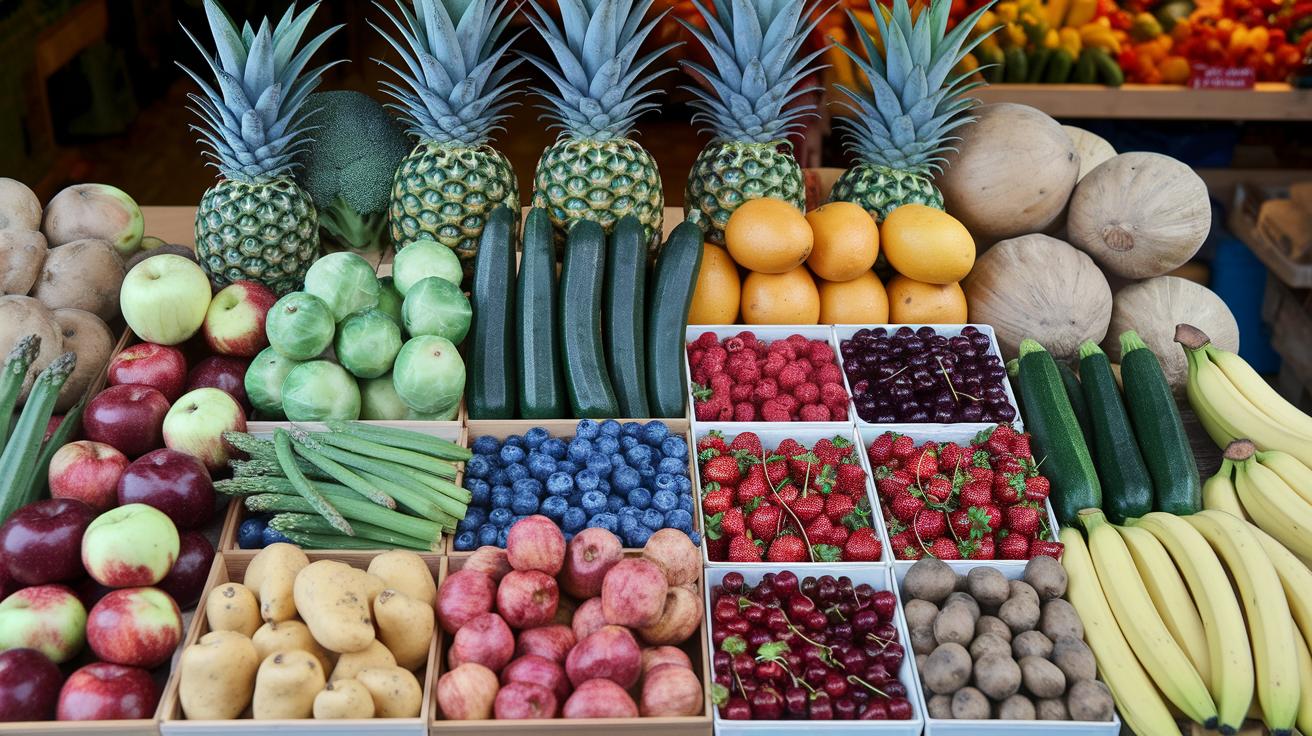
Shopping seasonally means enjoying fruits and vegetables when they taste their best. When produce is harvested at its peak, you get vibrant flavor, great texture, and more nutrition. In the fall, September apples arrive with a burst of flavor. In winter, you can count on crisp Brussels sprouts and nutrient-packed broccoli. Spring treats you to a colorful mix like pineapples, mangoes, okra, zucchini, and asparagus, with strawberries and cherries making their entrance by May. Summer brings refreshing blueberries, kiwi, strawberries, and watermelon along with everyday favorites like bananas, celery, and potatoes. Buying in season can even cut your grocery bill by 20% to 50% compared to off-season prices.
Seasonal shopping ties you closer to local growers, which means fresher, more affordable produce. Using a clear strategy when picking vegetables and fruits can make your grocery trips simpler and your meals tastier. Here are seven quick tips to help you choose the best produce during peak season:
- Look for bright colors that show their ripeness.
- Feel the produce to check for firmness and avoid bruises.
- Give it a sniff to make sure it smells fresh.
- Read labels to see if it comes from local farms.
- Choose local items to support your community.
- Pick smaller quantities which usually mean fresher stock.
- Keep an eye out for bulk deals to save money.
Buying produce in season not only boosts flavor but also helps keep costs down. When fruits and veggies are picked at their prime, they deliver unmatched taste and quality. Enjoy seasonal produce to savor healthy meals and ease your budget at the same time.
Building a Seasonal Produce Shopping Calendar

Planning your grocery shopping around the seasons brings you closer to nature. A month-by-month guide points you to fruits and vegetables at their peak. This way, you enjoy better flavor, improved nutrition, and even save money. Plus, a clear plan helps whether you're supporting local farmers or refreshing your meals with fresh picks.
A personal shopping plan also shows you exactly when produce is at its best. This makes your trips to the market more efficient and fun.
| Month | Top Fruits | Top Vegetables |
|---|---|---|
| Jan | Citrus | Brussels sprouts, kale, beets, winter squash |
| Feb | – | Cabbage, turnips |
| Mar | Kiwi, mangoes, strawberries | Spinach, Swiss chard, broccoli |
| Apr | Rhubarb | Peas, asparagus |
| May | Apricots | Zucchini, okra |
| Jun | Berries, peaches, tomatoes | Corn |
| Jul | – | Corn, zucchini, bell peppers |
| Aug | Melons, peaches, mangoes | Eggplant |
| Sep | Apples, pomegranates | Pumpkins, winter squash, root vegetables |
| Oct | – | Celery, Brussels sprouts |
| Nov | Assorted fall fruits | Classic fall produce |
| Dec | Citrus | Collards, kale |
Keep in mind that local harvest dates and market schedules may differ. Adjust your calendar to match your area’s weather and seasonal trends. This way, you make sure your plan is useful and that you always enjoy the freshest produce throughout the year.
Budget-Conscious Grocery Shopping for Seasonal Produce: Fresh Flavors
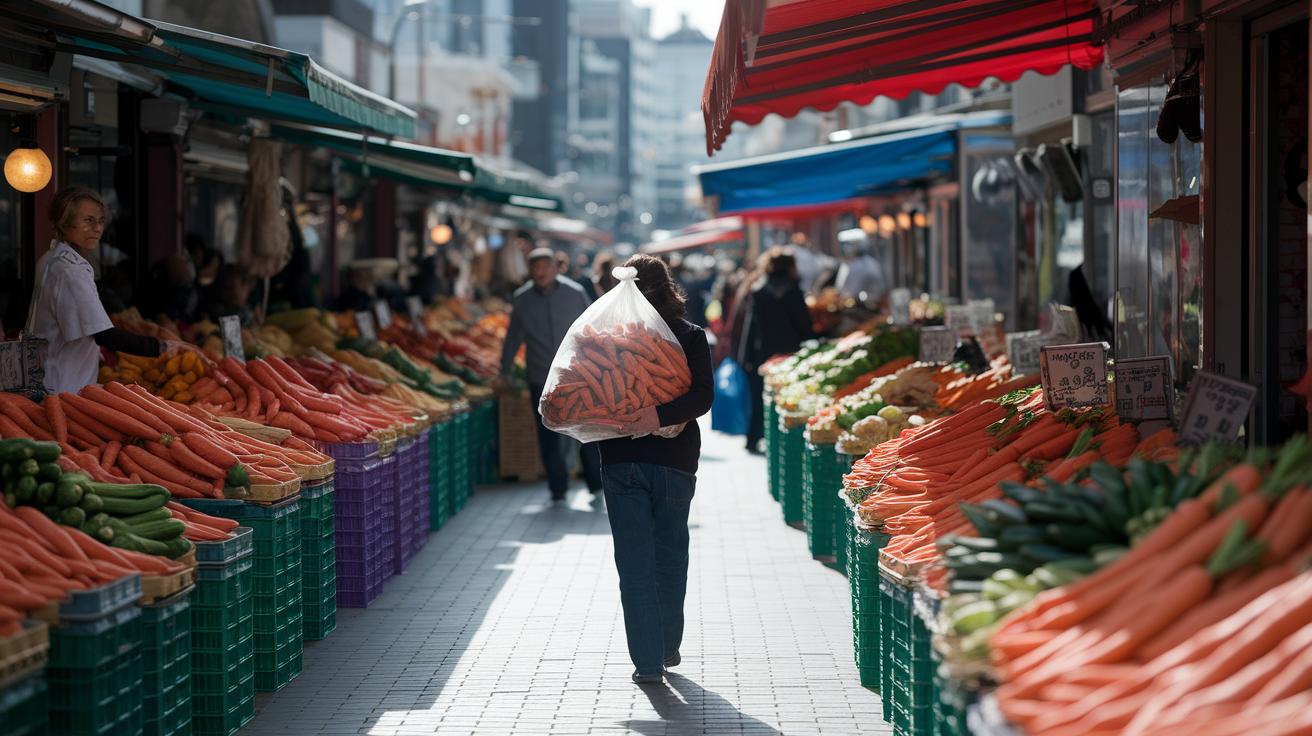
Shopping for fruits and veggies in season means you get the best taste while saving a pretty penny. When you buy produce at its peak, you might pay 20-50% less than the all-year-round items. Picture snagging a 50-lb bag of carrots for about $20 at your local market. Deals like this show how buying in bulk can really cut down the price per unit. Making a shopping list ahead of time helps you avoid extra spendings and food waste, making every market trip both smart and efficient.
- Compare unit prices across stores
- Buy in bulk and share with family or friends
- Plan your list around weekly specials
- Freeze or preserve any extra produce
- Shop later in the day for extra discounts
- Clip digital coupons when available
Using a smart strategy for buying seasonal produce helps keep your grocery bill low. By timing your shopping with weekly deals and bulk offers, you not only save more but also enjoy a diet filled with fresh flavors and nutrition. A focused list and careful timing mean you can savor great produce without breaking the bank.
Quality Check Techniques for Seasonal Produce Grocery Shopping

Fresh produce tastes best when it's picked at the right time. Simple checks let you see and feel if fruit and veggies are ready to enjoy. These tests also hint that the food will be full of flavor and nutrients. Checking each season helps you pick items that really shine.
- Summer: Look for tomatoes that are a deep red and give slightly when pressed. Tap watermelons and listen for a clear, hollow sound.
- Fall: Choose apples that feel firm and have a smooth surface, and pick pumpkins with hard, unblemished rinds.
- Winter: Select Brussels sprouts that are crisp and bright green, and choose winter squash that feels heavy and has a matte skin.
- Spring: Find asparagus with tight, bright tips and peas nestled in plump pods.
Using these simple checks makes it easy to grab the best produce each time you shop. Every trip becomes a chance to enjoy food that tastes great and packs plenty of nutrition.
Storage Solutions for Seasonal Produce Grocery Shopping

Smart storage is the first step to keeping seasonal fruits and vegetables fresh. When you treat your produce right, it stays tasty and full of nutrients, which means less waste and lower grocery bills.
- Carrots (in bulk): Keep them at 32°F in perforated bags and they can last up to 3 weeks.
- Winter squash: Store in a cool, dry pantry at 50°F for 1 to 2 months.
- Berries: Refrigerate and use within 2 to 3 days or freeze them within 48 hours.
- Leafy greens: Wrap in a damp paper towel and place in the fridge's crisper drawer for up to 5 days.
- Fresh herbs: Place in an airtight container with a damp paper towel in the fridge to keep them fresh longer.
Using these easy storage ideas helps your produce stay at its best. When fruits, vegetables, and herbs are stored properly, they lock in flavor and nutrients. This simple approach reduces spoilage, saves money, and makes sure your meals are filled with ingredients that taste as good as they look.
Seasonal Produce Grocery Shopping for Culinary Inspiration and Menu Design

Crafting menus around seasonal produce is a fun and tasty way to refresh your weekly meals. Using fresh fruits and vegetables that are at their peak adds a burst of flavor and nutrition to your dishes. When you group recipes by season, you can make the most of ingredients as they become available, letting their natural taste shine through.
- Winter: Enjoy a warm root vegetable stew that fills the kitchen with hearty aromas on cold days.
- Spring: Try an asparagus quiche with crisp greens and light flavors that celebrate spring’s freshness.
- Summer: Whip up a mixed berry fruit salad that comes alive with refreshing, bright colors.
- Fall: Bake a comforting apple crisp that pairs well with roasted vegetables, perfect for cooler weather.
By centering your meals around seasonal produce, you keep your menu both varied and nourishing. When fresh ingredients are scarce, preserved items like frozen berries or canned tomatoes step in to save the day. Combining fresh picks with these staples creates a flexible and resourceful approach to meal planning, offering a delightful mix of textures and tastes that honor what each season has to offer.
Final Words
In the action, we explored peak produce selection, budget tips, and quality checks to make shopping a breeze. We broke down how to plan monthly calendars, check for freshness, and store items right for lasting flavor.
Our discussion covered planning seasonal menus to spark culinary ideas while saving money. This grocery shopping guide for seasonal produce lays out practical strategies to help you enjoy tastier meals and smarter buys.
Keep embracing seasonal eating for a healthier, cost-savvy kitchen.
FAQ
What does a printable grocery shopping guide for seasonal produce include?
A printable guide offers a practical checklist for recognizing peak seasonal produce, featuring clear charts, cost-saving tips, and quality-check methods to help you shop confidently for fresh, flavorful fruits and vegetables.
How do fruits and vegetables in season by month help in shopping?
A month-by-month chart shows when produce is freshest. It helps plan meals, guarantees maximum flavor and nutrition, and informs you of the best times to shop for vibrant fruits and vegetables.
What information does a produce season chart by state provide?
A state-specific seasonal chart details local harvest periods, highlighting the peak times for fresh, affordable produce. It blends seasonal data with quality indicators to guide smart shopping decisions.
How does a seasonal produce guide benefit shoppers?
A seasonal produce guide offers practical advice on choosing, storing, and timing produce purchases to optimize taste, reduce waste, and lower costs through straightforward, quality-focused shopping.