

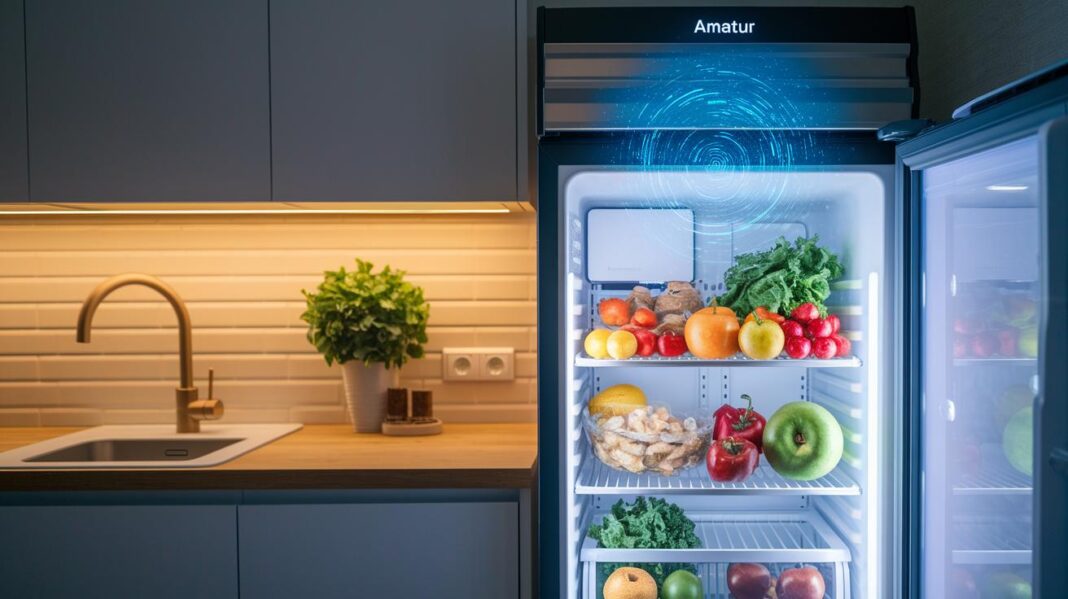

Ever taken a photo of your meal and wished you could see its hidden nutrition secrets? Picture snapping a shot of your salad and instantly knowing its calories, protein, and fat.
This smart tool, an AI food scanner, checks out your meal’s textures and colors to figure out every food item. It uses advanced image recognition to compare what it sees with a huge nutrition database.
In this way, it gives you easy-to-read data that helps you make healthier food choices every day.
How AI Food Scanner Works: From Photo to Nutritional Data
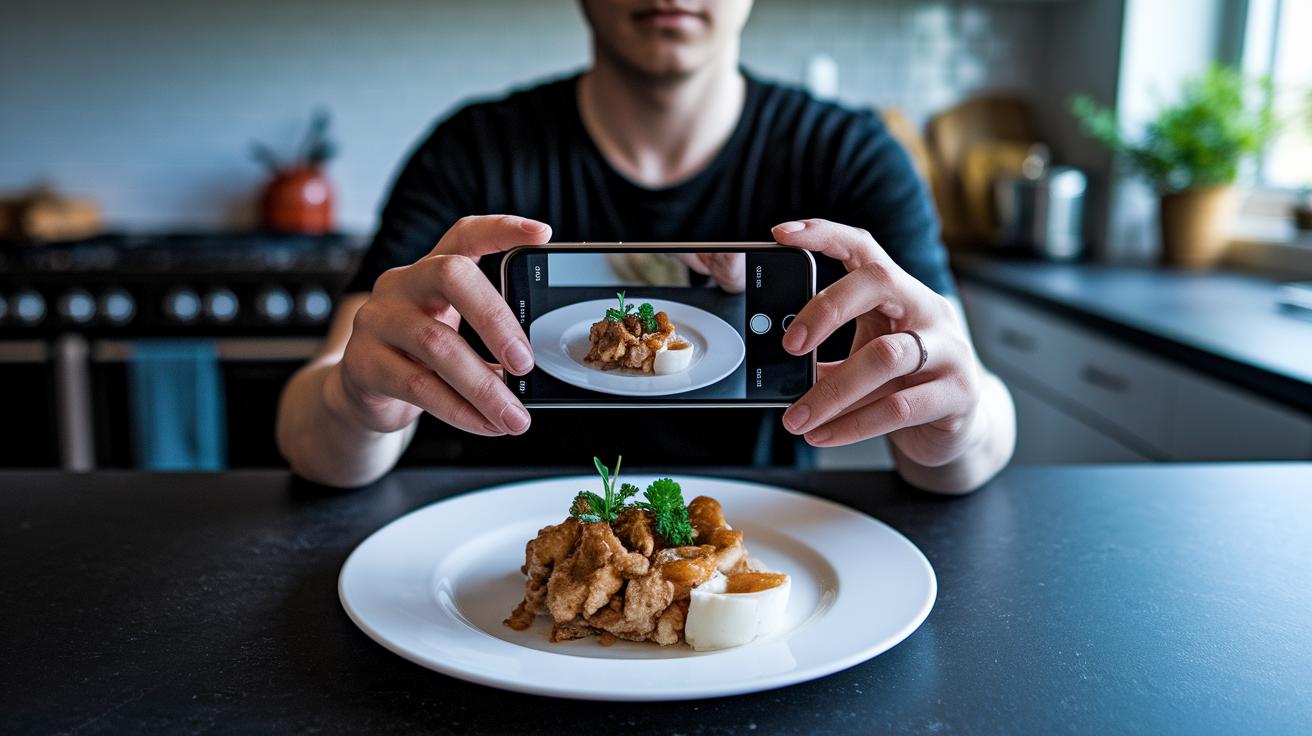
An AI food scanner starts by taking a clear photo of your meal with your phone. It works best with natural light and a simple background so that shadows or clutter do not interfere. This careful setup lets the tool capture the food’s textures, colors, and shapes accurately. For example, a bright photo of a mixed salad clearly shows the leafy greens and toppings, much like a crisp snapshot of a vibrant plate.
Once the image is taken, the AI gets to work by analyzing the picture. It uses smart image recognition (like YOLOv8 and ONNX runtime) to check your meal in real time. Trained on millions of images and a dataset of 95,000 pictures across 214 food types, the tool can spot each item and even guess its size. Next, it compares these items with a large nutrition database that tells you the calories, proteins, fats, and more. The online design of the scanner keeps the heavy processing off your phone, making it quick and efficient.
The process follows simple steps: capture a well-lit photo, clean up the image for clarity, recognize the food using AI, and match it with nutritional data. Together, these steps give you a fast, detailed, and reliable look at your meal’s nutrition.
Key Features of Top AI Food Scanner Apps
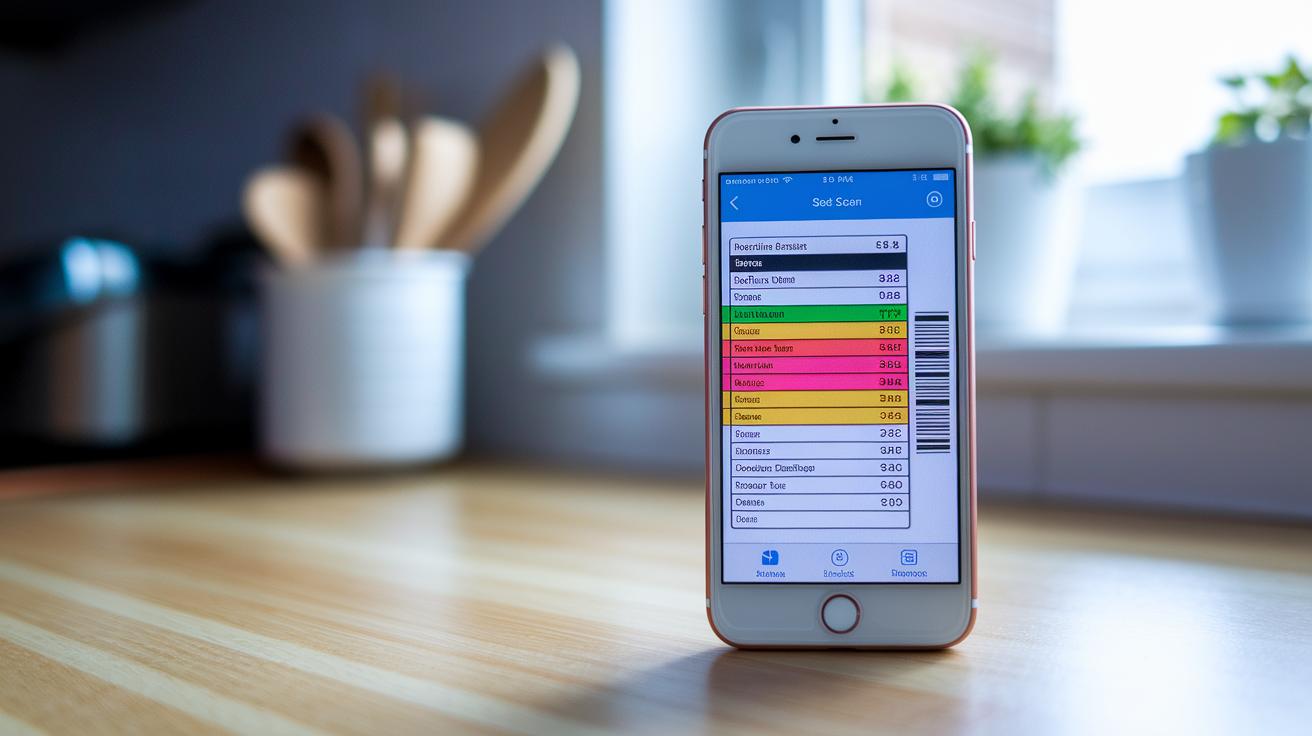
Top AI food scanner apps are changing how we track our meals by using easy scanning and clear nutrition details. These mobile tools snap pictures of your food and compare them to a large nutrition database. The result is a smart way to count calories and check fats, carbs and proteins. They mix a quick photo log with detailed nutritional checks. Whether you want a free scan or all-out premium features, these apps have options to suit your needs. Plus, adding a barcode scanner means even packaged foods get the right nutritional data fast.
- Free Scan Options: Apps like SnapCalorie let you log meals right away without hidden fees.
- Extensive Nutritional Database: A huge collection of food images and nutrient facts helps the app identify foods accurately.
- Mixed-Meal Accuracy: Advanced tools break down dishes into individual parts for clear calorie and nutrient estimates.
- Logging Insights: You get easy-to-read history records, charts and a supportive community to help track your eating habits.
- Barcode Integration: Scanning a product’s barcode gives exact nutritional information, boosting tracking accuracy.
- Social Sharing: Share your progress with friends to stay motivated and join a community that celebrates smart eating.
Comparing AI Food Scanner Products and Pricing
AI food scanners help you track your meals with ease. Each tool is built for different needs. Some offer free services loaded with features, while others include premium options for extra detail. This review looks at three well-known scanners by comparing price, scan limits, technology, and the devices they support.
SnapCalorie is a great free tool. It instantly turns a photo of your meal into a clear count of calories, fats, proteins, and carbs. Even complex, mixed dishes are broken down quickly. The app works on both iOS and Android, perfect for anyone looking for a straightforward, cost-free way to keep track.
MyNetDiary AI Meal Scan is designed for those who want a richer experience. Its subscription costs $9.99 per month or $79.99 per year and gives you unlimited scans. The free version, however, limits the number of scans. It uses smart deep learning (advanced computer methods) to deliver real-time, reliable analysis and works on both iOS and Android.
The Web-Based Research Tool uses advanced image recognition technology like YOLOv8 and ONNX runtime. This free, browser-based tool only needs an internet connection and skips the need for any local processor. It's ideal for academic research or anyone who wants fast results from any device.
| Product | Cost | Scan Limit | Key AI Tech | Platform |
|---|---|---|---|---|
| SnapCalorie | Free | Unlimited | Instant calorie & macronutrient analysis | iOS/Android |
| MyNetDiary AI Meal Scan | $9.99/mo or $79.99/yr | Limited for free; unlimited for premium | Real-time detection with deep learning | iOS/Android |
| Web-Based Research Tool | Free | No internal limit | YOLOv8 + ONNX | Any device with a browser |
Each scanner has its strengths. SnapCalorie keeps things simple and free, MyNetDiary offers a deeper dive for subscribers, and the web tool meets the needs of research and on-the-go accessibility.
Best Practices for Accurate AI Food Scanning
AI food scanning often runs into issues because of poor lighting, strong shadows, or cluttered backgrounds. These factors can lead to inaccurate portion sizes and nutritional details.
For better results, use even natural or ambient light to minimize shadows that blur details. Pick a background that offers clear contrast – for example, a white plate on a dark surface – so your food stands out. Position your camera at about a 45° angle above the dish to capture true portion sizes without distortion. Make sure your shot is in sharp focus and not too zoomed out or distant so the AI picks up every detail. When scanning packaged items, use the barcode to confirm the food information provided.
Following these simple tips makes it easier to trust your photo meal evaluator and smart portion analyzer for accurate results.
Integrating AI Food Scanner with Health Apps and Devices
Using an AI food scanner with your favorite health apps makes tracking meals, workouts, and body data simple. Apps like MyNetDiary work with Apple Health, Google Fit, and Fitbit so your food and fitness data come together easily. This all-in-one system lets you count calories precisely, keep close track of meals, and support overall wellness.
SnapCalorie builds on these benefits by letting you export CSV files or share meal records directly with top nutrition and fitness apps. Researchers can also use API endpoints to funnel scan data into custom dashboards and studies. Whether you rely on in-app food detection or a live calorie counter, your data paints a clearer picture of your daily habits.
Steps to get started:
- Connect MyNetDiary to Apple Health, Google Fit, or Fitbit so your meal logs pair with your activity data.
- Export your food details as a CSV file or share them directly from SnapCalorie with your favorite apps.
- Use API endpoints to integrate scan data into custom dashboards and research studies for deeper insights.
Future Trends in AI Food Scanner and Dietary Monitoring
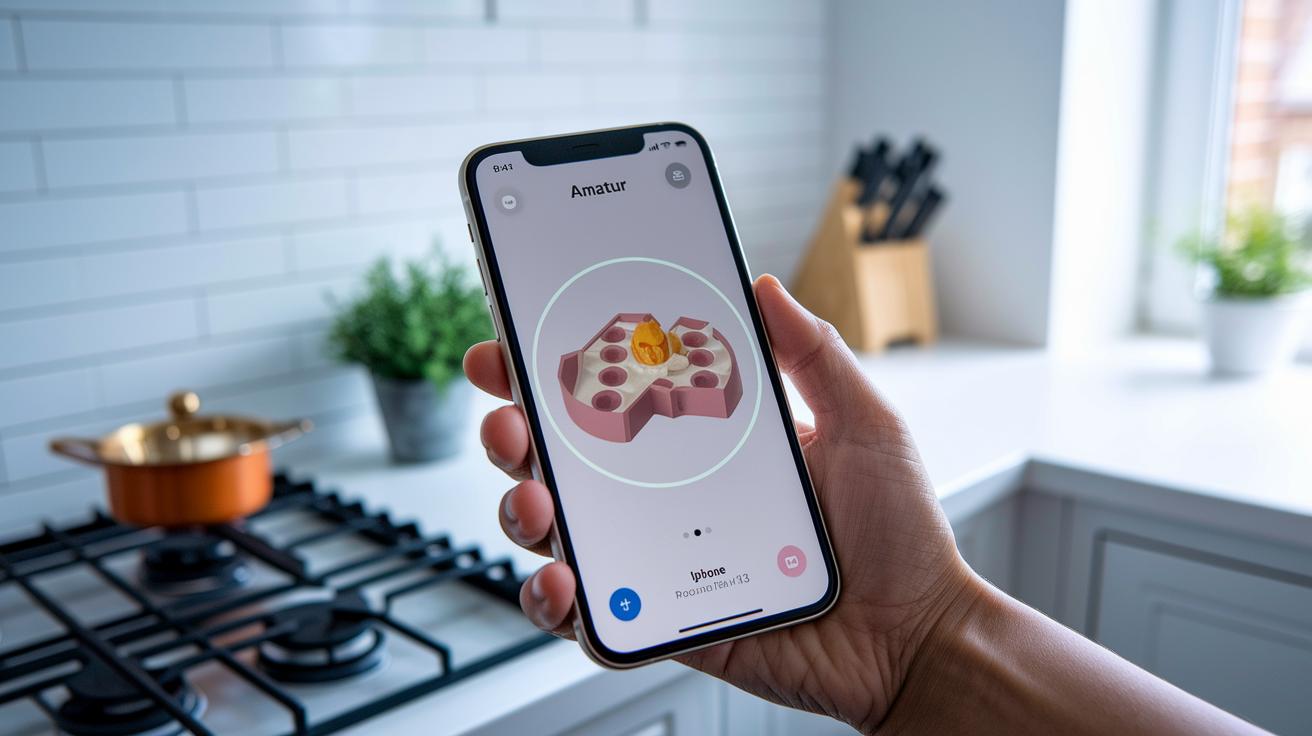
Technology is reshaping how we watch what we eat. New smart scanners turn everyday meals into clear, useful data. Soon, these devices will work straight from your phone without needing Wi-Fi. They will even measure portion sizes in 3D with impressive accuracy. With helpful augmented reality guides, capturing the perfect food photo becomes easy. Plus, connected kitchen gadgets will send live updates to your app. All these improvements mean you can get exact nutrient info and personalized meal ideas to reach your diet goals.
On-Device AI Inference
Your smartphone will handle food analysis on its own. This offline feature gives you quick, reliable food recognition without delay.
3D Volume Estimation
Modern sensors on your phone measure your food’s exact dimensions. This helps you know your portion sizes and calorie counts more accurately.
AR-Guided Scanning
Live overlays on your screen show you how to align your camera for the best shot. This guidance captures the food’s structure and size in detail.
IoT Kitchen Integration
Smart scales and utensils link directly to your app. They provide real-time data that makes tracking your meals seamless.
AI-Powered Meal Suggestions
Using your scan history, smart AI suggests recipes and meal ideas that match your nutrition needs. It’s like having a personal guide for a healthier diet.
Final Words
In the action, our deep dive covered capturing meal photos, smart AI model processing, and matching food items to nutritional data. We broke down key features, compared top products, and shared best practices, showing how precise photo angles and balanced light help in getting accurate results. We also linked these insights to broader health apps and peeked at what’s ahead for dietary tech.
Together, these steps make the ai food scanner a useful tool for smarter food decisions. Embrace these innovations with confidence.
FAQ
Is there a free AI food scanner available online and on mobile?
The free AI food scanner is available both online and as a mobile app. It uses advanced image recognition to analyze food items and provide nutritional details without any cost.
What are the benefits of using an AI food scanner app?
The AI food scanner app instantly processes food images to deliver calorie counts and nutrient breakdowns, simplifying meal logging and helping users track their nutritional goals with ease.
Which is the best AI food scanner?
The best AI food scanner depends on individual needs—some offer unlimited free scans with essential features while others deliver deep nutritional insights and integrated tracking tools for dedicated users.
What do users on Reddit say about AI food scanners?
Reddit discussions show that many users appreciate how AI food scanners offer quick nutritional data and improve diet tracking. They share tips for better scan accuracy and experiences with different apps.
Does an AI food scanner work effectively?
An AI food scanner works effectively by capturing food images, then using trained models to detect food items and estimate nutritional data. It provides useful information for managing dietary intake.
What is an AI food scanner API?
An AI food scanner API lets developers integrate food recognition into their apps by providing endpoints to send food images and receive nutritional information, enhancing digital diet analysis features.
What is CalDiet-AI food scanner and is it free to use?
CalDiet-AI food scanner integrates image recognition with nutritional analysis. Its offerings may include limited free features, so checking current pricing details is recommended to see if free access is available.
Can AI food scanners detect allergens in food?
AI food scanners can detect allergens by analyzing food images against ingredient databases, helping users identify potential allergens. However, it is always best to cross-check with ingredient labels.