

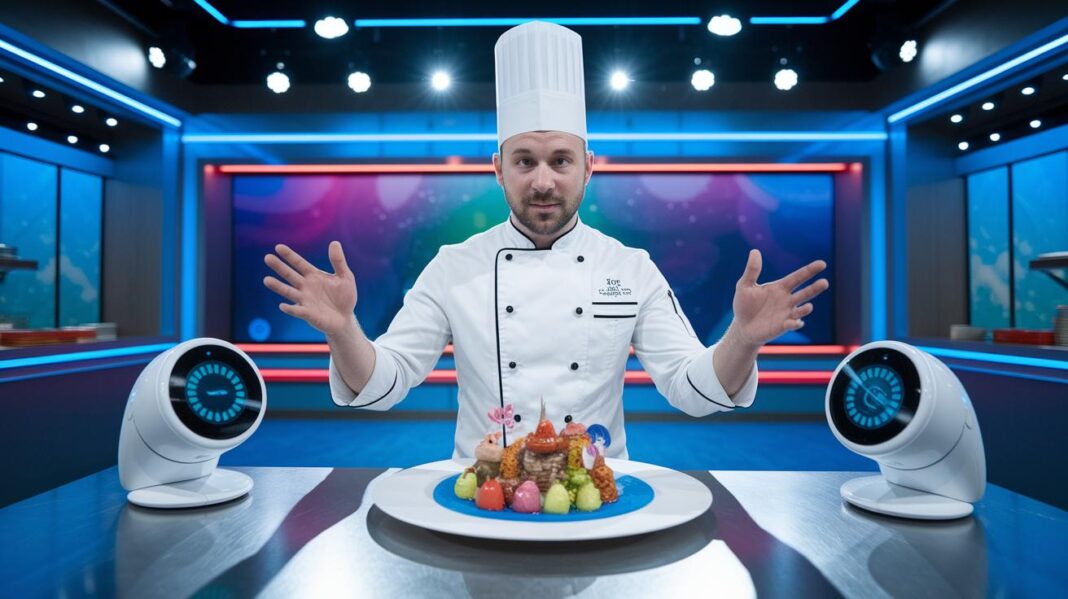

Ever wonder if your computer might be the secret ingredient in your favorite meals? AI in the kitchen is changing the way we cook. Smart devices now help pick recipes and set the right cooking times like a digital sous-chef. This technology makes home cooking easier and more creative. It lets you customize your menu based on what’s in your fridge and adjust flavors just right. Discover how AI is mixing technology with taste to create a fresh culinary trend.
AI Food Innovation: Transforming Kitchens and Meals
AI Food brings together smart technology and cooking know-how. Digital tools help create recipes and spark new ideas in the kitchen. Some systems even let you design menus from the food you already have, while smart devices take care of temperatures and mixing times. This mix of tech and culinary art suits everyone, from home cooks exploring fresh flavors to restaurants seeking smoother operations.
Many platforms use a simple credit system, where you pay a few small credits per recipe. Advanced models like Flux Pro, Recraft-3, Kontext, Ideogram-3, and Imagen-4 deliver realistic menu visuals that bring ideas to life. New users can try free trials to explore creative recipes without any major cost. The result is a customizable and user-friendly way to experiment with food.
Looking ahead, big changes in automation and supply chains are on the way. With community stats showing 7,923 members, 8,714 recipes, and 10,676 images, the technology has already won many fans. Soon, smart kitchen tools will sync with inventory systems and even adjust cooking schedules on their own. This digital teamwork will help refine flavors, reduce waste, and make meal preparation smoother in both home kitchens and restaurants.
AI Food Recipe Generation: Automated Culinary Design in Action
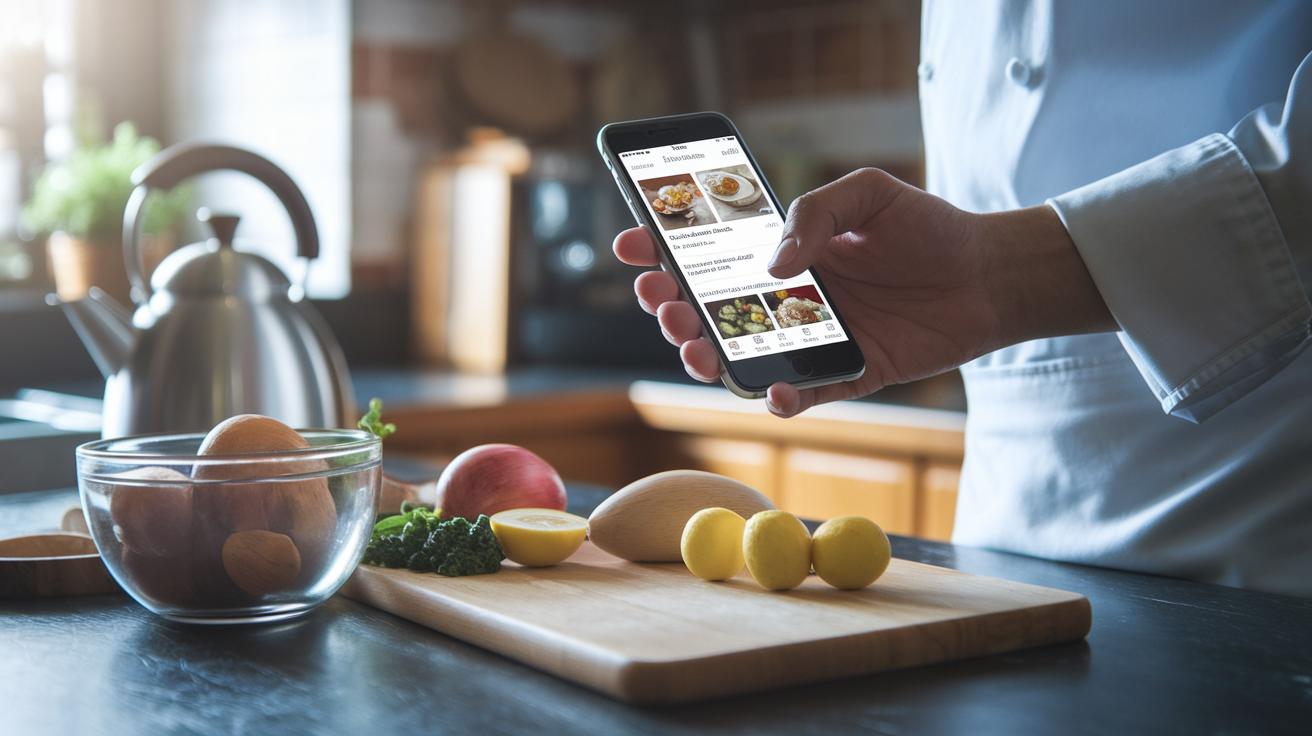
This service uses AI to create recipes that are simple to follow. You just send in a list of ingredients or a photo, and it returns a full recipe with a title, ingredient list, and step-by-step cooking instructions. New users start with 3 free credits. After that, basic recipes cost 1 credit and advanced high-definition recipes cost 3 credits. The service also offers easy-to-understand cooking tips and notes that some results may not be perfect.
- Ingredient input: Send your ingredients or a picture to spark a recipe.
- Optional quantities: Add amounts to get more tailored instructions.
- Credit system: Recipes run on a low-cost credit plan.
- AI image creation: Enjoy lifelike dish photos that bring your recipe to life.
- User quality checks: Review and fine-tune the recipe steps to suit your taste.
During a two-week trial, meal planning became much simpler thanks to clear instructions and creative ideas. Dinner options were varied, making weeknight cooking easier. Most recipes were easy to follow, though some dishes needed a bit more flavor. A splash of extra sauce or a pinch of spice could really brighten them up. Overall, the trial showed how automated recipe creation can inspire new meal ideas with very little effort.
AI Food Scanning and Smart Kitchen Devices
Advanced scanning tech is transforming how we cook at home. Now, you can snap a photo of a meal, ingredients, or even your fridge, and instantly get personalized recipe ideas. This smart combo of digital imaging and massive food databases makes meal planning easy and sparks creative cooking. For example, mobile apps like the AI Food Scanner (https://matpple.com?p=) let you snap a picture and see recipe ideas based on what you already have.
Photo-Based Ingredient Recognition
AI carefully examines uploaded photos to pick out every ingredient, even in busy or poorly lit settings. It matches the items to extensive digital ingredient libraries, so even small variations in produce or packaged items matter. This process not only makes recipe recommendations more accurate but also inspires you to use ingredients you might otherwise leave behind.
Smart Appliance Integration
In a smart kitchen, AI connects with modern appliances like ovens, refrigerators, and other IoT devices (devices that connect to the internet). It helps manage temperature and keeps track of your inventory. The system sets automatic cooking schedules and notifies you when supplies are low. By adjusting cooking times and temperatures based on real-time data, it ensures your meals are cooked just right.
Looking ahead, new features like voice guidance and weekly meal planners that include nutritional details are on the way. These upgrades will make cooking even more streamlined and help you manage your kitchen tasks with balance and ease.
AI Food Production and Algorithmic Dish Assembly
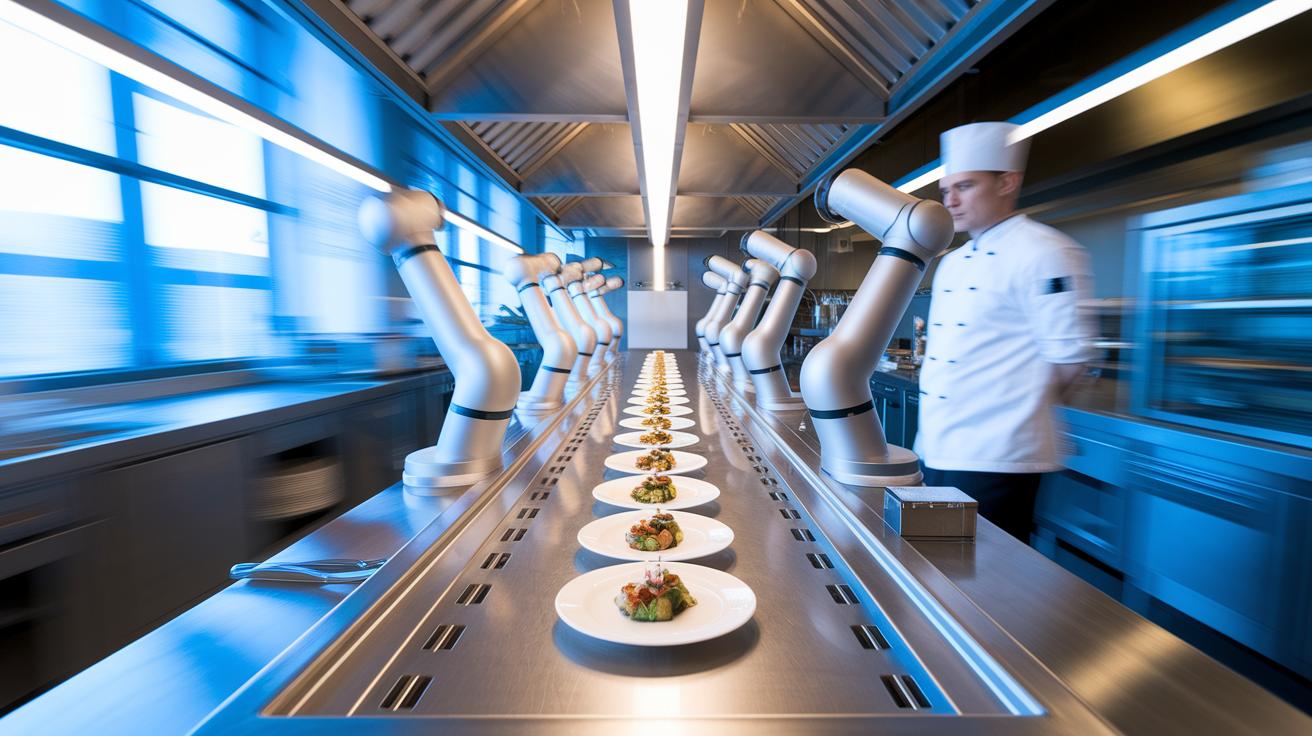
Industrial kitchens are now using smart robots to build dishes quickly and carefully. Robotic arms work along production lines to measure ingredients and mix them just right, ensuring every dish meets the same standards. With these systems, kitchens can be up to 20% faster than traditional setups. This means meals are served quicker and fewer ingredients go to waste.
Modern kitchens also depend on smart software to keep everything running smoothly. These programs forecast demand and automatically signal when it's time to restock, keeping ingredient levels just right. They offer data-driven tips that help reduce waste by 15%. With regular quality checks and timely updates, kitchens stay efficient. Together, advanced robotics and smart software make food production both fast and reliable.
AI Food Insights: Data-Driven Ingredients and Flavor Forecasting
Analytics tools pull data from menus, sales, and social media to show what flavors are catching on. These systems learn from past trends and today's feedback to predict flavors three to six months ahead. They turn raw numbers into handy advice on choosing ingredients and pairing flavors.
- Data collection: Gather menus, sales numbers, and social posts.
- Model refinement: Use smart algorithms to clear and fine-tune the data.
- Flavor prediction: Spot rising taste trends and suggest great pairings.
- Chef review: Let food experts test and perfect the AI's ideas.
This approach speeds up menu development and saves chefs time on repeated tests. Chefs report a 30% drop in guesswork when using AI-suggested pairings. By simplifying the process and offering clear forecasts, this technology lets culinary pros focus on creative cooking and deliver exciting, balanced dishes.
AI Food Systems: Benefits and Challenges for Chefs and Businesses
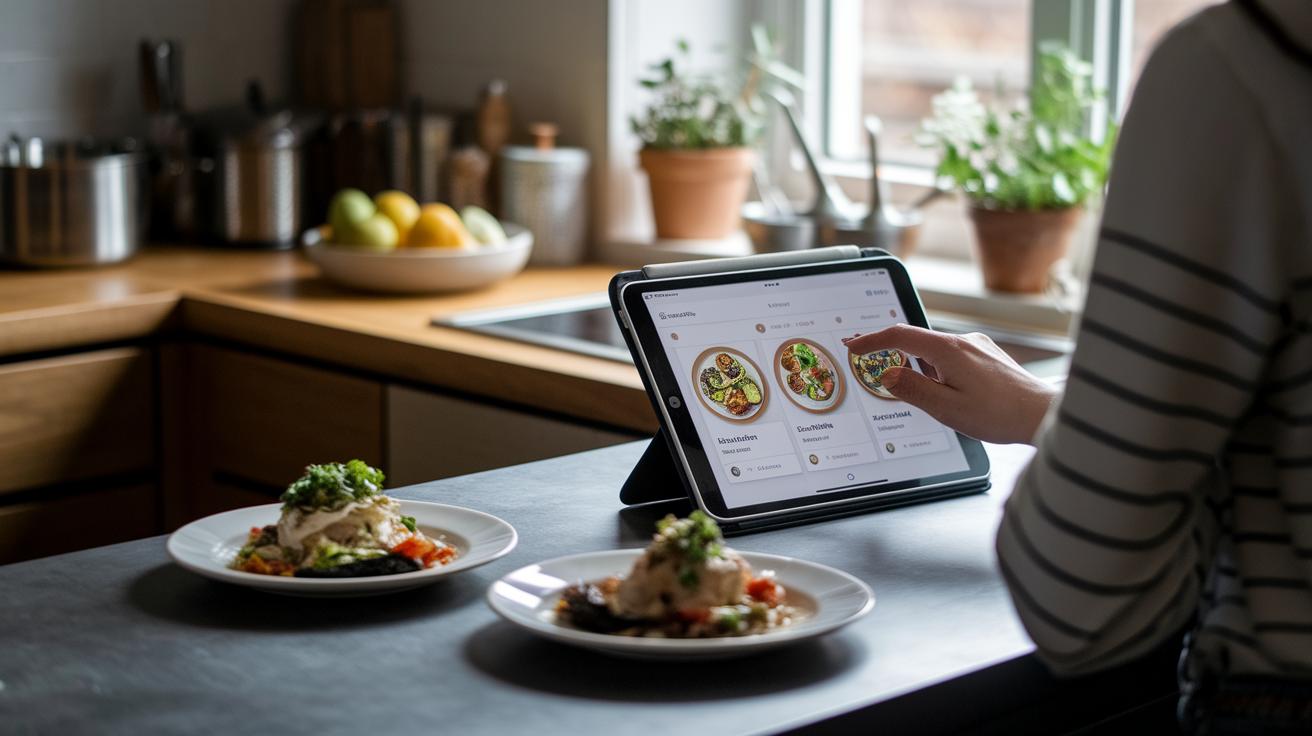
AI platforms help home cooks plan meals and try new recipes with ease. For restaurant operators, they offer a range of creative recipes for new menus. These systems act like a digital nutrition helper, suggesting recipes that fit different diets and taste preferences. They make it easier to adjust meals on the fly, easing the rush in busy kitchens.
However, there are still some issues. Many AI-generated recipes are untested, and the dishes may not have the same savory, home-cooked flavor as traditional recipes. The credit-based cost model can be a hurdle for small businesses and regular users. In addition, concerns about data privacy and strict no-refund policies add extra risk, especially as computer processing costs continue to rise.
Many in the food world see both sides. Some appreciate the convenience and creative push that AI offers, while others worry about recipe dependability and pricing problems. Chefs and business owners are calling for better data security and more flexible cost options. As the technology improves, we can expect a better balance between innovation and practical safeguards for everyone in the culinary scene.
AI Food Future: Emerging Trends and Opportunities
In 2023, investors put $1.2 billion into food-tech startups. This huge funding rush shows how hot digital cooking is right now. Experts predict that AI-powered recipe services will grow 50% each year through 2026. Both home cooks and professional chefs are jumping on board, sparking a wave of fresh, inventive meal planning.
New features are set to change how we cook daily. Imagine using in-app meal planners, nutrition trackers, and fun video tutorials that make recipes come alive. Soon, advanced nutrient calculators and clear, step-by-step AI cooking videos will guide you through each dish. Personalized diet coaching means every meal can be just right for your needs. Picture planning a week of dinners with real-time nutritional feedback and visual tips that inspire your creativity.
Over time, these trends will reshape how we prepare and enjoy food. As smart kitchen technology becomes common in homes and restaurants, AI will help manage supplies, cut food waste, and speed up meal creation. These innovations will soon be everyday tools that change how we mix cooking with digital help. The future looks bright and full of delicious possibilities.
Final Words
In the action, ai food is changing how we plan and prepare meals. Smart recipe generators, scanning tools, and robotic kitchen setups all contribute to a modern culinary experience.
These advances are refreshing our approach to flavor pairings, reducing waste, and streamlining busy kitchens.
Combined with predictive data that guides ingredient choices and innovative meal planning, the future of cooking looks bright, practical, and delicious.
FAQ
FAQ
What do AI food maker, AI food generator, AI food recipes, and AI meal mean?
They refer to systems that use artificial intelligence to design recipes and generate meal plans. These tools create ingredient lists and step-by-step guides to simplify cooking for everyone.
What does AI food free mean?
AI food free offers trial features or limited access to AI-powered recipe tools at no cost, allowing users to try automated culinary design before choosing a subscription option.
What do AI food images and AI food image generator refer to?
They denote tools that create realistic pictures of dishes using artificial intelligence. These images help users visualize meals and enhance presentation before cooking begins.
What is an AI food app?
An AI food app is a mobile tool that provides recipe suggestions, ingredient scanning, and cooking guidance by using smart technology to make meal planning easier on the go.
What does AI food video involve?
AI food video means automated cooking demonstrations or step-by-step walkthroughs created by artificial intelligence, offering clear visual guidance for preparing various dishes.
What food can I eat on the AIP diet?
The AIP diet focuses on whole, unprocessed foods. It avoids grains, dairy, and processed ingredients while emphasizing nutrient-rich fruits, vegetables, and lean proteins to support wellness.
Is AI nutrition legit?
AI nutrition uses data and algorithms to provide dietary suggestions and meal plans, making it a valid resource. However, pairing its advice with professional nutrition guidance is recommended for best results.