

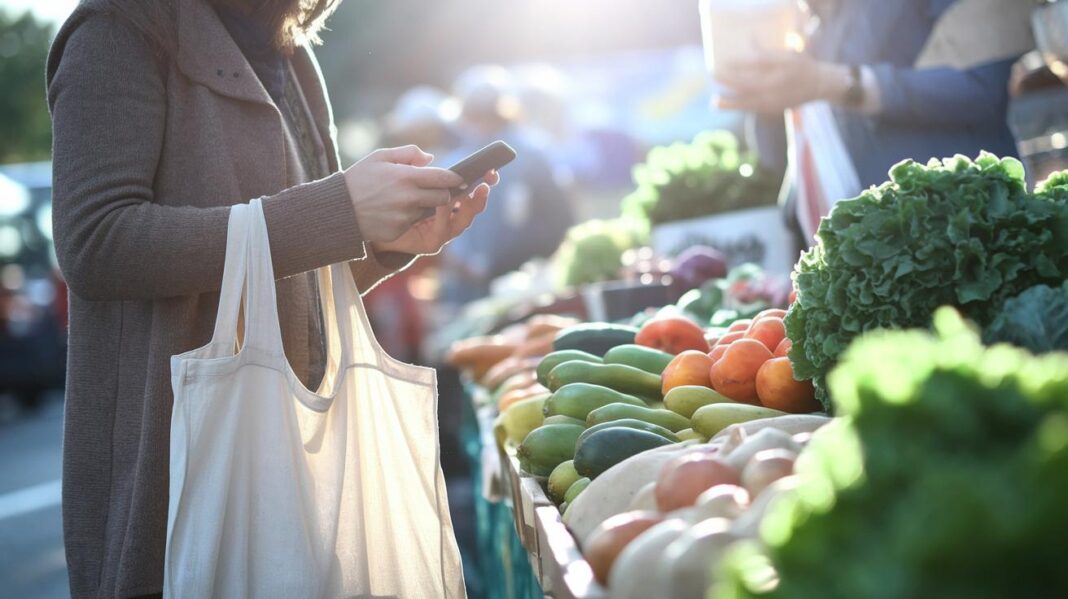

Have you ever thought sustainable eating could be easy? More people are choosing eco-friendly options and finding that shopping for naturally grown food isn’t hard. Organic food sales are rising as folks trust healthy, local choices that pack a burst of flavor while helping our community. This guide shares simple tips for planning meals, picking fresh seasonal produce, and cutting down on waste. Try these steps to enjoy a greener way of eating that feels as good as it tastes.
Essential Guidelines for Shopping Sustainable Food Products

Shopping for sustainable food doesn’t have to be confusing. In 2019, organic food sales jumped 5%, showing that more people value choices that protect both our health and the planet. Food sustainability means buying items grown with care using natural methods (like avoiding synthetic pesticides), renewable energy, and practices that support local communities.
Cooking at home lets you plan meals using fresh, seasonal produce from your area. When you shop at organic marts or farmers markets, you help cut down on long trips that can sap flavor from food. For instance, locally grown tomatoes often burst with a bright, crisp taste compared to those that have traveled far.
Adopt small habits to lower waste. Plan your meals ahead, bring reusable shopping bags, and pick products with minimal packaging. Start by swapping one item at a time, choose goods with less plastic or opt for reusable containers. These easy steps help you build a greener routine without feeling overwhelmed.
Every small decision in your kitchen contributes to a bigger movement for responsible eating. By making mindful choices, you support businesses that care about the environment and help build a healthier food system for everyone.
Certification and Labeling for Sustainable Food Products

Organic and USDA Certification
USDA Certified Organic items follow strict rules that favor natural methods to control pests and weeds. When you spot the USDA stamp, it means the food was grown without heavy chemicals and with care for the environment. Look for these seals to know you are choosing food produced with eco-friendly practices.
Fair Trade Label
A fair trade label shows that a product was made under fair working conditions and supports local farming communities. It confirms that workers are treated well and that the food methods help build stronger communities. This label means you are not only getting a product that meets green standards but also one that drives positive change for people.
Other Recognized Certifications
You might also see marks like Rainforest Alliance, Non-GMO Project, or B Corp. These icons tell you that the food was produced with thoughtful environmental practices and clear production methods. Keep in mind that words like "natural," "healthy," or "plant-based" can be vague. Always take a moment to review the details against trusted certification standards before you decide.
Choosing Local and Seasonal Sustainable Food Products

Choosing food that's in season and grown nearby is a smart way to eat well while helping the planet. In 2017, transportation made up 29% of U.S. greenhouse gas emissions, so buying from local farmers means fewer long trips that pollute the air. When fruits and vegetables are picked at their natural peak, they need less preserving and burst with full flavor and nutrients. This approach not only makes your meals tastier but also builds stronger ties in your community through programs like farm-to-table and community supported agriculture (where locals back their own growers). In short, leaning into seasonal and local options supports a healthier regional food system, cuts down on harmful emissions, and lets nature’s rhythms shine through.
| Benefits | Impact |
|---|---|
| Fewer transportation emissions | Lower carbon footprint |
| Peak nutrient density | Better flavor and vitamins |
| Less need for preservatives | More natural taste |
| Support local economies | Stronger community ties |
Packaging and Waste Reduction with Sustainable Food Products
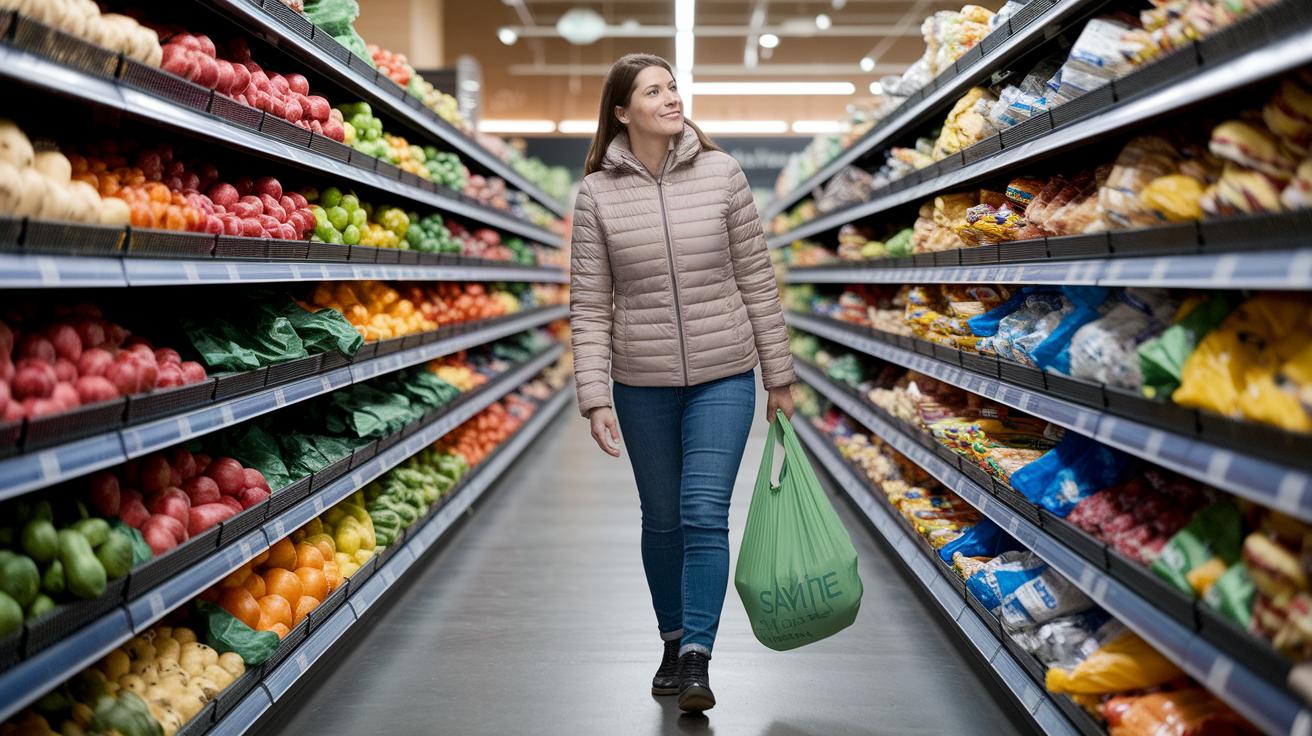
Cutting back on packaging waste can save you money and help the planet. Many stores now offer a small discount when you bring your own reusable bags. Imagine that each time you grab your bag, you save a little cash and help reduce millions of pounds of waste.
Over 23% of what fills our landfills comes from packaging. Switching to items with biodegradable packaging or choosing loose produce can make a real difference. Even produce that might not look perfect helps reduce food loss, which currently sits at 14%. Choosing these products means you waste less and support farming methods that maximize every harvest.
Recycling properly is also key. Sorting plastics and other recyclables helps ensure that our oceans do not drown in plastic by 2050. Here are some easy steps to help you get started:
- Bring your own reusable bags and containers.
- Choose products with biodegradable or minimal packaging.
- Buy imperfect produce to cut down on food loss.
- Sort your recyclables correctly at home.
For more tips on reducing waste, check out food waste reduction strategies at https://matpple.com?p=168.
Retailers and Online Sources for Sustainable Food Products

Local Farmers Markets
Local farmers markets are a great place to grab fresh produce grown around the corner. The vendors share how their food is grown and let you see everything firsthand. Shopping here means you get produce at its best while supporting farmers who care about the environment. It's honest, simple, and full of flavor.
Community Supported Agriculture Programs
Community Supported Agriculture Programs let you share the harvest with nearby farms. By joining, you receive regular boxes of seasonal fruits and veggies and invest in your local food scene. These programs work with different budgets and help build a strong link between growers and consumers. It's a shared effort that cuts out long, complicated supply chains.
Online Eco-Retailers
Online eco-retailers offer carefully chosen eco-friendly products straight to your door. They provide honest product reviews and even subscription options to help you save money. Shopping online makes it easy to compare clear sustainability labels and product details so you can confidently pick green products.
Budget-Friendly Approaches for Sustainable Food Products

Saving money while eating eco-friendly doesn’t have to be hard. With a few smart changes to your shopping routine, you can cut costs, waste less, and still enjoy good food.
Here are five simple ideas:
- Pick imperfect produce. Odd-shaped fruits and vegetables are usually sold at a discount even though they taste just as fresh. Imagine scoring a bag of quirky apples for a much lower price.
- Shop in bulk. Buying larger quantities can drop the price per unit and reduce the amount of packaging you use, which helps both your wallet and the planet.
- Plan your meals and make a shopping list. This step avoids impulse buys and ensures you only pick up what you really need, cutting down on food waste.
- Freeze extra vegetables and leftovers. Storing surplus food for later ensures nothing gets wasted and you always have ingredients on hand.
- Turn scraps into stocks or soups. Use peels and ends, like onion skins, to create a tasty broth that adds flavor to your dishes.
Each of these tips helps you enjoy sustainable food without breaking the bank.
Tools and Resources to Discover Sustainable Food Products
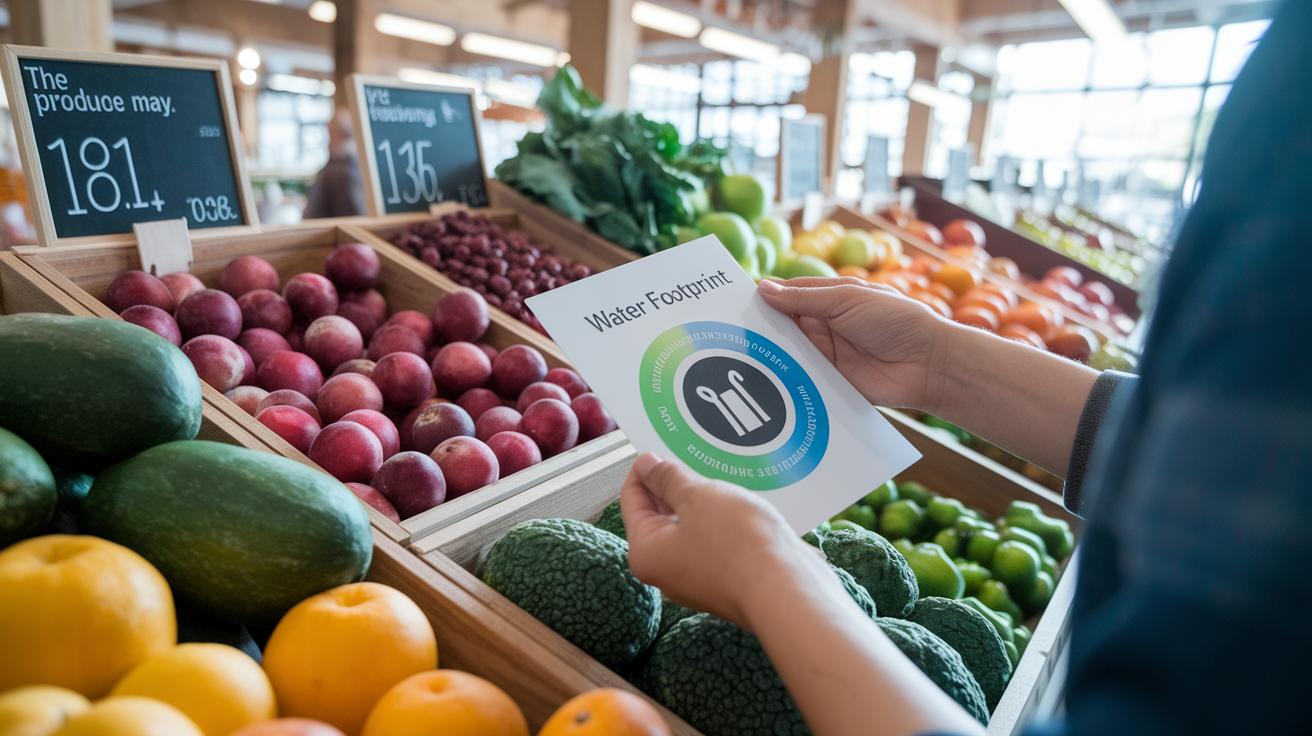
When shopping for sustainable food, using the right digital and print guides makes smart choices easier. Try using seasonal guides that show local produce when it is at its best. A water-footprint calculator tells you how much water your favorite food uses. Detailed sustainability reports break down the production process in plain language.
Apps and browser tools can help you track your carbon footprint. They give quick feedback on your choices while checking product certifications. For example, one app might show that an organic snack uses little water and has moderate carbon emissions. This tip can help if you are mindful about eco-friendly options.
Also, think about composting and waste management guides to boost your sustainable habits. New eco-shopping tools bridge the gap between technology and responsible buying. Use these resources to compare product details and keep a green shopping list. They make it easy to see a product’s environmental impact every day.
Final Words
In the action, we broke down sustainable food shopping into clear steps from understanding certification labels to choosing local, in-season produce. We also covered how packaging choices and budget-friendly tips reduce waste while promoting ethical spending.
Our guide offers straightforward advice on how to shop for sustainable food products, making it easier to put eco-friendly practices into your everyday routine. Enjoy a greener path that's good for your plate and the planet.
FAQ
How to shop for sustainable food products online?
Shopping for sustainable food online means using eco-friendly websites and retailers that highlight certification badges and may offer downloadable guides for best practices. This approach helps you make responsible choices easily.
How to shop for groceries sustainably?
Shopping sustainably means planning your meals, selecting local and seasonal items, and choosing products with eco-friendly packaging. This method lowers your ecological impact and supports responsible production.
What are sustainability labels on food products?
Sustainability labels show that products meet standards like USDA Organic or Fair Trade. They tell you about a product’s ethical and environmental background, guiding you to make informed choices.
What should a sustainable grocery list include?
A sustainable grocery list includes local produce, organic items, products with minimal packaging, and goods from fair trade sources. This list promotes responsible eating and cuts down on waste.
Which grocery stores are most sustainable?
The most sustainable stores focus on local, organic, and eco-friendly products, use waste-reducing practices, and maintain transparent sourcing. Such stores can be found as farmers markets or specialized retail chains.
How can I achieve plastic-free food shopping?
Plastic-free shopping means choosing products with little or biodegradable packaging and using your own reusable bags and containers. This practice reduces single-use waste and environmental impact.
How does sustainable grocery delivery work?
Sustainable grocery delivery use eco-friendly packaging and vehicles, offer curated green products, and sometimes include carbon offset options. This service makes it convenient to support sustainable shopping at home.
What is the 5 4 3 2 1 rule for grocery shopping?
The 5 4 3 2 1 rule organizes your shopping process by highlighting five key priorities, four product checks, three nutritional factors, two eco-friendly choices, and one final commitment to sustainability.
What is the 321 shopping rule for groceries?
The 321 rule is a guideline that breaks down your purchase into three primary categories, two core staples, and one additional treat. It helps streamline choices and supports balanced shopping.
What is the 3-3-3 rule for groceries?
The 3-3-3 rule sorts your grocery items into three groups: three types of produce, three protein options, and three grain choices. It’s designed to encourage balanced meals and curb unnecessary buying.