


Ever wonder how to shop for fresh, healthy foods without spending too much? This guide shows that wise grocery shopping is not about cutting corners. Instead, it’s about choosing smart options that boost nutrition and save money. When you plan your meals, you buy just what you need and skip those impulsive buys. It’s like setting up a simple budget plan right in your kitchen. Our tips help you enjoy balanced meals while keeping costs low. Keep reading for easy ways to manage your grocery bill.
Proven Budget Grocery Shopping Tactics

Smart grocery shopping means saving money without skimping on nutrition. When you plan ahead and focus on clear food groups, like proteins for muscle and immune support, whole grains for energy, fruits and vegetables for natural vitamins, and dairy for strong bones, you set yourself up for a healthy week and a lower bill.
A solid shopping list and switching up your store choices can make a big difference. For instance, stores like Aldi offer affordable staples that help you stick to your budget. This method cuts out impulse buys and keeps your spending in line with your meal plans.
- Create a detailed shopping list based on essential food groups.
- Shop at stores known for lower prices on everyday items.
- Buy in groups by focusing on hearty proteins and energy-packed whole grains.
- Compare prices on different brands and package sizes to snag the best deals.
- Plan your meals ahead to reduce waste and avoid unexpected purchases.
Follow these strategies regularly, and you'll notice savings every month. Instead of picking up random items, you make choices that support both your nutritional needs and your wallet. Stick to your list, rotate your store choices, and plan each meal, the result is a steady routine that keeps your grocery bills low while still serving up balanced, delicious meals.
Budget-Friendly Meal Planning for Grocery Savings
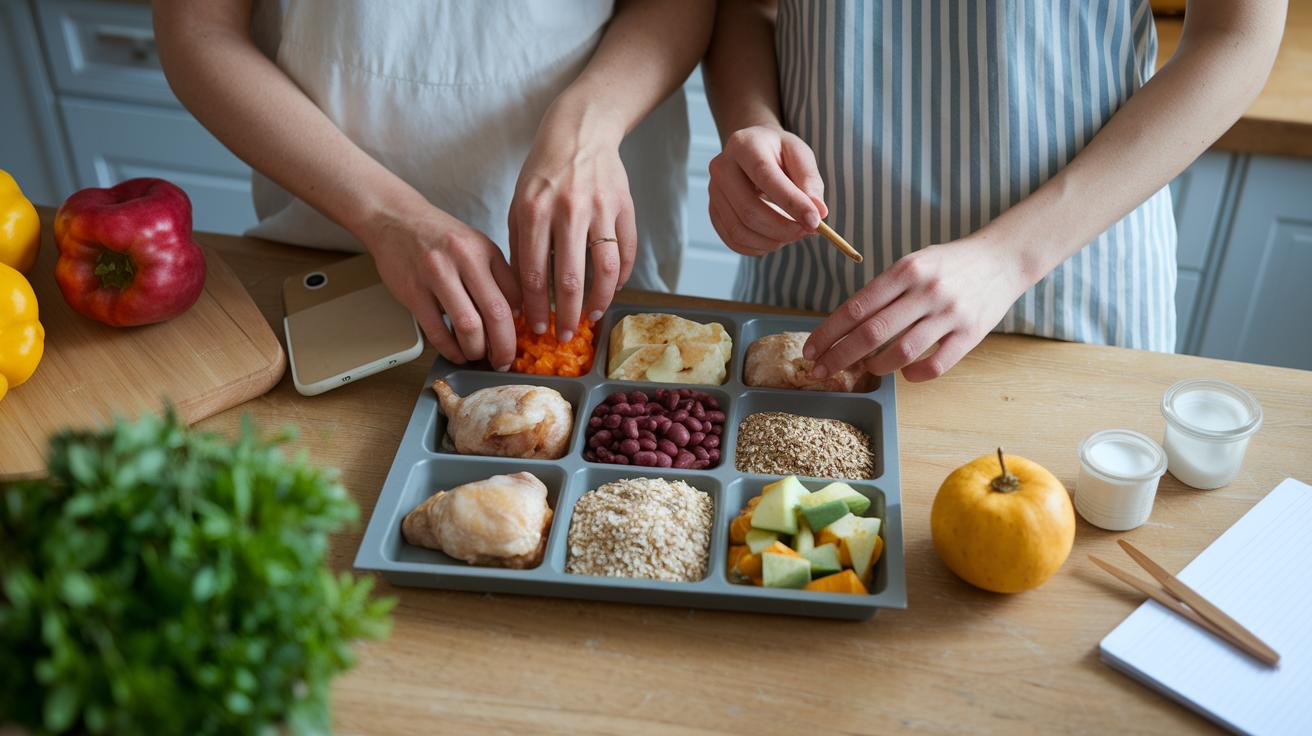
Planning your meals for the week helps you eat well and save money. When you set your menu ahead of time, you waste less food and can mix budget-friendly ingredients like chicken thighs, beans, brown rice, and oats. The "Eat Smart, Spend Less" guide (updated June 19, 2024) shows that smart meal planning leads to clear savings while keeping your recipes healthy and tasty.
Weekly Meal Schedule
Start by mapping out each day with a chosen recipe. Look at what staples you already have, add some seasonal produce, and choose affordable proteins to create a balanced menu. A simple grid makes it easier to decide what to cook and helps keep costs low.
- Pick your main meals for the week.
- Schedule each recipe on a day when the ingredients are freshest.
- Write down only the ingredients you need to avoid spur-of-the-moment buys.
- Review your plan alongside your budget to ensure everything stays affordable.
Recipe Planning Calendar
Use a visual calendar to organize your meal ideas, making shopping and cooking even simpler. Here’s a sample week to show how you can line up your recipes:
| Day | Recipe | Key Ingredients |
|---|---|---|
| Monday | Chicken Stir-Fry | Chicken thighs, bell peppers, brown rice |
| Tuesday | Bean Chili | Black beans, tomatoes, onions |
| Wednesday | Oatmeal Bowl | Rolled oats, bananas, nuts |
| Thursday | Veggie Pasta | Whole wheat pasta, spinach, tomatoes |
| Friday | Rice and Beans | Brown rice, kidney beans, corn |
| Saturday | Soup Day | Mixed vegetables, chicken broth, lentils |
| Sunday | Salad & Sandwich | Leafy greens, whole grain bread, turkey slices |
Having a clear calendar helps you shop with a plan. This way, you stick to your list, avoid last-minute buys, and enjoy nutritious meals that keep your grocery bill in check.
Cost-Efficient Grocery List and Budget Shopping Essentials

Keeping your grocery list small is a smart way to save money and skip extra items you don't need. When you stick to the basics, you can easily compare prices and take advantage of bulk deals and store-brand options. A shorter list means less clutter and helps you plan meals that are both healthy and affordable. It also forces you to choose versatile foods that work together in many dishes, making every dollar count.
| Item | Price per serving | Price detail |
|---|---|---|
| Rolled oats | $0.07 | $1.99/canister |
| Bananas | $0.19 | each |
| Block cheese | $0.25 | $1.99/block |
| Dried beans | $0.28 | $2.49/bag |
You can tailor this list to your taste and the seasons. Swap in local fruits or vegetables when they're on sale, and adjust the quantities to match your family's needs. This simple approach helps keep meals nutritious while your grocery bill stays low.
Coupon and Digital Savings for Budget Grocery Shopping

Paper coupon clipping can be a slow and frustrating process. With digital coupons, you can quickly snag deals on your phone. Mobile price alerts keep you posted instantly when everyday items go on sale, making it easier than ever to stick to your budget. Digital tools cut out the mess of organizing paper coupons, so you always have the savings you need.
- CouponMate: Lets you scan and redeem digital coupons with just one tap.
- PriceWatch: Sends real-time alerts when prices drop on your favorite items.
- SaverPro: Mixes loyalty rewards with exclusive in-app voucher deals.
Many grocery stores now offer apps that tie digital deals to loyalty rewards. These programs let you use vouchers based on your shopping history, boosting your savings every time you shop. The "Eat Smart, Spend Less" guide shows how in-app promotions can regularly lower your grocery bill. With these digital tools at your fingertips, managing discounts and tracking price drops becomes a natural part of your routine, so you never miss a deal.
Smart Bulk Buys and Pantry Management on a Budget

When planning your grocery budget, zero in on staples that save you money when bought in bulk. Brown rice, oats, and dried beans can cost 30% to 50% less in larger packages. This strategy frees up cash for other essentials while keeping your pantry loaded with ingredients that can be used in multiple ways. Plus, using an Instant Pot to cook dried beans speeds up the process and saves both time and energy.
Keeping your pantry organized is just as important as making smart bulk purchases. Use airtight containers to keep grains and beans fresh and to reduce spoilage. Be sure to label each container with its purchase date and stick to a first-in, first-out system so you use older items first. These simple steps help stretch your investment and keep your ingredients safe to use for longer.
Incorporating bulk items into your weekly meal plans is a practical way to avoid waste and boost savings. Build meals around these cost-effective staples, whether you're whipping up a comforting rice bowl or a hearty oatmeal breakfast. Dried beans also work well in salads, stews, or even dips, offering a protein punch without a high price tag. This kind of planning lets you enjoy healthy and varied meals while keeping your grocery bill in check.
Seasonal Deals and Off-Peak Budget Grocery Shopping
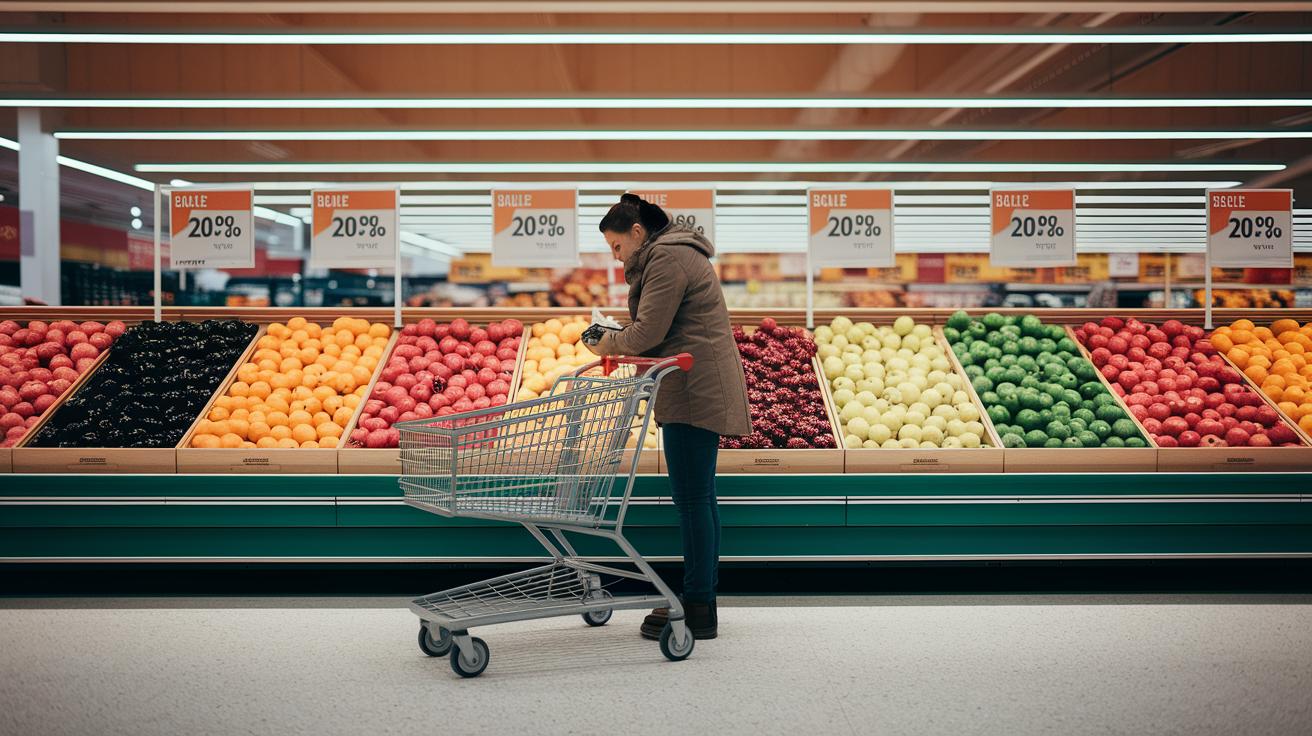
Keep an eye on sale tags to capture weekly savings. Stores often offer 20-50% off in-season fruits and veggies, and the labels clearly mark when prices drop. Checking these tags lets you plan your trips around the best deals available each week.
Shopping during quieter hours not only makes for a calm experience but also scores you extra discounts. Bakeries and delis tend to lower prices later in the day to clear stock. Online deal-finder tools can alert you when key items go on sale, ensuring you never miss a budget-friendly opportunity.
When clearance items are available, freezing perishable foods is a smart way to preserve them. Adjust your menu to include these ingredients so you can fully enjoy seasonal savings. Shifting between different stores can also uncover surprise bargains that make your grocery trips even more affordable.
Tracking and Adjusting Your Budget Grocery Spending

Start by keeping an eye on your grocery spending with a simple system. Use a spreadsheet or a budget app to record every purchase. Write down each item and its price so you can see how it stacks up against your plan. This step helps you uncover hidden ways to save money with every shop.
Take a moment each week to review your spending. Compare what you recorded to your planned budget and note where you might cut back. Look for items that consistently cost more than you expected or meals that strain your wallet. A regular check-in like this lets you adjust your shopping list and recipes to keep both your budget and nutrition on track.
When you save 5-10% a month, celebrate that win. Acknowledging each small victory reinforces smart habits and builds confidence. These little successes help you stay in control of your food budget without sacrificing the flavors you love.
Final Words
In the action, this guide lays out proven ways to lower grocery bills using clear tactics like list creation, strategic store choice, and meal planning. It shows how mixing digital coupons with bulk buys and seasonal deals can trim costs. A simple system for tracking spending helps keep your budget in check while supporting a lean, nutritious kitchen. With our budget grocery shopping guide, every step puts smart, measurable savings right on your table. Put these ideas into practice and enjoy a more efficient, wallet-friendly food routine.
FAQ
Budget grocery shopping guide pdf
The budget grocery shopping guide pdf offers a downloadable roadmap of practical tips, list templates, and meal planning strategies to help you lower costs and streamline your grocery trips.
Budget grocery shopping guide for a week
The budget grocery shopping guide for a week outlines a clear meal plan with daily shopping lists and price comparisons that help balance nutrition and savings throughout weekday and weekend meals.
What does a grocery list on a budget for one or a $50 grocery list for one person include?
A budget grocery list for one focuses on affordable, nutrient-rich staples and portion sizes that cover basic meals, often aiming for a tight budget like $50 while preventing food waste.
What is a cheap grocery list for a month?
A cheap grocery list for a month details a selection of long-lasting essentials and sale items, ensuring you stock up on pantry basics and low-cost ingredients to stretch your dollars over several weeks.
How does a budget grocery list for a family work?
A budget grocery list for a family, whether for 2, 3, or 4 people, includes adaptable ingredients, bulk options, and cost-effective staples that can be scaled up or down to meet the nutritional needs of everyone at home.
What does the 5 4 3 2 1 grocery rule signify?
The 5 4 3 2 1 grocery rule signifies a method for splitting grocery priorities among categories like fresh produce, proteins, grains, dairy, and pantry items, ensuring a balanced selection of essentials.
What does the 3-3-3 rule for groceries represent?
The 3-3-3 rule for groceries represents a plan to divide your shopping into three equal parts, typically ensuring variety across food groups and promoting balanced meal planning on a budget.
What does the 321 shopping rule encourage?
The 321 shopping rule encourages buying in a series of three cycles with a limit on impulse items, which helps maintain focus on planned purchases and contributes to disciplined, cost-effective grocery shopping.
What is the 50 30 20 rule for groceries?
The 50 30 20 rule for groceries outlines a budgeting technique where 50% of your funds cover essential foods, 30% allow for preferred choices, and 20% are reserved for savings or unexpected needs.