



Have you ever wondered if where we source our materials could change the future? New, eco-friendly ways of buying things are challenging old habits. These choices help businesses support local communities and care for nature. When companies pick green options, they reduce waste, plan smarter, and even save money. This simple shift in purchasing adds up to better overall performance. Here, we look at how sustainable sourcing can boost both profits and community well-being.
How Sustainable Sourcing Meets Environmental, Social, and Economic Goals

Sustainable sourcing means choosing materials in a way that looks after our environment, our communities, and business goals. It makes sure that supply chains protect our planet and support local economies while still giving companies the quality they need. For instance, a supplier that uses plenty of recycled materials not only cuts down on waste but also helps drive a circular economy (where products and waste cycle efficiently). Many companies once ignored the hidden environmental costs of raw materials, only to later discover that eco-friendly choices can lower waste and save money.
Beyond simply buying products responsibly, sustainable sourcing also involves smart risk management and forward-thinking planning. While ethical sourcing focuses on buying in a fair and responsible way, sustainable sourcing expands that idea to include innovation and long-term strategy. Companies now plan, act, and review their buying methods so that every step brings positive change to the environment, society, and their economic performance.
New regulations, such as the EU’s Corporate Sustainability Due Diligence Directive and the upcoming EU Deforestation Regulation set for 2025, are pushing organizations to rethink and improve their sourcing methods. Other nations like the UK, France, Norway, and Germany have also introduced laws that hold businesses accountable for the social and environmental impacts of their operations. These policy changes emphasize the need for a sourcing plan that mixes environmental care, social responsibility, and strong economic performance.
In short, sustainable sourcing helps reduce negative impacts while building a better company image, lowering risks, and creating smoother operations. This all-in-one approach sets the stage for a future where businesses, the community, and the environment can thrive together.
Key Benefits of Sustainable Sourcing for Business Performance
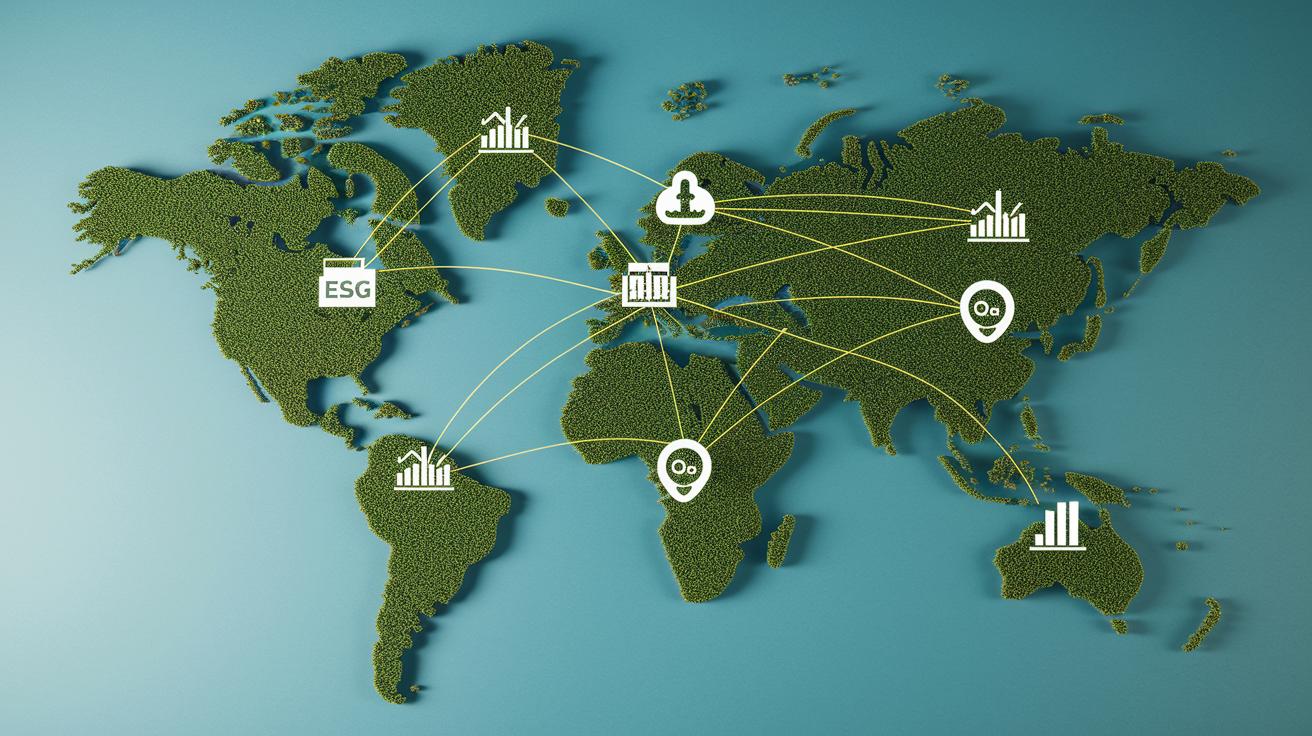
Sustainable sourcing helps businesses grow by lowering risks, cutting costs, and boosting profits. Companies that use eco-friendly supply methods often streamline their buying process and work more closely with their suppliers. For instance, using a system that tracks supplier ESG (environmental, social, and governance) performance in real time can smooth out production hiccups, much like trimming off unwanted fat from a juicy steak.
Lowering risks in the supply chain means companies face fewer sudden expenses and smooth out daily operations. This stability can help a business make more money and keeps production on track. Plus, companies that choose responsible sourcing enjoy a better reputation. Shoppers and partners appreciate businesses that care about the planet and society, which builds trust and lasting connections.
These benefits show up in real ways, such as less downtime and healthier profit margins. Businesses that add sustainable practices often see improved market standing and stronger consumer confidence.
- Lowering risks with regular checks of suppliers
- Cutting costs using smarter buying methods
- Raising revenue by attracting eco-friendly buyers
Research shows that more people now favor brands that focus on sustainability. This trend proves that smart, green sourcing is a key ingredient for both ethical practices and profitable growth.
Regulatory Standards and Policies Shaping Sustainable Sourcing

Regulatory standards are pushing companies to change how they work. New EU laws like the Corporate Sustainability Due Diligence Directive and the EU Deforestation Regulation, together with recent rules in the UK, France, Norway, and Germany, are setting clear rules for clean buying. Now, businesses have to adjust their internal processes, update paperwork, and keep third-party audits completely open.
Some firms have a hard time getting consistent results from audits. They face problems such as uneven audit rules and limited insight into supplier practices. One manufacturer, for example, added a digital traceability system that cut supplier documentation mistakes by 40%. This change not only helped with compliance but also made day-to-day operations run smoother.
| Challenge | Example Solution |
|---|---|
| Integrating broader compliance frameworks | Using digital supplier management tools |
| Third-party audit variability | Creating panels for independent audits |
- Companies are spending more on training staff and upgrading systems.
- Some struggle to match different audit results from various suppliers.
- Success in meeting regulations often comes from using technology and making audits more consistent.
Sustainable sourcing inspires responsible business growth

A smart, step-by-step plan can help companies mix sustainable sourcing right into their daily operations. By following a clear roadmap built on responsible buying and renewable resource purchasing, businesses can grow while caring for people, profit, and the planet. It all starts with a clear strategy that sets targets for cutting waste and boosting ethical practices.
Here is a simple 5-step process that companies can adjust to fit their own needs:
- Create a responsible sourcing policy with clear goals.
- Evaluate suppliers using social, environmental, and governance (ESG) criteria.
- Use technology to track supplier ESG performance in real time, keeping the whole supply chain in view.
- Build sustainability key performance indicators (KPIs) into purchasing steps so every decision supports green goals.
- Regularly review and improve the process with data analytics to spot and fix any issues.
Imagine a company that begins by drafting its own policy. Its guidelines might include cutting down on plastic and buying local whenever possible. Next, the company checks potential suppliers with ESG assessments, much like tasting ingredients before adding them to a favorite recipe. Each supplier gets a careful review to ensure they meet the standards the company wants for its customers.
Technology plays a key role. With real-time dashboards, a company can get alerts when a supplier's performance slips, much like a chef tasting a sauce to decide if it needs a little extra seasoning. By adding sustainability KPIs to everyday buying decisions, procurement teams can look beyond cost to support long-term environmental and social goals.
Finally, using data analytics to track progress helps companies tweak their approach. Regular improvements based on clear numbers show that sustainable sourcing is an ongoing, vital part of smart business growth.
Real-World Sustainable Sourcing Case Studies

Smart sourcing is now a real game changer for many top companies. Ivalua, for example, earned a spot as a leader in the 2025 Magic Quadrant for Source-to-Pay Suites. Their strong supplier and contract management system paves the way for sustainable practices.
Companies across different sectors are fine-tuning how they pick suppliers and manage risks using digital tools. These tools boost accountability and make tracing simple and reliable.
Aerospace and defense firms use spend analysis much like a chef tastes fresh ingredients to get a dish just right. In the food and beverage world, invoice automation makes sure every ingredient meets strict sustainability standards. One beverage company, by catching issues in real time, reduced errors, cut waste, and supported safe practices.
Oil, gas, and energy companies rely on master data management to keep clear records of material sources. This helps them stick to environmental guidelines and legal rules. Meanwhile, public organizations use direct materials sourcing to buy ethically, ensuring consistent quality while meeting community expectations.
| Industry | Focus Area |
|---|---|
| Aerospace & Defense | Spend analysis for risk management |
| Food & Beverage | Invoice automation for ESG policy |
| Oil, Gas & Energy | Master data management for traceability |
| Public Sector | Direct materials sourcing for ethical procurement |
- Suppliers undergo regular ESG assessments
- Real-time data drives corrective actions
- Digital platforms enhance transparency throughout the supply chain
Technology’s Role in Enhancing Sustainable Sourcing

Digital tools are speeding up and clarifying sustainable sourcing. Modern sourcing platforms combine different ERP systems and use digital processes along with IVA Generative AI (a type of artificial intelligence that creates text and images) to bring suppliers and buyers closer together. They also use real-time tracking of environmental, social, and governance (ESG) performance to give companies instant updates on supplier actions. This is much like watching a cooking timer that ticks away in real time, helping businesses make quick decisions based on fresh data.
These digital solutions cut through the hassle of complex supply chains. With master data management (keeping key information organized), companies can keep an eye on important sustainability measures, catch problems early, and adjust quickly. Think of it like a chef tasting a simmering sauce to decide if it needs a pinch more salt. When a dashboard flags a change in supplier performance, businesses can smoothly tweak their operations.
Key features include:
- Tracking sustainability metrics in real time.
- Transparent reporting that boosts collaboration with suppliers.
- Digital integration that brings various enterprise platforms together in one clear view.
By using ethical chain digitalization, companies gain clear insight and can respond fast to sustainability challenges. In today’s fast-moving market, these digital tools help procurement teams keep costs low, maintain high quality, and stay green, making sure every step in the supply chain moves toward better, more responsible practices.
Future Outlook: Sustainable Sourcing Trends and Evolving Regulations

Customer demands are reshaping how companies choose their supplies. Studies show that both buyers and employees now prefer brands that clearly focus on positive impact. This change is pushing businesses to weave sustainable sourcing into every part of their work. Companies are updating how they purchase goods by openly sharing details about their environmental, social, and governance efforts, making every supply chain decision cleaner and more accountable.
At the same time, new rules are on the horizon. The EU Deforestation Regulation, starting in 2025, along with fresh laws worldwide, will force companies to meet tougher environmental and social benchmarks. These steps are expected to speed up the shift toward greener supply chains, as firms must adapt to stay competitive and follow the law.
Early adopters of sustainable sourcing are already gaining a head start. They enjoy benefits that go beyond basic compliance, such as a stronger brand image and greater trust from customers and partners. Over the next five years, companies will be expected to embed sustainable practices at every step, making their supply chains not only rule-abiding but also a reliable foundation for lasting consumer trust.
Final Words
In the action of putting plans into practice, this article broke down how sustainable sourcing supports environmental, social, and economic goals. It examined key benefits like risk management, cost reduction, and enhanced brand trust. The guide outlined a clear, five-step strategy with real-world examples and tech-driven insights that make implementation accessible.
Regulatory shifts and technology innovations offer a bright future ahead. Businesses can move forward with confidence, knowing that sustainable sourcing paves the way for smarter food decisions and responsible growth.
FAQ
Q: What is sustainable sourcing?
A: The sustainable sourcing refers to gathering materials and products in a way that meets environmental, social, and economic goals. It minimizes negative impacts and drives responsible business practices.
Q: What is an example of sustainable sourcing?
A: The sustainable sourcing example involves partnering with suppliers who use eco-friendly practices such as renewable energy and fair labor conditions, ensuring operations benefit both communities and the planet.
Q: What sustainable sourcing practices are used in the supply chain?
A: The sustainable sourcing practices in the supply chain include assessing suppliers on ESG criteria, using technology for real-time tracking, and integrating sustainability metrics into procurement workflows for improved accountability.
Q: What does sustainable sourcing certification mean?
A: The sustainable sourcing certification shows that a business meets specific standards for responsible procurement. It verifies that suppliers adhere to environmental, social, and economic benchmarks through formal evaluations.
Q: What do sustainable sourcing jobs involve?
A: The sustainable sourcing jobs involve developing responsible procurement policies, evaluating supplier ESG performance, and implementing green strategies that align with a company’s ethical and environmental goals.
Q: What is Sustainable Sourcing LLC?
A: The Sustainable Sourcing LLC typically refers to a business entity specializing in sustainable procurement services, offering consulting and certification to help organizations meet modern sustainability standards.
Q: What defines an ethical and sustainable sourcing company?
A: The ethical and sustainable sourcing company uses transparent practices that protect natural resources, support fair labor, and emphasize data-driven supply chain management, ensuring all purchases are aligned with social and environmental values.
Q: What does the term sustainable sourcing PDF mean?
A: The sustainable sourcing PDF is a document that outlines best practices, regulatory guidelines, and case studies on sustainable procurement, serving as a practical reference for businesses aiming to adopt greener supply chains.
Q: What is another term for sustainable sourcing?
A: The alternative term for sustainable sourcing is responsible procurement, signaling a focus on practices that are both ethical and environmentally conscious within supply chain operations.