

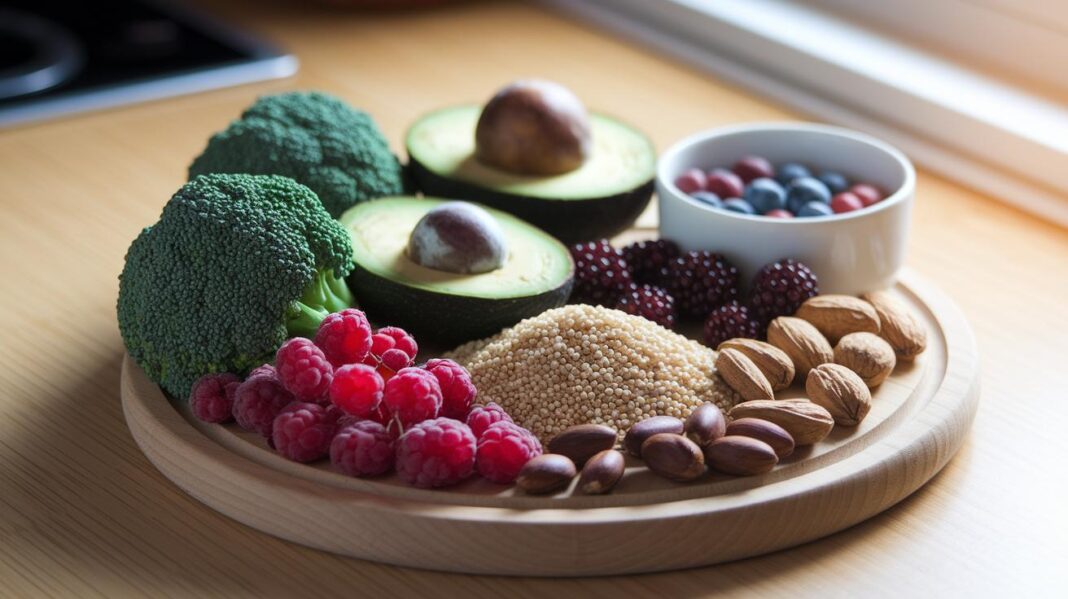

Ever wonder which foods pack the biggest nutritional punch? Foods rich in nutrients give your body an extra boost every day. They bring you vitamins, minerals, and essential ingredients that keep your heart beating strong and help your immune system stay ready. In this article, we share 12 top picks, like salmon packed with omega-3 fatty acids and kale full of vitamins. Get ready to discover which foods can keep you healthy and help your cells work their best.
Top Nutritional Powerhouse Selections in Nutrient-Dense Food Examples
Eating foods packed with vitamins, minerals, and other good stuff can kick your cell function into high gear and boost your overall well-being. These nutrient-dense options serve up a mix of key nutrients in every bite. They offer benefits like heart support from omega-3 fatty acids and immune boosts from essential trace minerals. Here’s a list of 12 standout choices, each known for its special nutrient profile and positive impact on your body. For instance, salmon delivers the omega-3s your cells rely on, supporting both heart health and sharper brain function.
| Food | Key Nutrients | Benefits |
|---|---|---|
| Salmon | Omega-3 fatty acids | Boosts cell function and heart health |
| Sardines | Vitamins D, B12, calcium | Supports bone strength and immune health |
| Kale | Vitamins A, C, K, fiber, carotenoids | Helps protect cells and aids digestion |
| Seaweed | Iodine, trace minerals | Enhances thyroid function and nutrient flow |
| Garlic | Sulfur compounds | Supports a healthy immune system |
| Shellfish | Vitamin B12, zinc | Helps with metabolism and immune response |
| Potatoes (with skin) | Potassium, magnesium, iron, vitamin C, B vitamins, fiber | Bolsters energy and aids digestion |
| Liver | Vitamins A, B12, iron | Provides a concentrated nutrient burst |
| Berries | Fiber, resveratrol | Fights free radicals and supports cell health |
| Eggs | Complete protein, fat-soluble vitamins | Help build muscle and keep energy steady |
| Bitter Melon | Antioxidants, phytonutrients | Combats oxidative stress |
| Cocoa & Dark Chocolate | Iron, magnesium, copper, manganese | Helps your heart and supplies key minerals |
Mixing up your food choices is important for a balanced diet. Each type brings its own benefits, whether it’s lean proteins, fresh veggies, or nutrient-rich treats. When you blend these options together, you create meals overflowing with vitamins, minerals, and antioxidants that work in tandem to boost your health. Try pairing greens with fish or whole foods to not only delight your taste buds but also strengthen your body’s natural defenses, making every meal a real powerhouse of nourishment.
Vitamin-Loaded Fruits and Super Greens in Nutrient-Dense Food Examples
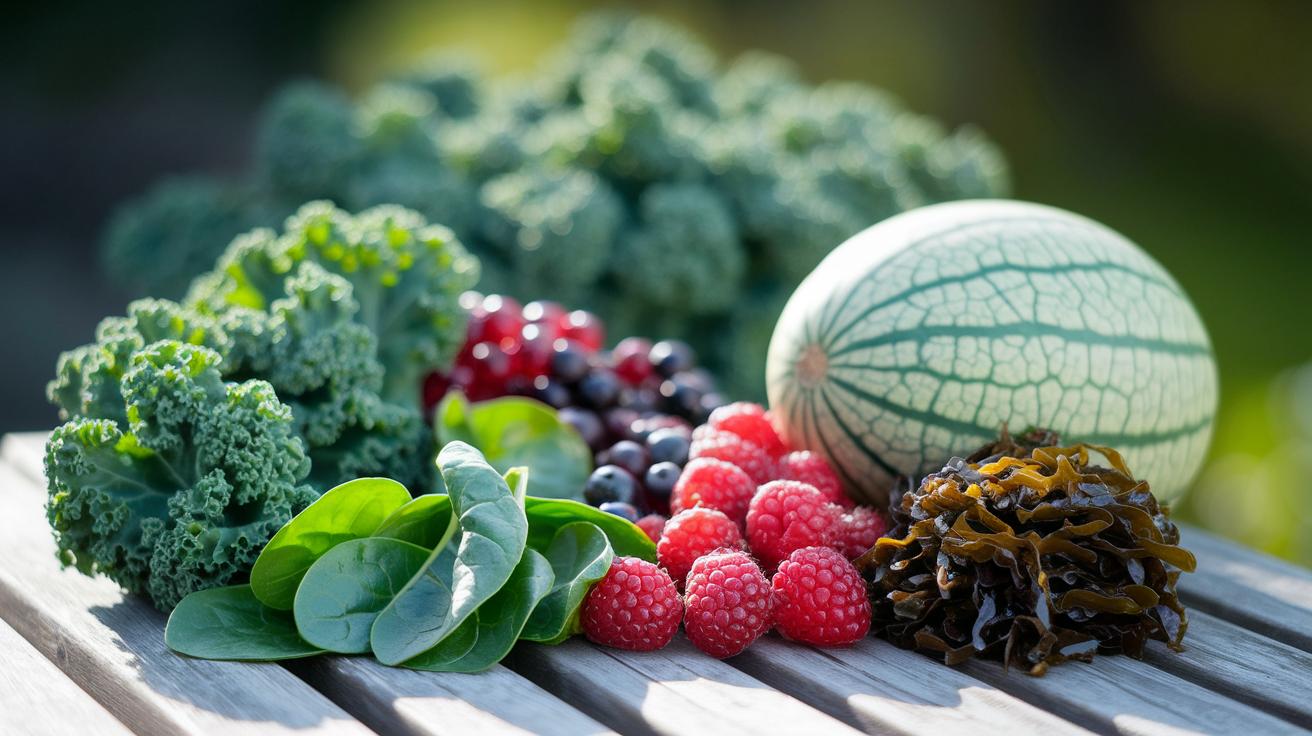
Fruits and greens pack more than just vitamins and minerals. They arrive in season, sparking fresh ideas for recipes that highlight local tastes. Each ingredient shines at its peak, inviting us to explore creative ways to prepare them.
- Berries – Enjoy them in summer desserts like a chilled berry salad drizzled with citrus dressing.
- Bitter Melon – Lightly blanch this veggie for a tangy twist in your warm-weather stir-fries.
- Kale – Try crispy baked kale chips for a satisfying snack during the fall harvest.
- Spinach – Sauté it quickly or toss it into a warm salad with seasonal garlic puree to boost its flavor.
- Seaweed – Add it to winter broths or ramen for a savory depth that reminds you of the coast.
- Garlic – Roast garlic to bring out its natural sweetness, making it a star ingredient in spring pastas.
These seasonal tips and fresh recipe ideas can add flavor and a sense of place to your everyday meals.
Nutrient Dense Food Examples: Fuel Your Health
Fats and proteins team up to help your body soak in nutrients and keep energy levels steady. They work together to slow digestion, which means vitamins and minerals stick around longer. This natural partnership also helps balance blood sugar and speeds up recovery after a meal.
- Tofu – This plant-based food delivers complete protein along with iron and calcium to support strong bones and muscles. For instance, "Tofu packs a hearty serving of protein and iron to boost your energy."
- Chia seeds – Loaded with omega-3 fats, fiber, and antioxidants, they help fight inflammation and support a healthy heart. For example, "Chia seeds burst with omega fats and fiber to keep you feeling fresh."
- Hemp seeds – These seeds provide full plant protein and key fatty acids that fuel steady energy and help build healthy cell membranes. For example, "Hemp seeds blend proteins and fats for lasting energy."
- Walnuts – Rich in omega-3s and amino acids, walnuts support nutrient uptake and brain function. For example, "Walnuts add a crunchy hit of omega fats to your day."
- Chickpeas – A great source of plant protein, fiber, iron, and B vitamins, chickpeas aid digestion and help keep energy levels even. For example, "Chickpeas offer a hearty mix of protein and fiber that supports smooth digestion."
Mixing these foods into your meals not only enhances flavor but also delivers lasting nourishment.
Antioxidant and Fiber-Rich Meal Ideas Using Nutrient-Dense Food Examples
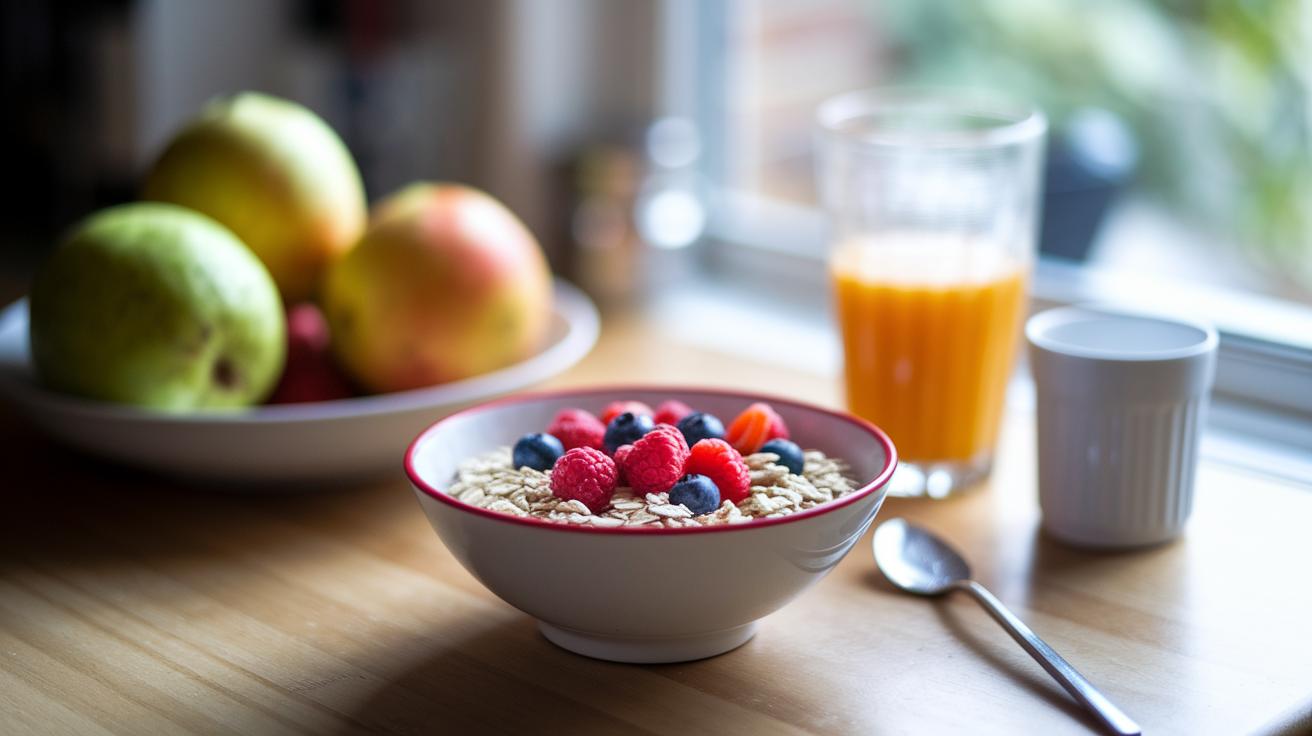
Simple ingredients full of fiber and antioxidants can give your gut a friendly boost and help guard your body from harmful free radicals. These meal ideas mix powerhouse foods to create filling dishes that keep you energized and feeling well. Imagine the bright sweetness of fresh fruit, the hearty flavor of vegetables, and the satisfying protein of legumes, all coming together on your plate. Each bite not only powers you up but also offers a blend of useful vitamins and minerals.
- Berry Oatmeal Bowl – This dish is loaded with fiber, antioxidants (like resveratrol), and B vitamins. Picture a warm bowl of oatmeal dotted with juicy berries that add a lovely crunch and refreshing twist.
- Beet and Kale Salad – A mix that brings the endurance-boosting benefits of dietary nitrates and antioxidants working hard to protect your cells.
- Roasted Garlic Potatoes – These spuds shine with vitamins C, B6, potassium, and phytonutrients, turning a simple roast into a hearty nutrient boost.
- Legume Chili – A comforting bowl of chili that offers protein, fiber, iron, and B vitamins to help you stay energized all day.
These meal ideas invite you to play with ingredients based on what’s in season. Every serving becomes a chance to enjoy tasty food that does good for your body.
Tips to Incorporate Nutrient-Dense Food Examples into Balanced Daily Meals
Planning meals that burst with nutrients is easier than you might think. Choose a mix of colorful foods like crisp vegetables, sweet fruits, lean proteins, and whole grains to keep your body happy and energized. Swapping out processed items for whole, natural foods can give you a steady boost day after day.
- Fill your plate with fresh vegetables, juicy fruits, lean proteins, and satisfying whole grains.
- Replace packaged snacks with a handful of nuts, a bowl of berries, or a few squares of dark chocolate.
- Stir in leafy greens such as spinach or kale into your morning smoothie for an extra hit of vitamins.
- Include oily fish like salmon or sardines twice a week to get important omega-3 fatty acids.
- Choose legumes like chickpeas or lentils over higher-calorie spreads to add fiber and protein.
- Indulge in a small piece of dark chocolate occasionally for a delicious, nutrient-rich treat.
Stick with these simple tips to craft meals that not only taste great but also support your overall health.
Final Words
In the action, we explored nutrient dense food examples that pack vibrant health benefits. We broke down selections like salmon, kale, and berries, showing how each contributes special nutrients for everyday meals.
We also shared meal ideas and step-by-step tips to help you create balanced, colorful plates. Experiment with fresh ingredients and reap the nutritious, delicious rewards.
Enjoy mixing these choices into your cooking and celebrate each flavorful bite!
FAQ
What is the definition of nutrient-dense food?
The nutrient-dense food definition explains that these foods supply high levels of vitamins, minerals, and antioxidants relative to their calories, supporting overall health and well-being.
What do the “100 most nutrient-dense foods” refer to?
The “100 most nutrient-dense foods” term refers to a ranked list of whole foods offering a high nutrient-to-calorie ratio, serving as a guide for making healthy, balanced eating choices.
What is a nutrient-dense Foods chart pdf?
The nutrient-dense Foods chart pdf is a document that organizes foods by their nutrient content, helping consumers compare options and select foods rich in vitamins, minerals, and antioxidants.
Why are nutrient-dense foods important?
Nutrient-dense foods are important because they deliver essential vitamins and minerals with fewer calories, supporting strong immune function, overall health, and a balanced diet.
What are low nutrient dense foods?
Low nutrient dense foods are items that offer minimal vitamins and minerals per calorie, often including processed or high-calorie products that contribute little to overall nutritional intake.
How do nutrient-dense foods assist with weight loss?
Nutrient-dense foods support weight loss by providing essential nutrients while keeping calories in check, helping you feel fuller longer and contributing to a balanced, calorie-controlled diet.
What does a nutrient-dense meal plan look like?
A nutrient-dense meal plan includes balanced servings of vegetables, lean proteins, whole grains, and fruits, ensuring that each meal is packed with beneficial vitamins, minerals, and fiber.
What are energy dense foods?
Energy dense foods are those high in calories compared to their weight, often from added fats or sugars, and may contribute to excessive calorie intake if not eaten in moderation.
What are the most nutrient-dense foods?
The most nutrient-dense foods include options like leafy greens, fatty fish such as salmon, berries, and lean proteins, all known for their high content of essential vitamins and antioxidants.
What foods should I eat during pregnancy?
Foods to eat during pregnancy include whole grains, lean proteins, fruits, vegetables, and dairy, as these provide vital folic acid, calcium, and iron to support maternal health and fetal development.
What food adds 33 minutes to your life?
Dark chocolate is noted for antioxidant properties linked to improved heart function, which research has associated with adding about 33 minutes to life expectancy.
What two foods can you survive on?
Some research suggests that potatoes and milk together can supply nearly all essential nutrients; however, a varied diet is still recommended for optimal health.