

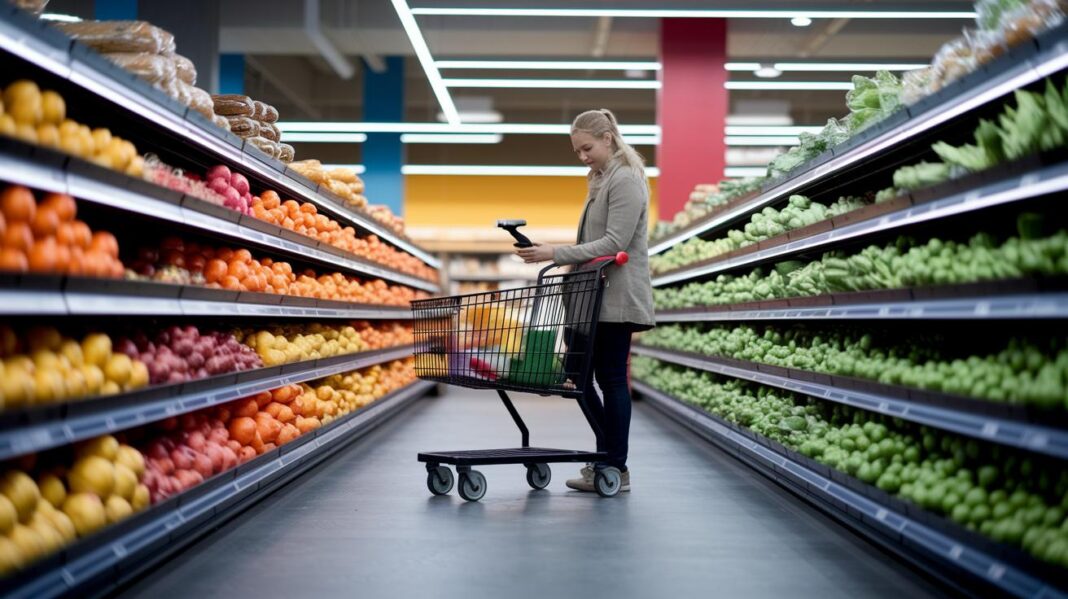

Imagine if your grocery trip was as smart as your smartphone. New technology like artificial intelligence (smart computer programs), connected devices, and secure data checks are changing the way we shop. Say goodbye to long lines and last-minute empty shelves. This modern approach makes your shopping faster and easier, leaving you extra time for what really matters. It’s a blend of the familiar store experience with a touch of digital magic.
Transforming Grocery Shopping with Smart Grocery Technology
Smart grocery shopping is changing how we visit stores. Instead of wandering long aisles and waiting in long lines, you get a quick, personalized experience. Today, stores use tools like Artificial Intelligence, Internet of Things (devices that connect and share data), and blockchain to make your trip smoother.
Imagine a smart cart that scans your items on the go and shows you special offers. It works much like a fitness tracker that tells you your stats in real time. These innovations blend the familiar feel of a physical store with digital convenience.
- Faster checkout with automated scanning that trims waiting time
- Real-time inventory updates to avoid surprise out-of-stock items
- Personalized deals based on your past purchases and dietary needs
- Mobile apps that come with pre-filled shopping lists
- Easy payment through automated checkout systems
- Contactless pickup options to keep things safe and clean
Smart grocery technology takes away common hassles. It lets you skip long lines and dodges inventory issues that slow you down. The end result is a shopping trip that feels efficient, tailored, and comfortable, letting you spend less time on routine tasks and more time enjoying what you love.
Core Technologies Powering Smart Grocery Experiences

Smart grocery tech is changing how we shop by mixing everyday habits with new technology. At home, devices like smart fridges and pantry scanners team up with AI helpers to create shopping lists based on your tastes and past purchases. In stores, tools like face scans and fingerprint checks on smart carts quickly steer you to what you need. This blend of digital tools and in-person shopping makes your trips both faster and more personalized.
Artificial Intelligence in Groceries
AI is a key part of smart grocery. It looks at your past shopping to predict what you might need and suggests products accordingly. For example, an AI helper might recommend ingredients for a quick dinner using items you've already picked up, making meal planning a breeze.
IoT and Connected Devices
The Internet of Things ties together devices from smart fridges to wearable health trackers. They work together to update your shopping list automatically. This real-time connection between what’s in your home and what’s on store shelves helps you avoid last-minute cravings and keeps your pantry well stocked.
Mobile and App-Based Innovations
Mobile apps are making smart grocery shopping easier than ever. With clear interfaces and built-in payment tools, you can access your pre-populated lists and grab special deals right on your phone. Some smart carts even scan items and process payments through these apps, so you enjoy a smooth and engaging shopping experience.
Augmented Reality Navigation
Augmented reality is reshaping how you navigate stores. AR overlays clear directions on your view, guiding you along the quickest route based on your list. This tech not only saves time; it turns shopping into a more interactive and visually engaging journey.
Case Studies of Tech-Enabled Supermarkets and Smart Grocery Implementations
Smart grocery technology is changing how we shop by mixing the physical store with digital tools. Retailers are using these tools to make shopping faster, more accurate, and more convenient. These case studies show how technology can boost both customer satisfaction and store efficiency while hinting at what shopping will look like in the future.
| Retailer | Smart Features | Launch Year |
|---|---|---|
| Walmart | Metaverse shopping experience, AI-driven offers | 2022 |
| OMO Digital Commerce | Blending offline and online channels for sustainability | 2023 |
| Whole Foods | Inventory tracking systems, automated checkout | 2021 |
For example, Walmart’s metaverse project lets customers explore digital aisles and receive tailored product suggestions from AI. Meanwhile, OMO Digital Commerce shows that combining in-store and online experiences can attract more customers and help the environment. These early projects have led to faster checkout times and more accurate inventory tracking. In fact, over 88% of shoppers say they appreciate the smooth, personalized service. With features like real-time tracking and automated checkouts, the future of grocery shopping is set to become even more convenient and responsive to individual needs.
Practical Guide to Integrating Smart Grocery Tools into Daily Routines
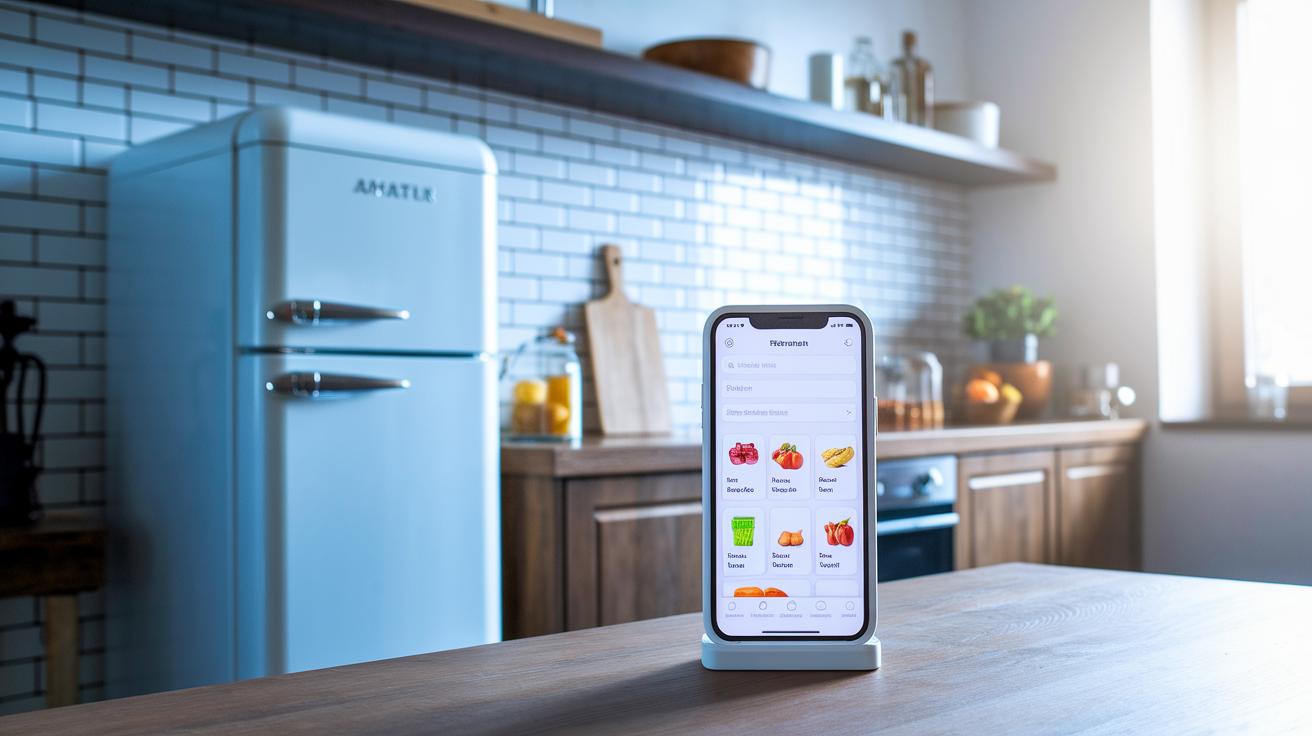
Begin by linking your smart fridge or pantry scanner with an AI assistant. These modern devices watch your supplies and create a ready-made shopping list based on your habits and food choices. This way, you always know when to restock.
After that, pick a mobile grocery app that works well with your smart home. Look for one that syncs with your fridge and lets you change orders easily. Such apps offer a simple interface to track your purchases and suggest items based on what you often buy.
Set up contactless pickup at your nearby store. With this option, you order ahead using your phone and then grab your groceries without waiting in line. It’s a smart way to limit face-to-face interaction and make your trip quicker.
During your visit, take advantage of automated checkout. Smart carts scan and weigh your items as you shop, linking up with an all-in-one app for instant payment. This system keeps track of receipts, loyalty points, and coupons, making the whole process smooth and fast.
User Benefits and Savings with Smart Grocery Solutions
Smart grocery solutions help you shop faster and save money. They use data analytics (studying information carefully) to adjust prices and keep shelves full while suggesting extra items at great prices. In fact, one study shows that 88% of shoppers think the way they shop is as important as what they buy.
One smart shopper shared that tips based on data not only reveal timely deals but also unlock fresh loyalty rewards. For example, some systems offer extra perks when you shop a lot. These rewards go beyond simple alerts and instead match your shopping habits to add real value over time.
Stores now combine automatic order processing with real-time tracking of receipts and loyalty points. This new approach shifts the focus from bulky features to clever innovations that save money and make the shopping experience even better.
Future Trends and the Evolving Smart Grocery Landscape

Smart grocery is moving from in-store innovations to virtual shopping experiences where you can explore a digital store. Shoppers now wander through interactive aisles in the metaverse, a space where engaging games and digital displays teach about food sustainability. The experience makes shopping feel fun and easy while you enjoy the comfort of home. New projects are building digital journeys that mimic a real store visit and offer instant product details along with personalized offers.
Grocery planning is also getting a smart upgrade with predictive buying models. These AI systems use data from previous purchases and current home inventories to forecast what you might need next. They create custom shopping lists that help cut waste and boost convenience. Many studies show that digital tools, like OMO digital commerce, can improve sustainability and customer satisfaction. This points to a future where buying is both planned and efficient.
Green practices are also on the rise. Next-generation smart grocery systems embrace eco-friendly packaging and sustainable retail solutions that help reduce the environmental impact.
Final Words
In the action of reshaping shopping, smart grocery technology streamlines everything from app selection to automated checkouts and real-time stock updates. The blog highlighted tech that simplifies meal planning and daily purchases through tangible benefits like personalized offers and efficient order fulfillment.
Practical examples and case studies showed how digital tools transform the supermarket experience. These insights offer clear steps to smart grocery shopping that saves time and boosts confidence in every purchase decision. Enjoy a fresher, quicker path to better meals every day.
FAQ
What is a smart grocery store?
A smart grocery store uses modern technology like AI and IoT to personalize your shopping. It speeds up checkout times, updates inventory instantly, and offers tailored deals.
How do I find a smart grocery store near me?
Finding a smart grocery store near you involves checking local listings, visiting store websites, or using mobile grocery apps that map out tech-enabled locations in your area.
What features does a smart grocery app offer?
A smart grocery app streamlines shopping by creating digital lists, providing contactless payment, offering personalized deals, and updating inventory in real time for a seamless experience.
How does smart grocery online shopping improve my experience?
Smart grocery online shopping simplifies ordering by using real-time inventory updates and personalized recommendations, making it easier to pick up orders or have them delivered efficiently.
What do smart grocery reviews say about the technology?
Smart grocery reviews point to benefits like faster checkouts, personalized offers, and an overall smoother shopping experience powered by innovative tech.
What are the benefits of using an iPhone grocery app?
An iPhone grocery app offers an optimized design with unique iOS features such as Apple Pay integration, intuitive navigation, and easy management of shopping lists.