



Ever wondered if hidden habits in your kitchen are draining your budget? Food waste costs the nation billions each year, and a quick check can reveal where your restaurant loses money. By keeping track of what gets thrown out, from the prep table to the storage room, you can turn things around and save cash. Smart food waste reduction tactics help you cut costs, improve storage, and make every ingredient count.
Auditing Kitchen Waste: Foundation for Food Waste Reduction Strategies
A food waste audit helps you quickly see where your restaurant is losing money and ingredients. It shines a light on issues during ingredient prep, storage, or service that cause things to go bad. This kind of check also gives you numbers that show how wasted food adds to the estimated $2 billion loss each year in the U.S.
Real-time data can boost your recovery efforts by up to 30%. Regular audits even reveal trends across the globe that help you manage inventory better. By zeroing in on the most important numbers, kitchens can cut down on surplus, speed up prep, and save money.
- Create a simple food log system
- Organize waste into clear categories
- Weigh what gets tossed
- Review trends each week
- Set clear goals for reducing waste
Following these steps gives you a solid plan for fast improvements. When you understand your waste habits, you can stop over-ordering and keep food from spoiling too soon. This smart approach saves money and keeps more waste out of landfills. With ongoing checks and tweaks, your kitchen can become more efficient and eco-friendly while saving costs.
Inventory Management & Storage Techniques to Reduce Kitchen Food Waste

Using FIFO (First In, First Out) means you always use older ingredients before the new ones arrive. This simple practice helps keep flavors fresh and reduces spoilage. Think about moving a carton of milk from the back of your fridge to the front every day.
Keeping a close eye on your fridge and freezer is another essential tip. When these areas stay at the right temperatures, your ingredients last longer and harmful bacteria stay at bay. A well-kept, cool space means your lettuce stays crisp and your meats stay safe, cutting down on costly waste.
Trying advanced techniques like vacuum sealing and controlling humidity can offer extra help. These methods limit air exposure and keep moisture just right, so flavors and textures remain at their best. Imagine sealing a package of herbs to capture their vibrant aroma until you’re ready to cook, a small step that makes a big difference.
Finally, organizing your storage brings it all together. Arrange your ingredients where they’re easy to see and reach to avoid them getting lost in a crowded pantry. Label your shelves, group similar items, and use clear containers. These straightforward steps help your kitchen run smoothly while lowering food waste and expenses.
Menu Planning & Portion Control to Minimize Food Waste
Effective menu planning helps match dishes with customer demand and the ingredients you have on hand. A smart menu shows daily offerings so that ingredients appear only when they are needed. This method not only cuts down on waste but also fits with a zero trash meal planning model where every item earns its place.
Using the same ingredients in multiple dishes makes it easier to cut costs and prevent spoilage. For example, a rich tomato sauce can work well in pasta, stew, or even as a salad dressing. This approach keeps ingredients in check and adds variety to the menu.
Offering flexible portion sizes can lower plate waste by 15-25%. Options such as half portions, small plates, or build-your-own servings give diners the freedom to choose the right amount for their appetite. This smart strategy meets customer needs and helps reduce food thrown away after meals.
Designing seasonal menus means using ingredients when they are at their best. When foods are fresh and in season, kitchens benefit from higher quality produce and lower inventory risks. Seasonal specials also give diners a chance to try limited-time dishes, keeping waste under control.
Creative ideas to rescue ingredients near their expiry date can turn potential waste into exciting new specials. By reimagining these ingredients into unique dishes, kitchens can boost revenue while keeping creativity alive. This fresh approach not only adds flavor but also makes the most out of every single ingredient.
Staff & Household Training for Food Waste Reduction

Teaching your team and family how to handle food properly can cut prep waste by 20-30%. Learning to store food well and use correct cutting techniques helps everyone use ingredients more wisely. Regular classes, such as hands-on workshops or simple digital reminders, build everyday habits that lower waste.
- Set clear goals with everyone
- Show proper cutting and portioning techniques
- Check the kitchen inventory regularly
- Use meal-planning templates
- Set up digital reminder systems
- Keep track of waste numbers frequently
Everyone can help cut down food waste. Using shopping lists and checking your pantry stops overbuying. Simple training boosts confidence in using the right portions, saves money, and keeps your kitchen organized.
Tech-Driven Solutions: Digital Inventory & Analytics for Food Waste Reduction
Digital tools are changing the way kitchens manage food. They give a clear view of how ingredients are used and wasted. With software that ties into point-of-sale systems, managers can see stock levels and usage in real time. This means that kitchens can quickly decide what to order and adjust menus to cut waste and save money, leading to higher profits.
Inventory Management Software
Smart inventory systems work closely with register systems to keep track of every ingredient. These systems sort items into clear categories, update stock levels automatically, and alert staff when supplies run low. The easy data entry and straightforward steps help cut down on manual work during the rush, making kitchen operations smoother.
Waste Tracking Analytics
Analytics tools provide simple dashboards that zero in on where waste happens, whether in a specific department or at certain prep stages. These dashboards show trends and point out unusual discard patterns. Automatic alerts also let kitchens know when ingredients aren’t moving as expected so they can make quick adjustments. This timely data helps kitchens reduce waste and operate more efficiently.
Using these digital tools means kitchens can adjust orders and menus on the fly, cutting food waste and keeping costs low. With real-time insights, kitchens can adapt to busy periods and changes in ingredient availability, ensuring fresh, quality food every day. This smart, tech-driven approach builds sustainable savings and boosts overall efficiency.
Circular Approaches: Donation, Composting & Redistribution to Reduce Food Waste
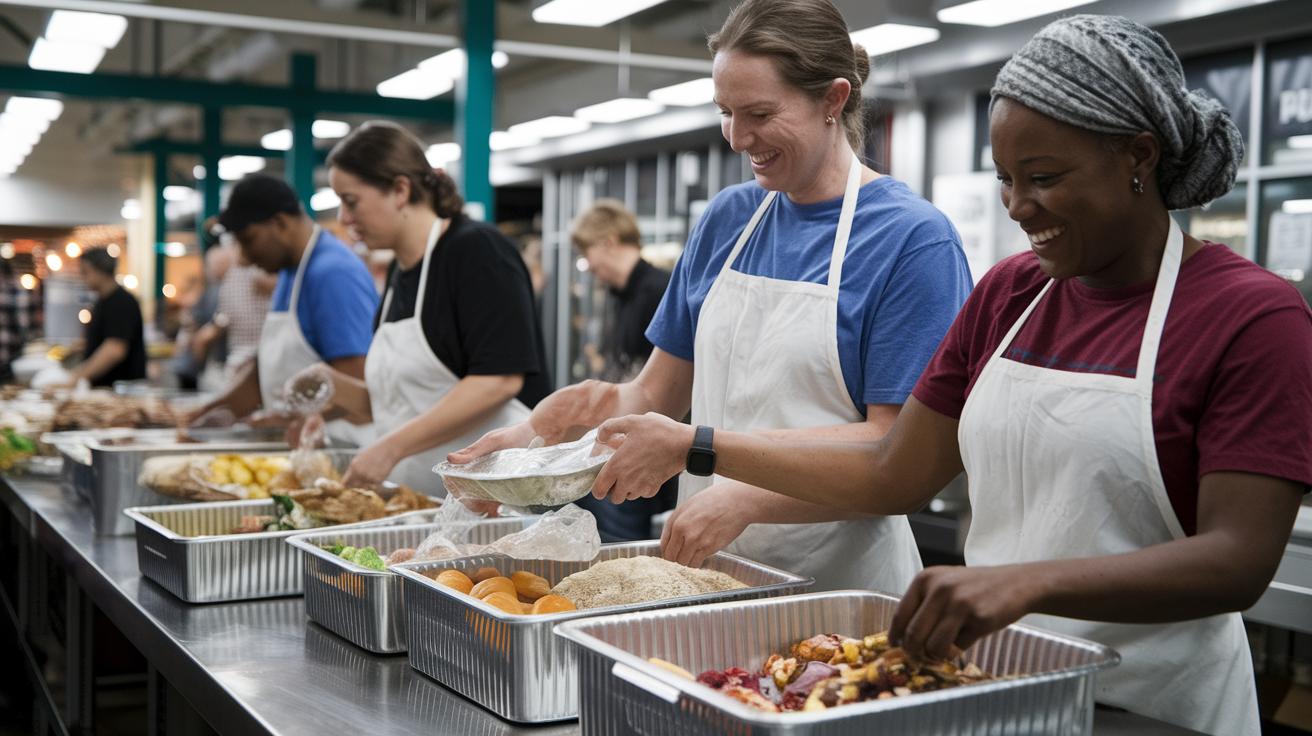
Donating extra food not only fights waste but also helps neighbors. Food businesses can cut down thrown-away items by around 10% when they share surplus food with local pantries or even their staff. This simple act gives extra ingredients a new purpose for people who need food.
Starting a composting program uses scraps that would otherwise end up in a landfill. By composting, food waste is turned into a rich soil enhancer for gardens and city green spaces. Even small steps at home, like setting up a kitchen compost bin, make a difference for our environment.
Community projects such as pop-up markets offer another smart way to put unused food to work. These events let local growers and stores share unsold food with neighborhood shoppers at lower prices. Case studies from the la food policy council show how this works in real life.
It is important to follow safety rules and local laws when reusing extra food. Businesses need to know the regulations, understand liability protections, and use any available tax incentives. Clear donation guidelines help keep the food safe for those who receive it.
Using donation, composting, and redistribution together saves money, reduces waste, and strengthens community bonds. By adopting these practices, food businesses can become more efficient while building a greener future for everyone.
Policy & Community Initiatives to Scale Food Waste Reduction
Programs that offer grants and tax credits inspire both companies and households to invest in technology that helps prevent food waste. These incentives reduce the financial hurdles of adopting new tools like digital inventory systems and improved storage methods. With this kind of financial help, food operators can switch to proven waste-cutting techniques and set a strong example for others.
Global standards and national targets set clear goals for using ingredients wisely and reducing what ends up in landfills. Local rules push food businesses to follow optimal waste practices through specific waste diversion goals. Steady guidelines like these ensure a level playing field, making sustainable methods easier to adopt across the board.
Partnerships among community compost programs, local organizations, and industry-led certification initiatives boost waste reduction efforts. When local governments, food operators, and community groups join forces, successful projects grow and smart ideas spread. These collaborations raise awareness and drive ongoing progress toward greener practices.
Measuring progress with tools like waste tracking reports, percent reductions, and certification wins shows how well the efforts are doing. Comparing results against clear benchmarks helps everyone tweak policies and initiatives as needed. This focused review holds stakeholders accountable and builds stronger incentives to achieve lasting food waste reduction.
Final Words
In the action of cutting excess food across kitchens, the article walks through audits, inventory tweaks, and creative menu planning.
It also highlights staff training, tech-driven tools, and circular practices like donations and composting.
Each step offers practical tips and clear cost-saving benefits.
Embracing food waste reduction strategies paves the way for smarter shopping and cooking, giving every meal a fresher start and a positive impact on the community.
FAQ
What are some effective food waste reduction strategies for students?
Effective food waste reduction strategies for students include mindful meal planning, proper storage techniques, and repurposing leftovers. These methods help prevent spoilage and even allow unused food to be shared or donated.
What food waste reduction strategies have been popular in recent years like 2021 and 2022?
Food waste reduction strategies in recent years emphasized kitchen audits, digital tracking systems, and efficient inventory management. These steps have proven successful in improving resource use while cutting unnecessary expenses.
What are creative ways to avoid food wastage and reduce food waste?
Creative ways to avoid food wastage include repurposing leftovers into new dishes, planning menus that share ingredients, and adjusting portion sizes. Such methods transform surplus into innovative meals and curb overall waste.
What are some ways to reduce food waste at home?
Reducing food waste at home can be achieved through careful meal planning, proper ingredient storage, portion control, and regular kitchen inventory checks. These practices help manage food supplies and limit unnecessary buying.
How can food waste be reduced globally?
Reducing food waste globally involves coordinated supply chain audits, enhanced recovery programs, and digital inventory tracking. These efforts, supported by policy and community initiatives, drive improvements in efficiency worldwide.
What are effective waste management strategies for reducing food waste?
Effective waste management strategies include keeping detailed food logs, sorting waste by type, measuring discard weight, reviewing weekly trends, and setting specific reduction benchmarks. These steps provide a clear, actionable plan for kitchens.
What are the best food waste disposal methods?
The best food waste disposal methods involve composting, donating surplus, processing leftovers in digesters, and converting waste to energy. These techniques help reduce landfill use while supporting environmental sustainability.