


Ever wonder why even a well-run restaurant can stall during busy times? A smart restaurant management system brings orders, inventory, and shifts into one place. This easy-to-use tool cuts down on mistakes and matches staff levels with the number of guests in real time. The result is quicker service, smiley customers, and better profits. In short, one solid system can clear everyday hurdles and boost efficiency all around.
Streamlining Operations with Restaurant Management Software
A single restaurant management system brings together what used to be several manual tasks and different apps. It collects digital orders, inventory details, staff schedules, and payment processing all in one place. This setup reduces extra work and stops mix-ups. For instance, the system handles both in-house and online orders without extra manual effort, keeping everything in step.
Every day, restaurants face challenges that can hurt profit. Small mistakes with orders might lead to wrong dishes, gaps in inventory can slow down the kitchen, and scheduling issues can leave shifts short-staffed or overstaffed. These problems can slow down table turnover and leave guests disappointed. By tying all the tasks together, restaurants can lower order mistakes by 30%, speed up table turns by 25%, and save up to 20% in labor costs.
- Improved order accuracy
- Real-time inventory control
- Seamless POS integration
- Optimized shift scheduling
- Actionable analytics dashboards
By cutting down on errors and simplifying work, restaurant management software boosts overall efficiency. It helps with everyday challenges, increases revenue, and makes guests happier. With clear, combined metrics, managers can act fast during busy times and keep the dining experience smooth for everyone.
Key Features of Modern Restaurant Management Software
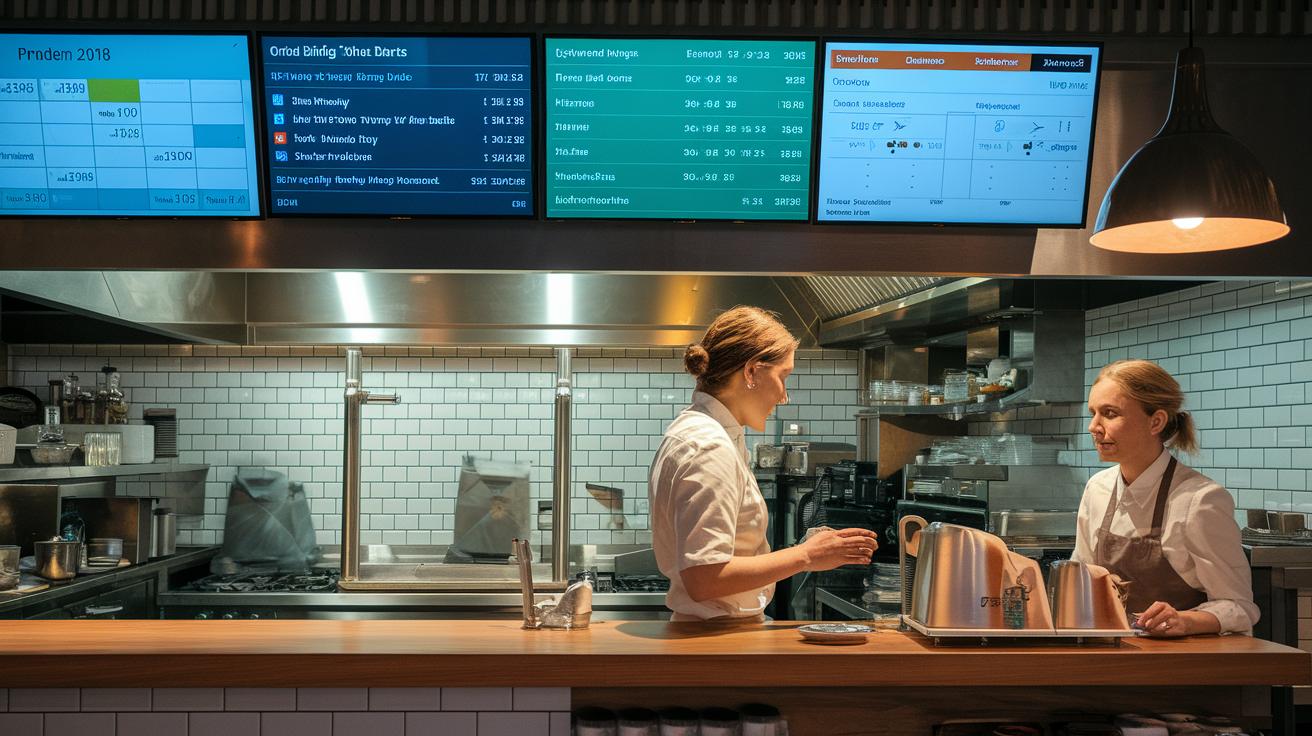
Today’s systems make it easy for restaurants to run their daily tasks. They bring together important tools in one platform to cut down on manual work and reduce errors. For example, the Order & Billing Module (a full-service restaurant ordering solution) records every order, whether dine-in or takeout, and handles payments quickly. These systems also include inventory tracking with real-time alerts, so managers know when stock is low. Plus, POS integration links all payment registers and mobile devices to speed up checkouts. A simple staff scheduling tool helps plan shifts and manage labor costs like effective restaurant table reservation software. A clear dine-in analytics dashboard shows real-time sales and seating details, which helps improve the guest experience. Many platforms work on the cloud, allowing operators to check on things from anywhere.
| Feature Module | Description | Efficiency Impact |
|---|---|---|
| Order & Billing Module | Records orders and processes payments | Cuts errors by 30% |
| Inventory Tracking | Automatically updates stock and alerts low levels | Reduces waste by 15% |
| POS Integration | Connects registers and mobile POS devices | Speeds up checkout by 20% |
| Staff Scheduling Tool | Plans shifts and tracks labor costs | Lowers overtime by 10% |
| Dine-in Analytics Dashboard | Gives real-time sales and table-turn data | Improves seating efficiency |
By combining these tools, restaurants can run everything smoothly from the front-of-house to the kitchen. Inventory tracking helps cut down on wasted ingredients, while POS integration means shorter wait times at checkout. An effective scheduling tool keeps shifts organized and controls labor costs. Clear analytics data let managers fine-tune service and seating to boost revenue and guest satisfaction. With cloud access, changes can be made whether you are at the restaurant or on the go.
restaurant management software Powers Efficiency
UpMenu (4.6/5) combines commission-free online ordering, CRM (customer relationship management), and email marketing into one easy-to-use package. Its main draw is lowering third-party fees while building closer ties with customers. This platform works great for small restaurants and independent chains looking to build a loyal customer base. It also makes menu management simple and sends orders directly to the kitchen.
Toast (3.9/5) delivers a user-friendly point-of-sale system with practical table management and bill-splitting features. Its clear analytics offer helpful insights for mid-sized restaurants, allowing them to fine-tune daily operations. This solution is ideal for eateries that need flexibility to handle both dine-in and takeout orders, making complex tasks straightforward and service fast.
Square (4.5/5) features a mobile point-of-sale that unifies payment processing with order management. It suits small establishments or startups that manage both in-person and online orders. With its focus on efficient processing and easy checkouts, Square adds a modern and seamless touch to everyday restaurant tasks.
Lightspeed (4.3/5) uses a cloud-based system to simplify inventory management and support multiple locations. Designed for restaurants with several outlets, it helps operators track stock levels and manage details across sites. Its back-of-house tools keep orders accurate even when multiple kitchens are in operation.
Restroworks (4.8/5) stands out with strong payment integration and real-time analytics dashboards. It is well suited for busy restaurants and franchise operations, providing managers with dynamic insights into every transaction. With robust reporting and swift processing, Restroworks equips restaurateurs with the data needed to boost efficiency and enhance the overall dining experience.
Pricing and Cost Considerations for Restaurant Management Software
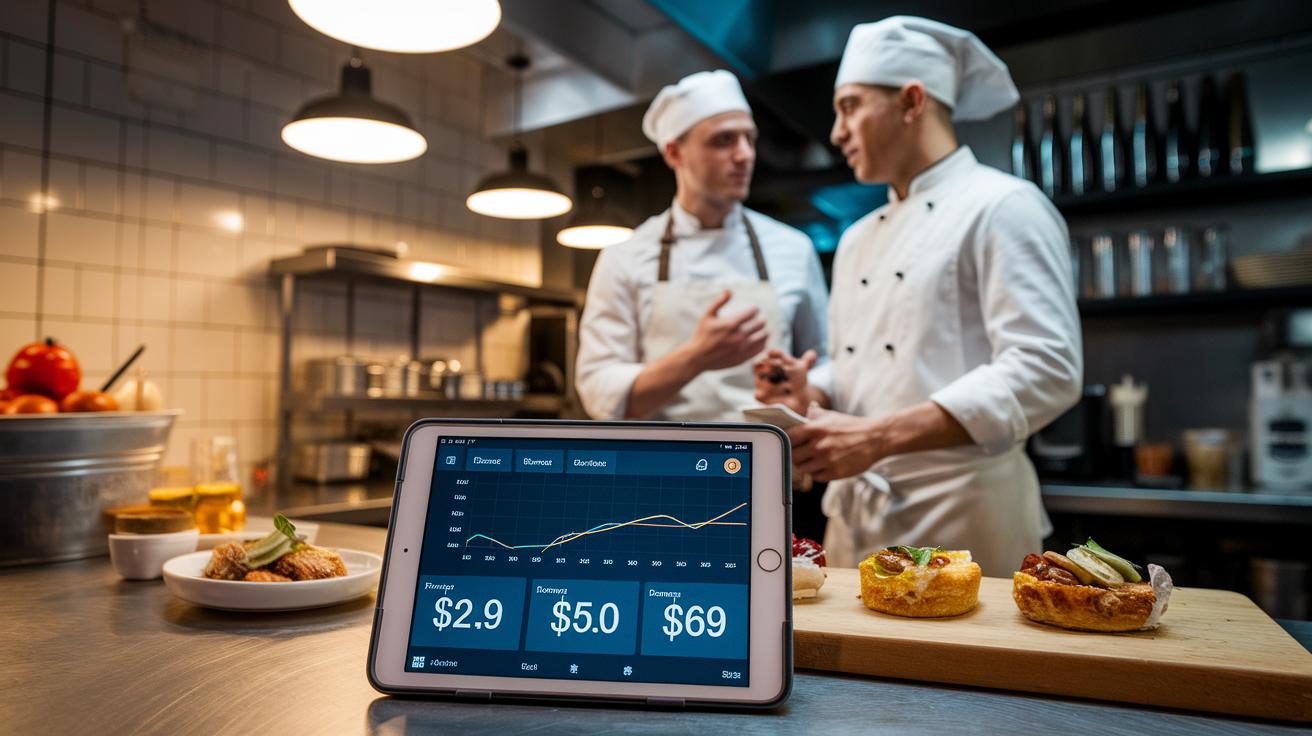
Basic subscription plans for restaurant management software usually cost between $29 and $69 a month. These plans include common features like managing orders, tracking inventory, scheduling, and simple reporting. For instance, some services begin at $29 while others, such as Toast, offer more advanced features at $69. Premium options can start around $50, covering important tasks like payment processing and customer engagement. Plus, these subscriptions typically come with automatic updates and ongoing customer support.
In addition to monthly fees, there are extra costs for hardware, setup, and onboarding. Restaurants often spend between $100 and $300 on additional devices, like tablets or special point-of-sale terminals, to work seamlessly with the software. Onboarding fees, which cover initial set-up, staff training, and data migration, can add another $0 to $500 to your expenses. Knowing these costs helps you plan ahead and avoid any surprises.
Restaurant owners are advised to watch for hidden transaction fees or extra charges from third-party integrations. Look into annual discount options or bundled hardware deals to lower overall expenses. By comparing different vendor packages and their detailed pricing, you can pick a solution that fits your financial plan and supports your day-to-day operations.
Integrating Restaurant Management Software into Your Operations
Setup Process
Get your current system ready for the switch. Start by reviewing your old POS data and menus. Then, design a basic menu layout that fits your needs. Import key details slowly, try a small batch first to catch any issues. Adjust the settings so they work perfectly for your restaurant, from routing orders to setting up kitchen displays. This careful start helps ensure smooth daily operations.
Integration with POS and Delivery Services
Connect your existing POS devices with the new software so everything works from one central system. Use QR-code menus for faster dine-in ordering and set up self-service kiosks to manage wait times. If you use third-party services, link them with trusted restaurant ordering platforms to keep orders in one spot. Also, sync your table reservations with reservation software to make booking and seating consistent across all channels.
Staff Training and Rollout
Once setup and integration are complete, train your team to use the new system confidently. Start with a 1-2 week trial period so everyone can get used to the interface, from using remote tools to handling simple troubleshooting. Provide clear user manuals and organize hands-on sessions with real-life scenarios. Ask for team feedback during this phase to fix any kinks before a full rollout. This step-by-step training helps reduce mistakes and keeps operations running smoothly.
Success Stories: Case Studies of Restaurant Management Software
At a mid-size bistro, a tool like UpMenu completely changed how orders were taken. In just 6 months, online orders jumped by 30%. The software simplified the ordering with clear menus and automatic reminders, which helped cut down on mistakes and reduce wait times. As a result, the bistro not only saw higher revenue but also built a stronger connection with its customers.
A busy pizzeria improved its service by using Toast’s Kitchen Display System. During peak times, ticket times dropped by 20%, meaning more guests could be served without any drop in quality. Real-time updates and a user-friendly dashboard helped both the kitchen team and servers work in sync, trimming the gap between placing and delivering an order and making the dining experience smoother.
How to Choose and Get Started with Restaurant Management Software
Start by figuring out exactly what your restaurant needs. Think about which features matter most, maybe a strong online ordering system, an easy-to-use mobile point of sale, or a dashboard that gives real-time insights into your business. Next, make a short list of vendors by reading reviews and asking other restaurant owners for feedback. Compare your options and see which one fits best with your goals. Then, arrange demos with your top picks and ask plenty of questions about how the system works and what it can do for you.
Try a free trial or demo, usually available for 14 to 30 days, to get a real feel for the software. While testing, check if the dashboards provide clear and useful data and find out if there is reliable support when needed. Make sure the vendor offers training, live help, and a smooth way to get started. Finally, set up a kickoff call to review timelines, integration steps, and any special needs your restaurant might have. By following these steps, you can choose a tool that improves your guest experience while helping your business grow.
Final Words
In the action, the article showed how a unified system using restaurant management software streamlines operations by cutting order errors, monitoring inventory in real time, linking POS systems, optimizing scheduling, and offering useful analytics.
The discussion explored challenges, pricing nuances, integration techniques, and real success cases. It offers clear steps to choose a platform that boosts revenue and improves guest satisfaction.
These insights provide a practical guide to smarter decisions in running food service operations.
FAQ
What free restaurant management software or POS software options exist?
The term refers to free plans or trial versions designed to handle orders, inventory, and payment processing. These options let restaurants test basic functions before investing in a full-featured solution.
How do all-in-one restaurant management software solutions serve small businesses?
The phrase all-in-one means a single platform that handles ordering, inventory, staff scheduling, and analytics, helping small businesses reduce errors and streamline daily operations efficiently.
What are the top recommended restaurant management software platforms?
The best platforms offer seamless POS integration, real-time inventory tracking, and scheduling tools. Leading options include UpMenu, Toast, Square, Lightspeed, and Restroworks, each catering to different restaurant needs.
What do discussions on Reddit reveal about restaurant management software?
On Reddit, restaurant owners share firsthand experiences, tips, and detailed reviews to guide peers in choosing management software that best fits their operational challenges.
What does the 30-30-30 rule for restaurants signify?
The rule refers to targets where software implementation may lead to about 30% improvements in order accuracy, table turnover, and labor management efficiency, with actual outcomes varying by establishment.
How much does Restaurant365 cost?
Restaurant365 pricing isn’t publicly fixed and generally varies based on restaurant size and needed features. Businesses must contact the vendor for a tailored quote.
What kind of software do restaurants use?
Restaurants use integrated management software that blends order entry, billing, inventory tracking, staff scheduling, and analytics into one system to enhance overall operational efficiency.