

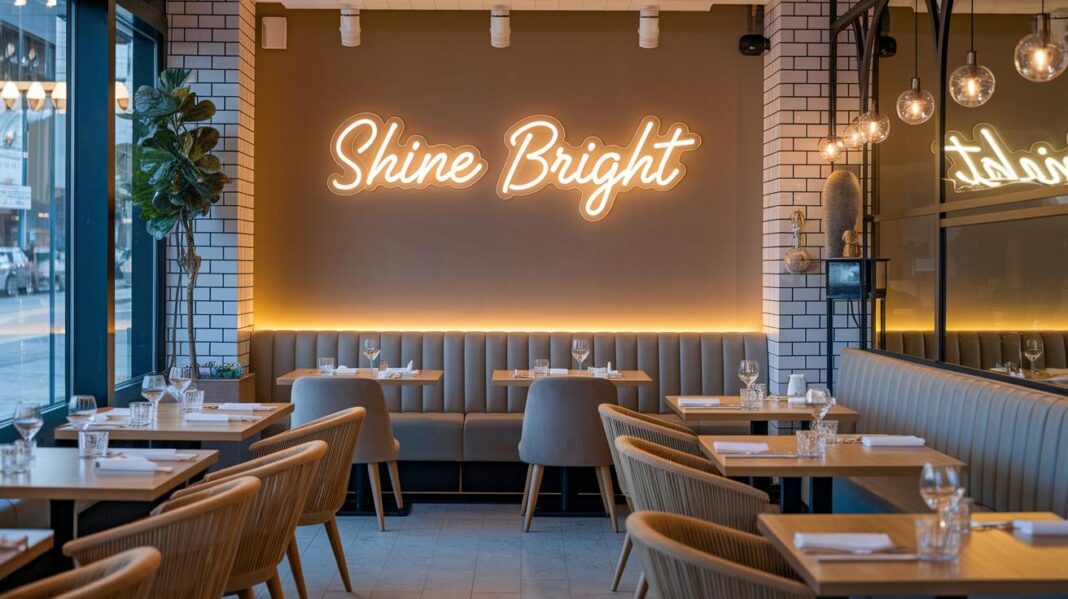

Ever wonder if a restaurant can break away from the usual? Today's eateries blend comfortable indoor dining with refreshing outdoor spaces to create a truly special meal. They mix easy-to-use tech like tableside QR menus and energy-saving LED lights with natural touches like wood and stone. Flexible seating and eco-friendly decor not only help run the place more efficiently and cut costs, they also create a warm, welcoming atmosphere. This modern style pushes past the ordinary and brings new life to the dining experience.
Key Elements of Restaurant Design Trends for Modern Reinvention
By 2026, restaurant design is all about blending indoor comfort with outdoor vibes. Restaurants are rethinking space so guests can enjoy both sheltered dining and breezy outdoor spots. Think all-weather patios with retractable roofs, heated floors, and natural finishes like wood and stone that bring a touch of nature inside.
Many new concepts combine dine-in experiences with delivery-only brands under one roof. This hybrid setup streamlines operations and cuts costs. Technology is a big player here, with smart ordering kiosks, tableside QR menus, and connected kitchens that track energy use and inventory in real time.
Inside, dining spaces are getting a warm, modern update. Designers choose materials like wood, linen, and terracotta for a homey feel. Acoustic panels and adjustable warm lighting create an inviting atmosphere. Flexibility is key, with movable tables, stackable chairs, and convertible bar-height tables that change quickly for different group sizes or events.
Sustainability stays at the heart of these trends. Energy-efficient LED lights, reclaimed furniture, and on-site composting zones help reduce waste and lower costs. Recent research shows that 72% of diners choose a restaurant for its ambiance, while 54% are willing to pay more for unique experiences. In fact, 58% of guests love designs that are TikTok-worthy, and 25% say visual appeal is a top priority for sharing on social media. For a closer look at these trends, see food trends 2025.
This blend of smart tech, stylish aesthetics, and eco-friendly practices is reshaping modern dining and meeting today’s expectations.
Sustainable Decor Concepts and Eco-Friendly Ambiance Ideas in Restaurant Design
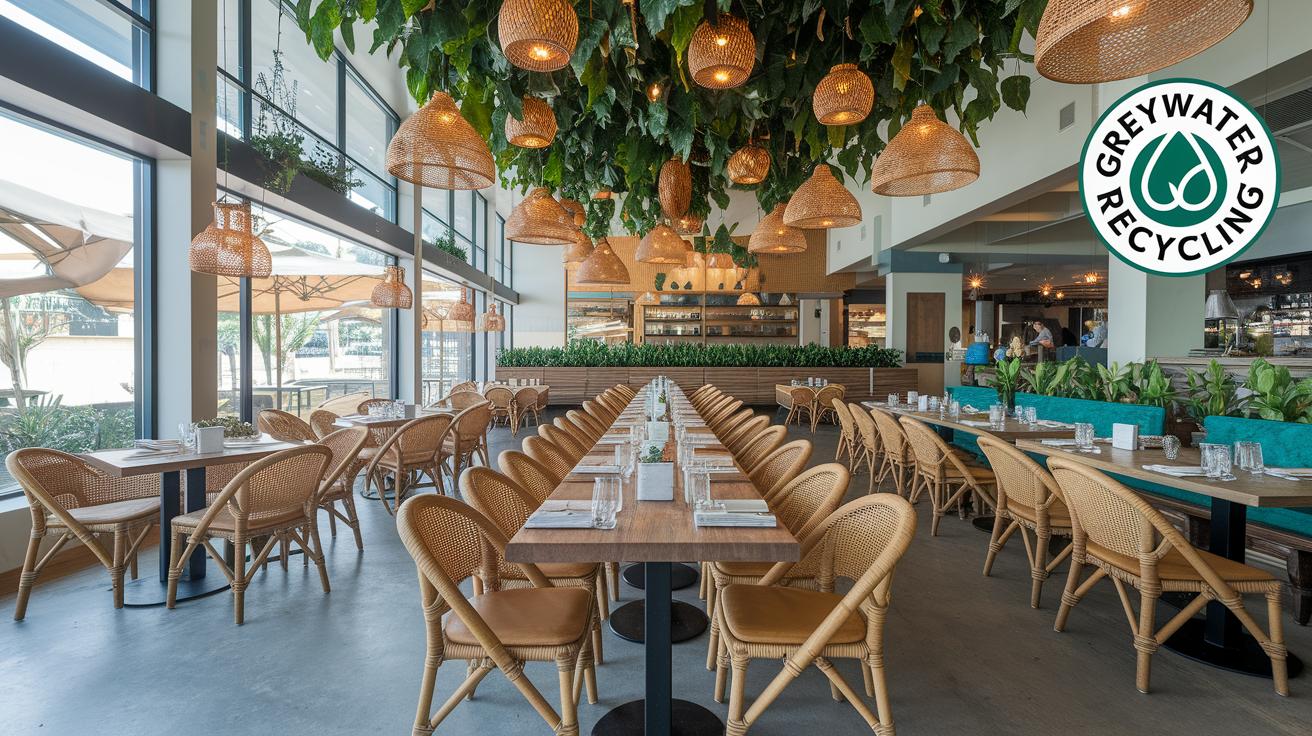
Restaurants are getting serious about green design. They use sustainable decor ideas in every detail of their space. Instead of ordinary materials, they choose eco-friendly options like bamboo, reclaimed wood, and upcycled metal furniture. These choices add a special look while cutting down on the impact to the environment.
Energy-saving features such as LED lights, low-flow faucets, and ENERGY STAR appliances can trim energy bills by up to 30%. They bring both style and savings. Water-saving systems like sensor faucets and greywater recycling further cut waste and boost efficiency.
Owners are also mixing in recycled decor like salvaged glass tiles and repurposed fabrics. These thoughtful touches add character and help reduce landfill waste while creating a warm, modern feel that eco-friendly diners love.
Other ideas include on-site composting and waste-sorting stations that support zero-waste practices. By using these straightforward methods, restaurant owners can design spaces that look great and support a greener future. This approach not only lowers operating costs but also meets the growing demand for responsible, transparent design choices, offering benefits for the long run.
Smart Technology Infusions and High-Tech Service Experiences for Modern Culinary Atmospheres
Restaurants today are embracing new technology to change the way we dine. Digital kiosks and QR menus help you place your order quickly, cutting down on wait times. New digital menus, like interactive boards and self-order apps, make it easy to see what’s available and choose your meal. Picture walking up to a kiosk that lights up with today’s specials, letting you tap your choice instantly.
Behind the scenes, smart kitchens use connected sensors (called IoT, or Internet of Things) to monitor energy use and check inventory in real time. This smart tech helps manage stock, reduces waste, and even alerts staff when ingredients need reordering. Automated climate and lighting systems adjust based on how many people are around, keeping the restaurant comfortable and saving energy whether it’s busy or quiet.
On the dining floor, interactive tables bring extra fun by letting you explore digital content while waiting for your food. Contactless payments with mobile wallets or NFC not only speed up checkout but also add to hygiene. One diner shared, "Using a mobile wallet has made my dining experience smoother and more secure."
All these digital tools work together to create a more efficient and engaging restaurant experience. They are at the core of modern dining, offering real-time updates and seamless service. For more details on these innovations, check out the latest reports on digital transformation in restaurant operations.
Innovative Interior Layouts and Adaptive Spatial Planning to Maximize Guest Experience
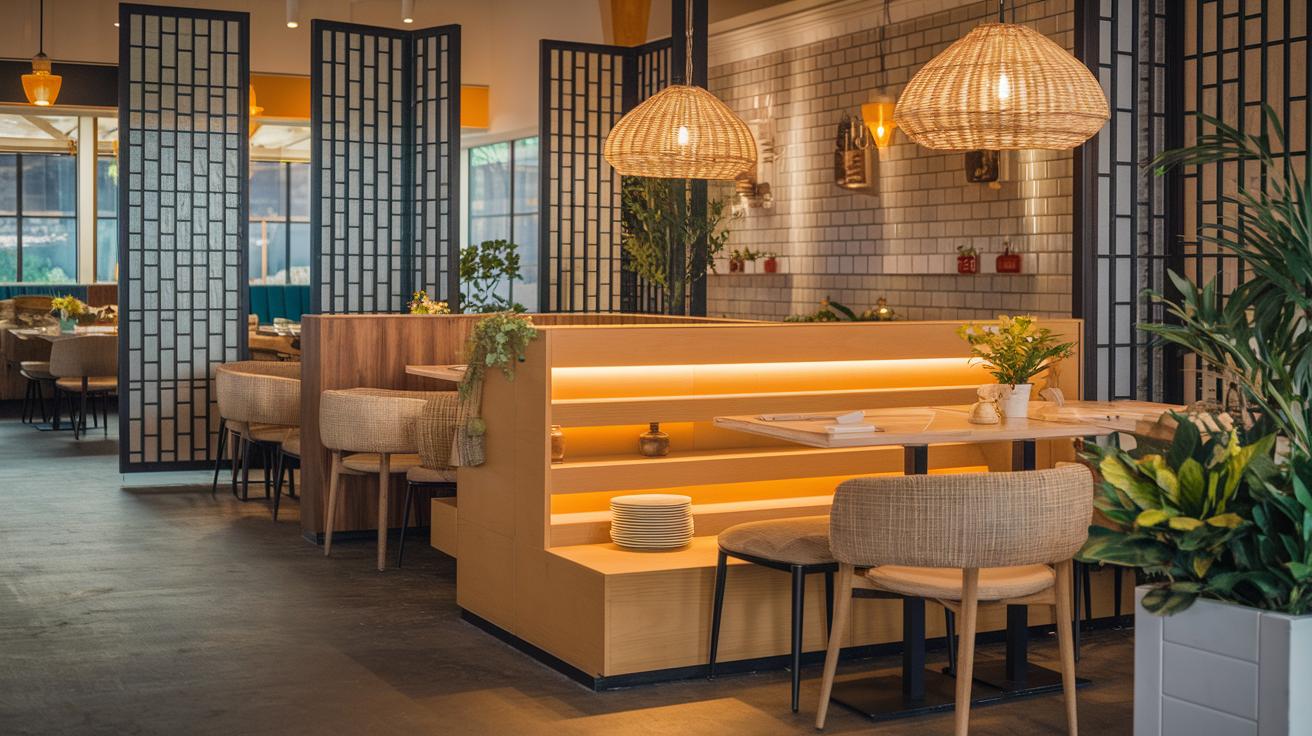
Smart furniture that serves a double duty, like a bench that hides storage inside, is becoming a popular way to save space. Picture a bench that opens up to reveal shelves, it not only looks chic but also keeps your dining essentials neatly stored.
Modular design ideas, such as sliding panels and retractable walls (walls that can move or hide when needed), let restaurants easily shift their space for different group sizes or private events. One spot even used sliding panels to create a cozy, intimate feel for a special occasion before quickly popping it back to an open layout.
- Smart, multifunctional furniture maximizes space while sparking conversation.
- Sliding panels and retractable walls let you change the layout quickly and easily.
These updates introduce creative, space-saving methods that bring fresh ideas to interior design without rehashing old concepts.
Crafting Contemporary Dining Aesthetics with Biophilic Design and Statement Decor
Restaurants are no longer just places to eat. They are becoming cozy retreats that mix art with nature. Many modern eateries add indoor plants, potted trees, and moss walls to keep the air fresh and help guests feel calm. These living wall ideas use panels to create vertical gardens that also serve as art, earning praise from diners who love nature’s touch.
Designers choose soft, natural colors and textures that feel welcoming. They often use materials like stone, wood, and linen to create a warm backdrop. Vibrant murals and custom ceiling details add energetic splashes of color and tell a restaurant’s story. A few touches of indoor greenery complete the look by softening the space and giving it an organic feel. Every element works together to offer guests a visually engaging and comfortable dining experience.
These creative ideas blend stylish design with smart solutions, making each restaurant feel both refined and inviting while staying true to what great dining is all about.
Enhancing Sensory Experiences through Lighting, Acoustics and Material Choices
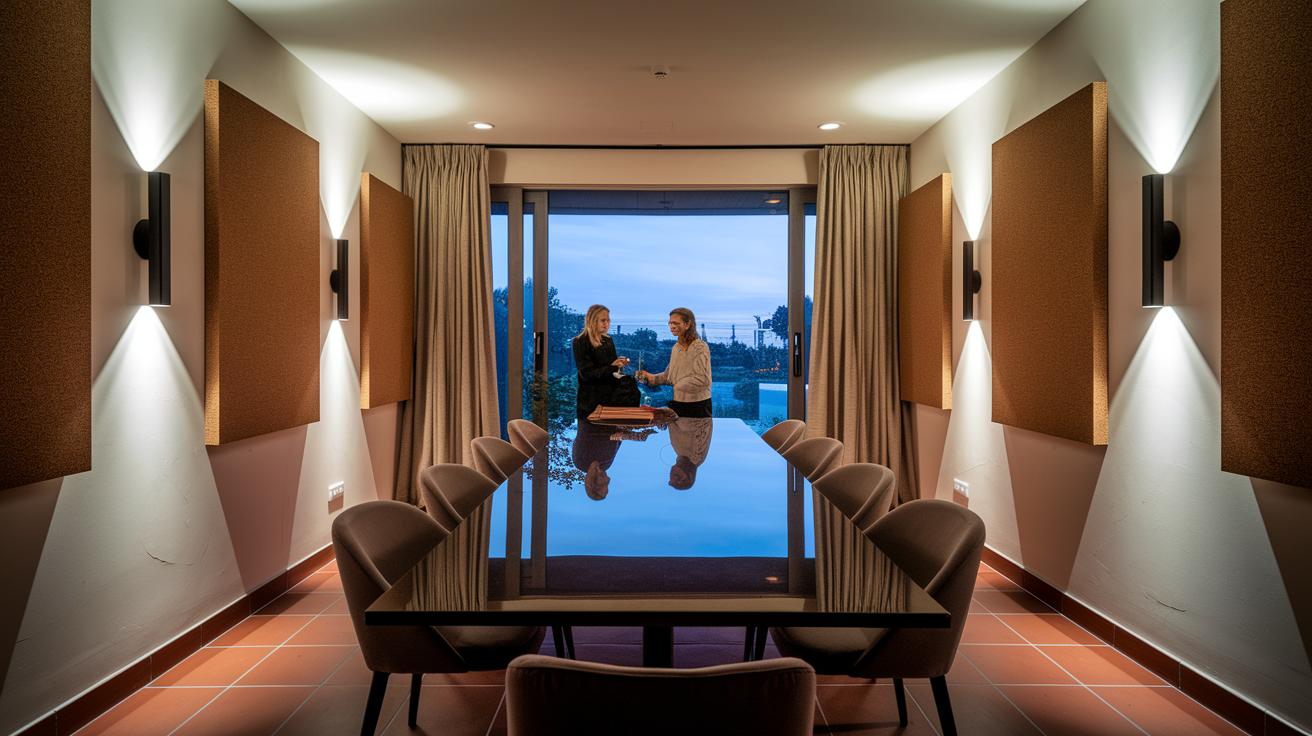
LED lights with dimming and warm fixtures do more than light up a room. They set a cozy mood while cutting energy use by up to 20%. Picture a dinner table where gentle beams highlight a glossy surface, inviting you to slow down and enjoy your meal.
Sound matters too. Thoughtfully placed acoustic panels, ceiling baffles, and soft textiles help lower background noise. They make it easier to chat over dinner, like sharing a quiet secret in a calm room. Imagine soft drapes that gently muffle the buzz around you.
Materials add a personal touch. Cork finishes, terracotta tiles, and comfy upholstery bring warmth and texture into a space. They not only absorb sound but add richness and charm. The feel under your fingertips tells a story of thoughtful design.
Modern tech also joins the mix. AI-driven noise systems adjust music levels based on how busy the room is. The result is a perfect balance where music enhances the vibe without overpowering conversation.
| Design Element | Benefit |
|---|---|
| LED Lighting | Creates ambiance and saves energy |
| Acoustic Panels | Reduces noise for clearer conversations |
| Materials like Cork & Terracotta | Add tactile warmth and character |
Every detail is chosen to boost comfort and make dining an immersive experience.
Integrating Specialized Outdoor Kitchens and Architectural Innovations for Climate Adaptability
Restaurants are trying new outdoor kitchens that work even when the weather changes fast. They use smart sensor covers that move on their own when rain or wind comes. Imagine a kitchen where the roof automatically drops to keep the cooking area dry during a sudden downpour. This smart setup lets chefs stay focused on their food without interruption.
Some owners are building high-tech enclosures with tough materials and energy-saving insulation panels. One resort restaurant, for example, added an automatic roof with temperature control to keep the cooking zone warm on chilly evenings. This design easily shifts from open-air dining to a cozy, sheltered space, giving chefs the freedom to create great dishes rain or shine.
More restaurants now design outdoor spaces with sustainability in mind. They add features like solar-powered appliances to cut energy costs, tackling climate challenges head on. This approach creates vibrant dining experiences that go beyond traditional indoor settings.
These innovative outdoor kitchens and climate-ready building designs set a new standard for restaurant spaces, offering clear benefits and fresh ideas for dining outdoors.
Future Outlook on Restaurant Design Trends for Modern Reinvention
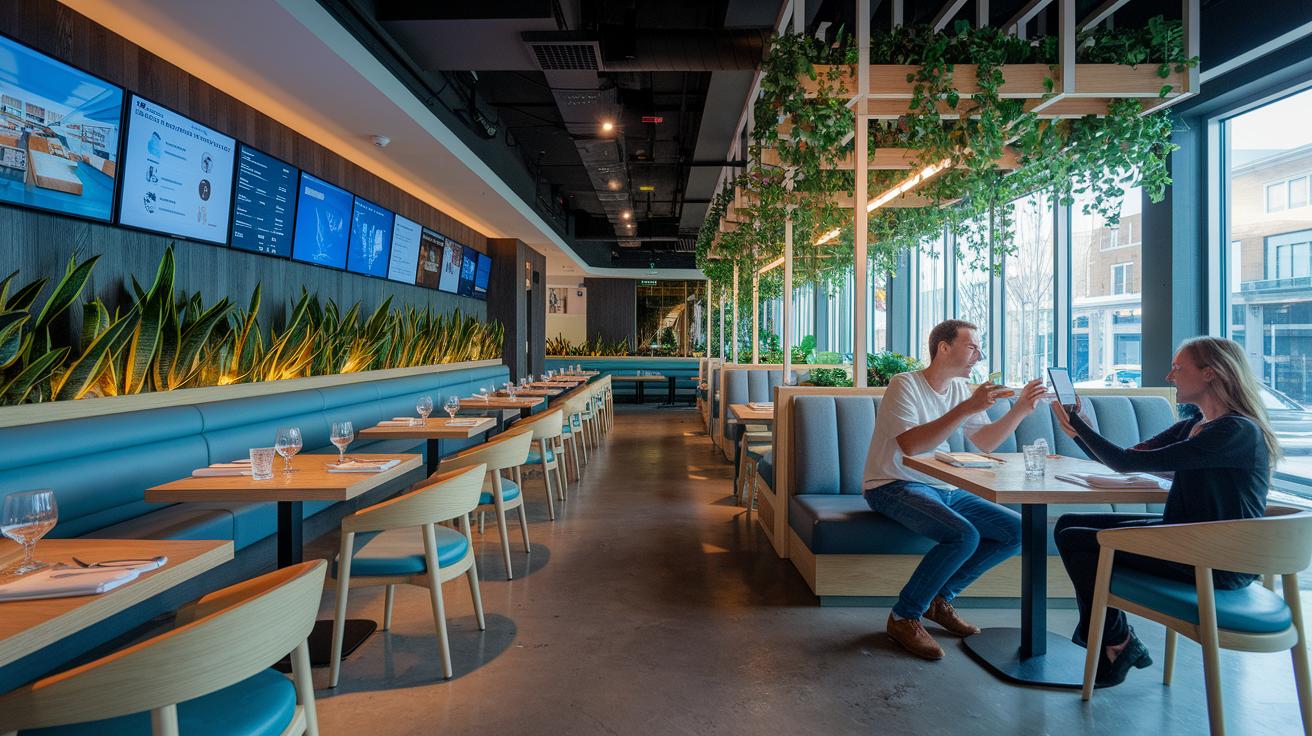
Looking ahead to 2026-2028, restaurants are set to become more interactive and tech-focused. Eateries are starting to blend smart digital tools, like AI-driven services (computer programs that help run tasks), with eco-friendly building methods to create spaces that work in harmony. These updates promise smoother operations and a fresher dining experience.
Recent surveys show that 58% of diners love settings that pop on TikTok, while 21% expect restrooms that look great on Instagram. This means restaurants are now pushing for creative and functional designs that appeal on social media. They want every corner of their space to tell a story that diners can share.
At the same time, green energy ideas are taking off in the restaurant world. Many establishments are adding features like solar-powered decor and energy-saving equipment to stand out. These choices not only look good but help the planet too. The focus is on merging eye-catching styles with sustainable practices.
Forward-thinking planners are investing in spaces that blend modern technology with smart, green design. The goal is to keep dining experiences current, engaging, and easy to enjoy. With innovative updates on the horizon, restaurant design is ready to bring a new flavor to your everyday meals.
Final Words
In the action, modern restaurant spaces mix adaptive layouts, eco-friendly decor and smart tech to create inviting, efficient spots for diners. Each section showed how fresh design choices boost comfort and practicality. The blog highlighted flexible seating, striking lighting and outdoor features that keep spaces lively all year round. This blend of style and function keeps restaurants at the forefront of restaurant design trends for modern reinvention. Change is here, and it brings plenty of reasons to smile at every meal.
FAQ
What are restaurant design trends for 2025?
Restaurant design trends for 2025 focus on merging indoor-outdoor dining with flexible layouts, smart tech integration, and sustainable materials to create efficient, memorable, and comfortable guest experiences.
What constitutes a unique restaurant design?
A unique restaurant design features creative layouts, custom decor elements, and interactive digital tools that set an establishment apart while enhancing functionality and guest engagement.
What are some small restaurant interior design ideas?
Small restaurant interior design ideas include flexible seating, modular partitions, modern finishes, and strategic lighting to maximize space and create an inviting, stylish environment.
What defines modern restaurant design?
Modern restaurant design emphasizes clean lines, adaptive space planning, eco-friendly materials, and advanced technology use to blend functionality with contemporary aesthetics.
How can restaurant interior design be achieved on a low budget?
Low-budget restaurant interior design relies on recycled decor, reclaimed furniture, energy-efficient lighting, and versatile layouts to achieve a fresh and stylish look without high costs.
What are current trends in hospitality design?
Current trends in hospitality design integrate smart technology, sustainable decor, flexible seating, and adaptive spatial planning to enhance efficiency, safety, and overall guest satisfaction.
What is considered the best restaurant design for 2025?
The best restaurant design for 2025 balances eco-friendly features, technology, flexible layouts, and striking decor to deliver a cost-effective yet engaging dining atmosphere.
What are suitable color design ideas for small restaurants?
Small restaurant color design ideas promote neutral palettes with natural accents that open up space, create a welcoming vibe, and highlight key design features effectively.