



Is your favorite restaurant truly secure against cyberattacks? Every restaurant handles credit card information and personal details, which makes them a tempting target for hackers. Recent studies reveal that many of these businesses end up paying ransoms after a breach. Simple training can help staff spot phishing scams and suspicious messages. A strong cybersecurity program does more than protect payment systems, it builds trust with diners. Keep reading to learn how restaurant cybersecurity practices are turning safe dining into a reality.
How restaurant cybersecurity awareness protects customer data and payment systems
Restaurants rely more and more on digital payments for pick-up and delivery. They handle sensitive details like credit card numbers, personal customer information, and employee records every day. Ransomware attacks have grown by 13%, and 62% of affected restaurants ended up paying a ransom. This shows why effective cybersecurity training is a must.
When every team member understands the basics of cybersecurity, it protects both payment channels and private data. For instance, a training session might open with a catchy fact: "Before modern computers, even simple cash registers needed manual updates." This neat tidbit reminds staff why keeping systems current is so important.
Good training also helps staff spot phishing scams and suspicious messages. For more tips on strengthening your defenses, check out restaurant cyber security.
- Boosting staff knowledge cuts down on human errors that lead to breaches.
- It stops phishing attempts designed to steal login details and financial data.
- Well-trained teams can spot malware and ransomware early.
- Staff awareness encourages regular updates to systems like point-of-sale devices.
- It also promotes practices like multi-factor authentication and secure passwords.
A strong cybersecurity program is not just about protecting payment systems; it also builds customer trust and keeps digital operations running securely.
Identifying top cybersecurity threats in restaurant operations

As restaurants make the shift toward digital payments, they also open up more opportunities for cybercriminals. This means it is very important to build strong cybersecurity measures and set up a reliable network defense system. Hackers are on the lookout for weak spots that let them break into payment systems and steal customer details, so investing in digital protection is a must.
- Malware infections from suspicious email links that can sneak into systems.
- Ransomware attacks have risen by 13%, and 62% of restaurants have ended up paying ransoms.
- Card-testing scams that try thousands of tiny transactions to check stolen card data.
- Phishing scams designed to trick employees into sharing their login information.
- Guest Wi-Fi risks when it is not kept separate from the restaurant's secure internal systems.
- Dangers from third-party vendors with poorly secured POS, payroll, or booking platforms.
- Weak password practices such as not using multi-factor authentication.
By raising cybersecurity awareness, restaurants can strengthen their systems against these threats. A regularly updated and proactive network defense plan helps protect both financial information and customer data. Improving digital defenses not only reduces risks but also builds trust and ensures a safer dining experience.
Best practices for restaurant cybersecurity awareness training
Digital protection training is vital for keeping your restaurant’s systems secure and customer data safe. As more restaurants rely on digital ordering and payment, building smart cybersecurity habits is a must. Your training should cover every detail so each team member knows their part in protecting digital spaces.
Focus on common tricks like phishing and social engineering. In simple terms, phishing uses fake emails and links to steal login or financial details. Use everyday examples in your training, show a simulation where an employee spots a suspicious message that looks like it came from a trusted source.
It is also important to enforce strong password rules and add extra steps for securing accounts. By requiring unique, tough passwords coupled with multi-factor authentication (a way to verify identity using more than one method), you make it much harder for hackers to get in.
Lastly, pay attention to network controls and regular system updates. Teach your staff how to secure cash registers and point-of-sale devices. Show them how to keep guest Wi-Fi separate from the restaurant’s main network, and stress the need for timely software patches. These simple, practical lessons help everyone keep the restaurant’s digital operations safe.
Step-by-step guide to building a restaurant cybersecurity awareness program

Creating a strong cybersecurity plan is key to protecting your customers' information and keeping your restaurant running smoothly. This guide breaks down clear steps that help every team member know their role in keeping your digital operations safe.
Step 1: Define Your Scope and Create an Incident-Response Plan
Start by listing the key systems and data that need extra care. Write out a simple plan for what to do if a breach happens. This plan helps the team respond quickly and cut down on damage.
Step 2: Protect Your POS Systems with End-to-End Encryption
Secure your point-of-sale devices by using strong encryption. This means every card swipe and digital payment is safe, keeping customer data locked up tight.
Step 3: Run Regular Network Scans and Use Intrusion Detection
Check your network often with regular scans and install tools that alert you when something unusual happens. This proactive step helps catch issues before they turn into real problems.
Step 4: Set Up Data Backup Routines with Off-Site Storage
Make routine backups of your data and keep a copy in a separate location. This way, if something goes wrong, you can restore your information quickly and keep your business moving.
Step 5: Check Vendor Cybersecurity Compliance
Review the security practices of your third-party vendors, especially those handling payments and reservations. Make sure they follow good cybersecurity practices to prevent weak links in your system.
Step 6: Hold Quarterly Policy Reviews and Practice Breach Drills
Plan for regular updates to your policies and run mock drills. This helps the entire team stay ready and shows you where improvements can be made.
Step 7: Look Into Cyberinsurance for the Hospitality Industry
Research insurance options designed for restaurants. Cyberinsurance can cushion the financial blow if an attack takes place.
Following these steps builds a strong cybersecurity program that not only safeguards sensitive data but also keeps your restaurant running smoothly. For a detailed approach, consider adopting an incident response plan like the restaurant cyber attack response plan available at matpple.com?p=.
Regulatory compliance and legal considerations in restaurant cybersecurity awareness
Restaurants must follow strict laws to keep customer data and payment systems safe. They need to meet PCI DSS standards (rules for protecting credit card details) and have clear, written plans for handling data breaches. These legal guidelines help restaurants update their systems regularly and secure every digital transaction.
Data privacy laws like CCPA and GDPR set clear rules for managing customer information. Restaurants with cybersecurity programs have to keep detailed records and perform regular audits to prove their compliance. Vendor contracts should also include strong security requirements so that partners meet the same high standards. Sticking to these guidelines protects sensitive data and builds trust with customers.
Regular internal reviews are key to managing legal risk. By documenting procedures and updating policies, restaurants can lower their liability if a breach happens. Following these guidelines ensures that both customer data and payment systems are well protected. Keeping compliance in focus helps restaurants build strong defenses against cyber threats while meeting all legal obligations.
Leveraging resources and tools for restaurant cybersecurity awareness
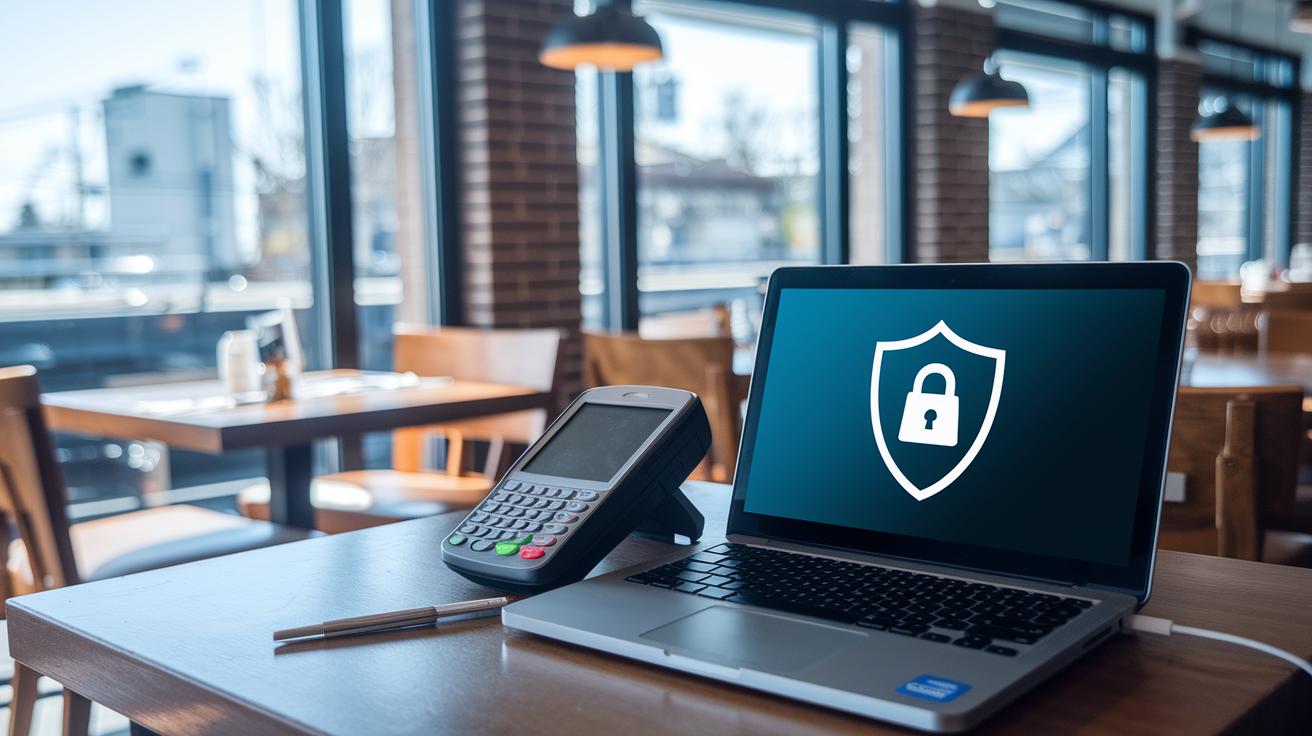
Restaurants must protect their systems by using safety tools like firewalls and encryption for point-of-sale devices. They should also run regular vulnerability scans to catch potential issues. See earlier sections for step-by-step details. Adding a cyber attack response plan further secures data and payments.
Online training helps boost cybersecurity awareness. Hospitality modules show staff how to spot phishing scams and other cyber threats. These courses include clear steps from the cyber attack response plan. For example, team members review the plan at the start of each shift to maintain readiness.
Cyberinsurance and third-party audits reduce breach costs and validate security efforts. These tools support quick recovery and work well with the restaurant cyber attack response plan to lower overall risks.
Final Words
In the action, this guide walked through protecting customer data and securing payment systems, from identifying cyber threats to hands-on training methods. We covered practical steps like fortifying digital defenses with strong passwords, network segmentation, and regular software updates.
A reliable incident-response plan and keen legal insight further protect operations. By building a robust culture of restaurant cybersecurity awareness, every establishment can stay safe, serve customers confidently, and foster trust in their digital capabilities.
FAQ
What do restaurant cybersecurity awareness articles cover?
Restaurant cybersecurity awareness articles cover how establishments protect customer information and payment systems. They explain the need for staff training and practical steps to counter risks like phishing and ransomware.
What does restaurant cybersecurity awareness in 2022 emphasize?
Restaurant cybersecurity awareness in 2022 emphasizes updated measures and technologies addressing current cyber threats. It focuses on protecting digital transactions, training employees, and improving overall security protocols, especially amid rising cyber incidents.
What is a restaurant data breach?
A restaurant data breach occurs when hackers access sensitive customer and payment information. This breach can lead to financial loss, compliance issues, and a damaged reputation, urging businesses to strengthen digital defenses.