


Ever wonder if a cyberattack could shut your restaurant down overnight? In today's digital world, restaurant owners must guard both their delicious menus and sensitive information like payment systems (methods for processing payments) and employee records. Nearly 90% of small businesses are targeted, and breaches can cost a lot of money. Keeping your digital assets safe is as important as maintaining a clean dining room. A solid security plan turns risky vulnerabilities into smooth, secure operations that build lasting trust with your customers and help your business thrive.
Restaurant Cyber Security: Protecting Operations from Cyber Threats
Restaurants today rely on cyber security to guard everything from guest payment info to employee payroll records. They store credit card details, loyalty points, and more, making them a tempting target for hackers. Nearly 90% of cyberattacks hit small businesses, and each breach can cost around $116,967. In many cases, 60% of affected restaurants close within 6 months after a hack.
Cyber criminals now attack more than just payment systems. They break into guest data, internal messages, and even employee records. For example, some test stolen credit cards by running multiple small transactions. These tricks can break customer trust and stop operations. Programs like the restaurant cybersecurity awareness guide from https://matpple.com?p= help establishments learn to fight these threats.
Key areas that need protection include:
- Payment systems (POS systems that handle digital payments)
- Guest databases (storing sensitive financial and personal information)
- Payroll systems (managing employee pay)
These weak points pose both financial and reputational risks. In the past, small diners kept paper records, but now digital files need strong protection as hackers become more clever. This change shows why every digital touchpoint must be secured.
Restaurants must act fast. They should install firewalls, use encryption (coding to protect data), and update software regularly to close any gaps. By combining these technical steps with careful staff training, restaurants can reduce data breaches and maintain the trust that diners expect with every transaction.
Risk Assessment and Vulnerability Management in Restaurant Cyber Security
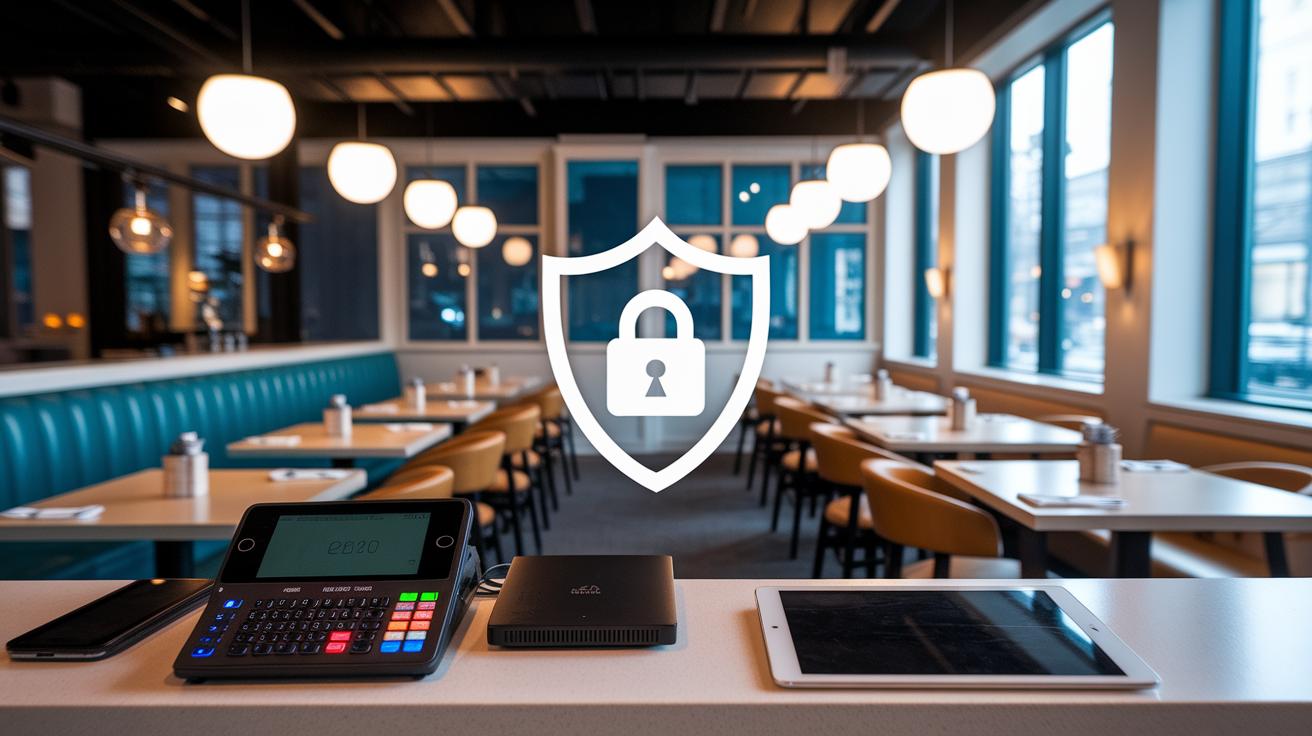
To protect a restaurant's digital systems, start by understanding its unique threats. A framework like the NIST Cybersecurity Framework (2014) offers a clear guide to spot potential issues. One simple tip is to list every device, such as POS systems, routers, and employee tablets, to see your full digital landscape.
A complete IT audit checks every piece of technology used in the restaurant, from the back-of-house systems to the front-of-house tools. This means listing all hardware, noting the software versions, and ensuring every connection (especially those tied to third-party vendors) is safe. For example, check a payment terminal to make sure it runs the latest security update to avoid any weak spots. Regular audits help catch outdated software and unsafe setups before they become a problem.
Continuous vulnerability monitoring makes your defenses even stronger. Set up automated scans on a fixed schedule to spot unusual device behavior or signs of a data breach. A handy tip for the team is to run a quick vulnerability check after each update to catch any new risks. This steady monitoring adds extra support to the initial risk checks.
Regularly mapping connections with third-party vendors and scanning for vulnerabilities does more than just lower exposure to threats. This organized, step-by-step process ensures that both technical and operational tools work together, keeping restaurant operations safe and running smoothly.
Securing POS Systems and Payment Data in Restaurant Cyber Security
POS terminals are a favorite target for hackers because they hold customers’ payment details. Restaurants need to follow security rules like PCI DSS (a set of guidelines to handle payment data safely) to secure every transaction. A smart move is to switch to a cloud-based POS system that gives each employee access only to what they need. For example, only managers might have permission to change settings or look at full sales reports.
End-to-end encryption is a key tool in keeping payment data safe. This method changes the data into a secret code while it moves between devices. Even if hackers grab the information, they can’t read it without the special key. Think of it like stashing your valuables in a safe when you travel, you keep everything secure.
It’s also crucial to regularly update software and install patches. Outdated programs are like open doors for malware or card-skimming attacks. When updates are applied quickly, they fix security holes that could be exploited. Imagine that before an update, unauthorized users might sneak in; after updating, any breach attempts trigger a lockdown.
Key measures include:
- Following PCI DSS rules to set basic security standards
- Using cloud-based POS systems with access levels based on roles
- Applying end-to-end encryption to protect data on the move
- Scheduling regular software updates and patching vulnerabilities
- Setting strict access controls to stop unauthorized data access
Together, these steps build a strong shield against cyber threats. By protecting their POS systems, restaurants not only keep customer payment data safe but also lower the risk of malware attacks that could harm the entire network. Every measure, from encryption to routine updates, plays an important role in keeping a restaurant’s operations smooth and secure.
Network Defense and Infrastructure Protection for Restaurant Cyber Security
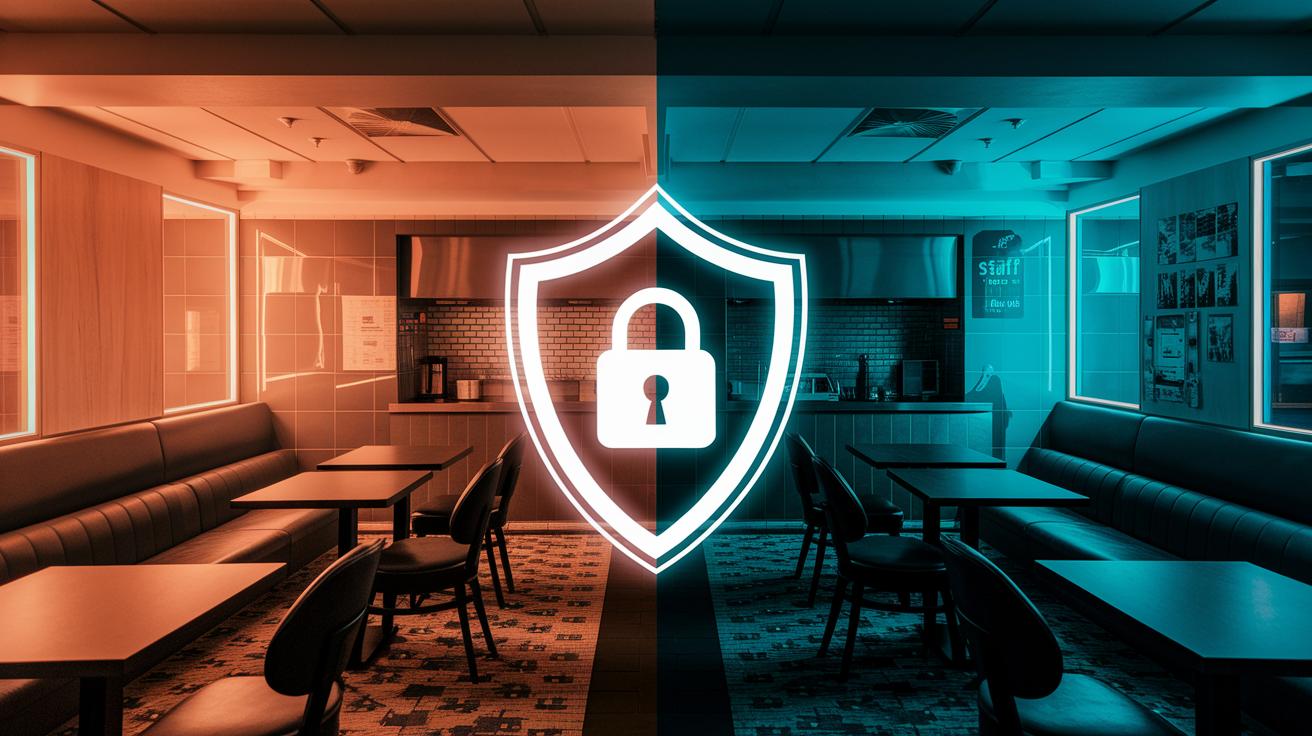
Restaurant cyber security keeps your digital operations running smoothly. A strong network defense starts with firewalls that block devices showing signs of trouble. Think of it like a locked door that only trusted guests can pass through.
Restaurants need to keep their guest WiFi separate from the network used by staff. This is like having a dining room and a kitchen with separate access. Only trained staff enter the kitchen, just as only trusted devices should access sensitive areas of your network.
Secure router settings are also important. Change the default passwords, update the router settings, and use strong encryption for your WiFi. It’s like setting a unique lock that even the most curious patrons can’t crack.
Regular firmware updates are a must. These updates fix security gaps that hackers might exploit. Imagine fixing a small crack before it turns into a big problem; updating your system keeps your defenses strong.
Restaurants should use device whitelisting so only approved gadgets connect. This works like having a doorman who checks IDs at the door, keeping unwanted visitors out.
It is also essential to monitor your network constantly. Watch for strange activity and block any unauthorized connections. Reviewing logs regularly can catch issues early and stop problems in their tracks.
Key practices include:
- Configuring firewalls to isolate infected devices
- Separating guest and operational networks
- Securing WiFi with strong, unique passwords
- Regular firmware updates to patch vulnerabilities
Employee Training and Security Policies in Restaurant Cyber Security
Restaurants need to focus on people first when it comes to cybersecurity. Employees are often the primary target for phishing scams, which is why regular training is essential. Good training sessions show staff how to handle unexpected emails and sketchy links. For example, you might remind them: "Always be cautious of emails that urgently ask for sensitive info, like an unexpected password reset request."
Clear security policies go hand in hand with effective training. Written guidelines on password care and approved apps help lower the risk of a breach. Each employee should only see what they need to do their job. Regular practice tests, like simulated phishing drills, let staff get used to spotting fake messages and following the rules.
Key steps include:
- Training staff to quickly recognize suspicious emails.
- Limiting the use of personal devices during work hours.
- Enforcing job-specific access and regular updates to passwords.
- Conducting simulated cyber drills to keep security sharp.
By mixing hands-on training with clear, written guidelines, restaurants empower their teams to fend off internal threats. This ongoing education and clear policy approach is key to keeping operations safe and running smoothly.
Incident Response and Recovery for Restaurant Cyber Security

Having a clear incident response plan is key to bouncing back quickly from a cyber attack instead of facing a drawn-out disaster. Start by creating a playbook that spells out who does what, how to communicate during an emergency, and the steps to collect digital evidence (like how to check logs or capture data). For instance, one person can lead containment while another works closely with the IT support team.
When a breach shows up, your plan should activate immediately. The steps to follow include:
- Finding and identifying the threat.
- Stopping the breach from spreading further.
- Removing any harmful software.
- Alerting everyone affected and informing the right authorities.
- Reviewing what happened so you can learn from it.
Using checklists for each step helps make sure nothing is missed. Acting quickly is vital. In fact, a swift response might cut down costs, which average around $116,967 for each breach, and protect your restaurant’s good name.
Regular practice sessions, like tabletop drills and periodic reviews of your plan, are very important. Running through simulated scenarios lets your team get used to their roles and helps you fine-tune the process, much like rehearsing a fire drill prepares everyone for the real thing.
Always keep a detailed record of what you do during an incident. This documentation is crucial for later analysis and helps improve your plan over time. Make it a routine to update your plan so it stays current with the latest cyber threats.
With a solid, well-practiced plan, you can minimize financial losses and protect your brand while keeping your restaurant’s operations safe and smooth, even when cyber challenges arise.
Compliance and Best Practices in Restaurant Cyber Security
Restaurants need to follow PCI DSS guidelines to keep customer payment data safe while also meeting payment and privacy laws. A big part of this is matching standards like NIST (a set of cyber security rules) or ISO 27001 (an international security benchmark). Picture a restaurant ticking off an annual audit checklist to ensure its systems meet these guidelines; that small habit can prevent big security issues.
It also helps to have outside experts review your setup regularly to spot any gaps early. These checks should cover both the technical side and daily operational policies. Building a strong security plan means scheduling yearly audits, updating your internal rules, and testing your security measures regularly. For instance, using a checklist can remind you to review user permissions and properly configure new software.
Some key practices to stay secure include:
- Running an outside audit every year
- Regularly updating policies to address new threats
- Matching security controls with both payment and privacy standards
Following these steps helps restaurants keep a safe operating environment and build a strong tech foundation. Remember, staying compliant is not a one-time job; it's an ongoing process that protects data and supports smooth dining experiences.
Final Words
In the action, this blog post broke down key areas to protect food businesses from digital attacks. It shared practical advice on risk assessments, POS and network defenses, employee training, incident responses, and compliance checks. Each section turned complex ideas into clear steps that anyone can follow. Good restaurant cyber security keeps customer data safe and operations running smoothly. These updates empower food venues to face cyber threats with confidence and keep their business thriving.
FAQ
Do restaurants need cyber security?
The need for cyber security in restaurants is clear because protecting payment data, employee records, and customer information helps prevent costly breaches and rising cyber threats.
What is the biggest problem in the restaurant industry?
The biggest problem in the restaurant industry is the lack of robust cyber security measures that leave sensitive data exposed, making operations vulnerable to costly and reputation-damaging breaches.
What industry gets the most cyber attacks?
The restaurant and small business sectors are frequent targets because many lack the resources to build strong cyber defenses, rendering them susceptible to cyber attacks that many larger sectors also experience.
Who is behind the recent cyber attack?
The recent cyber attack is often attributed to organized cybercriminal groups, with investigations ongoing to pinpoint the specific actors responsible for targeting vulnerable systems.