


Ever wonder if your kitchen is truly safe? You’re not alone. Many people worry about harmful germs when they cook. But a few simple habits can make a huge difference. Wash your hands well, use different cutting boards for meats and veggies, and keep food stored at the ideal temperature. These steps, based on the FDA Food Code 2017, give you a clear guide to protecting your meals. Try these tips, and you might find that cooking becomes both safer and more enjoyable.
Summary of Key Food Safety Practices
Learn what food safety means by using a simple checklist that covers the basics. Follow the clean, separate, cook, and chill steps laid out in the FDA Food Code 2017. Always wash your hands for at least 20 seconds with warm water and soap before you start handling food. Use different cutting boards and utensils to keep raw items separate from foods you plan to eat without further cooking. Make sure poultry reaches an internal temperature of 165°F by checking it with a food thermometer. Keep hot foods above 140°F to prevent bacteria from growing, and refrigerate chilled items below 40°F in sealed containers. Also, try to cook any raw items within 2 hours of serving.
For example, one chef explained, "After cleaning surfaces, my team quickly switched boards to ensure no cross-contact."
Stick with these simple steps to build kitchen confidence and keep your meals safe. Practice these guidelines regularly for a more secure dining experience.
Proper Temperature Control Guidelines in Food Safety Practices

Keeping food safe starts with getting the temperature right. Your refrigerator should always be at or below 40°F (4°C) and your freezer at 0°F (-17°C) to prevent food from spoiling and to stop harmful germs from growing. When cooking items like poultry, make sure the inside reaches at least 165°F (74°C) to kill off germs like Salmonella. Also, any food kept warm should stay above 140°F (60°C).
Using a calibrated food thermometer every time you cook is essential. It helps you ensure the food hits safe temperature levels and steers clear of the temperature danger zone (40°F to 140°F), where germs can quickly multiply. You might even consider temperature sensors that send alerts if things go off track. These tools give you a quick heads-up so you can fix issues immediately.
Regular checks on your food holding temperatures can boost confidence in the kitchen. If a sensor shows a sudden spike, the team can quickly inspect the storage units. Following these temperature control steps keeps food safe, cuts down on waste, and helps maintain a clean kitchen, whether you’re cooking at home or in a professional setting.
Cross-Contamination Avoidance Strategies in Food Safety Practices
Keeping your kitchen safe starts with preventing the spread of harmful bacteria. When raw proteins mix with ready-to-eat foods, germs can jump across and cause foodborne illness. By keeping these food groups separate and cleaning thoroughly, you create a safer cooking space that boosts your confidence. For example, designating specific areas or cutting boards for different food types can keep dangerous germs at bay.
Before you start your next meal, try these 6 simple steps:
- Wash your hands for at least 20 seconds before and after handling raw foods or switching tasks.
- Use separate cutting boards for raw meats, poultry, seafood, and eggs, keeping them away from foods you plan to eat without cooking.
- Clean and dry utensils immediately after they contact raw protein to remove any lingering bacteria.
- Rinse produce under running water and trim off bruised spots where bacteria might hide.
- Thaw frozen items in the microwave only if you plan to cook them right away.
- Discard any dented or bulging cans to lower the risk of botulism.
By making these practices part of your routine, you keep your meals both safe and delicious while enjoying peace of mind in the kitchen.
Hygiene Management Strategies and Sanitation Methods in Food Safety Practices
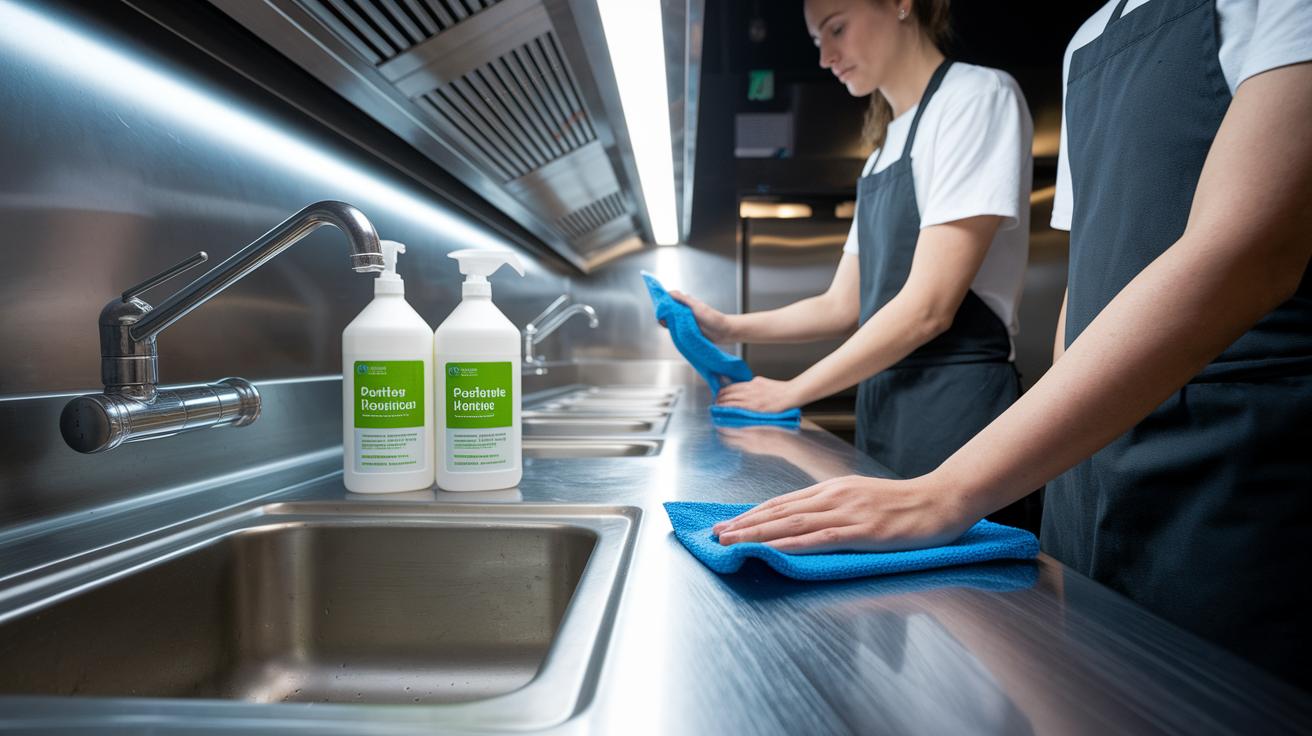
Commercial kitchens do best when they use strong cleaning strategies. Food contact surfaces like countertops, cutting boards, and utensils must be cleaned with food-safe chemicals before and after each use. This keeps bacteria from sticking around and helps maintain a safe area for food preparation.
Stainless steel drainage systems, such as T316 or T304, help prevent bacteria from collecting around sinks and on floor drains. Their smooth surfaces stop bacteria from gathering, which keeps the drains clean and working well.
Daily cleaning routines are essential. Floors, drains, and areas that get touched a lot should be cleaned with proven sanitizers to block contamination. Staff need to follow clear instructions so that the whole kitchen stays safe from cross-contact and infections.
It is also important to do self-checks at least twice a month. These inspections catch small problems early and confirm that cleaning methods are followed correctly. Keeping detailed records helps teams spot trends and fix issues before they get worse.
Lastly, all equipment that comes in contact with food must be cleaned right after each use. By training employees in effective cleaning techniques and setting a regular cleaning schedule, kitchens maintain a healthy workspace. These practices not only keep food quality and safety high but also boost staff pride and confidence.
| Task | Frequency | Method |
|---|---|---|
| Clean food contact surfaces | Before and after use | Food-safe chemicals |
| Wash floors and drains | Daily | Tested sanitizers |
| Perform self-inspections | Twice a month | Routine checklists |
| Clean equipment | After each use | Thorough sanitizing |
Safe Food Handling Techniques and Storage Solutions for Perishables
Keep your kitchen tidy with a daily routine that protects your perishables. Always choose pasteurized dairy and use separate utensils for unpasteurized eggs. This simple step helps keep harmful germs away.
For items that need refrigeration, use containers with tight lids and keep your fridge at or below 40°F (4°C). A good seal stops contaminants and keeps your food fresh longer.
When you handle produce, check carefully for bruised spots and trim them off to avoid decay. For frozen items, look out for freezer burn and cut away any affected parts to keep taste and texture in check.
Dried foods need special attention too. Store them in airtight, pest-proof packaging and do a quick visual check every month. This helps you catch any early signs of spoilage or pests, saving both money and food.
During meal prep, follow the clean, separate, cook, and chill rule. Clean your surfaces and hands first, then keep raw items away from those that are ready to eat, cook everything at safe temperatures, and chill leftovers quickly.
For refrigeration, use containers with firm seals and label them with dates.
By following these steps, you boost your confidence in the kitchen and keep your meals safe and delicious.
Employee Sanitation Standards and Food Safety Training Practices
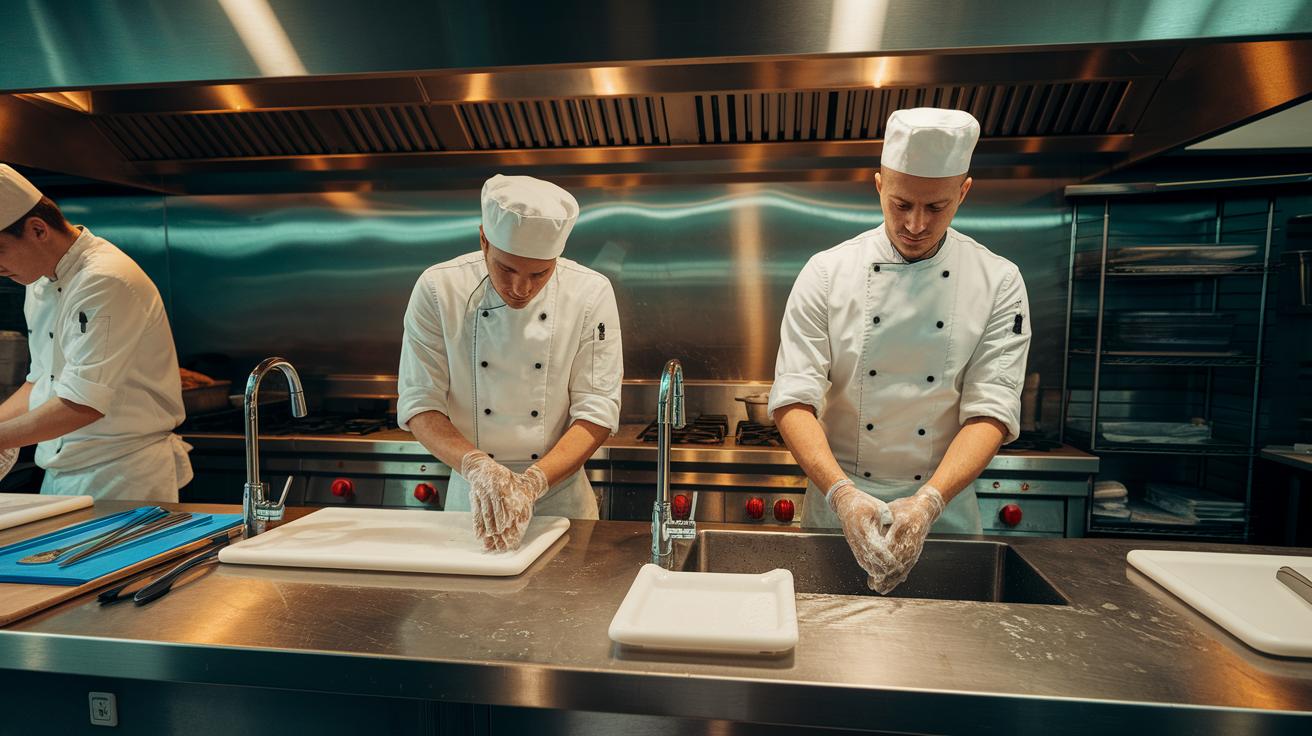
Keeping a kitchen safe from foodborne illnesses starts with every team member following strong sanitation practices. When staff don't keep up with proper hygiene or training, outbreaks can happen fast. Every food handler should wash their hands with warm water and soap for at least 20 seconds. They also need to make sure that all tools and surfaces are clean and dry before use. One seasoned chef shared, "A 20-second handwash stops germs in their tracks."
Training programs and certification courses give staff the hands-on skills they need. These courses cover topics like HACCP (a method to keep food safe), FSMA hazard analysis, allergen control, and safe cooling practices. They explain why food has to be handled carefully and lay out clear steps to follow. Certification shows that every employee meets the set safety rules.
Using training tools such as checklists makes it easier to stick to these standards. Checklists serve as a quick reminder for steps like proper handwashing, preventing cross-contact, and keeping equipment sanitized. Here are a few core points to focus on:
| Step | Description |
|---|---|
| Handwashing | Wash for at least 20 seconds before handling food |
| Clean Tools | Ensure all tools and surfaces are thoroughly cleaned |
| Guided Procedures | Follow checklist-based guides for cleaning and handwashing |
| Allergen Control | Learn and apply safe allergen control and cooling methods |
Ongoing education and regular certification courses add confidence in the kitchen. When everyone follows these sanitation steps, the team works safely and helps keep food contamination and illnesses at bay.
Regulatory Compliance and Risk Assessment in Food Safety Practices
Food safety starts with following rules and checking for risks every day. The FDA Food Code 2017 tells us that a person in charge must keep cooking, cooling, and holding temperatures just right. They use a method called HACCP (hazard analysis and critical control points) to spot dangers early. All food kitchens must stick to these rules, and regular checks make sure they do. Health codes can change by state, and alerts from local health departments help flag any breaks in the rules.
Federal guidelines like HARPC under FSMA set clear steps for food processors and wholesale distributors. Facilities are expected to perform self-checks and document every control step to manage risk. Routine in-house audits mixed with third-party inspections build a strong safety net that stops problems before they grow. Following these practices means potential hazards can be caught and fixed quickly.
A real-life example happened in King County in 2021, when an outbreak was linked to loose hazard controls and insufficient staff training. This case shows why food operators must provide thorough training, keep a close eye on operations, and check food storage, temperature, and handling regularly. By sticking to FDA rules and local health guidelines, kitchens protect customers and build a culture of accountability that boosts confidence.
Monitoring and Auditing to Maintain Food Safety Practices

Routine self-checks and safety reviews every two weeks help catch problems before they escalate. Temperature logs and sensor alerts warn when fridges go above 40°F or freezers exceed 0°F, keeping spoilage risks low.
A checklist with more than 30 items guides staff on cleaning surfaces, checking equipment, managing storage, and maintaining personal hygiene. One restaurant, for instance, tracked ATP swab results (used to detect contamination) and sanitizer levels to spot patterns. After three months of lower scores, they improved their cleaning process.
Key steps include:
- Performing self-inspections and audits twice a month
- Recording fridge and freezer temperatures with logs and sensor alerts
- Using detailed checklists that focus on high-touch surfaces and equipment
- Monitoring sanitation with ATP swab results and sanitizer checks
Final Words
In the action, this piece reinforced food safety practices that keep kitchens secure. It covered key steps like the clean–separate–cook–chill method, proper handwashing, and temperature control to fight bacterial growth.
We also looked at ways to prevent cross-contamination, maintain sanitation, and meet regulatory guidelines. Employee hygiene and continuous monitoring add extra layers of protection.
Embracing these practices brings peace of mind and helps everyone enjoy safe, delicious meals.
FAQ
What are examples of food safety practices?
The food safety practices examples include thorough cleaning, separating raw from ready-to-eat foods, cooking to safe temperatures, prompt chilling, and consistent handwashing for about 20 seconds with soap and warm water.
What are some food safety practices at home?
The food safety practices at home involve washing hands frequently, cleaning surfaces, keeping raw meats away from produce, cooking foods fully, and refrigerating leftovers within two hours.
What are 5 food safety practices?
The 5 food safety practices refer to cleaning surfaces, separating raw and ready-to-eat foods, cooking to safe temperatures, chilling foods promptly, and ensuring proper hand hygiene during food preparation.
What are 10 food safety rules and key guidelines?
The food safety rules include washing hands, cleaning surfaces, separating raw and cooked items, cooking foods to safe minimum temperatures, chilling foods within two hours, avoiding cross-contamination, thawing safely, proper storage, checking expiration dates, and following certified procedures.
What are the 5 C’s of food safety?
The 5 C’s of food safety generally denote practices that focus on cleanliness, careful handling, complete cooking, correct chilling, and controlling cross-contact to help reduce the risk of foodborne illness.
Where can I find food safety practices PDFs and research papers?
The food safety practices PDFs and research papers are typically available on official health agency websites and academic portals, providing detailed documents and studies on safe food handling procedures.